
The Imperative of Data Localization in Southern Africa’s Digital Finance
Data localization mandates have become a critical focal point in Southern Africa’s evolving digital finance landscape. Governments across the region are increasingly enacting regulations that require financial data to be stored and processed within national borders. This trend is driven by the dual imperatives of enhancing data protection and fostering trust among consumers, investors, and regulators in an era where cyber threats and data breaches pose significant risks. Southern Africa, with its rapidly expanding digital economy, is witnessing a surge in digital finance platforms that leverage blockchain infrastructure and tokenization, making data localization policies a linchpin for sustainable growth.
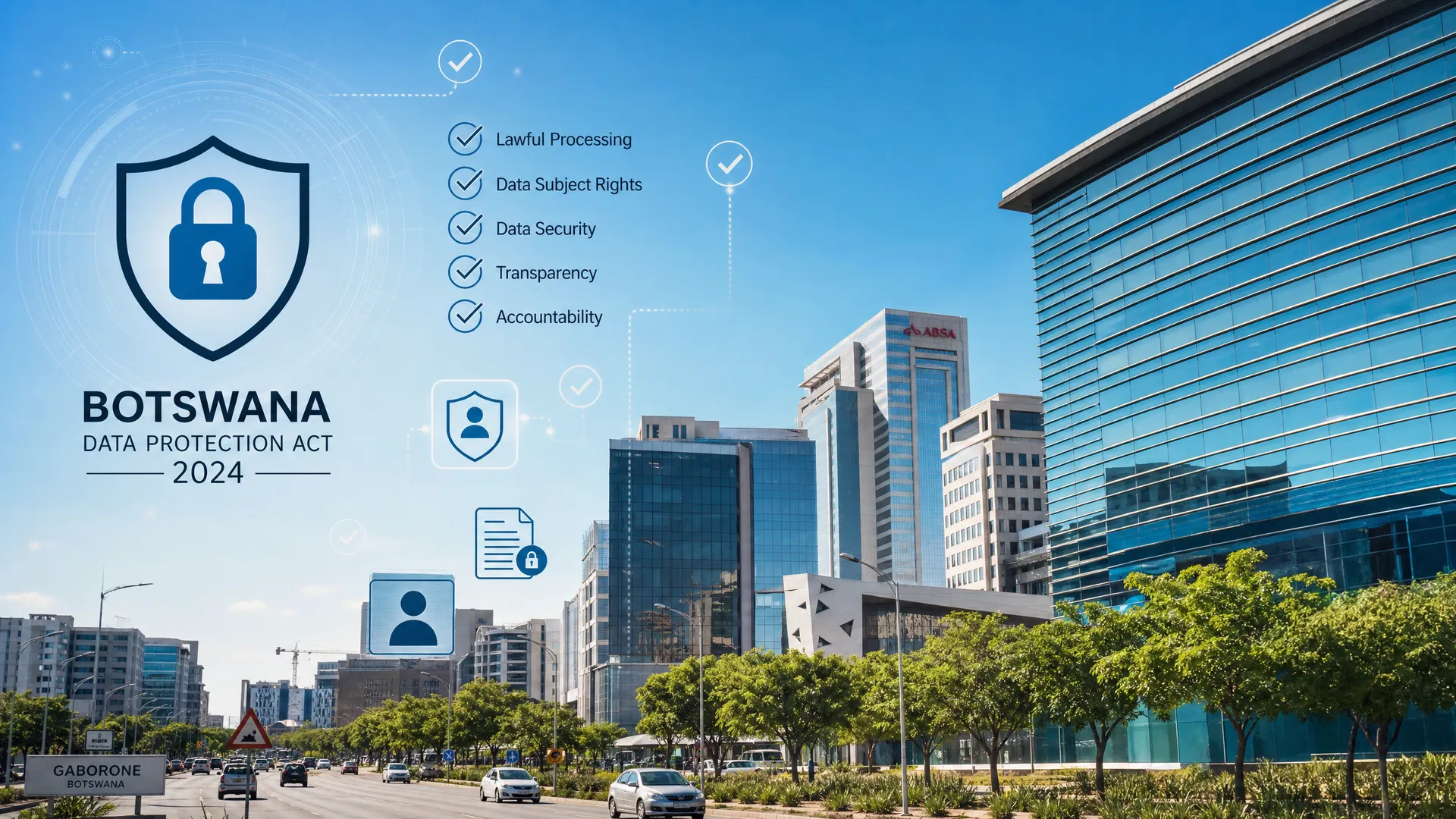
In Southern Africa, countries like South Africa, Botswana, and Namibia are leading the charge with robust data protection laws aligned to data localization principles. The Protection of Personal Information Act (POPIA) in South Africa, for example, mandates strict controls on cross-border data transfers, emphasizing local storage to prevent unauthorized access. Such frameworks are designed to safeguard sensitive financial information, ensuring compliance with international standards while catering to unique regional challenges. These mandates also serve to bolster confidence among institutional investors, who seek assurance that their data and assets are protected within a stable regulatory environment.
Enhancing Data Protection through Localization Mandates
Data protection remains a paramount concern in the digital finance sector, especially as Southern Africa embraces blockchain and tokenization technologies. Data localization mandates contribute significantly to minimizing risks related to data sovereignty, cyberattacks, and regulatory arbitrage. By requiring financial institutions and fintech companies to retain data within national jurisdictions, southern African regulators aim to ensure that data is subject to local laws and oversight, increasing accountability and reducing vulnerabilities.
Such measures also help address issues related to data privacy and consumer protection. With the rise of tokenization—where assets are digitized and traded on blockchain platforms—there is an exponential increase in sensitive transaction data that must be securely stored and managed. Data localization ensures that this data remains accessible for auditing and regulatory review, essential for preventing fraud and maintaining market integrity. Moreover, compliance with data protection mandates helps Southern African countries align with global standards like the European Union’s General Data Protection Regulation (GDPR), facilitating cross-border collaborations and foreign investments in digital finance ventures.
Blockchain Infrastructure and Tokenization: Opportunities and Challenges
Southern Africa’s adoption of blockchain infrastructure and tokenization presents both transformative opportunities and unique challenges within the context of data localization. Blockchain’s decentralized ledger technology inherently promotes transparency and security, yet it also complicates data localization efforts due to its distributed nature. Ensuring compliance with localization mandates requires innovative approaches that balance blockchain’s borderless architecture with stringent data residency requirements.
Tokenization, which involves converting physical or financial assets into digital tokens, is rapidly gaining traction in Southern Africa’s capital markets and digital finance ecosystems. This technology enables fractional ownership, improved liquidity, and enhanced access to investment opportunities for a broader population. However, the underlying data generated through tokenized transactions must comply with localization mandates to protect consumer rights and meet regulatory standards. Countries like South Africa are exploring hybrid blockchain models that enable local data storage while leveraging global networks to maximize efficiency and scalability.
Regulatory Frameworks Driving Digital Finance Trust
Robust regulatory frameworks underpin the success of data localization mandates and the broader digital finance revolution in Southern Africa. Policymakers recognize that building trust in digital financial services depends on clear, enforceable rules surrounding data protection, privacy, and operational transparency. Southern African regulators are increasingly collaborating through regional bodies such as the Southern African Development Community (SADC) to harmonize data localization policies and establish a cohesive regulatory environment.
South Africa’s Financial Sector Conduct Authority (FSCA) and the Reserve Bank have introduced guidelines specifically addressing the intersection of data localization, blockchain technology, and tokenization. These regulations aim to mitigate systemic risks while encouraging innovation and competition within the digital finance sector. By providing legal certainty and operational clarity, regulatory frameworks empower financial institutions and fintech startups to invest confidently in blockchain infrastructure that complies with local data residency requirements. This regulatory foresight is crucial for attracting institutional investors who prioritize governance and risk management.
Impact on Southern Africa’s Digital Economy Transformation
Data localization mandates are intrinsically linked to Southern Africa’s broader digital economy transformation. As countries in the region pursue ambitious digitalization agendas, ensuring secure and sovereign control over financial data is essential for fostering a resilient digital ecosystem. The localized storage and processing of data support the development of homegrown digital finance solutions tailored to regional market needs and socio-economic contexts.
Future-focused policymakers and institutional investors should view data localization not merely as a compliance hurdle but as a strategic enabler of trust and economic growth. By fostering a secure environment for blockchain infrastructure and tokenization, Southern Africa can position itself as a leader in Africa’s digital economy transformation. Embracing advanced technologies alongside strong data protection frameworks will unlock new asset classes, improve cross-border financial flows, and promote inclusive growth. Ultimately, the success of data localization mandates will depend on collaborative governance, technological innovation, and sustained investment in digital infrastructure that meets the evolving needs of the region’s dynamic digital finance ecosystem.