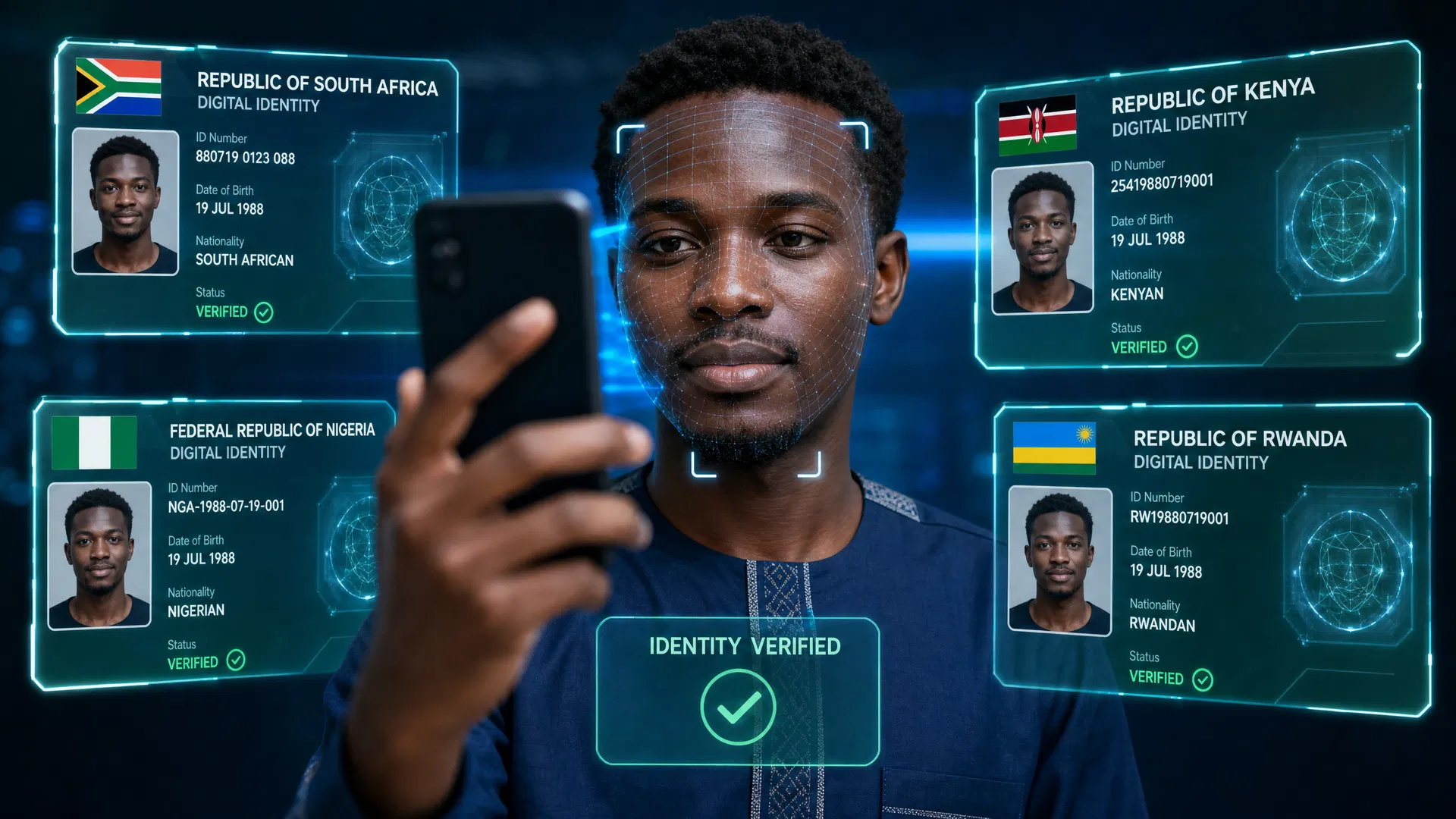

The Rising Importance of Digital Identities in Pan-African Finance
The rapid digitization of financial services across Africa has elevated digital identities as a cornerstone of economic inclusion and security. As of 2024, over 60% of Sub-Saharan Africa’s population remains unbanked or underbanked, illustrating the urgent need for robust digital identity frameworks that enable access to Pan-African finance. Digital identities serve not only as authentication tools but also as gateways to a broader spectrum of financial services including credit, insurance, and investment. This shift is central to Africa’s digital economy transformation, providing millions with secure, verifiable means of engaging in the formal financial system.
However, expanding digital identities introduces elevated risks related to data protection. Cybersecurity incidents and identity theft can undermine trust in digital financial platforms, which are critical for the continent’s economic growth. According to a 2023 African Development Bank report, financial fraud and data breaches in African digital platforms increased by 35% year-over-year, underscoring the need for enhanced security measures. Securing digital identities through technologies like blockchain security and tokenization has become an imperative strategy for Pan-African finance stakeholders seeking to build resilient ecosystems.
Blockchain Security as a Pillar of Data Protection
Blockchain technology provides a transformative solution to data protection challenges within digital identity systems in Africa. By decentralizing identity data storage and verification, blockchain reduces the single-point-of-failure risks inherent in centralized databases. Its immutable and transparent ledger ensures identity data cannot be altered without detection, enhancing data integrity and trust. For instance, Ghana’s blockchain-based national ID pilot demonstrated significant improvements in verification speed and fraud prevention, setting an example for other African countries.
Moreover, blockchain security supports regulatory compliance by enabling auditable and secure data management across borders—critical for Pan-African finance involving increasing cross-border transactions. Tokenization, which converts sensitive identity data into secure blockchain tokens, further enhances privacy by ensuring original data is never exposed during transactions. This layered security approach aligns with international best practices and bolsters efforts to create an interoperable, resilient digital financial infrastructure across Africa.
Tokenization and Enhancing Privacy in Digital Identities
Tokenization is a key innovation for protecting personal data within digital identity frameworks. In Pan-African finance, tokenization replaces sensitive information—such as biometric data or personal identifiers—with unique tokens that hold no exploitable value outside the system. This approach sharply reduces the risk of data breaches, as intercepted tokens cannot be reverse-engineered to reveal original data. Tokenization also facilitates compliance with regional data protection regulations like Nigeria’s NDPR and South Africa’s POPIA, which emphasize minimizing data exposure and enhancing user consent.
Financial platforms, especially mobile money and digital banking services handling vast volumes of sensitive data, benefit greatly from tokenization. Kenya’s M-Pesa, for example, has integrated tokenization techniques to secure millions of daily transactions, reducing fraud and boosting user confidence. By safeguarding digital identities through tokenization, Pan-African financial institutions can build scalable, secure solutions attractive to institutional investors seeking low-risk exposure to Africa’s expanding digital economy.
Regulatory Compliance: Foundations for Trust and Security
Data protection in Pan-African finance depends heavily on navigating a complex regulatory landscape. African countries are progressively enacting laws aimed at securing digital identities and ensuring data privacy, reflecting global standards such as the EU’s GDPR. The African Union’s proposed Digital Identity Framework seeks to harmonize standards across member states to facilitate seamless cross-border verification while respecting local legal nuances. Regulatory compliance not only protects individuals but also fosters investor confidence and integration into global financial markets.
Institutional investors and policymakers must prioritize frameworks encouraging transparency, accountability, and interoperability. Compliance requires robust cybersecurity infrastructure, regular audits, and clear protocols for data sharing and breach notification. South Africa, Egypt, and Morocco have already established comprehensive data protection authorities that oversee enforcement and provide guidance to financial institutions. This regulatory maturity is vital for scaling digital identity solutions underpinning tokenization and blockchain security initiatives continent-wide.
Digital Economy Transformation and Financial Inclusion
Securing digital identities is pivotal to unlocking Africa’s digital economy potential. With over 495 million internet users and more than 1 billion mobile connections, the continent is poised for exponential growth in digital financial services. Digital identities enable seamless onboarding, reduce transaction costs, and mitigate fraud and money laundering risks, accelerating financial inclusion. This inclusion drives poverty reduction and economic empowerment, especially for women, youth, and rural populations traditionally excluded from formal finance.
Tokenization and blockchain-enabled identity solutions also create opportunities for innovative financial products like decentralized finance (DeFi), digital assets, and cross-border remittances. These technologies support secure, real-time transactions with less dependence on fragmented legacy infrastructure across African markets. The integration of digital identities, data protection, and regulatory compliance forms the backbone of Africa’s digital economy transformation, positioning the continent as a dynamic hub for fintech innovation and investment.
Looking Ahead: Opportunities for Digital Infrastructure Development
As Africa integrates digital identities into its financial ecosystem, investing in resilient digital infrastructure that supports data protection, blockchain security, and tokenization at scale is essential. Public-private partnerships can accelerate development by pooling resources, expertise, and regulatory insights to build interoperable platforms serving diverse stakeholders. Standardized protocols and shared regulatory frameworks will facilitate cross-border financial activities, reduce compliance costs, and enhance user trust.
The future of Pan-African finance depends on creating a secure, inclusive digital identity ecosystem balancing innovation with stringent data protection. Institutional investors and policymakers play a critical role in fostering environments conducive to adopting advanced technologies and regulatory best practices. Prioritizing digital infrastructure development and robust data protection policies will enable Africa to harness blockchain and tokenization’s full potential, driving sustainable growth and cementing its position as a leader in the global digital economy.