
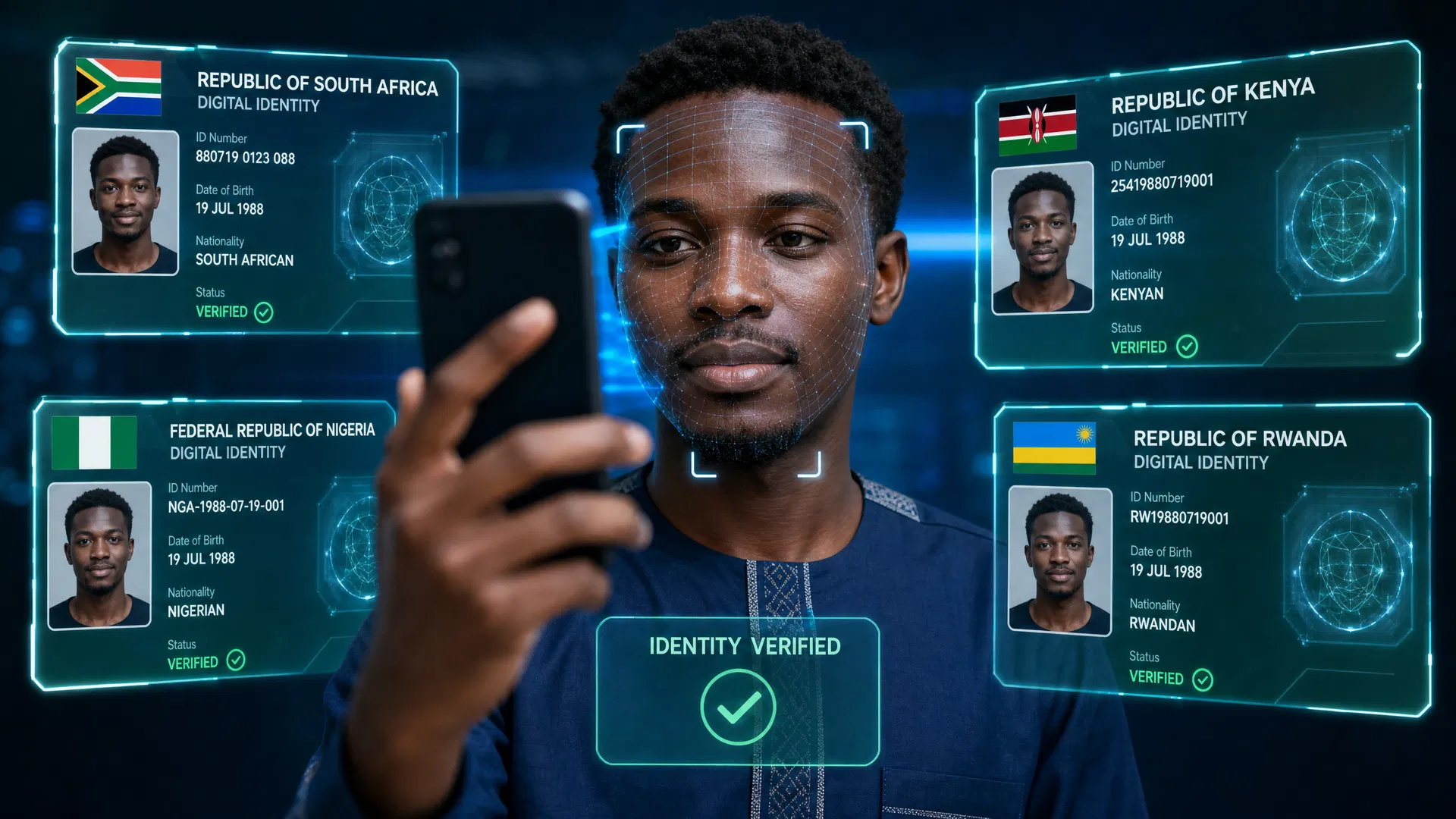
Introduction to Africa's Digital Identity Landscape
The African continent is undergoing a profound digital transformation, with digital identity emerging as a foundational pillar for economic inclusion and financial services. As platforms like AfriVest build sovereign digital asset infrastructure, the need for robust, interoperable, and secure digital identity frameworks has never been more critical. Across the continent, governments and regulatory bodies recognize that a fragmented approach to identity verification stifles innovation and cross-border trade. Consequently, there is a concerted effort to establish comprehensive digital identity regulations that align with international standards such as those set by the Financial Action Task Force (FATF) and the International Organization of Securities Commissions (IOSCO). The evolution of these frameworks is a strategic imperative to unlock the potential of tokenization, central bank digital currencies (CBDCs), and decentralized finance. By establishing a trusted digital identity layer, African nations can leapfrog traditional financial infrastructure, enabling seamless access to global capital markets and fostering unprecedented levels of financial inclusion.
The Regulatory Background and Key Provisions
The regulatory landscape for digital identity in Africa is characterized by a dynamic blend of national legislation and regional harmonization efforts. At the national level, countries are enacting stringent data protection and privacy laws that directly impact how digital identities are created, stored, and managed. For instance, South Africa's Protection of Personal Information Act (POPIA) and Nigeria's Data Protection Act (NDPA) mandate strict consent mechanisms, data minimization, and purpose limitation. Similarly, Kenya's Data Protection Act (DPA), Ghana's Data Protection Act, and Rwanda's Law Relating to the Protection of Personal Data and Privacy (PDPA) impose rigorous obligations on data controllers. Uganda's Data Protection and Privacy Act and Zimbabwe's Cyber and Data Protection Act further illustrate the continent-wide momentum toward comprehensive data governance.
At the regional level, the African Union's Malabo Convention on Cyber Security and Personal Data Protection serves as a guiding framework, encouraging member states to adopt harmonized standards. Key provisions across these legislative instruments typically include the right to be forgotten, mandatory data breach notifications, and restrictions on cross-border data transfers. Furthermore, digital identity frameworks are increasingly incorporating Anti-Money Laundering (AML) and Combating the Financing of Terrorism (CFT) requirements, ensuring that Know Your Customer (KYC) processes are robust and compliant with FATF recommendations.
Compliance Implications for Digital Asset Platforms
For digital asset platforms and fintech operators, navigating this complex regulatory environment presents significant compliance implications. The integration of digital identity solutions must be meticulously designed to adhere to the varying requirements of different jurisdictions. Platforms must implement privacy-by-design principles, ensuring that personal data is encrypted and access is strictly controlled. The reliance on decentralized identity models, such as self-sovereign identity (SSI), is gaining traction as a means to empower users with control over their data while mitigating the risks associated with centralized honeypots.
Moreover, compliance extends beyond mere data protection. Digital asset platforms must ensure that their identity verification processes are capable of supporting advanced financial instruments, including tokenized assets and stablecoins. This requires seamless integration with national identity databases where permissible, and the adoption of international messaging standards like ISO 20022 to facilitate interoperability. Alignment with frameworks from the Financial Stability Board (FSB) and the Organization for Economic Co-operation and Development (OECD) is also critical for platforms seeking to attract institutional investors. Failure to comply with these multifaceted regulations can result in severe penalties, including substantial fines and reputational damage.
Enforcement Mechanisms and Regulatory Oversight
The enforcement of digital identity and data protection regulations across Africa is becoming increasingly rigorous, driven by the establishment of dedicated regulatory authorities. In South Africa, the Information Regulator is empowered to issue enforcement notices and levy administrative fines of up to ZAR 10 million for non-compliance with POPIA. Similarly, the Nigeria Data Protection Commission (NDPC) actively monitors compliance with the NDPA, conducting audits and imposing sanctions on errant organizations. In Kenya, the Office of the Data Protection Commissioner (ODPC) has demonstrated its willingness to enforce the DPA through penalty notices and public reprimands.
Regulatory oversight is also extending to the intersection of digital identity and financial services. Central banks and financial sector conduct authorities are scrutinizing how digital asset platforms implement KYC and AML controls. The collaborative approach between data protection authorities and financial regulators is creating a more cohesive enforcement environment. This dual oversight ensures that platforms not only protect user data but also maintain the integrity of the financial system. As regulatory maturity increases, we can expect more coordinated cross-border enforcement actions, particularly as the African Continental Free Trade Area (AfCFTA) facilitates greater economic integration.
Strategic Preparation for Fintech Operators
To thrive in this evolving regulatory landscape, digital asset platforms and fintech operators must adopt a forward-looking strategy. First and foremost, organizations should conduct comprehensive data mapping and privacy impact assessments to identify and mitigate potential vulnerabilities in their digital identity workflows. Investing in scalable and adaptable compliance technologies, such as automated KYC/AML screening and secure data vaults, is crucial.
Furthermore, platforms should actively engage with regulators and industry associations to stay abreast of impending legislative changes and contribute to the development of industry standards. Building a culture of compliance within the organization, supported by regular training and robust internal governance frameworks, will differentiate market leaders from laggards. As the infrastructure for CBDCs and tokenized assets matures, the ability to seamlessly and securely verify identities across borders will become a significant competitive advantage.
Conclusion: Empowering Africa's Digital Economy
The development of robust digital identity regulations is a cornerstone of Africa's digital economy transformation. By establishing clear frameworks and standards, governments are laying the groundwork for a more inclusive, secure, and efficient financial ecosystem. For platforms like AfriVest, aligning with these regulations is not just about mitigating risk; it is about building trust with institutional investors, policymakers, and the broader public. As the continent continues to embrace digital assets, stablecoins, and decentralized infrastructure, harmonized and forward-thinking digital identity regulations will be the catalyst that unlocks unprecedented economic opportunities. Ultimately, a unified approach to digital identity will drive sustainable growth, facilitate cross-border trade, and ensure that Africa remains at the forefront of the global digital financial revolution.