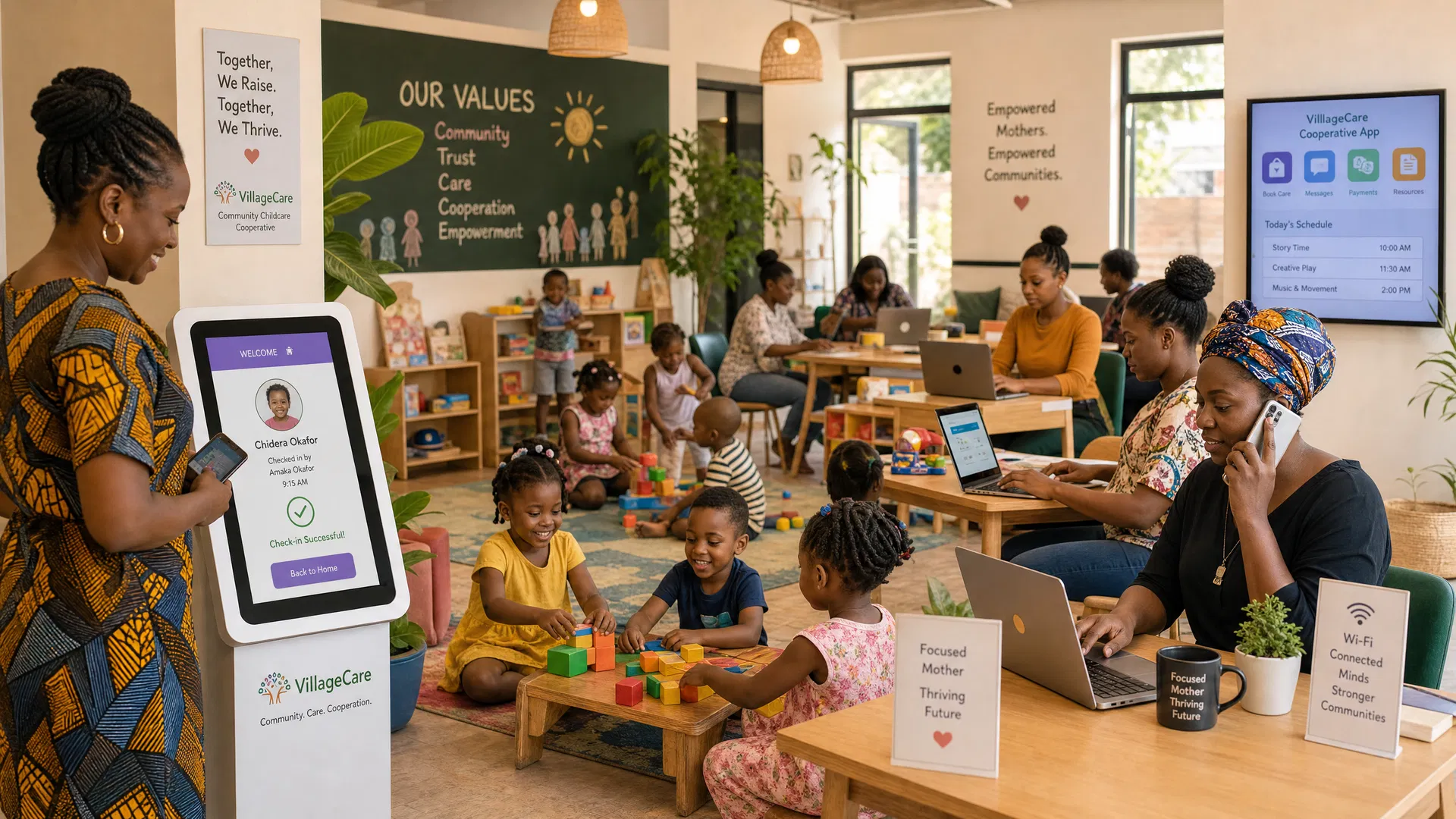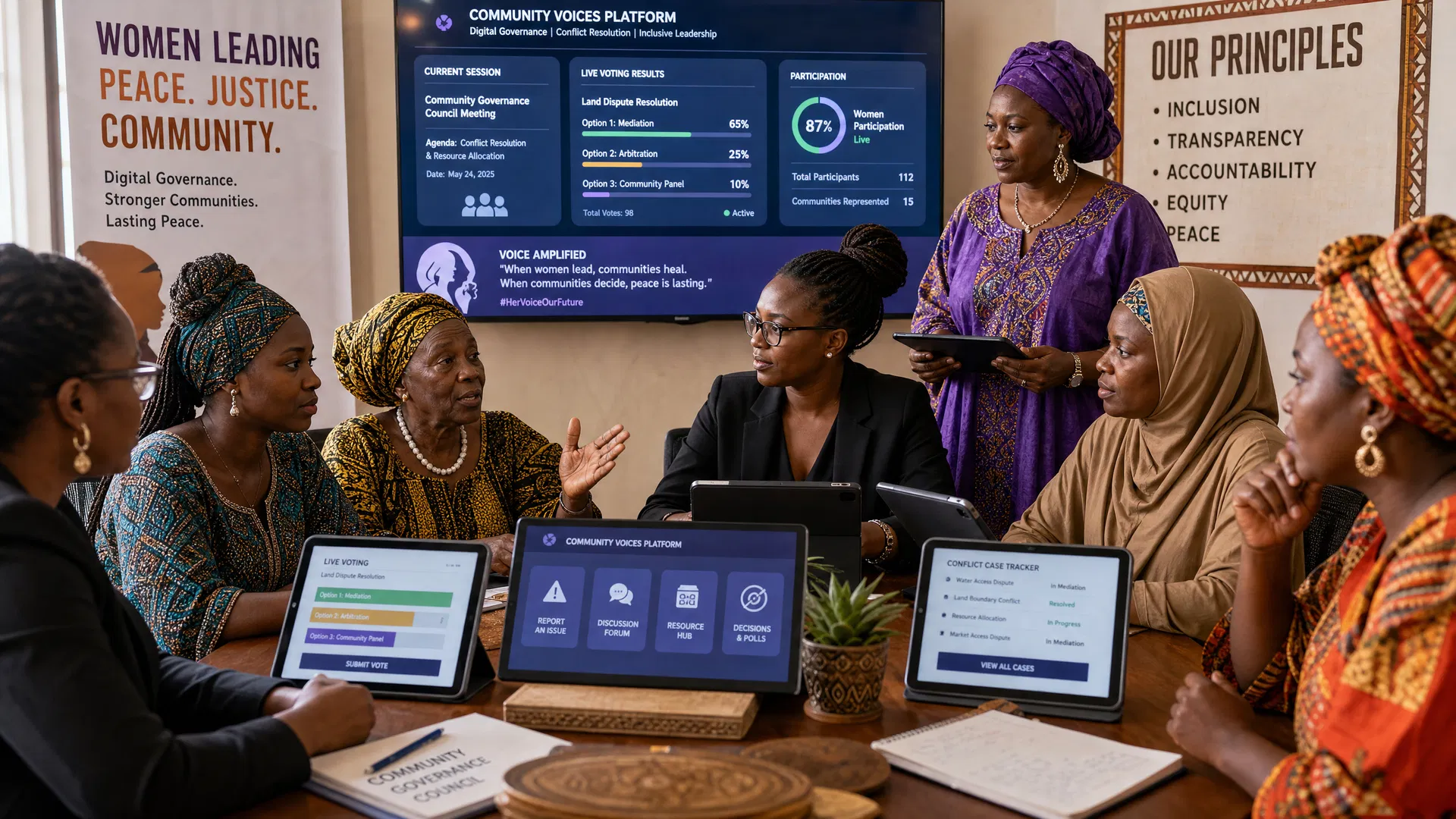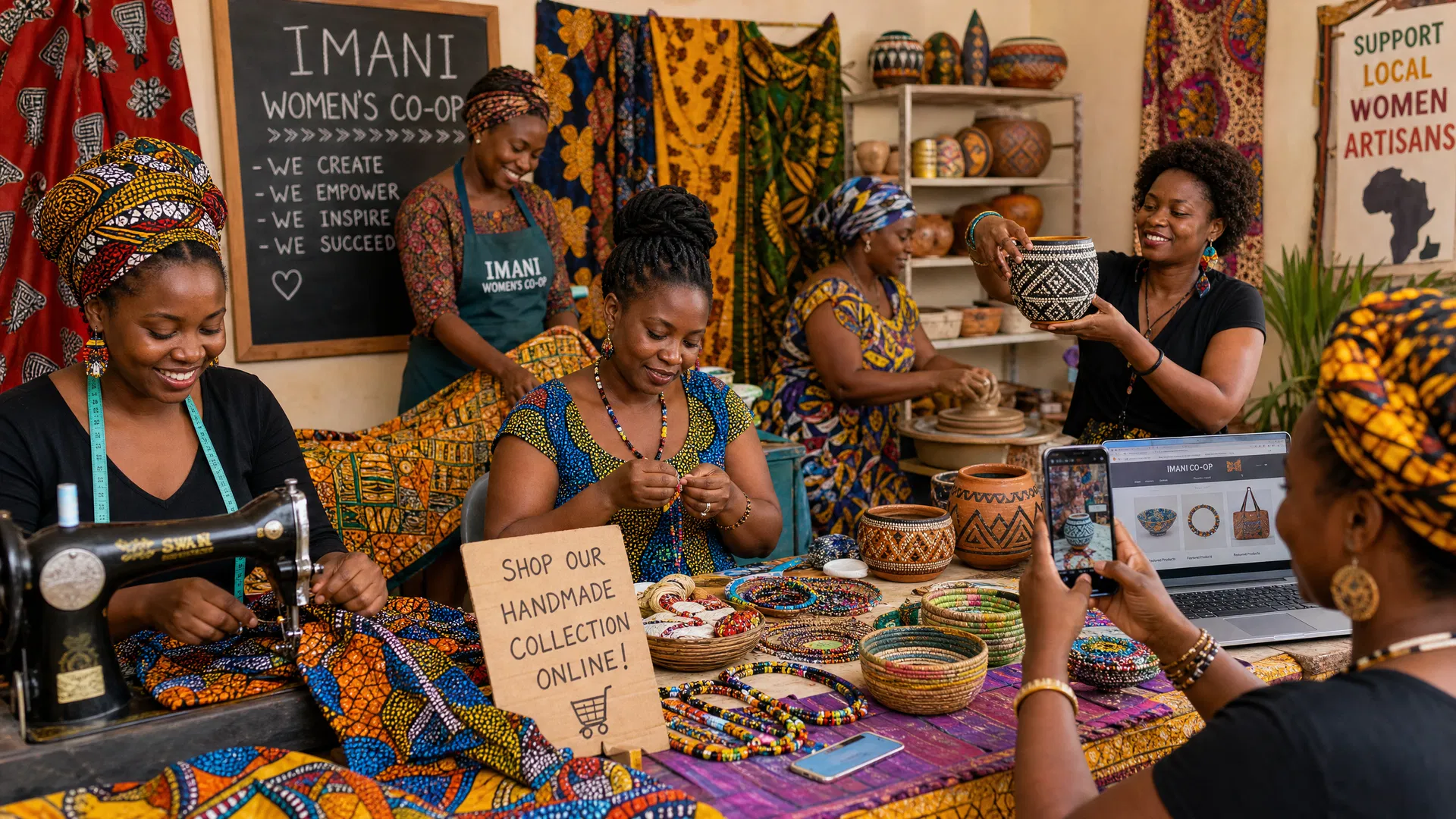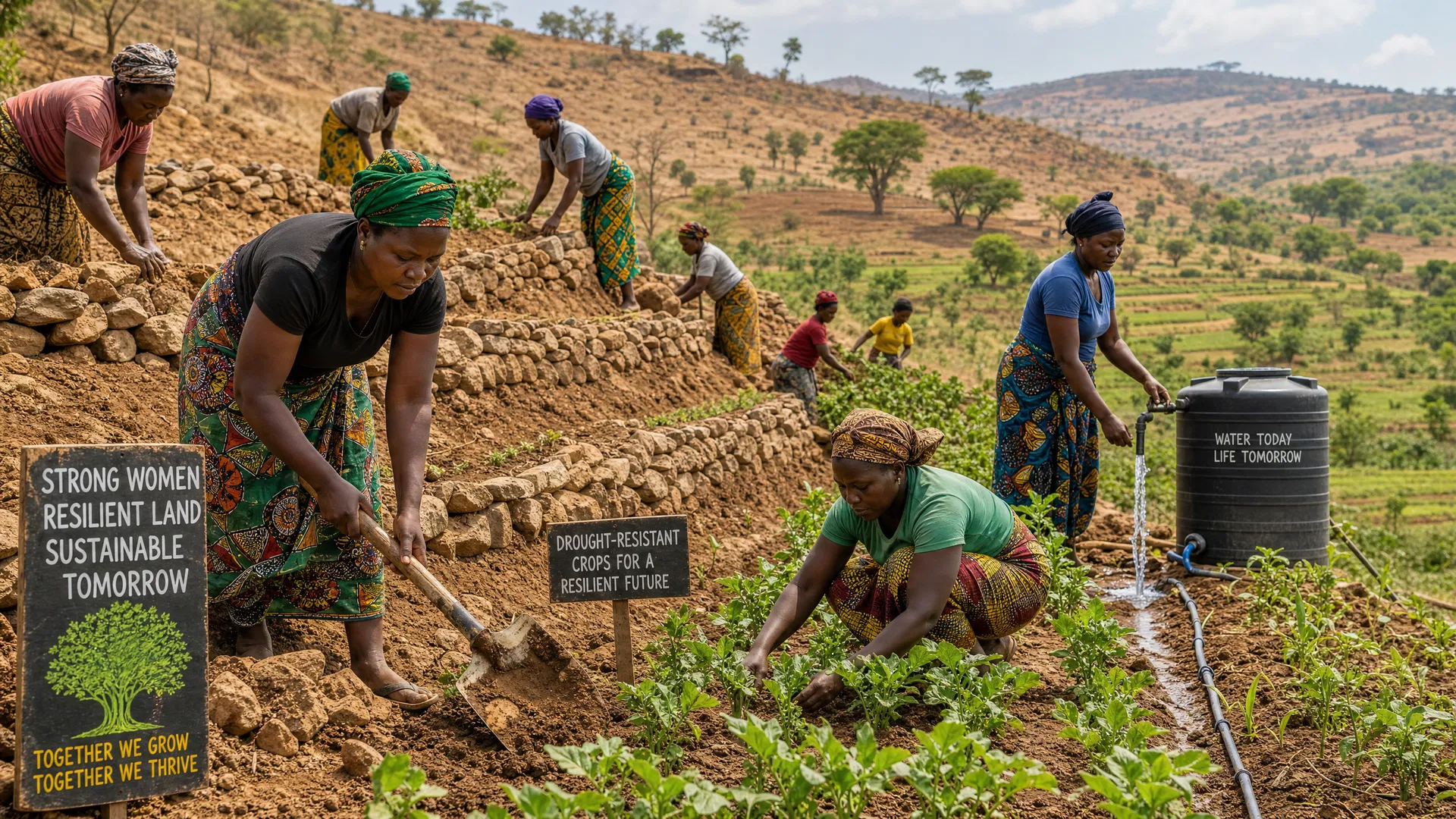
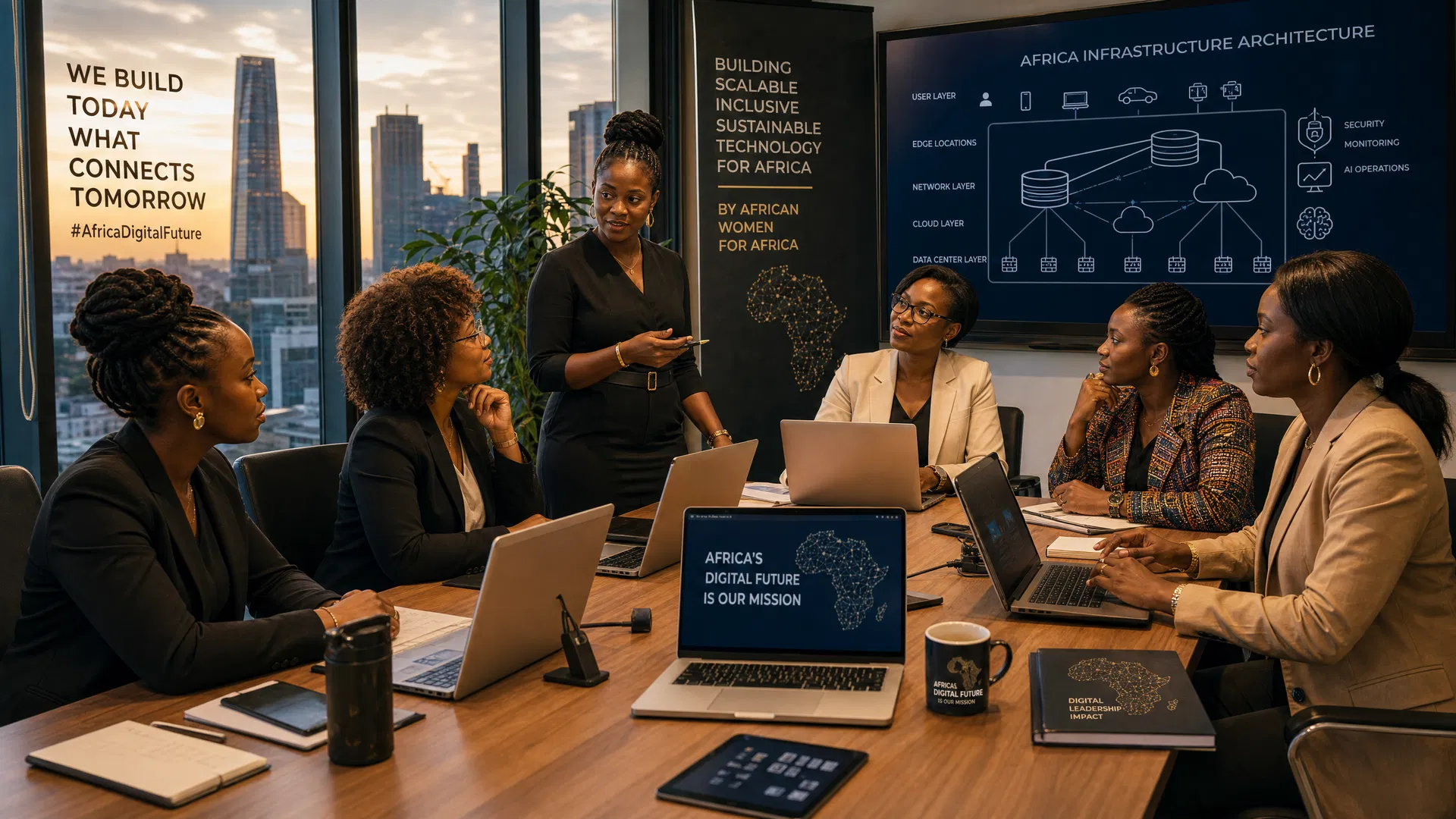
The role of women in technology leadership across Africa is increasingly pivotal as the continent accelerates its journey toward a digitally powered future. Digital infrastructure development, blockchain innovations, and the emergence of asset tokenization are transforming the economic landscape. Yet, these advancements are not only technical challenges but also opportunities for inclusive leadership that embraces gender diversity. Women leaders are at the forefront of building Africa’s digital infrastructure, championing cooperative governance models, and driving financial inclusion through technological innovation.
Africa’s digital economy is expanding rapidly, with GSMA reporting that mobile internet penetration reached 46% across Sub-Saharan Africa in 2023, up from just 27% in 2017. This growth is supported by substantial investments in digital infrastructure, including undersea cables, data centers, and mobile networks. Women in technology leadership roles are critical in shaping how this infrastructure is developed and utilized. In countries like Kenya and Nigeria, women-led tech firms and startups are harnessing digital tools to address local challenges, from mobile banking solutions to health tech platforms, demonstrating leadership that combines technological acumen with social impact.
Blockchain technology and asset tokenization are emerging as transformative forces in Africa’s digital economy. These technologies offer new methods for asset ownership, transparency, and financial inclusion. Women leaders in countries such as Rwanda and South Africa are pioneering blockchain initiatives that democratize access to capital and create new opportunities for underrepresented groups. For instance, in Rwanda, the government’s collaboration with private sector blockchain innovators is aimed at improving land registry systems, a critical area for economic empowerment. Women executives and entrepreneurs play a central role in these projects, bringing a nuanced understanding of community needs and governance challenges.
Tokenization, the process of converting ownership rights of real-world assets into digital tokens on a blockchain, presents immense potential for reshaping asset management and investment in Africa. This technology can unlock liquidity in traditionally illiquid markets such as real estate, agriculture, and art. Women leaders in fintech startups across Lagos and Cape Town are leveraging tokenization platforms to facilitate cooperative ownership models and broaden access to investment. This approach not only fosters financial inclusion but also encourages cooperative governance structures that align with African communal values, empowering both women and marginalized groups.
Despite these advances, women remain underrepresented in the technology sector. According to the World Bank, women constitute only about 30% of Africa’s STEM workforce, and even fewer hold leadership positions. This gender gap in tech leadership is a barrier to realizing the full potential of Africa’s digital transformation. However, targeted initiatives in tech hubs like Nairobi’s iHub and Cape Town’s Silicon Cape are addressing these disparities through mentorship programs, leadership training, and inclusive policy advocacy. These ecosystems cultivate female talent by providing networking opportunities, funding access, and platforms for women to influence tech policy and innovation agendas.
The intersection of digital infrastructure development and women’s leadership has profound implications for financial inclusion, a priority for many African governments and international organizations. The World Bank estimates that nearly half of the adult population in Sub-Saharan Africa remains unbanked, with women disproportionately affected. Digital financial services, powered by robust infrastructure and secure blockchain networks, have the potential to bridge this gap. Women leaders in fintech are designing user-centric platforms that cater to female entrepreneurs and rural populations, enabling secure, affordable, and accessible financial services. These efforts contribute to economic empowerment and resilience, especially in times of crisis such as the COVID-19 pandemic.
Looking ahead, the future of Africa’s digital infrastructure and its governance hinges on inclusive leadership that embraces diversity and innovation. AfriVest envisions a continent where women are not only participants but also architects of the digital economy. Through our platform, which integrates asset tokenization, cooperative governance, and financial inclusion, we are committed to fostering an ecosystem that elevates women leaders and supports their initiatives. By enabling decentralized ownership and transparent governance models, AfriVest empowers communities to take collective control of their digital assets and economic futures, reflecting the rich diversity of Africa’s socio-economic landscape.
In conclusion, women in tech leadership are instrumental in building Africa’s digital infrastructure and driving the continent’s digital transformation. Their contributions in blockchain innovation, asset tokenization, and cooperative governance are unlocking new pathways for inclusive growth and financial inclusion. As digital ecosystems evolve, it is imperative to support and amplify the voices of women leaders who bring unique perspectives and solutions to the challenges of digital development. AfriVest remains dedicated to this vision, providing the tools, networks, and platforms necessary to ensure that Africa’s digital future is equitable, sustainable, and led by diverse talents. Through collective effort and strategic empowerment, the continent can harness the full potential of its digital revolution, with women at the helm of progress.