
Overview of GDPR-Inspired Regulations in Africa
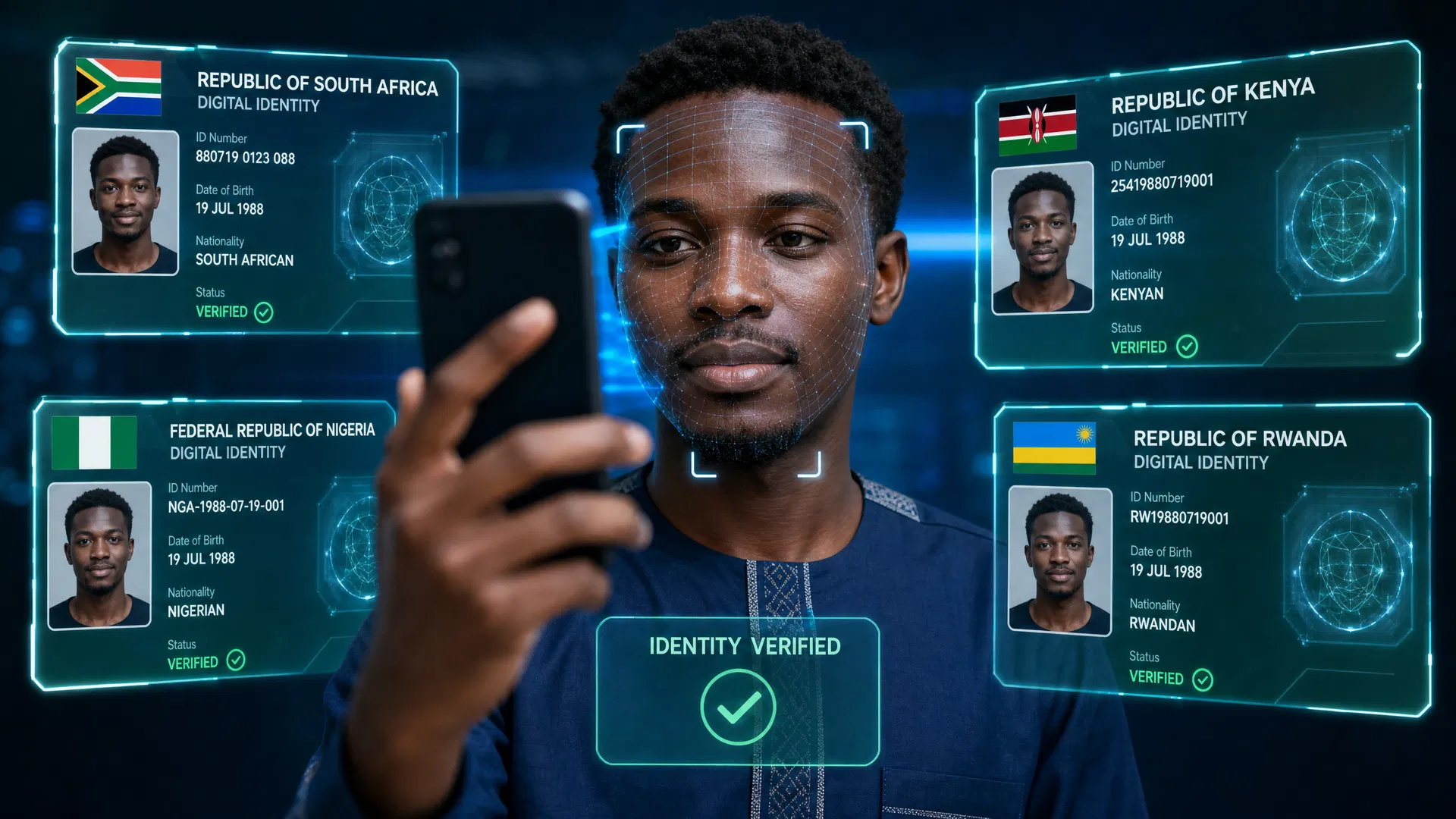
The General Data Protection Regulation (GDPR), enacted by the European Union in 2018, has become a global benchmark for data protection laws. Its influence extends far beyond Europe, shaping regulatory frameworks worldwide, including in Africa. Several African nations and regional bodies have begun adopting GDPR-inspired regulations to address growing concerns around data privacy, digital identity, and cybersecurity. This trend reflects the continent’s increasing engagement with digital finance and blockchain technologies, where sensitive personal and transactional data are core components.
African blockchain startups, operating in a rapidly evolving digital economy, face complex compliance challenges due to these regulations. GDPR principles such as data minimization, user consent, and the right to be forgotten are being integrated into local laws, including Nigeria’s Data Protection Regulation (NDPR) and South Africa’s Protection of Personal Information Act (POPIA). These frameworks aim to protect citizens’ data while enabling innovative fintech solutions, including tokenization and blockchain compliance initiatives across the continent.
Implications for African Blockchain Startups
African blockchain startups operate at the intersection of digital finance Africa and emerging technology, where data protection is paramount. GDPR-inspired regulations impose stringent requirements on how startups collect, store, and process personal data. For instance, blockchain’s inherent immutability challenges the GDPR principle of data erasure, necessitating innovative technical and legal solutions. Startups must now incorporate privacy-by-design strategies to ensure compliance without compromising blockchain’s decentralized advantages.
Compliance costs have increased, as startups invest in legal counsel, data protection officers, and secure infrastructure. However, the heightened regulatory environment also presents opportunities. By adhering to stringent data protection standards, African blockchain startups can build trust with institutional investors and global partners. This trust is critical given the continent’s growing digital economy, which, according to the World Bank, is expected to reach $180 billion in digital finance by 2025. Startups that align with GDPR-inspired regulations position themselves favorably for cross-border collaborations and tokenization projects.
Data Protection and Tokenization Regulations
Tokenization—the process of converting assets into digital tokens on a blockchain—has garnered significant interest in Africa. It promises enhanced liquidity, transparency, and financial inclusion. However, tokenization amplifies data protection concerns, especially when personal data is embedded in token metadata or smart contracts. GDPR-inspired regulations require clear protocols on data ownership, access rights, and consent management within token ecosystems.
African regulators are increasingly incorporating these considerations into tokenization regulations. For example, Kenya’s Data Protection Act mandates that token issuers disclose how personal data is handled throughout a token’s lifecycle. Similarly, the African Union’s Digital Financial Services framework emphasizes compliance with international data protection standards to foster a secure environment for blockchain innovation. These regulatory developments encourage blockchain startups to implement robust compliance frameworks, which include encryption, anonymization, and user-centric consent mechanisms.
Blockchain Compliance Challenges and Solutions in Africa
Achieving blockchain compliance in Africa is complicated by the continent’s diverse regulatory landscape and technological infrastructure disparities. Many African countries lack fully harmonized data protection laws, creating uncertainty for startups operating across borders. Additionally, limited digital literacy and infrastructural constraints can hinder effective implementation of GDPR-inspired rules. For instance, inconsistent internet access impacts the ability to provide users with real-time consent options or data access requests.
Despite these challenges, African blockchain startups are adopting innovative solutions to navigate compliance. Privacy-enhancing technologies (PETs) such as zero-knowledge proofs and secure multi-party computation are gaining traction to reconcile blockchain transparency with data privacy. Startups are also partnering with regulatory bodies to pilot sandbox environments that test compliance models without stifling innovation. Notably, South Africa’s Financial Sector Conduct Authority has launched a regulatory sandbox that facilitates blockchain compliance testing, encouraging startups to refine their approaches to GDPR-inspired regulations.
The Role of GDPR-Inspired Regulations in Africa’s Digital Economy Transformation
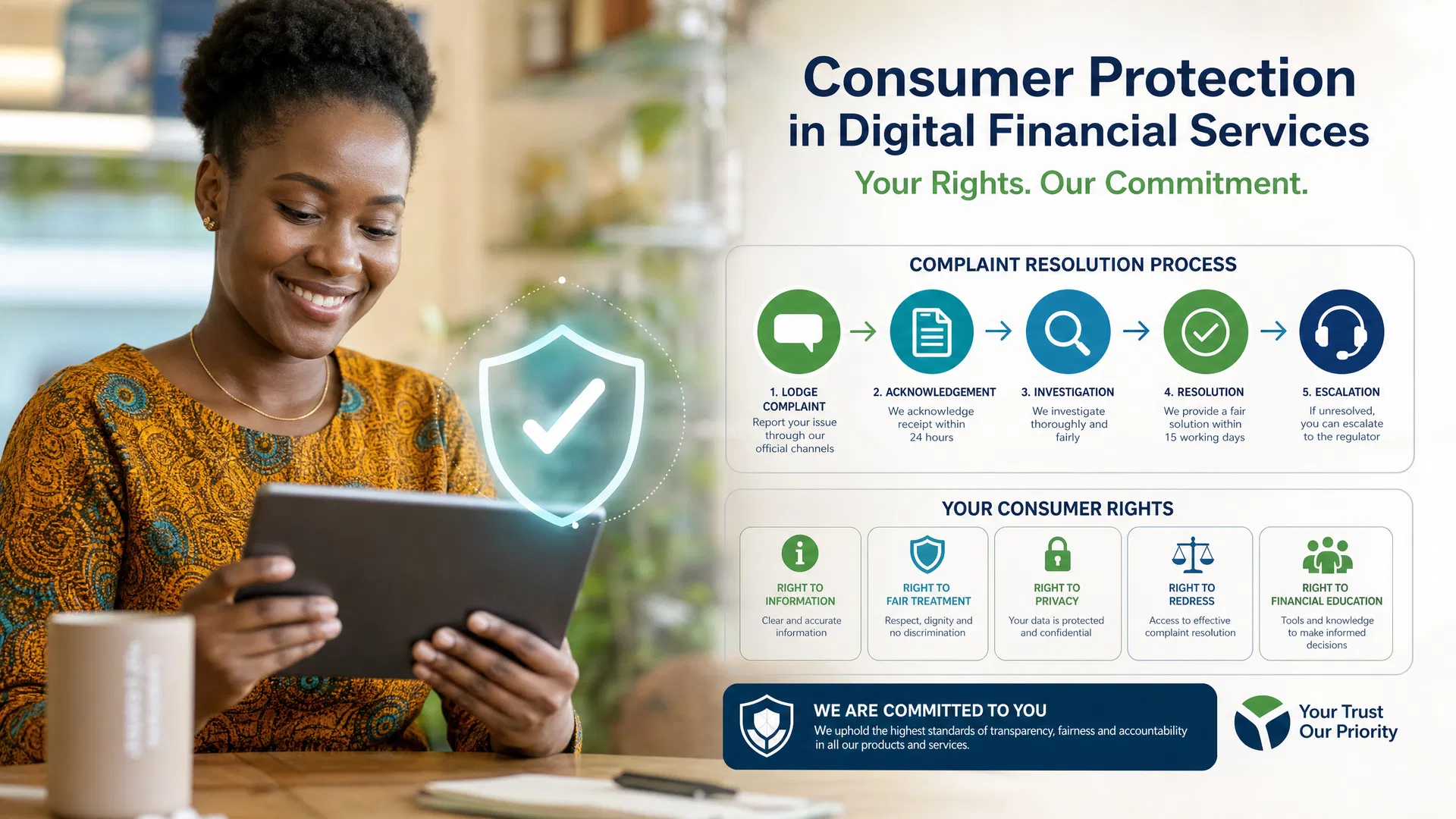
Africa’s digital economy transformation is fueled by increased internet penetration, mobile money adoption, and digital finance innovations. GDPR-inspired regulations play a critical role in underpinning this transformation by establishing a secure and trustworthy digital environment. These regulations enhance consumer confidence, enabling broader adoption of blockchain and digital finance solutions that rely on personal data and tokenized assets.
Institutional investors and policymakers view compliance with GDPR-like standards as a marker of maturity in African blockchain ecosystems. The ability of startups to meet these standards signals readiness for integration into global markets and access to international capital. Furthermore, the regulatory emphasis on data protection supports sustainable digital finance growth by mitigating risks related to data breaches and cyber fraud. This regulatory foundation is essential for scaling tokenization projects that can unlock new investment channels and deepen financial inclusion across the continent.
Future Outlook: Opportunities in Digital Infrastructure and Regulation
Looking ahead, GDPR-inspired data protection regulations will continue shaping the trajectory of African blockchain startups and the broader digital finance sector. As African governments enhance regulatory harmonization efforts, a more cohesive compliance landscape will emerge, fostering innovation while safeguarding data privacy. This evolution presents opportunities for startups to leverage advanced blockchain solutions that integrate tokenization with robust data protection measures.
Investment in digital infrastructure, such as cloud computing and secure data centers, will be pivotal to supporting these regulatory requirements. Moreover, capacity-building initiatives aimed at improving digital literacy and regulatory understanding among stakeholders will facilitate smoother compliance. Policymakers and institutional investors have a unique opportunity to drive Africa’s digital economy forward by championing frameworks that balance innovation with privacy and security. Ultimately, GDPR-inspired regulations will act as a catalyst for building resilient, scalable blockchain ecosystems that can propel Africa’s digital finance ambitions onto the global stage.