# Consumer Protection in Digital Financial Services: African Regulatory Frameworks
The rapid expansion of digital financial services across the African continent has catalyzed unprecedented levels of financial inclusion, transforming how individuals and businesses interact with the global economy. As digital assets, tokenization, and central bank digital currencies (CBDCs) gain traction, regulatory bodies are increasingly focused on establishing robust consumer protection frameworks. For institutional investors, policymakers, and fintech operators, understanding this evolving regulatory landscape is essential for navigating the complexities of Africa's digital economy. AfriVest, as a pioneer in building Africa's sovereign digital asset infrastructure, recognizes that aligning with both international standards and regional data protection laws is fundamental to fostering trust and ensuring sustainable growth in the digital financial sector.
The Regulatory Background of Digital Financial Services in Africa
The regulatory environment for digital financial services in Africa is characterized by a dynamic interplay between innovation and the imperative to safeguard consumers. Historically, financial regulation in many African jurisdictions was designed for traditional banking models, leaving significant gaps when applied to the fast-paced world of fintech and digital assets. However, recognizing the transformative potential of these technologies, regulators are now proactively updating their frameworks. This shift is driven by the need to mitigate risks such as fraud, data breaches, and systemic instability, while simultaneously promoting financial inclusion and economic development.
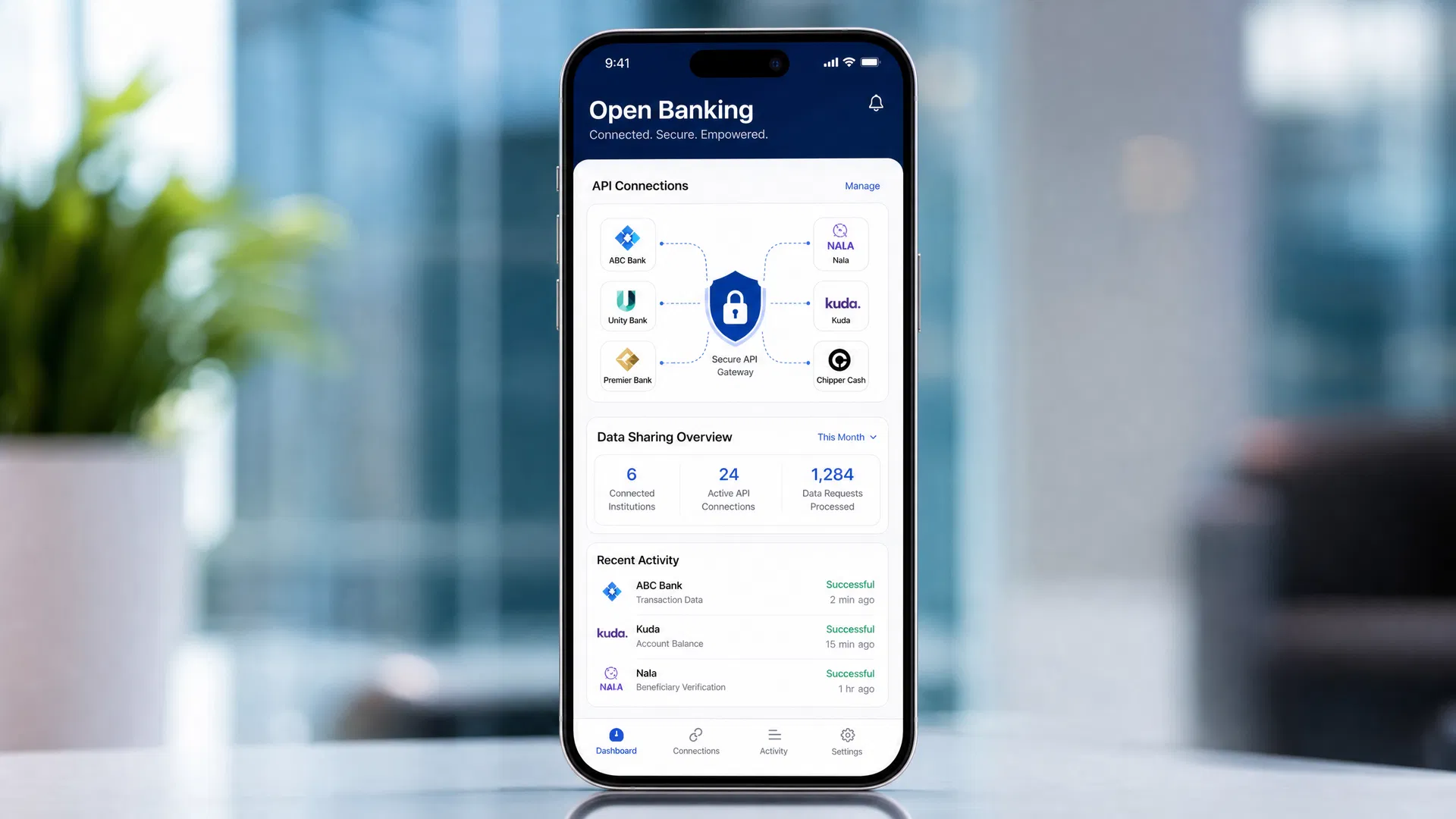
International bodies, including the Financial Action Task Force (FATF), the International Organization of Securities Commissions (IOSCO), and the Financial Stability Board (FSB), have provided foundational guidelines that African regulators are adapting to their unique contexts. Furthermore, the integration of standards like ISO 20022 is facilitating interoperability and enhancing the efficiency of cross-border transactions. At the regional level, the African Union's Malabo Convention on Cyber Security and Personal Data Protection serves as a critical benchmark, encouraging member states to harmonize their approaches to data privacy and consumer rights in the digital sphere.
Key Provisions in African Data Protection Legislation
A cornerstone of consumer protection in digital financial services is the robust safeguarding of personal and financial data. Across the continent, a wave of comprehensive data protection legislation has been enacted, reflecting a growing commitment to privacy rights. South Africa's Protection of Personal Information Act (POPIA), which came into full effect in 2021, sets stringent requirements for the processing of personal information, emphasizing consent, purpose specification, and data minimization. Similarly, Nigeria's Data Protection Act (NDPA) of 2023 establishes a clear legal framework for data processing, mandating the appointment of data protection officers and imposing strict penalties for non-compliance.
Other jurisdictions are also making significant strides. The Data Protection Act (DPA) of Kenya (2019) and the DPA of Ghana (2012) provide comprehensive rights to data subjects, including the right to access, correct, and erase their data. Rwanda's Law relating to the Protection of Personal Data and Privacy (PDPA), enacted in 2021, and Uganda's Data Protection and Privacy Act of 2019 further reinforce these principles. Zimbabwe's Cyber and Data Protection Act, introduced in 2021, addresses the intersection of cybersecurity and data privacy. For platforms like AfriVest, compliance with these diverse yet interconnected laws is a strategic imperative to build user confidence.
Compliance Implications for Digital Asset Platforms
The proliferation of data protection laws and consumer protection frameworks presents complex compliance challenges for digital asset platforms operating in Africa. These platforms must implement robust governance structures to ensure that data is collected, processed, and stored in accordance with the specific requirements of each jurisdiction. This involves conducting regular data protection impact assessments, implementing privacy-by-design principles in the development of new products and services, and establishing clear protocols for responding to data breaches.
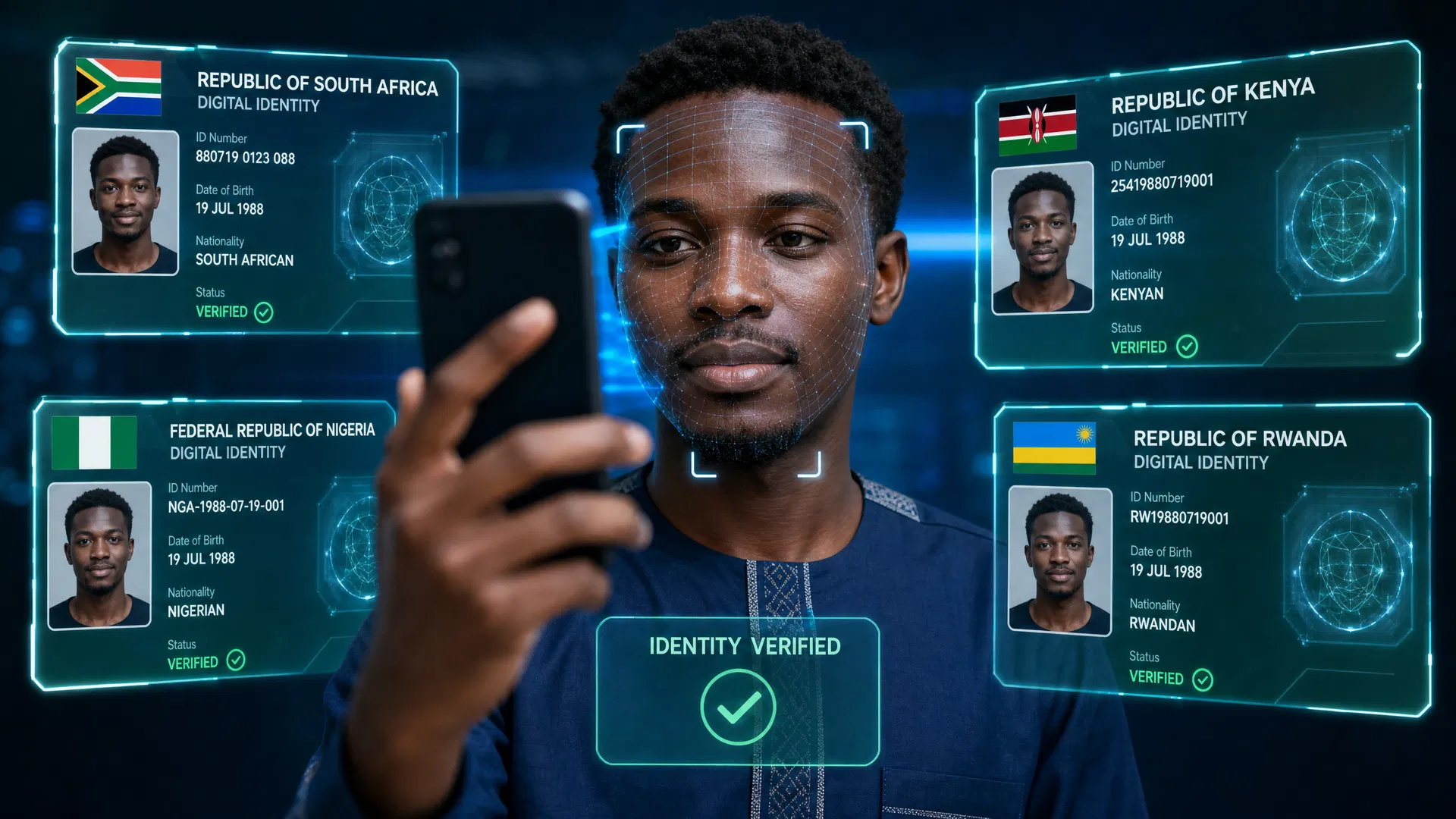
Furthermore, the integration of digital identity solutions, a key component of AfriVest's infrastructure, requires meticulous attention to consent mechanisms and data security. As platforms explore tokenization and the issuance of stablecoins, they must also navigate the regulatory expectations surrounding anti-money laundering (AML) and combating the financing of terrorism (CFT). Aligning with FATF recommendations and local AML regulations is crucial to preventing illicit activities and maintaining the integrity of the financial system.
Enforcement Mechanisms and Regulatory Oversight
To ensure the efficacy of consumer protection frameworks, African regulators are strengthening their enforcement mechanisms and oversight capabilities. Data protection authorities, such as the Information Regulator in South Africa and the Data Protection Commission in Ghana, are increasingly active in investigating complaints, conducting audits, and imposing administrative fines for non-compliance. These bodies are also collaborating with central banks and financial sector regulators to address the unique challenges posed by digital financial services.
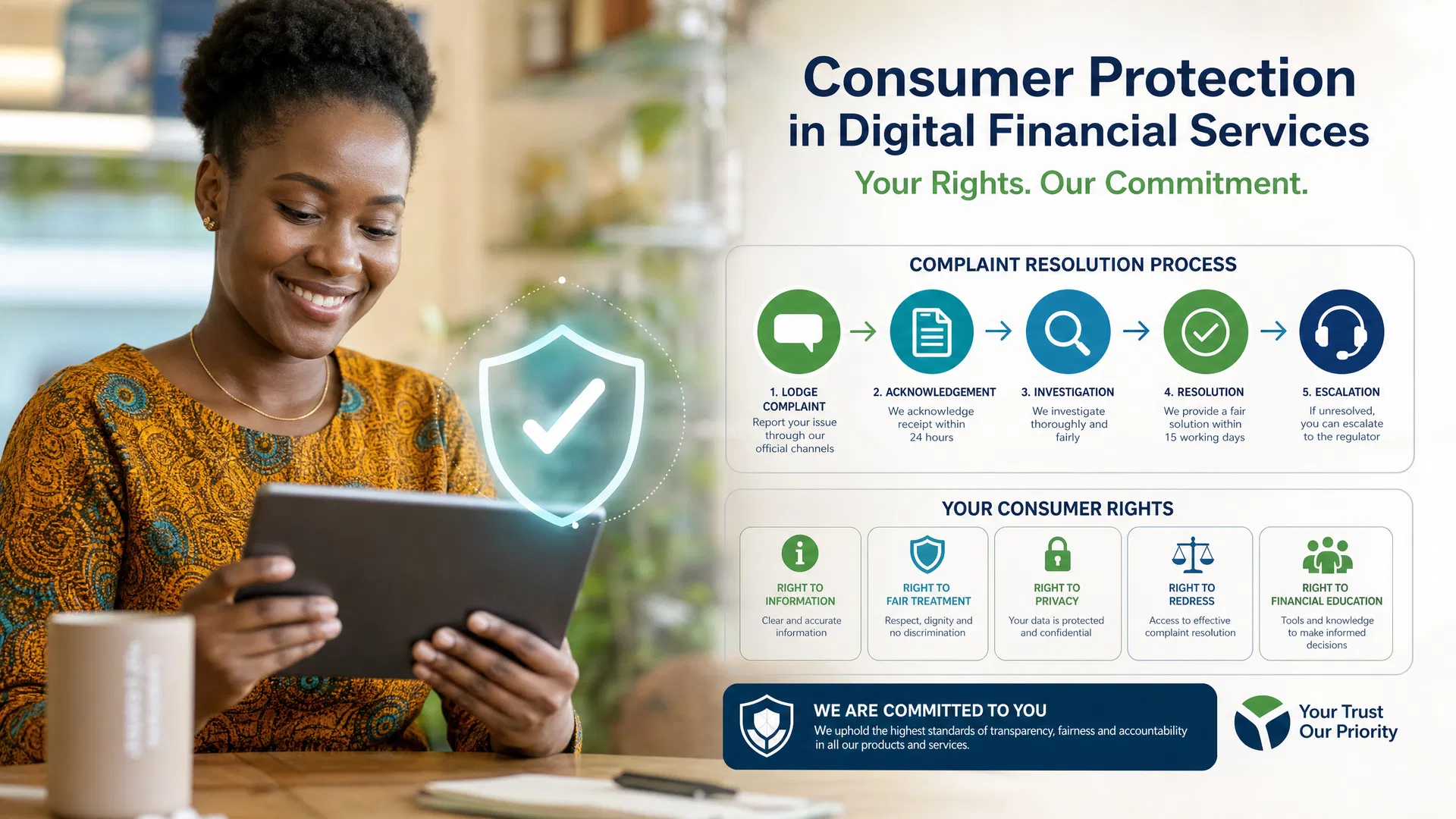
The Central Bank of Kenya, for instance, has proposed a comprehensive Financial Consumer Protection Framework that aims to unify oversight across various regulatory bodies, ensuring a coordinated approach to safeguarding consumers. Similarly, the Central Bank of Nigeria has been proactive in enhancing its consumer protection guidelines, emphasizing transparency, fair treatment, and effective dispute resolution mechanisms. For digital asset platforms, this heightened regulatory scrutiny necessitates a proactive approach to compliance, characterized by transparent communication with regulators and a demonstrated commitment to consumer protection principles.
Preparing for the Future of Africa's Digital Economy
As Africa's digital economy continues its rapid expansion, the regulatory landscape will inevitably evolve to address emerging technologies and novel financial models. The development of central bank digital currencies (CBDCs), guided by frameworks from the International Monetary Fund (IMF), presents both opportunities and challenges for consumer protection. Platforms must anticipate these shifts and build adaptable infrastructure that can seamlessly integrate new regulatory requirements.
AfriVest's commitment to building sovereign digital asset infrastructure positions it at the forefront of this transformation. By prioritizing compliance with regional data protection laws and international standards, the platform is not only mitigating risks but also actively contributing to the development of a secure, inclusive, and resilient digital financial ecosystem. For institutional investors and fintech operators, the message is clear: robust consumer protection is the bedrock upon which the future of Africa's digital economy will be built. Embracing these regulatory frameworks is essential for unlocking the full potential of digital assets.