Introduction to the ISO 20022 Standard and African Context
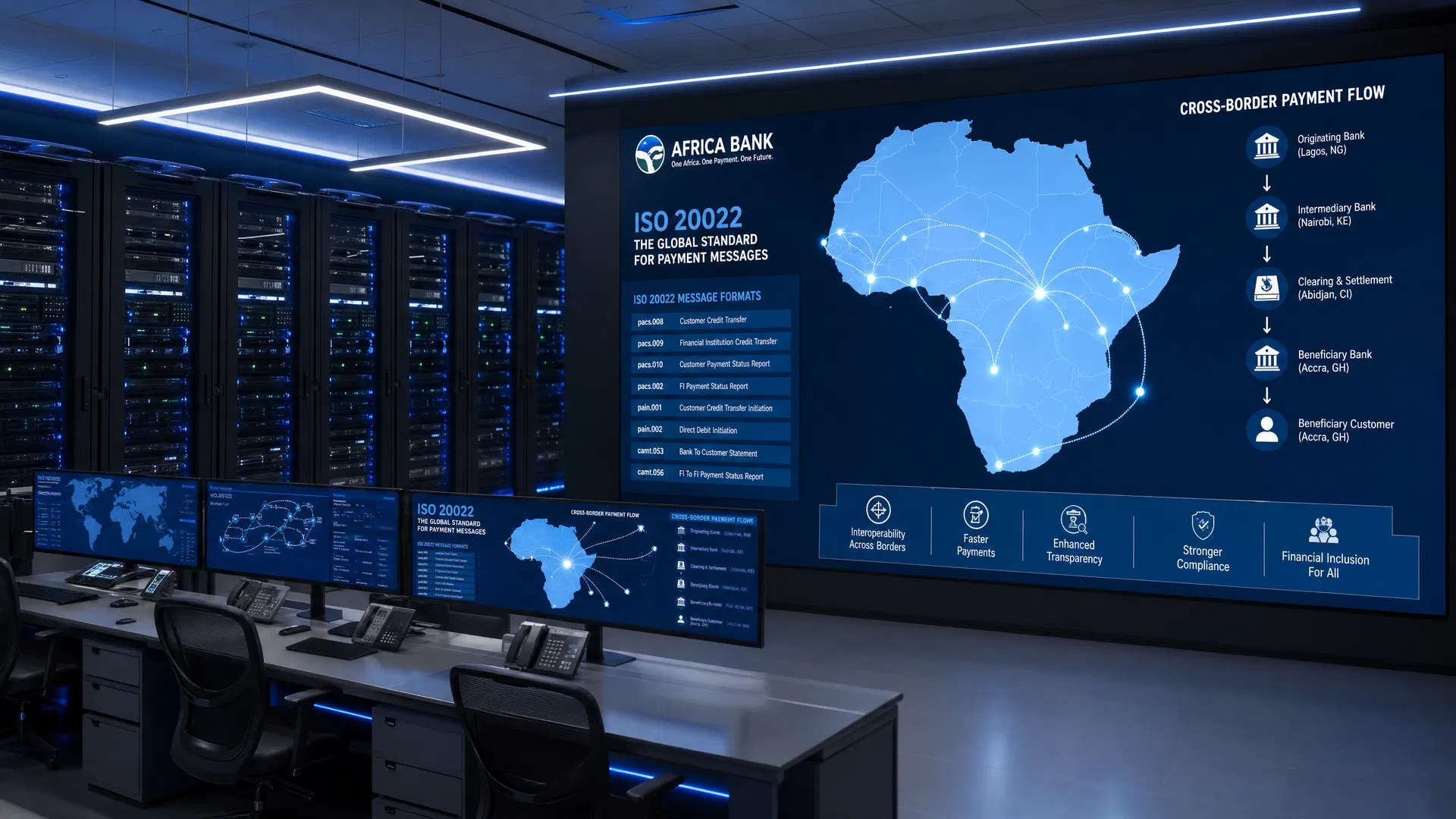
The global financial ecosystem is undergoing a profound structural shift with the universal adoption of the ISO 20022 messaging standard, a transition that holds particular significance for the African continent. As Africa accelerates its integration into the global digital economy, the modernization of cross-border payment infrastructure has emerged as a critical regulatory and operational imperative. ISO 20022, developed by the International Organization for Standardization, provides a common language and model for electronic data interchange between financial institutions. For African markets, which have historically grappled with fragmented payment systems, high remittance costs, and limited interoperability, this migration represents a foundational upgrade. The standard facilitates richer, more structured data transmission, enabling enhanced straight-through processing, improved regulatory reporting, and robust compliance with international anti-money laundering frameworks. As central banks and regional payment switches across the continent mandate the adoption of ISO 20022, institutional investors, policymakers, and fintech operators must navigate a complex transition that redefines the operational architecture of African finance.
Regulatory Background and the Push for Interoperability
The regulatory impetus for ISO 20022 migration in Africa is driven by a confluence of domestic modernization agendas and international compliance mandates. The Financial Stability Board (FSB) and the Committee on Payments and Market Infrastructures (CPMI) have consistently highlighted the adoption of ISO 20022 as a cornerstone for enhancing cross-border payments. In alignment with these global directives, African regulatory bodies have initiated phased migration strategies. For instance, the South African Reserve Bank (SARB) successfully migrated its real-time gross settlement (RTGS) system to ISO 20022 in 2022, setting a benchmark for the Southern African Development Community (SADC). Similarly, the Central Bank of Nigeria (CBN) and the Central Bank of Kenya (CBK) have integrated ISO 20022 compliance into their national payment system visions. Furthermore, the Pan-African Payment and Settlement System (PAPSS) leverages ISO 20022 to facilitate seamless intra-African trade. This coordinated regulatory push underscores a continent-wide commitment to dismantling financial silos and establishing a cohesive, interoperable payment infrastructure that aligns with the stringent requirements of the Financial Action Task Force (FATF) and the Bank for International Settlements (BIS).
Key Provisions and Data Richness of the Standard
At the core of the ISO 20022 standard is its extensible markup language (XML) format, which accommodates significantly larger volumes of structured data compared to legacy messaging formats such as MT. This data richness is the primary catalyst for the standard's transformative potential. Key provisions of ISO 20022 include the mandatory inclusion of comprehensive originator and beneficiary information, purpose of payment codes, and structured remittance data. For African financial institutions, this means the ability to transmit detailed transaction narratives that were previously truncated or lost in translation between disparate systems. The standard also introduces dedicated data fields for regulatory reporting, enabling automated and precise extraction of compliance-related information. By standardizing the syntax and semantics of financial messages, ISO 20022 eliminates the ambiguity that often plagues cross-border transactions, thereby reducing the incidence of false positives in sanctions screening and transaction monitoring. This enhanced data fidelity is crucial for Africa, where informal cross-border trade and complex remittance corridors necessitate rigorous oversight to mitigate illicit financial flows.
Compliance Implications and Enforcement Mechanisms
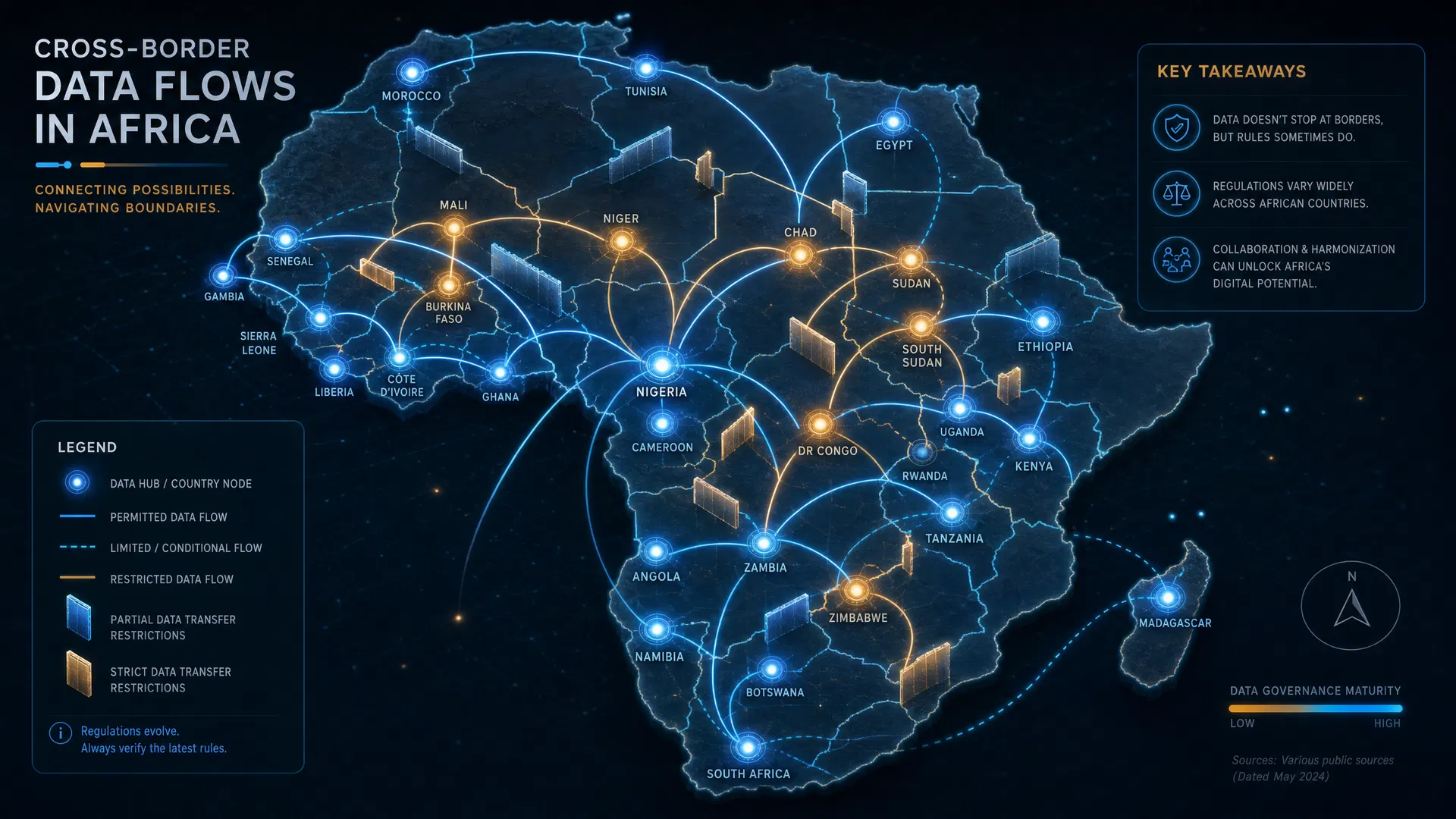
The transition to ISO 20022 introduces substantial compliance implications for financial institutions and digital asset platforms operating in Africa. The enhanced data requirements necessitate comprehensive upgrades to core banking systems, payment gateways, and compliance engines. Institutions must ensure that their infrastructure can generate and process ISO 20022 messages while securely storing the expanded data payloads in accordance with regional data protection laws, such as South Africa's Protection of Personal Information Act (POPIA), the Nigeria Data Protection Act (NDPA), and the Malabo Convention. Enforcement mechanisms are primarily driven by central banks and regional payment operators, which have established strict timelines for the decommissioning of legacy messaging formats. Failure to comply with these migration deadlines can result in exclusion from national RTGS systems and regional payment networks, effectively severing an institution's ability to process high-value transactions. Furthermore, regulatory authorities are increasingly leveraging the structured data provided by ISO 20022 to conduct proactive, data-driven supervision, penalizing entities that exhibit systemic deficiencies in data quality or anti-money laundering controls.
Strategic Preparation for Digital Asset Platforms
For digital asset platforms and fintech operators, the ISO 20022 migration is not merely a compliance exercise but a strategic opportunity to embed themselves within the formal financial infrastructure. Platforms building sovereign digital asset infrastructure, including central bank digital currencies (CBDCs) and regulated stablecoins, must natively integrate ISO 20022 standards to ensure interoperability with traditional fiat systems. Preparation requires a multi-faceted approach. First, platforms must conduct comprehensive gap analyses to assess the readiness of their existing messaging architectures and data models. Second, they must implement robust data governance frameworks to manage the lifecycle of the enriched transaction data, ensuring alignment with both financial regulations and privacy mandates like the Data Protection Act of Kenya and the PDPA of Rwanda. Third, digital asset operators should leverage the structured data capabilities of ISO 20022 to develop advanced compliance solutions, such as real-time transaction monitoring and predictive risk analytics. By proactively adopting the standard, digital asset platforms can demonstrate regulatory maturity, thereby fostering trust with institutional investors and central bank partners.
Conclusion: Accelerating Africa's Digital Economy Transformation
The migration to the ISO 20022 standard represents a watershed moment in the evolution of Africa's financial infrastructure. By establishing a unified, data-rich language for cross-border payments, the standard addresses the historical fragmentation that has impeded intra-African trade and financial inclusion. For policymakers, it provides the transparency and oversight necessary to safeguard the financial system against illicit activities while promoting economic integration under the AfCFTA framework. For institutional investors and digital asset platforms, ISO 20022 offers the interoperability required to deploy innovative financial products, from tokenized securities to cross-border stablecoin remittances, at scale. As the continent continues to build its sovereign digital asset infrastructure, the rigorous implementation of ISO 20022 will serve as the bedrock for a more resilient, efficient, and globally integrated African digital economy.