The Landscape of Cross-Border Payments in Africa
Cross-border payments in Africa have historically been fraught with challenges including high transaction costs, lengthy processing times, and regulatory fragmentation across countries. According to the World Bank, remittance flows to Sub-Saharan Africa reached $48 billion in 2022, underscoring the critical role of cross-border transactions in the region’s economies. However, traditional banking systems and money transfer operators have struggled to efficiently serve the continent’s largely unbanked population, especially in rural areas. This has created a pressing demand for innovative payment solutions that can lower costs, increase speed, and enhance accessibility.
Mobile money services have emerged as a revolutionary tool in Africa’s digital finance ecosystem, transforming the landscape of domestic and cross-border payments. With over 600 million registered mobile money accounts across the continent, Africa leads global adoption rates in mobile financial services. Countries such as Kenya, Ghana, and Nigeria have demonstrated how mobile money platforms can facilitate cross-border remittances and payments, bypassing conventional banking hurdles. The proliferation of mobile money has not only increased financial inclusion but also set the stage for the integration of more advanced technologies such as blockchain.
Mobile Money’s Role in Facilitating Cross-Border Payments
Mobile money platforms like M-Pesa, MTN Mobile Money, and Airtel Money have become integral to cross-border payments within Africa. These services allow users to send and receive money across borders quickly and at a fraction of the cost of traditional money transfer operators. For example, in East Africa, M-Pesa’s interoperability with other mobile money providers has improved remittance corridors between Kenya, Tanzania, and Uganda, reducing transfer times to minutes and fees to as low as 2-3%. This has directly benefited millions of migrant workers and their families, enabling smoother financial flows that support local economies.
Beyond cost and speed, mobile money solutions have enhanced transparency and security for cross-border transactions. Digital records reduce the risks associated with cash handling and allow for easier tracking and compliance with anti-money laundering (AML) and know-your-customer (KYC) regulations. Mobile money’s success in these areas has encouraged policymakers to explore regulatory frameworks that support interoperability and cross-border integration, fostering a more unified financial ecosystem across African markets.
The Emergence of Blockchain Payments in Africa
While mobile money has significantly advanced cross-border payments in Africa, blockchain technology presents the next frontier for digital finance innovation. Blockchain payments harness distributed ledger technology to enable secure, transparent, and near-instantaneous transfers without intermediaries. This capability is particularly valuable for cross-border payments Africa, where traditional correspondent banking networks are often inefficient or non-existent.
Several African startups and financial institutions are pioneering blockchain-based payment solutions. For instance, BitPesa (now AZA Finance) uses blockchain to facilitate cheaper and faster payments between African countries and global markets, cutting remittance costs by up to 70%. Additionally, central banks across Africa are exploring central bank digital currencies (CBDCs) built on blockchain infrastructure to enhance cross-border payment efficiency and financial sovereignty. Nigeria’s eNaira and the Bank of Ghana’s digital currency pilot project exemplify this trend, aiming to reduce reliance on cash and streamline cross-border settlements.
Tokenization and Its Potential Impact on African Cross-Border Finance
Tokenization—converting physical or financial assets into digital tokens on a blockchain—holds transformative potential for Africa’s cross-border payments and broader digital economy. Tokenized assets can represent currencies, commodities, or even real estate, enabling frictionless transfer and fractional ownership across borders. This innovation could unlock liquidity and investment opportunities that were previously inaccessible to many African businesses and individuals.
For example, tokenization can facilitate real-time trade finance and supply chain payments between African countries, reducing the need for cumbersome paperwork and intermediaries. Projects like the African Digital Asset Exchange (ADAEX) are working to create platforms where tokenized assets can be traded securely, driving greater integration within Pan-African markets. Tokenization also aligns with broader digital finance Africa initiatives aimed at increasing transparency, reducing fraud, and encouraging cross-border capital flows critical for economic development.
Regulatory Frameworks Shaping Cross-Border Payment Innovation
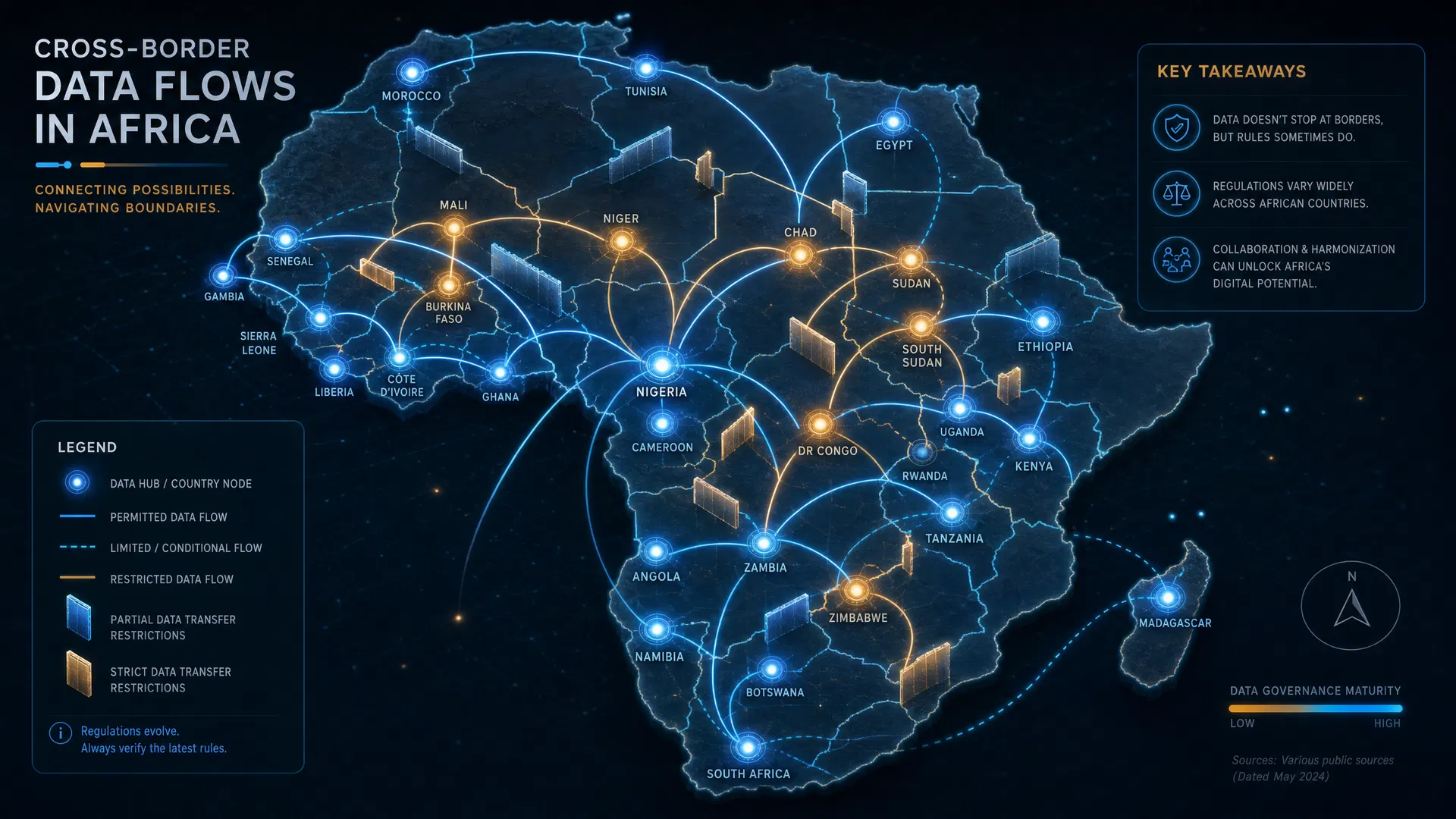
Regulatory environments across Africa play a pivotal role in shaping the evolution of cross-border payments. Harmonizing regulations to support mobile money interoperability and blockchain adoption remains a key challenge. The African Union’s Digital Financial Services Strategy and the Pan-African Payment and Settlement System (PAPSS) initiative demonstrate the continent’s commitment to creating a unified regulatory infrastructure that can underpin seamless cross-border transactions.
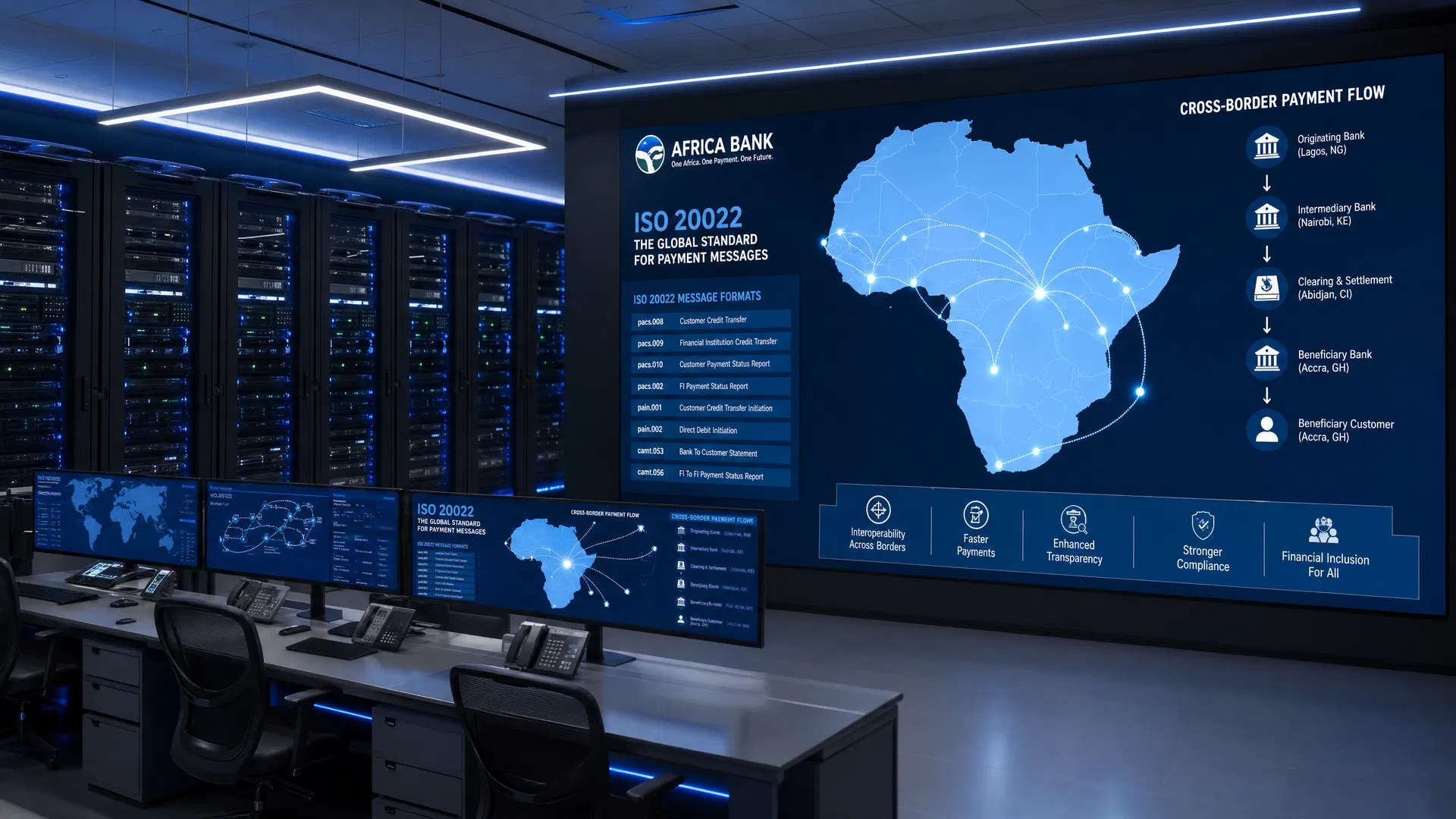
PAPSS, launched by the African Export-Import Bank (Afreximbank) in partnership with the African Continental Free Trade Area (AfCFTA), aims to enable real-time cross-border payments in local currencies, significantly reducing costs and settlement times. Such initiatives require robust AML/KYC frameworks and cooperation between central banks and financial regulators. Policymakers must balance innovation incentives with the need for security and consumer protection, ensuring that emerging technologies like blockchain payments Africa and tokenization comply with international standards.
The Future of Cross-Border Payments and Digital Infrastructure in Africa
Looking ahead, Africa’s cross-border payment landscape is poised for profound transformation driven by mobile money’s widespread adoption and blockchain’s disruptive potential. The continent’s rapidly growing digital economy—projected to contribute $712 billion to GDP by 2025—depends heavily on efficient, accessible, and cost-effective payment systems. Investments in digital infrastructure such as broadband connectivity, blockchain networks, and interoperable payment platforms will be critical to sustaining this momentum.
Institutional investors and policymakers should prioritize fostering an enabling environment that supports innovation while ensuring regulatory clarity. Embracing blockchain and tokenization can accelerate financial inclusion, enhance remittance flows, and deepen capital markets integration across Africa. As digital finance Africa continues to evolve, cross-border payments will become a cornerstone of economic integration, unlocking new growth opportunities and improving livelihoods throughout the continent. The future lies in scalable, transparent, and secure payment ecosystems that propel Africa’s digital economy into a new era of prosperity.