
The Imperative of Interoperability in African Fintech
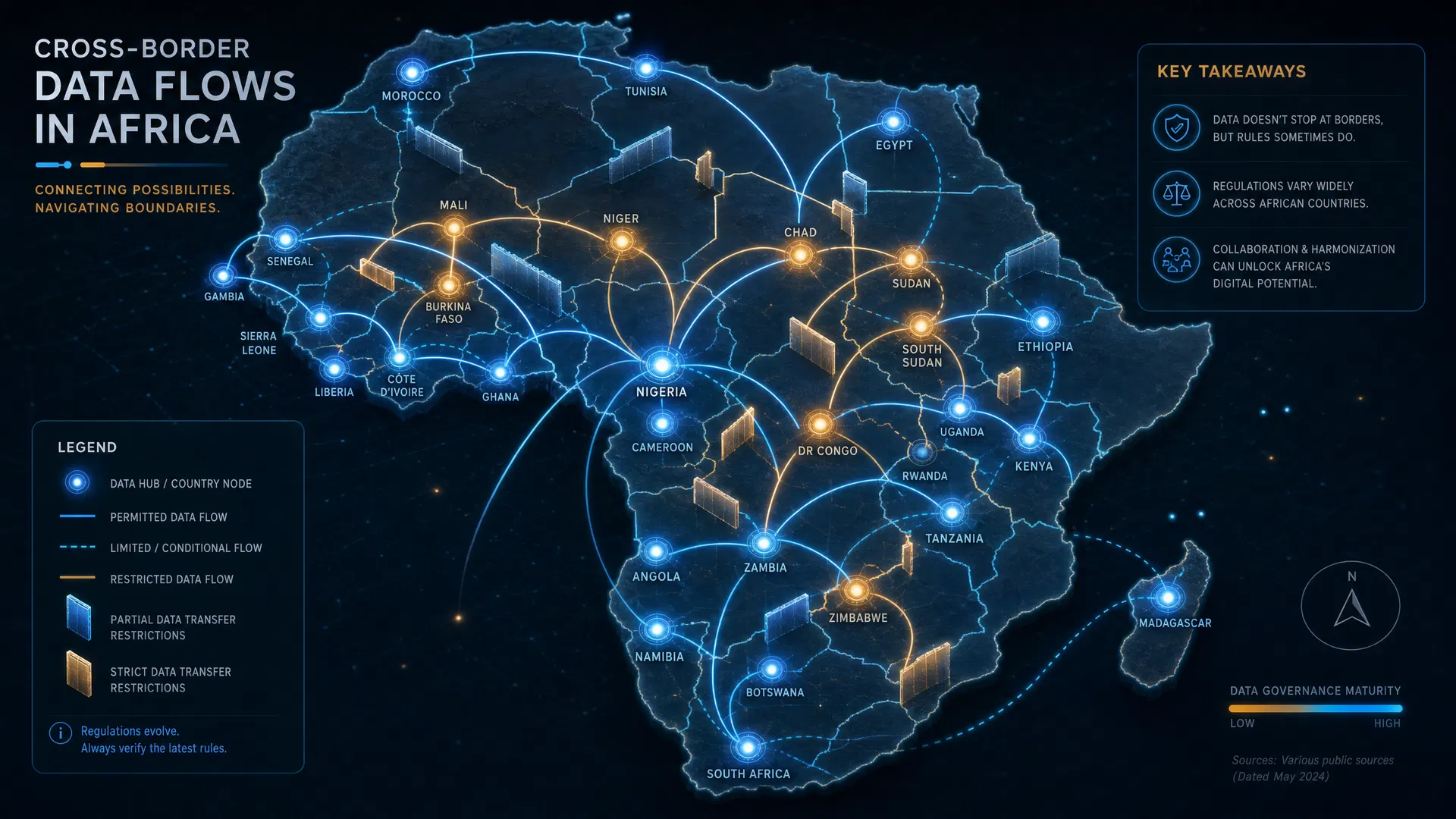
The rapid evolution of African fintech has fundamentally transformed the continent's financial landscape, creating unprecedented opportunities for economic inclusion and growth. However, the fragmentation of digital finance Africa remains a significant barrier to realizing the full potential of this digital revolution. Interoperability—the ability of different financial systems, networks, and applications to connect and communicate seamlessly—has emerged as a critical imperative for bridging cross-border transactions. As mobile money platforms, traditional banking institutions, and emerging blockchain networks proliferate across the continent, the lack of cohesive payment integration creates friction, increases costs, and limits the scalability of financial services.
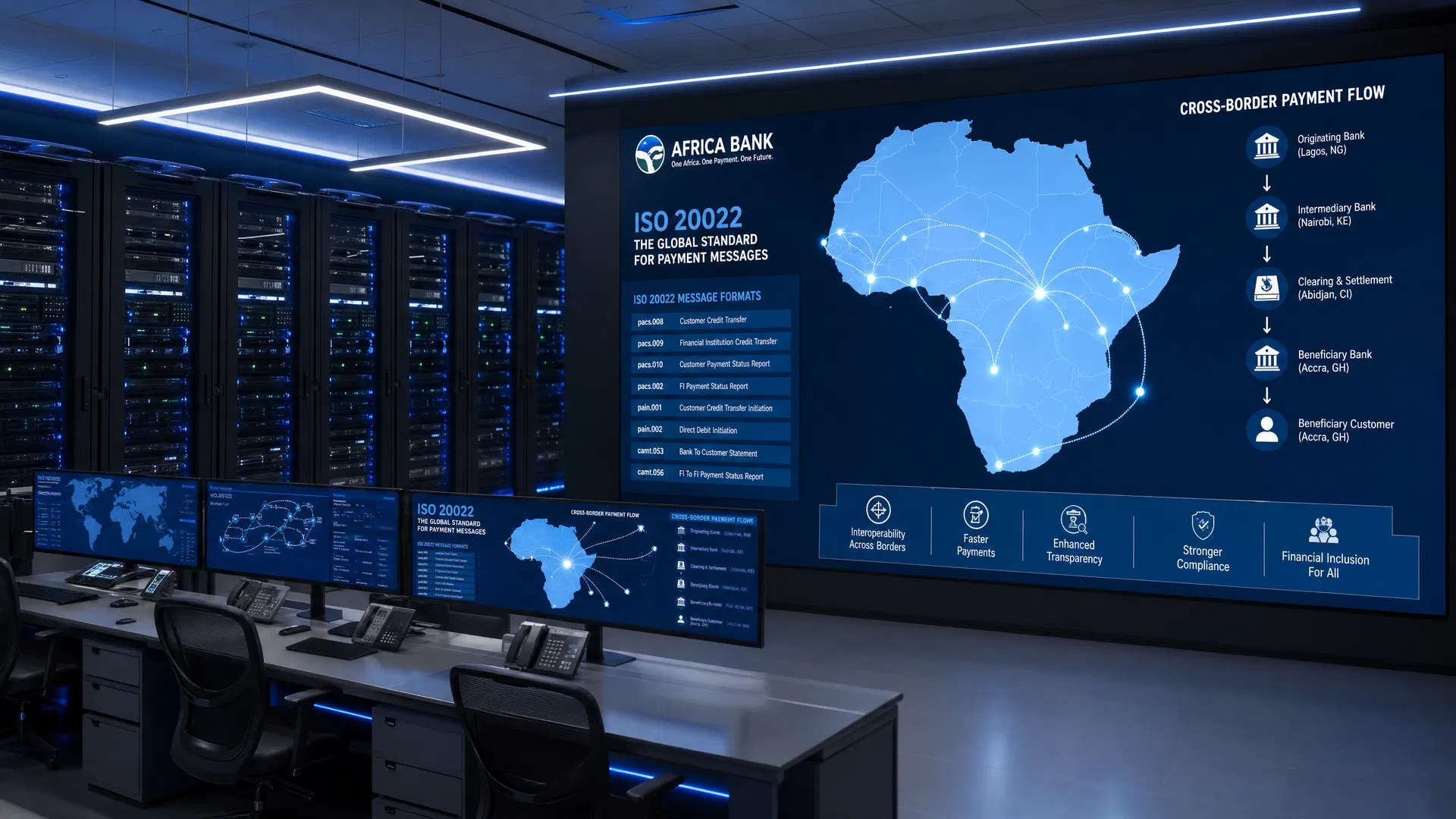
The current state of cross-border transactions in Africa is characterized by high costs and inefficiencies, largely due to the absence of standardized interoperable frameworks. According to the World Bank, Sub-Saharan Africa remains the most expensive region globally for sending remittances, with average costs significantly higher than the global average. By establishing robust interoperability protocols, African fintech ecosystems can streamline cross-border payments, reduce transaction fees, and accelerate settlement times. This seamless connectivity not only benefits individual consumers and small-to-medium enterprises (SMEs) but also facilitates intra-African trade, aligning with the broader objectives of the African Continental Free Trade Area (AfCFTA).
Overcoming Fragmentation Through Payment Integration
The fragmentation of payment systems across Africa presents a formidable challenge to the seamless flow of capital and the expansion of digital finance Africa. In many regions, consumers and businesses are confined to closed-loop networks, unable to transfer funds easily between different mobile money operators or traditional banks. Payment integration initiatives aim to dismantle these barriers by creating unified platforms that facilitate interoperability across diverse financial networks. By implementing standardized application programming interfaces (APIs) and shared clearing and settlement mechanisms, stakeholders can enable real-time, cross-network transactions, significantly enhancing the efficiency and accessibility of financial services.
Successful examples of payment integration are already emerging across the continent, demonstrating the transformative potential of interoperability. Initiatives such as the Pan-African Payment and Settlement System (PAPSS) represent a monumental step toward integrating the continent's fragmented financial infrastructure. PAPSS enables instant, cross-border payments in local currencies, reducing the reliance on third-party currencies like the US dollar or the Euro. This not only mitigates currency exchange risks but also substantially lowers transaction costs for businesses engaging in intra-African trade.
The Role of Blockchain in Bridging Cross-Border Transactions
As the demand for efficient cross-border transactions intensifies, blockchain technology is emerging as a powerful catalyst for interoperability in African fintech. Blockchain Africa initiatives are leveraging decentralized ledgers to create transparent, secure, and immutable records of financial transactions, bypassing the inefficiencies of traditional correspondent banking networks. By utilizing blockchain-based platforms, financial institutions and fintech companies can facilitate near-instantaneous cross-border settlements, drastically reducing the time and cost associated with international money transfers.
Tokenization, a key application of blockchain technology, offers innovative solutions for enhancing liquidity and streamlining cross-border transactions. By representing fiat currencies, commodities, or other assets as digital tokens on a blockchain, tokenization enables the seamless transfer of value across borders without the need for complex intermediaries. Stablecoins, for instance, provide a reliable medium of exchange that mitigates the volatility typically associated with cryptocurrencies, making them an attractive option for cross-border trade and remittances.
Regulatory Frameworks and Institutional Investment
The successful implementation of interoperability in African fintech is intrinsically linked to the development of robust and adaptive regulatory frameworks. Policymakers face the dual challenge of fostering technological innovation while safeguarding the integrity and stability of the financial system. To achieve this balance, regulatory bodies must adopt a forward-looking approach that accommodates the rapid evolution of digital finance Africa, including the integration of blockchain and tokenization. Establishing clear guidelines for cross-border transactions, data privacy, and anti-money laundering (AML) compliance is essential for building trust among consumers, financial institutions, and international investors.
Institutional investors play a pivotal role in financing the infrastructure required to achieve comprehensive interoperability. The deployment of advanced payment integration platforms, blockchain networks, and secure APIs necessitates substantial capital investment and technical expertise. By providing the necessary funding and strategic guidance, investors can accelerate the development of scalable and resilient financial technologies. Furthermore, investment in interoperability initiatives aligns with broader environmental, social, and governance (ESG) objectives, as it directly contributes to financial inclusion, poverty reduction, and sustainable economic development.
Future Outlook: Building a Cohesive Digital Infrastructure
The trajectory of African fintech points toward a future defined by seamless connectivity, enhanced efficiency, and unprecedented economic integration. As interoperability becomes the cornerstone of the continent's financial infrastructure, the barriers to cross-border transactions will continue to diminish, unlocking new avenues for trade, investment, and economic growth. The ongoing convergence of mobile money platforms, traditional banking systems, and blockchain networks will create a dynamic and inclusive financial ecosystem that empowers individuals and businesses across Africa.
Looking ahead, the integration of advanced technologies such as artificial intelligence and machine learning will further optimize interoperable payment systems, enhancing fraud detection, risk management, and personalized financial services. The continued expansion of initiatives like PAPSS and the proliferation of blockchain Africa projects will solidify the continent's position as a global hub for digital financial innovation. As these technologies mature and regulatory frameworks harmonize, the vision of a truly interconnected African financial landscape will become a reality.