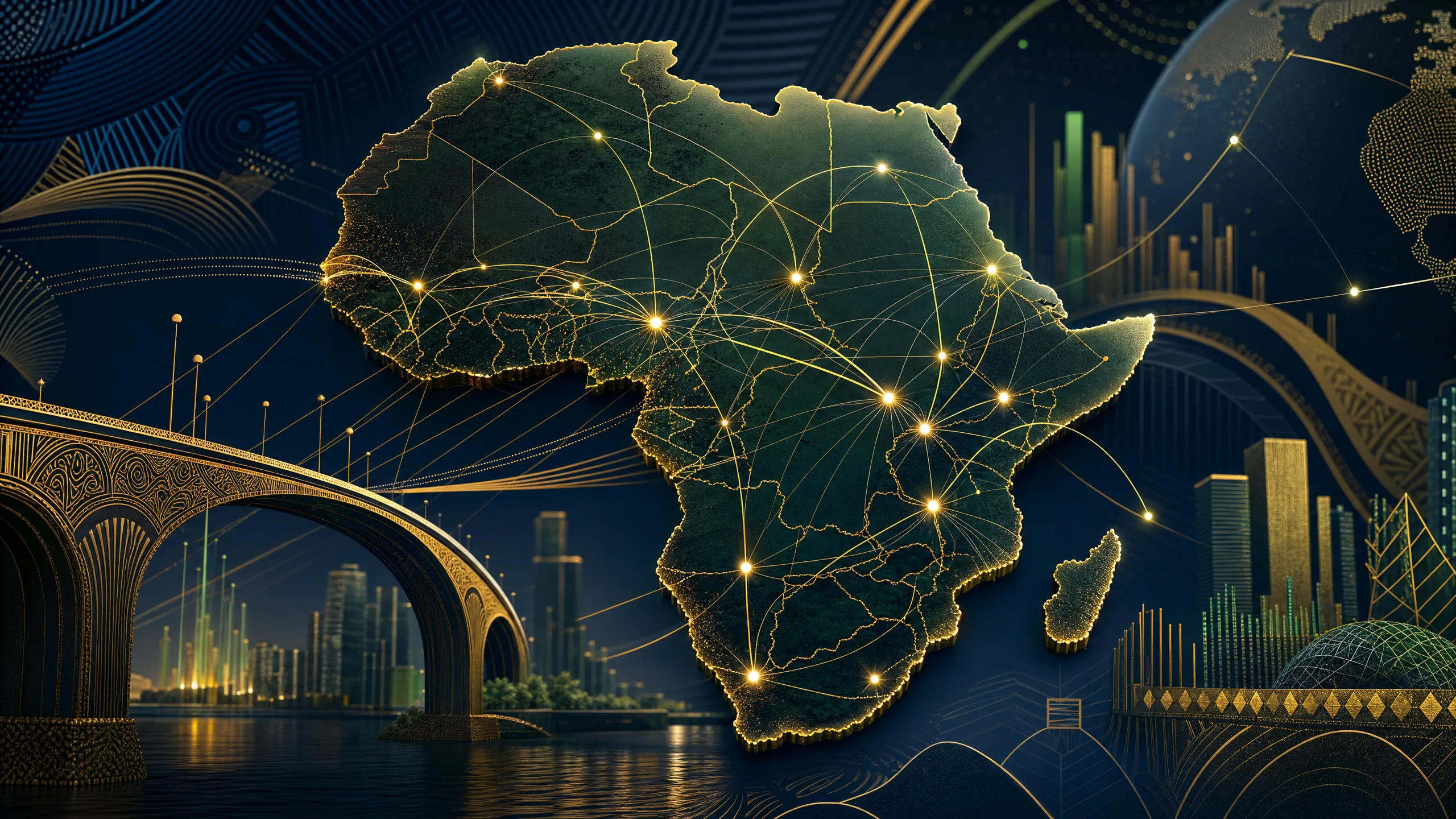
The Rise of Digital Assets in Africa’s Fintech Ecosystem
Africa's fintech landscape is undergoing a transformative phase, driven by the rapid adoption of digital assets and blockchain technology. Digital assets in Africa, ranging from cryptocurrencies to tokenized securities, have become integral to the continent’s expanding digital finance ecosystem. According to a 2023 report by Chainalysis, Africa experienced a 120% increase in crypto adoption between 2021 and 2023, the highest growth rate globally. This surge is underpinned by increasing internet penetration, mobile money ubiquity, and a youthful population eager to leverage new financial technologies.
Fintech innovation across Africa is no longer confined to traditional mobile money platforms; it now encompasses sophisticated blockchain-based solutions that enable greater financial inclusion and cross-border transactions. Countries like Nigeria, Kenya, and South Africa have emerged as regional hubs for fintech startups focusing on digital assets, fostering a vibrant ecosystem where blockchain Africa initiatives are creating new economic opportunities. Institutional investors and regulators are beginning to recognize the strategic importance of digital assets, prompting increased attention to regulatory frameworks that support innovation while ensuring consumer protection.
Blockchain as a Catalyst for Financial Inclusion and Efficiency
Blockchain technology forms the backbone of Africa’s digital asset revolution, offering unprecedented transparency, security, and efficiency. By enabling decentralized ledgers, blockchain Africa projects help reduce transaction costs and settlement times, which is critical in a region where traditional banking infrastructure is often fragmented or inaccessible. For example, the use of blockchain in remittances has the potential to cut fees by up to 70%, directly benefiting millions of Africans who rely on cross-border money transfers.
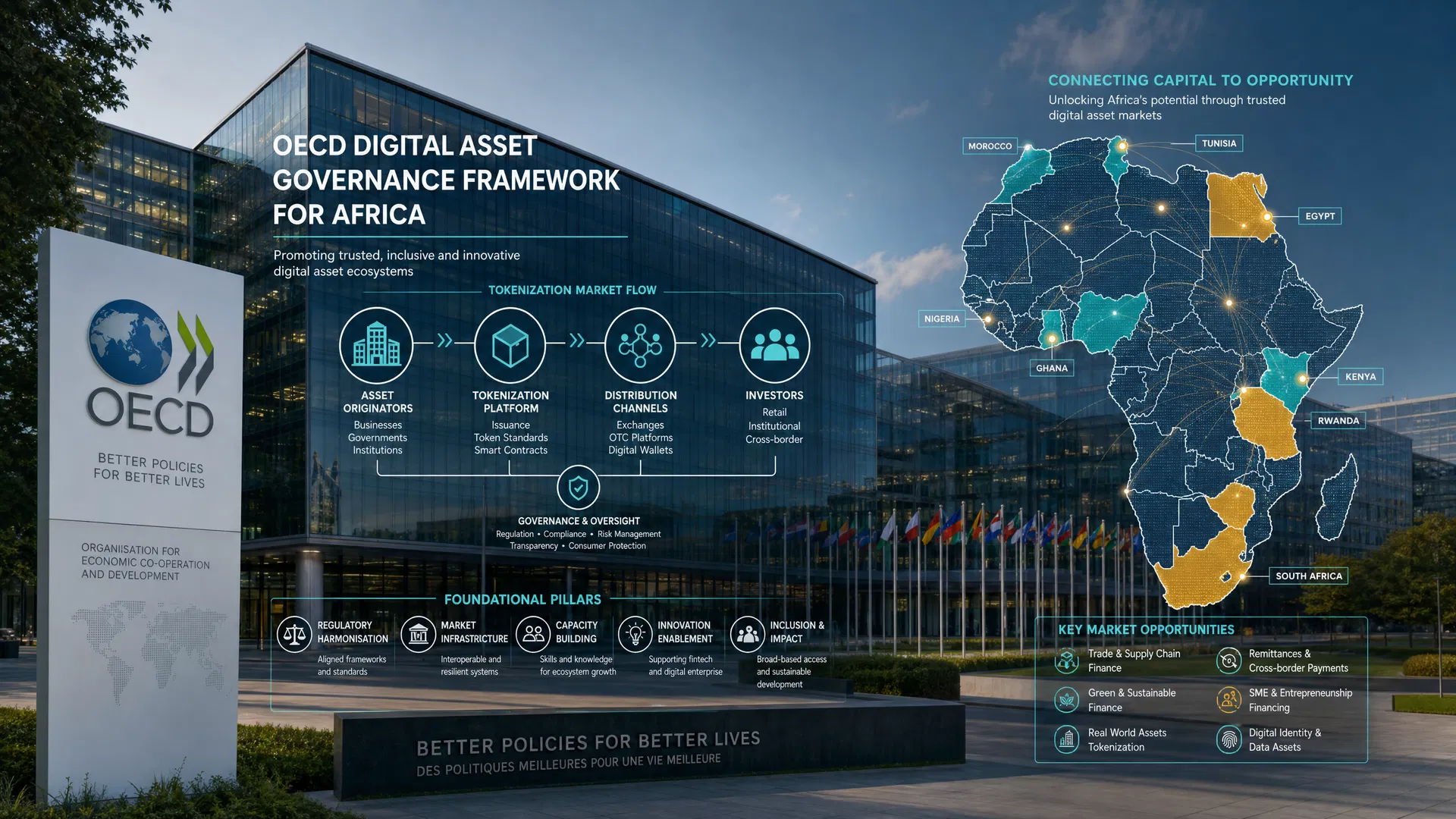
Moreover, tokenization—the process of converting real-world assets into digital tokens on the blockchain—presents transformative opportunities for African economies. Tokenization can unlock liquidity in traditionally illiquid assets such as real estate, agriculture, and art, thereby democratizing investment access. Projects like Bitland in Ghana, which uses blockchain to secure land titles, exemplify how tokenization can address systemic challenges such as property rights, enhancing economic empowerment and trust in digital finance Africa initiatives.
Crypto Adoption Trends and Market Dynamics
The accelerated crypto adoption across Africa is driven by a combination of economic, social, and technological factors. Inflationary pressures and currency depreciation in countries like Nigeria and Zimbabwe have pushed citizens to seek alternative stores of value, with Bitcoin and stablecoins becoming popular hedges against local currency volatility. Data from Paxful indicates that Nigeria and Kenya accounted for over 60% of Africa’s peer-to-peer crypto trade volume in 2023, underscoring the grassroots demand for digital assets.
In addition, the rise of decentralized finance (DeFi) platforms is reshaping how Africans access financial services. DeFi platforms eliminate intermediaries, enabling users to engage in lending, borrowing, and yield farming using digital assets. This decentralized approach aligns well with Africa’s large unbanked population, offering new pathways to financial inclusion. However, the volatile nature of crypto markets and regulatory uncertainties remain challenges that institutional investors and policymakers must navigate carefully.
Regulatory Frameworks Shaping the Future of Digital Finance in Africa
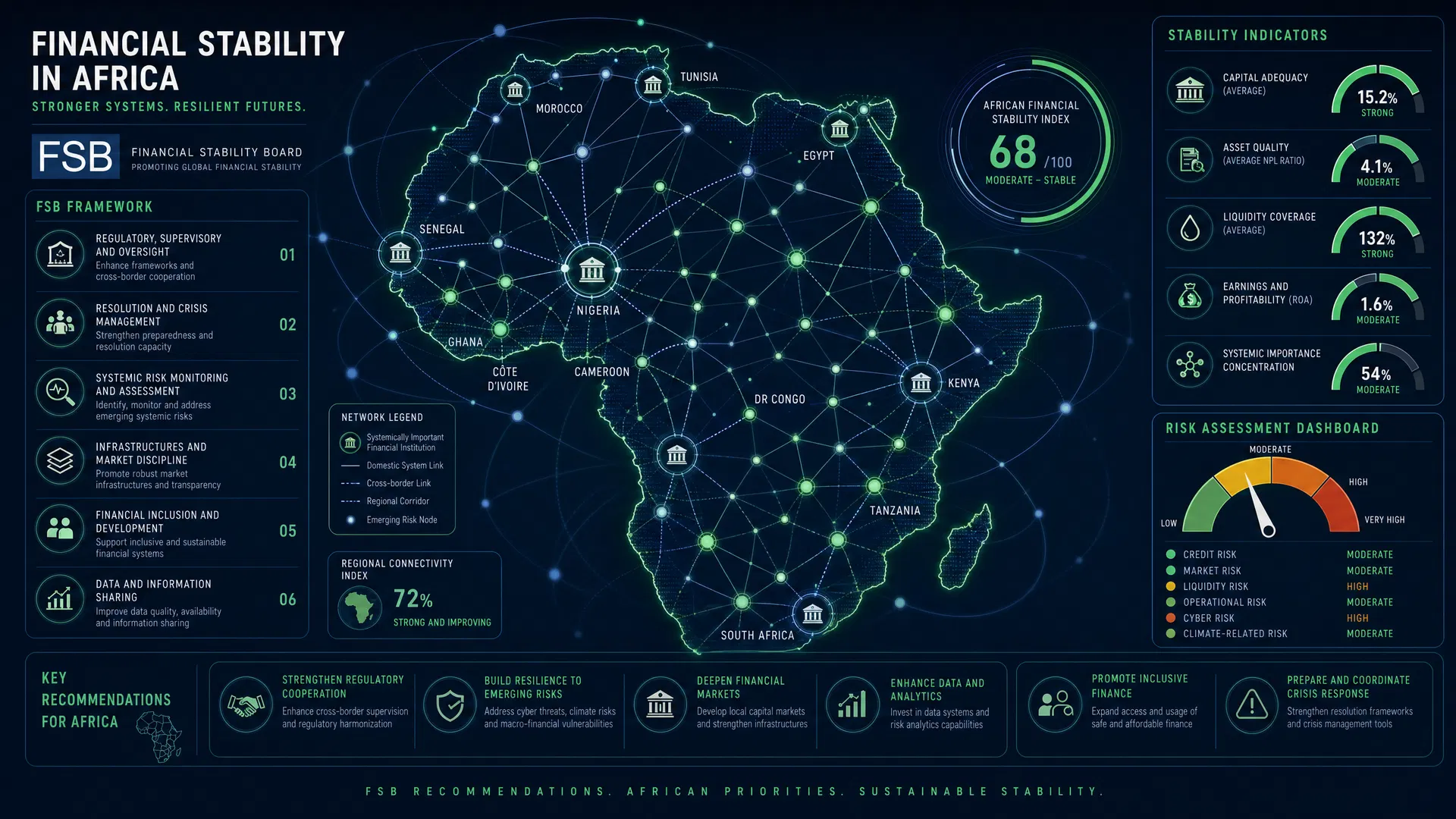
Regulatory responses to digital assets in Africa vary widely, reflecting the continent’s diverse economic and political landscapes. Some countries, such as South Africa and Kenya, have adopted progressive regulatory stances aimed at fostering innovation while mitigating risks. South Africa’s Financial Sector Conduct Authority (FSCA) has proposed comprehensive guidelines for digital asset service providers, focusing on anti-money laundering (AML) and consumer protection measures.
Conversely, nations like Nigeria have historically imposed restrictions on cryptocurrency transactions, although recent discourse points toward a more balanced regulatory approach. The Pan-African regulatory dialogue emphasizes the need for harmonized frameworks that can enable cross-border fintech interoperability and safeguard market integrity. Effective regulation is vital not only to foster investor confidence but also to integrate digital assets into Africa’s broader financial infrastructure in a sustainable manner.
Digital Assets as Drivers of Africa’s Digital Economy Transformation
Digital assets play a pivotal role in accelerating Africa’s digital economy transformation. By integrating blockchain technology and tokenization into key sectors such as agriculture, healthcare, and supply chain management, African countries are unlocking new value chains and enhancing transparency. For instance, the use of blockchain-based tracking in agricultural supply chains improves food security and market access for smallholder farmers.
Furthermore, digital assets facilitate innovative fundraising mechanisms like Initial Coin Offerings (ICOs) and Security Token Offerings (STOs), which can attract capital for startups and infrastructure projects. This democratization of capital markets supports the growth of a vibrant digital economy, contributing to job creation and poverty alleviation. African governments increasingly recognize that embracing digital finance Africa tools is essential to achieving sustainable development goals and economic resilience.
Conclusion: Building Robust Digital Infrastructure for the Future
As Africa’s fintech ecosystem continues to evolve, the strategic development of digital infrastructure will be paramount to harnessing the full potential of digital assets. Investments in scalable blockchain networks, regulatory sandboxes, and financial literacy programs will enable broader adoption and integration of digital finance solutions. Institutional investors and policymakers must collaborate to create an enabling environment that balances innovation with security and inclusivity.
Looking forward, the convergence of digital assets, blockchain Africa initiatives, and regulatory advancements positions Africa as a global leader in fintech innovation. By capitalizing on these opportunities, the continent can accelerate its digital economy transformation, fostering sustainable growth and positioning itself at the forefront of the global digital finance revolution. The future of digital assets Africa is bright, contingent on strategic foresight and coordinated action across stakeholders.