
The Dawn of Tokenized Securities in Africa
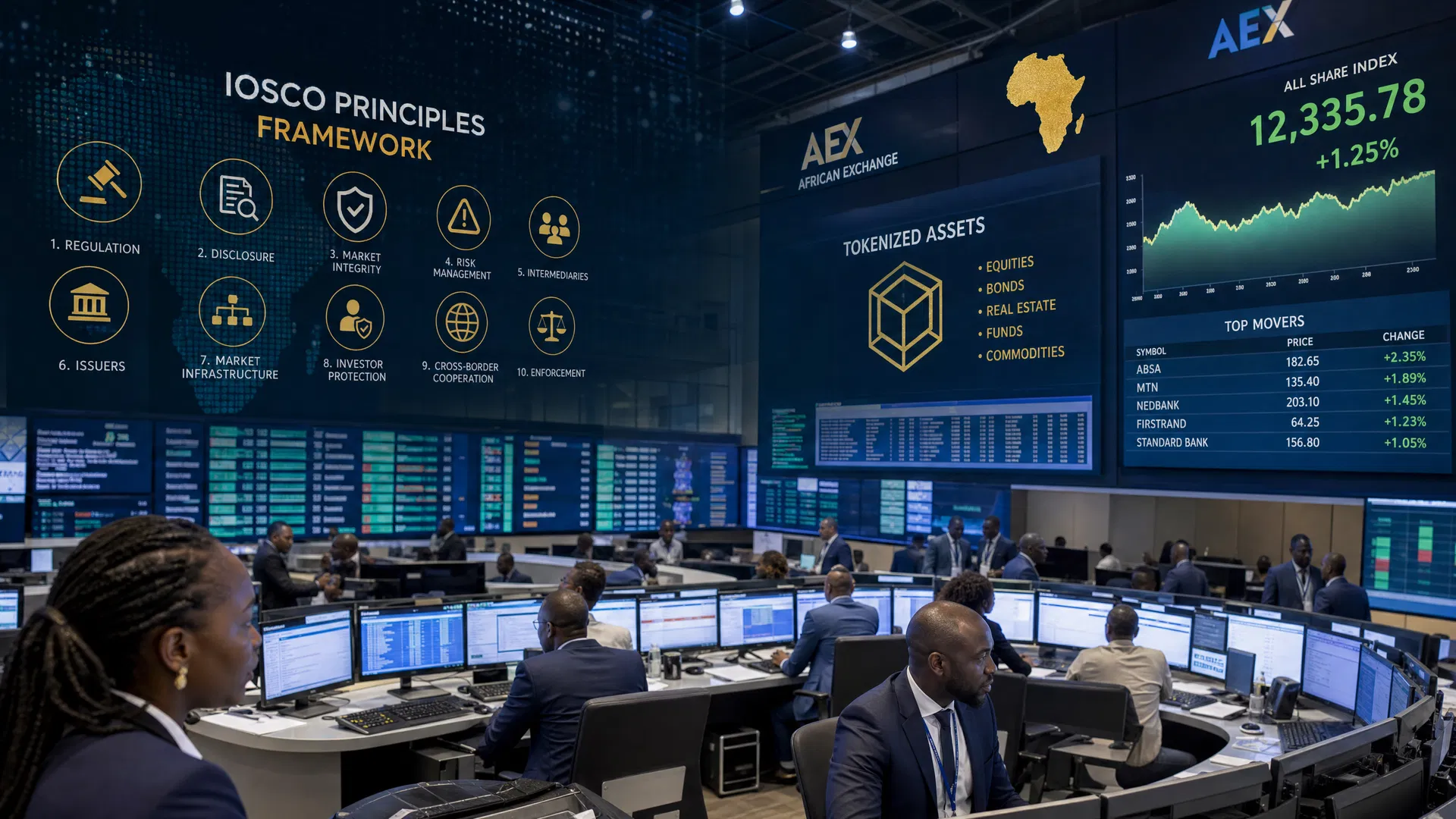
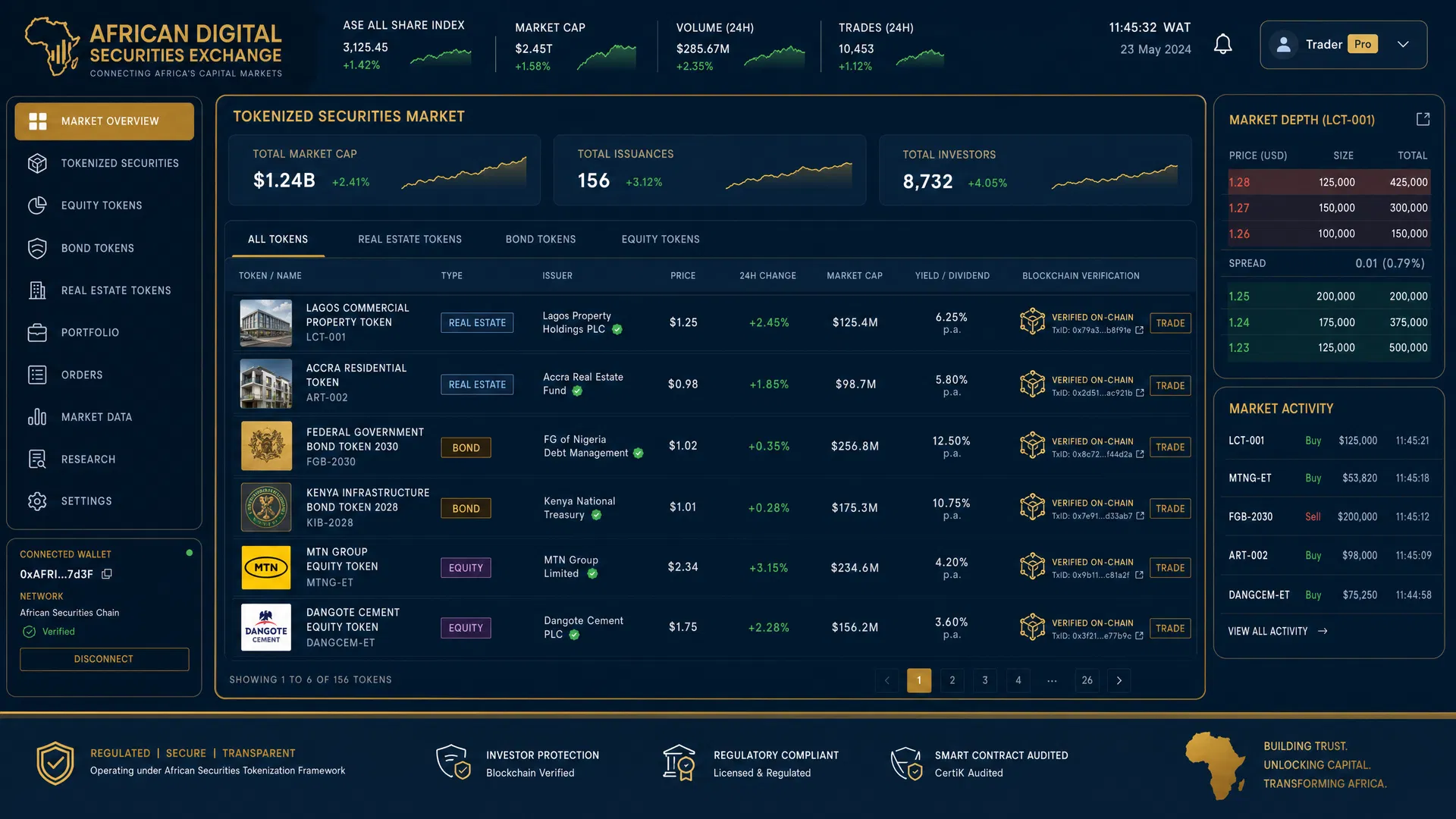
The financial landscape across the continent is undergoing a profound transformation, driven by the rapid emergence of tokenized securities. As a cornerstone of the evolving African digital economy, tokenization involves the digital representation of real-world assets on a distributed ledger. This innovative approach is fundamentally altering how value is created, transferred, and stored within emerging markets. By leveraging blockchain technology, financial institutions are beginning to unlock unprecedented levels of liquidity and operational efficiency. The integration of these digital instruments marks a significant departure from legacy systems, positioning the continent at the forefront of global financial innovation.
Within the broader context of digital finance Africa, the shift toward tokenized assets represents a critical leap forward for capital markets. Historically, African financial systems have grappled with fragmentation, limited accessibility, and high transaction costs that deter both local and international investors. Tokenized securities offer a compelling solution to these systemic challenges by streamlining issuance and settlement processes. As mobile penetration and internet connectivity continue to surge across the region, the foundational infrastructure required to support these advanced financial products is rapidly falling into place. This technological convergence is creating a fertile environment for the widespread adoption of blockchain-based financial solutions.
Overcoming Traditional Market Inefficiencies
For decades, African capital markets have been characterized by structural inefficiencies that hinder robust economic growth and capital formation. High barriers to entry, prolonged settlement cycles, and a pervasive lack of liquidity have traditionally restricted market participation to a narrow segment of institutional players. Furthermore, the administrative burden associated with paper-based processes and intermediary reliance has inflated the cost of capital for businesses seeking to expand. These entrenched obstacles have stifled innovation and limited the ability of enterprises to access the funding necessary to scale their operations effectively.
The introduction of blockchain securities directly addresses these historical pain points by automating complex financial workflows through the use of smart contracts. By embedding compliance and regulatory requirements directly into the digital token, issuers can significantly reduce the administrative overhead associated with asset management. This automation facilitates near-instantaneous clearing and settlement, eliminating the counterparty risks and delays inherent in traditional settlement cycles. Consequently, the operational friction that has long plagued African exchanges is systematically dismantled, paving the way for more dynamic and responsive capital markets.
Regulatory Frameworks and Institutional Adoption
The successful proliferation of tokenized securities is intrinsically linked to the development of clear, comprehensive, and forward-thinking regulatory frameworks. Across the continent, progressive jurisdictions are beginning to establish the legal clarity necessary to foster innovation while safeguarding investor interests. Countries such as South Africa, Mauritius, and Nigeria have taken proactive steps to classify and regulate the emerging sector of digital assets Africa, providing a stable foundation for institutional participation. These regulatory advancements are crucial for mitigating legal uncertainties and encouraging traditional financial institutions to engage with blockchain-based instruments confidently.
Institutional adoption is a critical catalyst for the maturation of the African digital economy, and traditional financial heavyweights are increasingly exploring the tokenization space. Major commercial banks, asset managers, and stock exchanges are initiating proof-of-concept projects to evaluate the feasibility of issuing and trading digital bonds and equities. This institutional involvement brings essential credibility, deep liquidity, and rigorous risk management practices to the nascent tokenized asset ecosystem. As these legacy institutions integrate blockchain technology into their core operations, they are effectively bridging the divide between conventional financial markets and the digital frontier.
Democratizing Access to African Capital Markets
One of the most compelling value propositions of tokenized securities is their capacity to democratize access to wealth-building opportunities. Through the mechanism of fractionalization, high-value assets such as commercial real estate, infrastructure projects, and private equity funds can be divided into affordable, tradable digital tokens. This innovation dramatically lowers the minimum investment threshold, enabling retail investors to participate in asset classes that were previously the exclusive domain of high-net-worth individuals and institutional funds. Consequently, tokenization serves as a powerful tool for financial inclusion and broad-based wealth creation.
The socioeconomic implications of this democratization are profound, particularly within the context of the rapidly expanding digital finance Africa ecosystem. By empowering a larger segment of the population to invest in productive assets, tokenized securities can help bridge the wealth gap and stimulate domestic economic growth. Furthermore, the ability to trade these fractionalized assets on secondary digital marketplaces enhances liquidity, allowing investors to enter and exit positions with unprecedented ease. This newfound flexibility encourages greater retail participation and fosters a more resilient and diversified investor base across the continent.
Conclusion: Building the Digital Infrastructure of Tomorrow
The advent of tokenized securities represents a watershed moment for the African digital economy, offering a viable pathway to overcome historical market limitations. By enhancing liquidity, automating compliance, and democratizing access to high-value assets, blockchain technology is fundamentally reshaping the financial landscape. The successful integration of these digital instruments has the potential to unlock vast reserves of dormant capital, driving sustainable economic development and fostering unprecedented levels of financial inclusion. As the ecosystem continues to mature, the benefits of this digital revolution will increasingly permeate all sectors of the economy.
Looking ahead, the continent is uniquely positioned to leapfrog legacy financial systems and establish itself as a global leader in digital assets Africa. By embracing the opportunities presented by blockchain securities, African nations can cultivate dynamic, resilient, and inclusive capital markets. The ongoing evolution of digital finance Africa will not only empower local enterprises and investors but also redefine the continent's role in the global economic order. Ultimately, the strategic deployment of tokenized securities will be instrumental in building the digital infrastructure of tomorrow, securing a prosperous financial future for the region.