Introduction: The Imperative for Securities Modernization in Africa
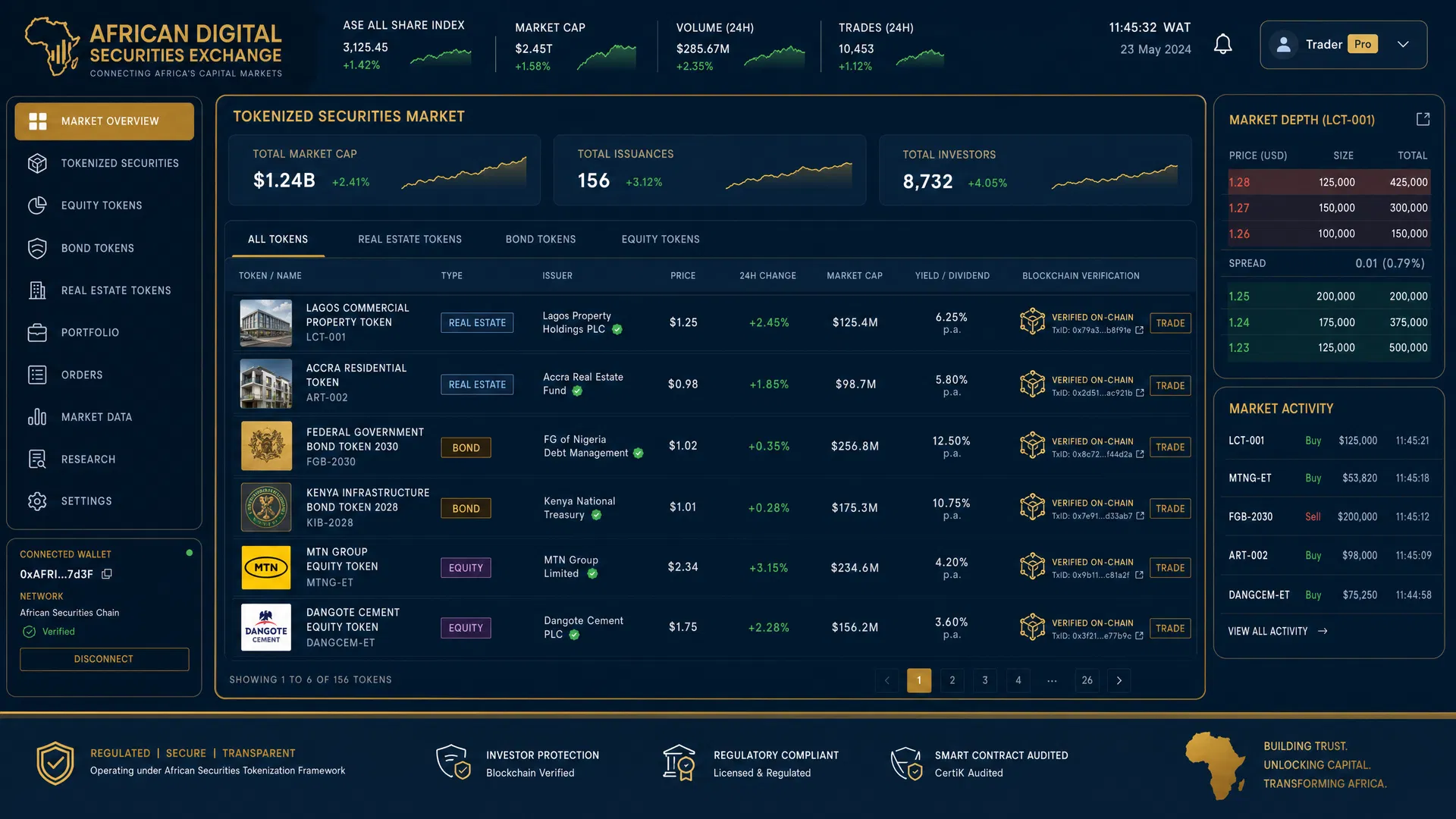
The integration of digital assets into the global financial system has fundamentally altered the trajectory of capital markets, necessitating a profound reevaluation of existing regulatory frameworks. Across the African continent, securities markets are undergoing a critical phase of modernization, driven by the dual imperatives of fostering financial innovation and ensuring robust investor protection. At the forefront of this transformation are the principles established by the International Organization of Securities Commissions (IOSCO), which serve as the foundational blueprint for regulatory harmonization. As digital asset infrastructure platforms, such as AfriVest, pioneer the development of sovereign digital asset ecosystems—encompassing tokenization, central bank digital currencies (CBDCs), and stablecoins—the alignment of African securities regulations with IOSCO standards has become a paramount objective for institutional investors, policymakers, and fintech operators alike.
Regulatory Background: IOSCO's Framework for Digital Assets
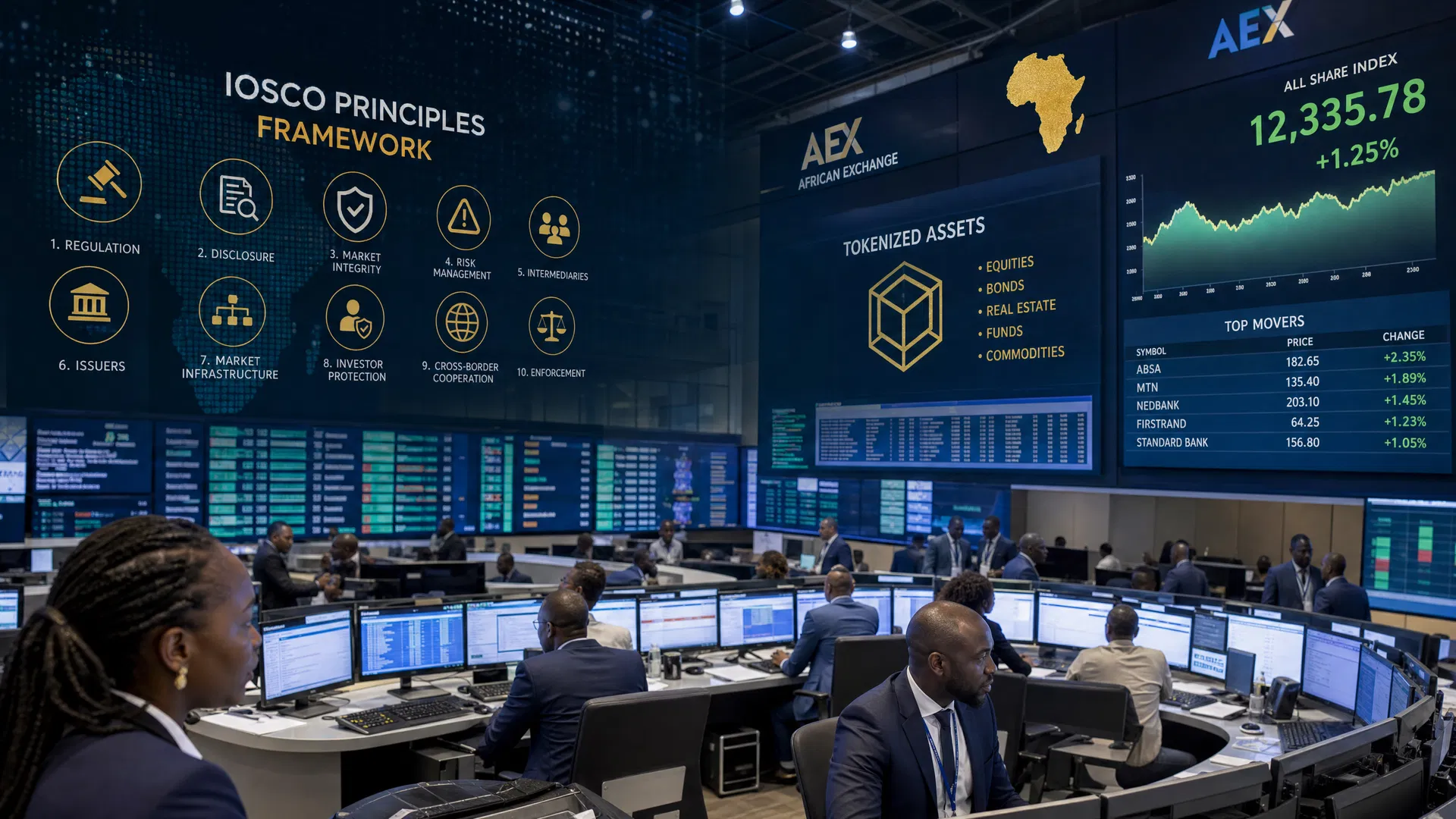
The International Organization of Securities Commissions (IOSCO) has long been recognized as the global standard-setter for the securities sector. In response to the rapid proliferation of crypto-assets and decentralized finance (DeFi), IOSCO published its comprehensive Policy Recommendations for Crypto and Digital Asset Markets in late 2023. These recommendations are designed to address the unique risks associated with digital assets, including market integrity, investor protection, and systemic stability, while promoting a level playing field across jurisdictions. For African securities regulators, the IOSCO framework provides a critical reference point for updating legacy legislation that was primarily designed for traditional financial instruments. The modernization effort involves adapting existing securities laws to accommodate the issuance, trading, and custody of digital assets, ensuring that these novel instruments are subject to appropriate regulatory oversight without stifling technological advancement.
Key Provisions and Regional Harmonization Efforts
The modernization of African securities markets is characterized by a concerted effort to integrate IOSCO's core principles into national and regional regulatory frameworks. Key provisions focus on the classification of digital assets, the licensing of virtual asset service providers (VASPs), and the establishment of stringent disclosure requirements. For instance, the Financial Sector Conduct Authority (FSCA) in South Africa has taken significant steps by declaring crypto assets as financial products under the Financial Advisory and Intermediary Services (FAIS) Act of 2002, effectively bringing them within the regulatory perimeter. Similarly, the Capital Markets Authority (CMA) of Kenya and the Securities and Exchange Commission (SEC) of Nigeria have issued comprehensive guidelines on digital asset offerings and custody. These regulatory initiatives are increasingly aligned with broader regional harmonization efforts, such as the African Continental Free Trade Area (AfCFTA) protocols, which seek to facilitate cross-border capital flows and establish cohesive standards for digital financial services across the continent.
Compliance Implications for Digital Asset Platforms
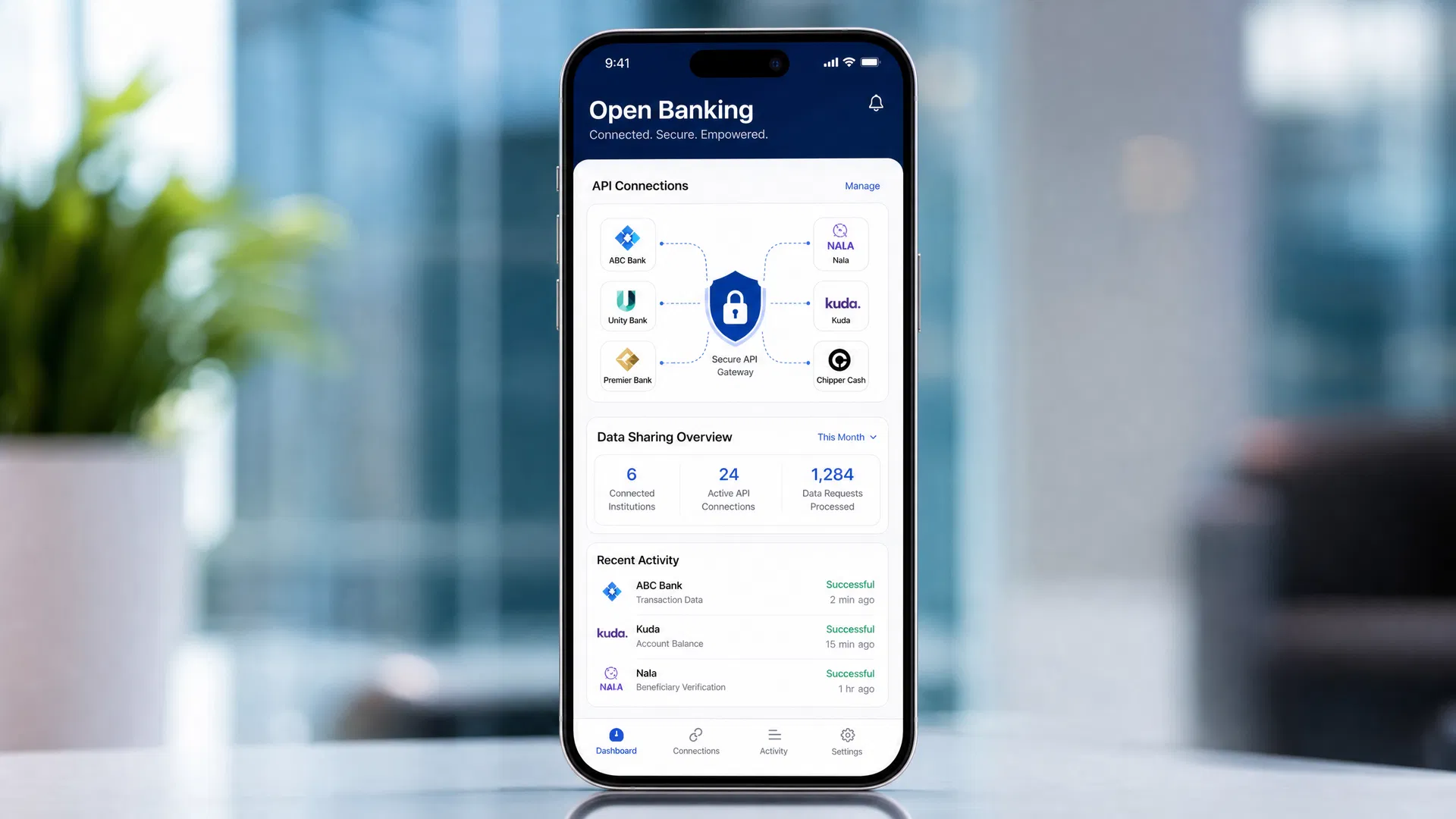
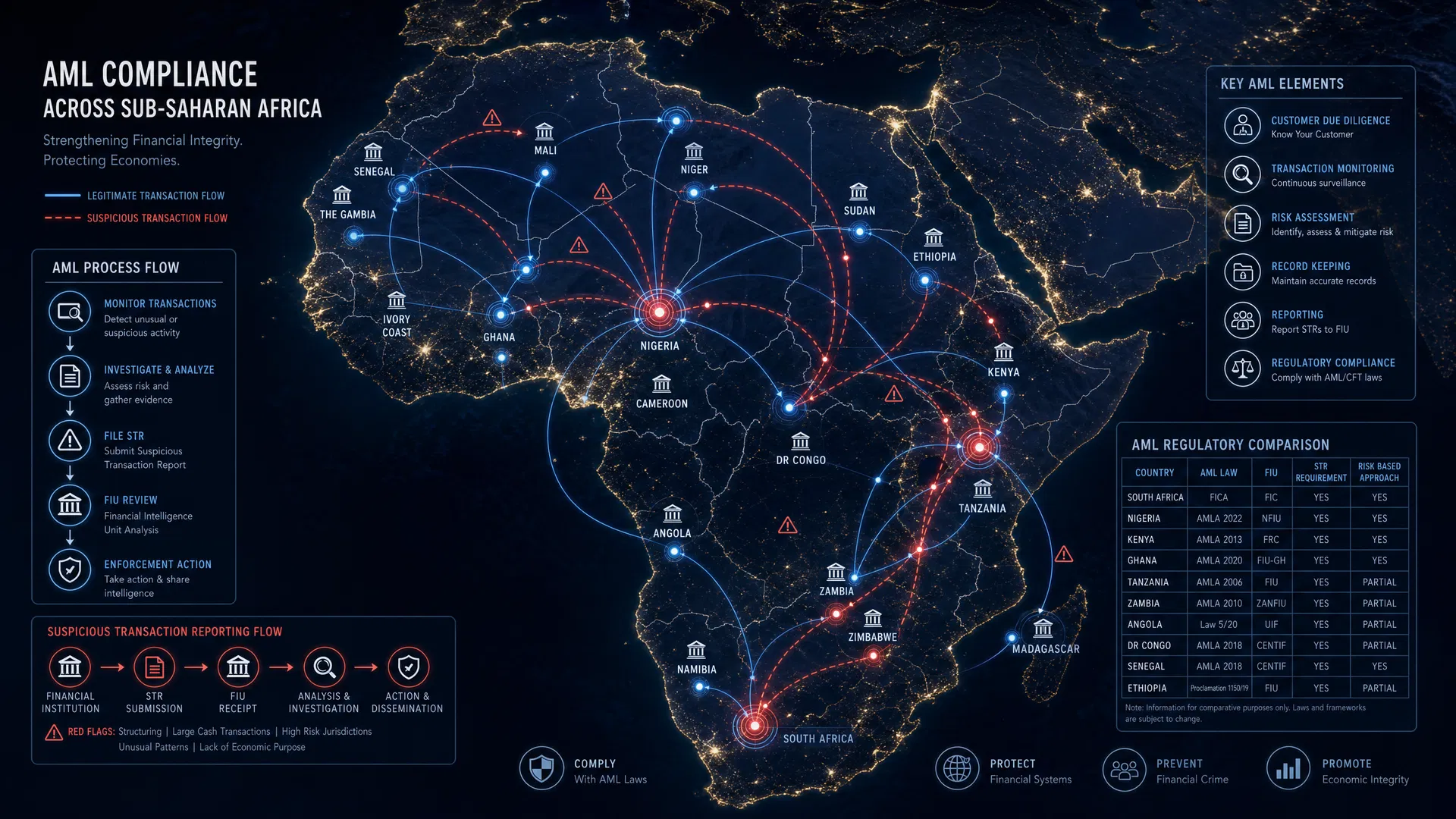
The alignment of African securities regulations with IOSCO principles introduces profound compliance implications for digital asset platforms operating within the region. Institutional-grade infrastructure providers must navigate a complex matrix of regulatory requirements that span multiple jurisdictions. Compliance necessitates the implementation of robust governance structures, comprehensive risk management frameworks, and advanced technological solutions to ensure adherence to anti-money laundering (AML) and combating the financing of terrorism (CFT) standards, as mandated by the Financial Action Task Force (FATF). Furthermore, platforms must ensure compliance with regional data protection laws, such as South Africa's Protection of Personal Information Act (POPIA), the Nigeria Data Protection Act (NDPA), and the Malabo Convention, to safeguard investor data and maintain operational integrity. The integration of ISO 20022 messaging standards is also critical for facilitating interoperability and enhancing the transparency of digital asset transactions.
Enforcement Mechanisms and Regulatory Oversight
Effective enforcement mechanisms are essential for maintaining market integrity and investor confidence in the evolving digital asset landscape. African securities regulators are increasingly adopting proactive and technology-driven approaches to oversight, leveraging regulatory technology (RegTech) and supervisory technology (SupTech) to monitor market activities in real-time. Enforcement actions are directed toward mitigating risks such as market manipulation, insider trading, and the operation of unlicensed digital asset platforms. Regulatory bodies are also enhancing cross-border cooperation and information-sharing agreements, in alignment with the IOSCO Multilateral Memorandum of Understanding (MMoU), to address the transnational nature of digital asset transactions. This collaborative approach ensures that regulatory arbitrage is minimized and that enforcement actions are coordinated effectively across different jurisdictions, thereby fostering a secure and transparent environment for institutional investment.
Strategic Preparation for Institutional Operators
As the regulatory landscape for digital assets in Africa continues to mature, institutional operators and fintech platforms must adopt a forward-looking and proactive approach to compliance. Preparation involves continuous engagement with regulatory authorities to shape policy development and ensure that regulatory frameworks remain conducive to innovation. Digital asset platforms must invest heavily in scalable and compliant infrastructure, prioritizing the integration of advanced identity verification systems, secure custody solutions, and transparent reporting mechanisms. By aligning their operations with international standards, such as those established by IOSCO, the Financial Stability Board (FSB), and the Organization for Economic Co-operation and Development (OECD), platforms can build trust with institutional investors and position themselves as leaders in the continent's digital financial ecosystem. Strategic preparation also requires a deep understanding of the intersection between securities regulation and broader macroeconomic objectives, such as financial inclusion and the development of sovereign digital asset infrastructure.
Conclusion: Driving Africa's Digital Economy Transformation
The modernization of African securities markets, guided by the principles of the International Organization of Securities Commissions, represents a critical milestone in the continent's digital economy transformation. By establishing robust, transparent, and internationally aligned regulatory frameworks, African nations are laying the foundation for a secure and dynamic digital asset ecosystem. This regulatory evolution not only mitigates the risks associated with novel financial technologies but also unlocks unprecedented opportunities for capital formation, cross-border trade, and financial inclusion. As platforms like AfriVest continue to build the sovereign digital asset infrastructure required to support this transformation, the convergence of innovative technology and rigorous regulatory standards will undoubtedly position Africa as a formidable participant in the global digital economy, driving sustainable economic growth and institutional investment for decades to come.