
South Africa controls 80% of global platinum reserves, but Botswana's diamond wealth transformed it from poverty to Africa's richest per capita nation.
In 1966, Botswana emerged as an independent nation with a GDP per capita of barely $90, a handful of paved roads, and an economy largely dependent on cattle farming. Today, it stands as a beacon of economic transformation in Southern Africa, boasting a GDP per capita that peaked over $8,300 in 2022. The catalyst for this extraordinary metamorphosis? Diamonds. Discovered shortly after independence, these precious stones have not only reshaped the nation's physical landscape but have fundamentally altered its economic destiny. For institutional investors and policymakers observing Africa's growth trajectory, Botswana offers a compelling case study in resource management, strategic partnerships, and the profound impact of mineral wealth when harnessed effectively.
The Debswana Partnership: A Model for Resource Management
At the heart of Botswana's diamond success story is Debswana, a unique 50:50 joint venture between the Government of Botswana and De Beers. Established in 1969, this partnership has been instrumental in ensuring that the nation's mineral wealth translates into tangible economic benefits for its citizens. Unlike many resource-rich nations that have fallen victim to the "resource curse," Botswana has utilized its diamond revenues to fund critical infrastructure, education, and healthcare. The diamond industry accounts for approximately 30% of the country's GDP and a staggering 80% of its export earnings. This strategic alignment between state interests and private enterprise has created a stable, predictable environment that is highly attractive to foreign direct investment.
Jwaneng: The Prince of Mines
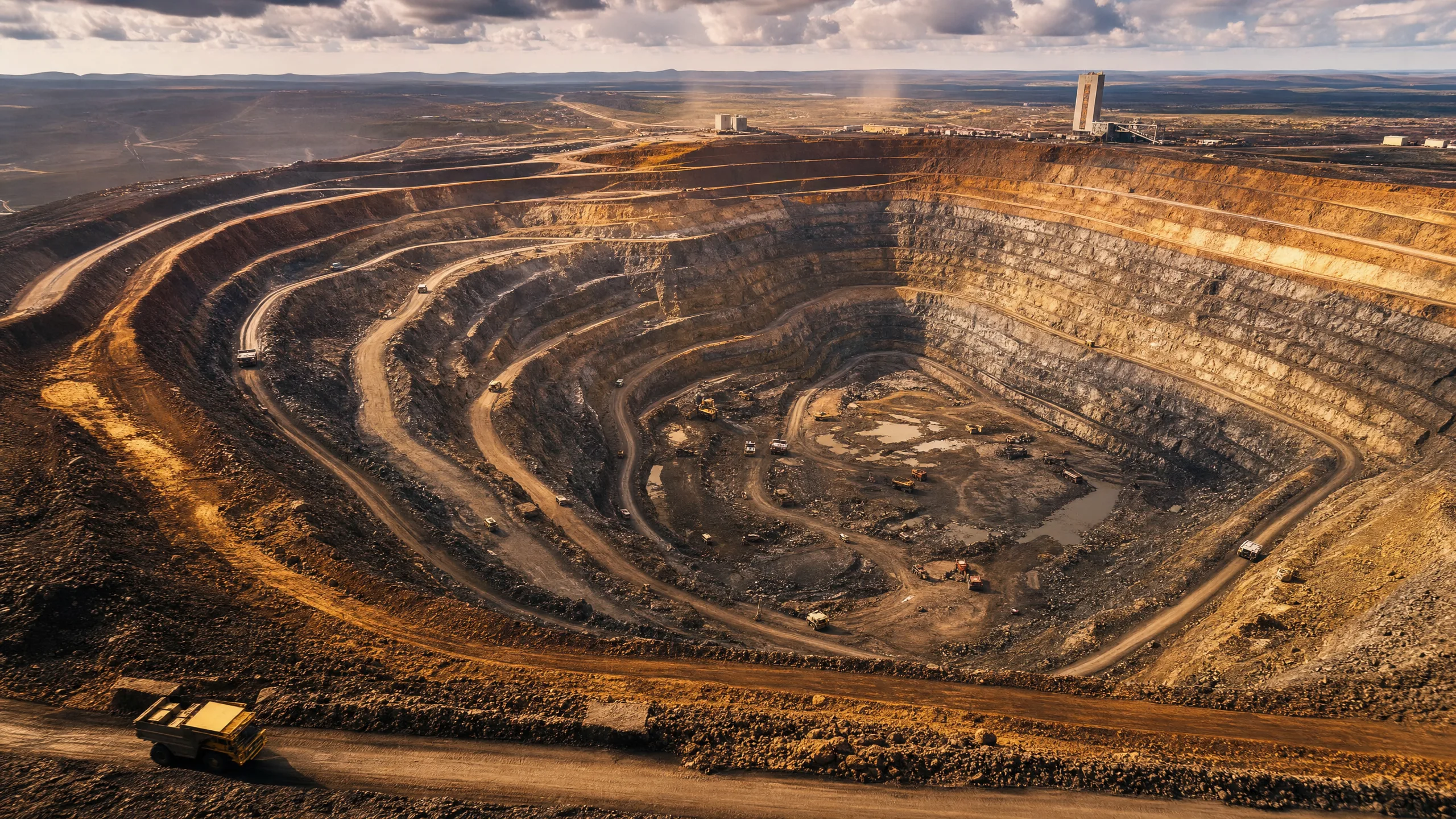
The crown jewel of Botswana's diamond industry is the Jwaneng mine. Often referred to as the "Prince of Mines," Jwaneng is the richest diamond mine in the world by value. Located in the south-central part of the country, this open-pit operation is a marvel of modern mining engineering. In 2023 alone, Jwaneng produced an impressive 13.3 million carats of high-quality diamonds. The sheer scale and profitability of Jwaneng have been central to sustaining Botswana's economic growth over the decades. Its continued operation, including significant investments in underground expansion projects like Cut 9, underscores the long-term viability of Botswana's diamond sector and its critical role in the global supply chain.
Economic Impact and GDP Contribution
The economic impact of diamond mining in Botswana cannot be overstated. The sector's contribution to the national economy is profound, driving both direct revenue and secondary economic activities. In 2024, Botswana produced 17.9 million carats of diamonds, cementing its position as the largest producer of diamonds in Africa and generating $3.2 billion in revenue. This immense wealth has allowed the government to maintain a strong fiscal position, accumulate significant foreign exchange reserves, and invest heavily in human capital. The transformation from a GDP per capita of under $100 at independence to over $7,800 in 2023 is a direct result of the prudent management of these diamond revenues.
Navigating Global Market Dynamics
Despite its historical success, Botswana's diamond industry faces contemporary challenges, most notably the rise of lab-grown diamonds and fluctuating global demand. In response to weaker market conditions, Debswana strategically curbed production in 2025, reducing output by 16% to 15 million carats. This agile response highlights the maturity of Botswana's resource management strategy. By adjusting supply to meet market realities, Botswana aims to preserve the long-term value of its natural resources. For investors, this demonstrates a sophisticated understanding of global commodity markets and a commitment to sustainable economic practices, even in the face of short-term volatility.
The Future: Digital Infrastructure and Tokenization
As Botswana looks beyond the finite nature of its diamond reserves, the focus is shifting toward economic diversification and technological innovation. The future of Africa's asset management lies in digital infrastructure and tokenization. Platforms like AfriVest are at the forefront of this revolution, offering the potential to digitize real-world assets, including precious metals and mining outputs. By tokenizing these assets, Africa can unlock unprecedented liquidity, democratize access to investment opportunities, and attract a new wave of global capital. For Botswana, integrating its traditional commodity wealth with cutting-edge digital finance could secure its position as a leading economic powerhouse in the 21st century, ensuring that the legacy of its diamonds continues to shine in the digital age.