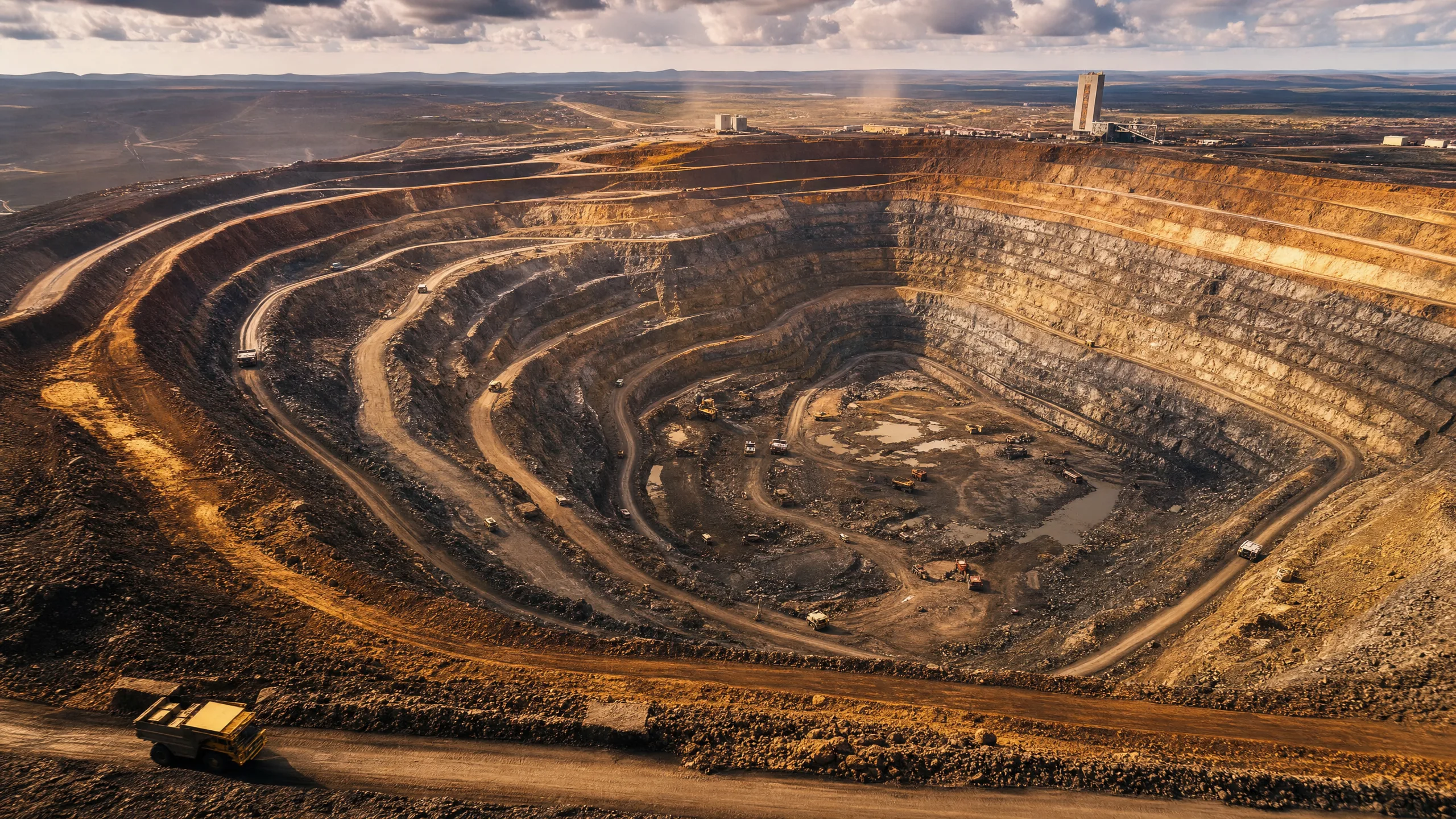
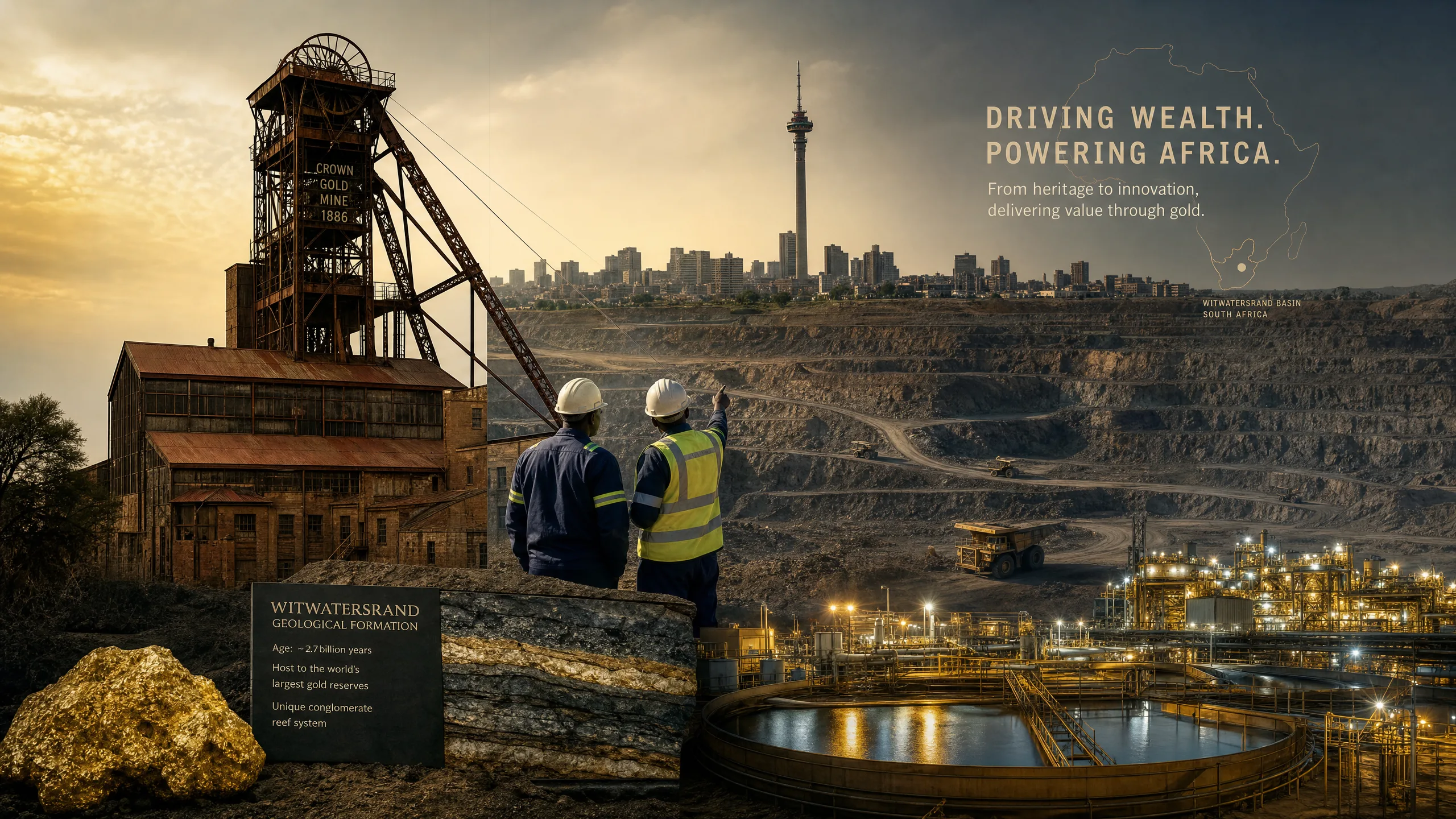
South Africa's gold mining industry is undergoing a profound transformation. From its legendary origins in the late 19th century to its current status as a cornerstone of the national economy, the sector continues to adapt to global market dynamics. As gold prices surge to record highs, the industry is pivoting from deep-shaft extraction to innovative, shallow-depth operations and technological integration, presenting unprecedented opportunities for institutional investors and policymakers.
The Legacy of the Witwatersrand Basin
The story of South African gold is inextricably linked to the Witwatersrand Basin. Discovered in 1886, this geological marvel has produced nearly half of all the gold ever mined in human history. The initial gold rush not only catalyzed the founding of Johannesburg but also established South Africa as the undisputed global leader in gold production for over a century. At its zenith in 1970, the country produced an astounding 1,000 metric tons of gold annually. While production has since moderated to approximately 90 metric tons per year, the historical significance and remaining reserves of the Witwatersrand Basin continue to underpin the sector's intrinsic value.
Economic Contribution and Modern Valuation
Today, the South African mining sector remains a vital economic engine. Recent data indicates that the broader mining industry contributes approximately 6% to the nation's Gross Domestic Product (GDP), with a direct value add of around R439.2 billion. Within this framework, the gold sector specifically represents a robust $8 billion modern industry. This valuation is supported by sustained global demand and record-breaking gold prices, which recently vaulted above $4,000 an ounce. Such financial metrics underscore the enduring profitability and economic relevance of South African gold on the global stage.
Strategic Shifts: From Deep Shafts to Shallow Operations
Faced with the escalating costs and safety challenges associated with ultra-deep mining—some shafts reaching depths of 4 kilometers—major operators are strategically realigning their portfolios. Companies like Harmony Gold and Sibanye-Stillwater are increasingly focusing on shallow, high-margin deposits and the reprocessing of historical tailings dams. A prime example of this strategic pivot is the recent inauguration of the Qala Shallows mine by West Wits Mining, marking South Africa's first new underground gold mine in 15 years. This shift toward resource efficiency and circular mining practices is essential for maintaining cost control and ensuring long-term sustainability.
Key Production Hubs and Industry Leaders
The landscape of South African gold mining is dominated by several key operations that continue to drive production. The South Deep mine, a joint venture involving Gold Fields, remains one of the largest gold mines in the world by reserves. Additionally, operations such as the Burnstone project are being prioritized as low-cost, long-life assets. These strategic assets, coupled with significant investments in security and operational efficiency—such as Harmony Gold's recent R650 million investment in security measures—demonstrate the industry's commitment to safeguarding its assets and optimizing output in a challenging environment.
The Future: Digital Infrastructure and Tokenization
As the South African gold industry navigates the complexities of the 21st century, the integration of digital infrastructure presents a transformative frontier. The tokenization of physical gold reserves and mining rights on blockchain platforms offers a revolutionary mechanism to enhance transparency, democratize access, and streamline capital allocation. For platforms like AfriVest, digitizing these tangible assets bridges the gap between traditional mining operations and modern financial markets. By embracing tokenization, South Africa can unlock new avenues for investment, ensuring that its legendary gold wealth continues to generate value in the digital age.