
The Dawn of Digital Securities in African Markets
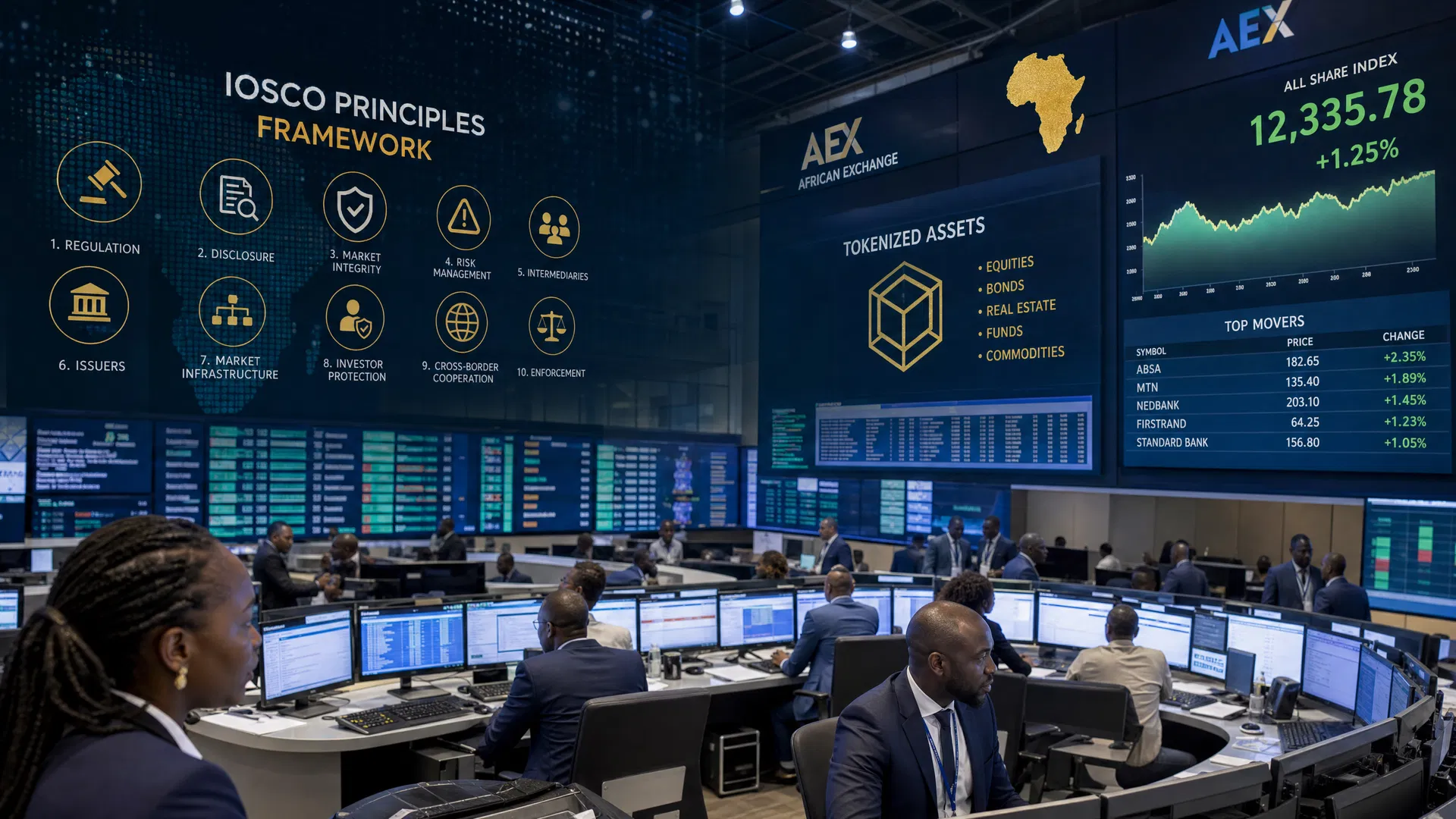
The financial landscape across the African continent is undergoing a profound transformation, driven by the rapid adoption of decentralized technologies and digital infrastructure. At the forefront of this revolution is the integration of blockchain technology into traditional financial systems, fundamentally altering how assets are issued, traded, and settled. For decades, capital markets in the region have grappled with issues of liquidity, accessibility, and operational friction, limiting their potential to drive robust economic growth. However, the emergence of digital securities is now providing a viable pathway to modernize these legacy systems and unlock unprecedented value for both institutional and retail investors.
By leveraging distributed ledger technology, financial institutions are beginning to streamline complex processes, reduce intermediary costs, and enhance transparency across the board. As stakeholders increasingly recognize the benefits of tokenization, the momentum behind modernizing financial infrastructure continues to accelerate, positioning the continent as a dynamic hub for technological advancement. This paradigm shift represents a foundational restructuring of how capital flows through emerging economies, ensuring that financial markets become more inclusive and efficient. Ultimately, the successful implementation of these advanced systems will serve as a catalyst for broader economic development and financial integration across the region.
Overcoming Traditional Inefficiencies in African Stock Markets
Historically, African stock markets have faced significant structural challenges that have hindered their competitiveness on the global stage. High transaction costs, prolonged settlement cycles, and fragmented regulatory environments have often deterred foreign direct investment and limited local participation. Furthermore, the reliance on manual processes and legacy infrastructure has made these markets susceptible to operational risks and inefficiencies. The introduction of blockchain stock exchanges offers a compelling solution to these deeply entrenched problems by automating critical functions such as clearing and settlement through smart contracts.
This automation drastically reduces the time required to finalize trades, moving from the traditional T+3 settlement cycle to near-instantaneous execution. Consequently, counterparty risk is minimized, and capital efficiency is significantly improved, allowing investors to deploy their assets more effectively. Additionally, the immutable nature of distributed ledgers ensures that all transactions are recorded transparently and securely, fostering greater trust among market participants. As these technological solutions are implemented, the barriers to entry for new investors are lowered, paving the way for deeper and more liquid capital markets.
North Africa Blockchain Initiatives Leading the Charge
Within the broader continental context, North Africa blockchain initiatives are emerging as critical catalysts for regional financial integration and modernization. Countries such as Morocco and Egypt are actively exploring the potential of distributed ledger technology to revamp their national exchanges and attract a new wave of tech-savvy investors. These nations are leveraging their strategic geographic positions and growing technological talent pools to establish themselves as leaders in the digital finance space. By fostering collaborative ecosystems that bring together government agencies, financial institutions, and innovative startups, North African countries are creating fertile ground for securities innovation.
Pilot programs and regulatory sandboxes are being deployed to test the viability of tokenized assets, ranging from government bonds to real estate investment trusts. These initiatives demonstrate the practical applications of blockchain in highly regulated environments and provide valuable data to inform future policy decisions. As these pilot projects mature into fully operational platforms, they are expected to set a precedent for neighboring regions, accelerating the continent-wide adoption of digital asset infrastructure. This progress will play a pivotal role in shaping the future landscape of African financial markets.
Regulatory Frameworks and Securities Innovation
The successful integration of distributed ledger technology into capital markets is heavily dependent on the development of robust and adaptive regulatory frameworks. Policymakers and financial regulators across the continent are increasingly recognizing the need to balance securities innovation with investor protection and systemic stability. Regulators are actively engaging with industry stakeholders to draft comprehensive guidelines that address issues such as digital identity verification, anti-money laundering compliance, and the legal status of tokenized assets. This collaborative approach ensures that new policies reflect a deep understanding of the underlying technology and its implications for market dynamics.
By establishing clear and transparent rules of the game, authorities can provide the certainty required for institutional investors to confidently allocate capital to digital securities. Moreover, forward-thinking regulatory regimes can foster a culture of innovation, encouraging financial institutions to experiment with new products and services. As these frameworks continue to evolve, they will play a crucial role in shaping the future trajectory of digital finance. This proactive regulatory stance will be essential to unlock the full potential of blockchain technology in the financial industry.
Future Outlook: Building Africa's Digital Infrastructure
Looking ahead, the transformation of capital markets through blockchain technology is poised to be a cornerstone of Africa's broader digital economy transformation. The ongoing development of digital infrastructure will not only modernize existing financial systems but also create entirely new avenues for wealth creation and economic empowerment. As blockchain stock exchanges become more prevalent, they will facilitate the efficient allocation of capital to critical sectors such as infrastructure, renewable energy, and technology startups. This enhanced capital mobility is essential for driving sustainable economic growth and addressing the continent's pressing developmental challenges.
Furthermore, the integration of digital securities with other emerging technologies will unlock unprecedented opportunities for data-driven investment strategies and automated portfolio management. By embracing technological innovation and fostering collaborative ecosystems, African nations can build a resilient and inclusive financial infrastructure that meets the needs of the 21st century and beyond. The successful deployment of these advanced financial platforms will position the continent as a formidable player in the global digital economy. The continued evolution of these digital ecosystems will pave the way for a more prosperous and interconnected financial future.