
The Evolution of Cross-Border Payments in Central Africa
For decades, the economic landscape of Central Africa has relied heavily on diaspora remittances, which serve as a critical lifeline for millions of households. However, the traditional infrastructure supporting cross-border payments in this region has historically been plagued by exorbitant fees, sluggish processing times, and a lack of transparency. Financial institutions and legacy money transfer operators often impose charges that can exceed ten percent of the principal amount, disproportionately affecting low-income families. As the global economy becomes increasingly interconnected, the inefficiencies of these legacy systems have become a glaring bottleneck to regional economic development.
Consequently, there is a growing consensus among policymakers that a paradigm shift is urgently needed to modernize the remittance architecture. The integration of decentralized technologies is now emerging as a viable solution to bypass the friction inherent in correspondent banking networks. By leveraging innovative financial technologies, Central Africa is uniquely positioned to leapfrog traditional banking infrastructure and establish a more equitable system for international value transfer. This transition is not merely a technological upgrade but a fundamental restructuring of how capital flows. Ultimately, embracing these advancements will empower local economies and foster unprecedented financial resilience.
Overcoming Traditional Barriers with Blockchain Remittances Africa
The advent of distributed ledger technology has introduced unprecedented efficiencies to the financial sector, particularly in the realm of international money transfers. The rise of blockchain remittances Africa is fundamentally transforming how value moves across borders by eliminating the need for multiple intermediaries that traditionally extract rent at every step. Instead of relying on a convoluted web of correspondent banks, blockchain networks facilitate peer-to-peer transfers that settle in a matter of minutes rather than days. This technological breakthrough significantly reduces the operational costs associated with cross-border payments, allowing a much larger percentage of the remitted funds to reach the intended recipients.
Furthermore, the immutable nature of blockchain ledgers provides an enhanced level of security and transparency, mitigating the risks of fraud that have long plagued traditional remittance channels. For institutional investors, this shift represents a massive opportunity to capture market share by offering superior, cost-effective services. As adoption accelerates, the underlying infrastructure is becoming increasingly robust, paving the way for a more integrated continental economy. The continuous development of these decentralized networks ensures that cross-border transactions will only become faster, cheaper, and more reliable over time.
The Rise of Digital Assets Central Africa
In tandem with the modernization of payment rails, the adoption of digital assets Central Africa has witnessed a remarkable surge in recent years. Citizens and businesses alike are increasingly turning to cryptocurrencies and stablecoins as a hedge against local currency volatility and as a practical medium of exchange for international trade. These digital assets are no longer viewed merely as speculative investments; they are rapidly becoming essential tools for everyday financial operations and wealth preservation. Stablecoins have gained significant traction because they offer the borderless efficiency of cryptocurrencies while maintaining a peg to fiat currencies, thereby shielding users from extreme price fluctuations.
This practical utility is driving grassroots adoption and prompting local enterprises to integrate digital asset payment gateways into their commercial operations. Institutional players are taking note of this trend, recognizing that the region's youthful demographic is primed to embrace tokenized financial products. The proliferation of these digital instruments is fostering a new wave of digital entrepreneurship and technological innovation across multiple sectors. As more businesses accept digital assets for goods and services, the region is steadily moving toward a more inclusive and digitized financial ecosystem.
Crypto Remittances and the Drive for Financial Inclusion
One of the most profound impacts of this technological revolution is the role of crypto remittances in advancing financial inclusion across the region. A significant portion of the population in Central Africa remains unbanked, lacking access to basic financial services due to stringent documentation requirements and the physical distance to bank branches. Crypto remittances circumvent these traditional barriers by requiring nothing more than a basic smartphone and an internet connection, effectively transforming mobile devices into personal bank accounts. This accessibility empowers marginalized communities, particularly in rural areas, to participate directly in the global digital economy without relying on legacy financial institutions.
By lowering the barrier to entry, crypto remittances enable individuals to receive funds directly into their digital wallets, which can then be used to pay for goods or converted into local fiat currency. The democratization of financial access not only improves individual livelihoods but also stimulates local economies by increasing the velocity of money. Furthermore, these digital wallets often serve as a gateway to other decentralized financial services, such as micro-lending and savings protocols. Ultimately, driving financial inclusion through these innovative channels is essential for achieving sustainable economic growth and reducing poverty levels.
Regulatory Landscape and the Future of Digital Infrastructure
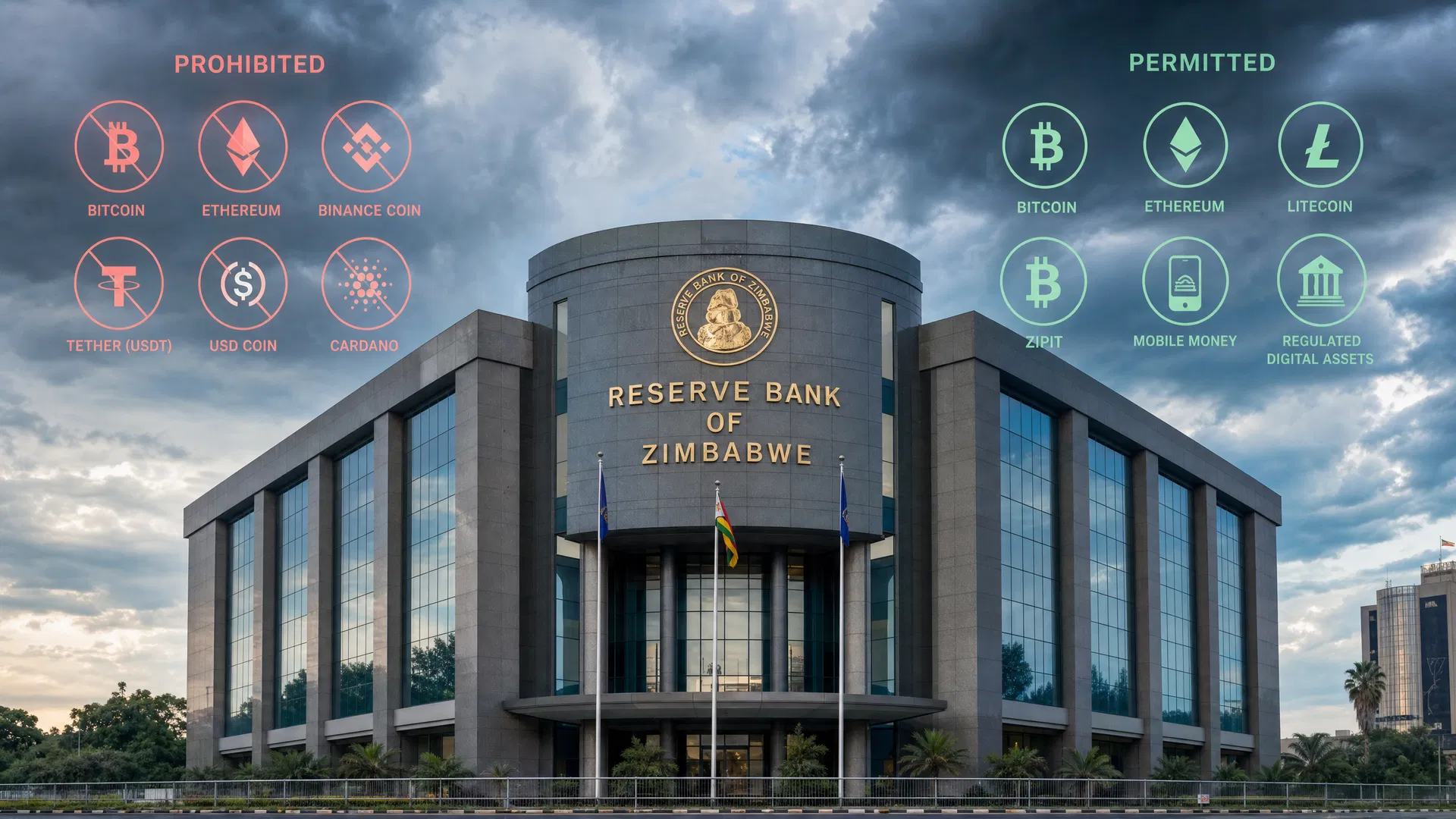
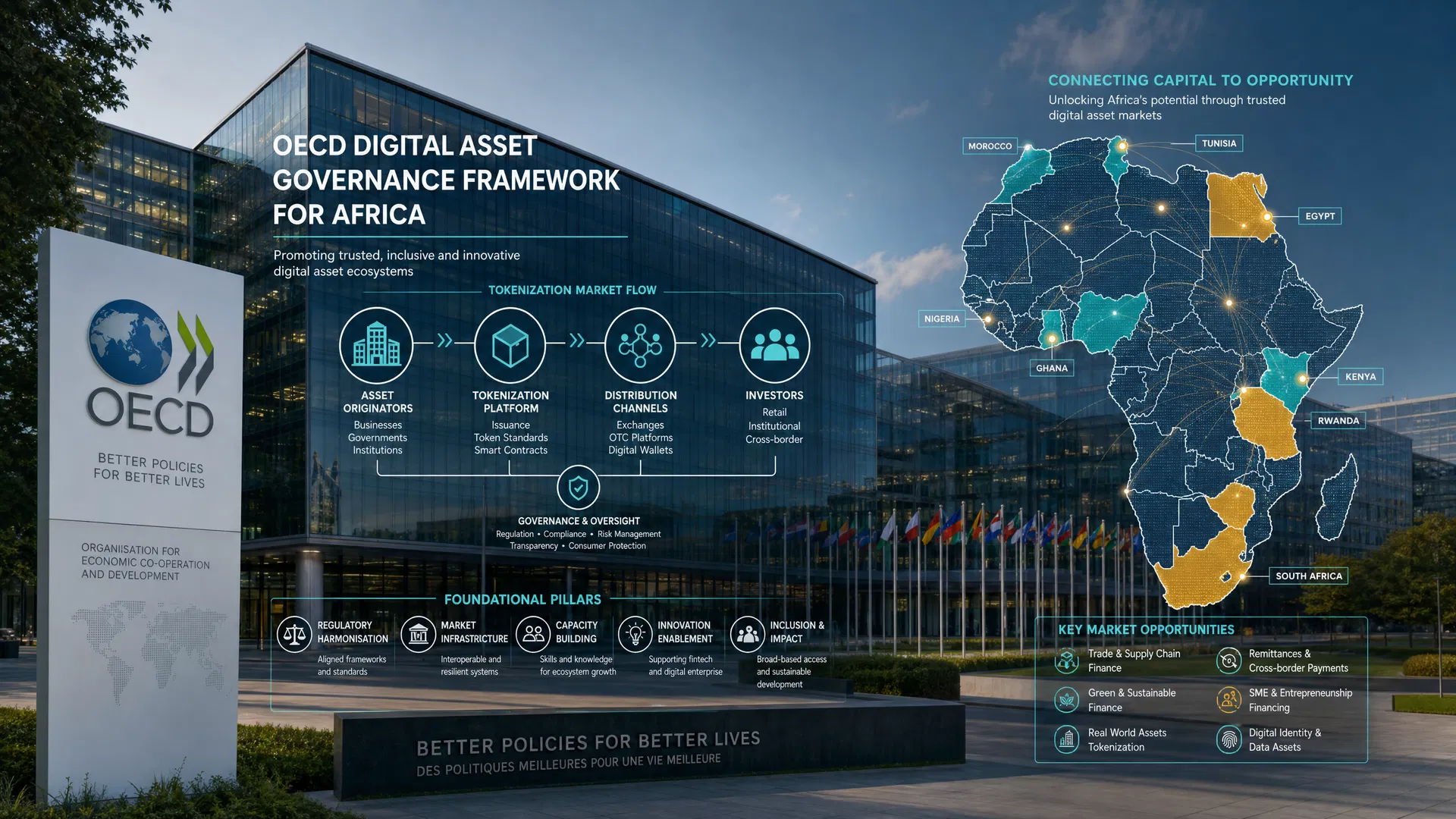
As the ecosystem for digital assets and blockchain technology matures, the regulatory landscape in Central Africa is undergoing a critical evolution. Policymakers are increasingly recognizing the need to balance consumer protection and anti-money laundering compliance with the imperative to foster technological innovation. Several jurisdictions within the region are beginning to draft comprehensive regulatory frameworks designed to provide legal clarity for digital asset service providers and institutional investors. This emerging regulatory certainty is a crucial catalyst for attracting foreign direct investment and encouraging traditional financial institutions to explore tokenization and blockchain integration.
The convergence of blockchain technology and digital assets is undeniably reshaping the financial contours of Central Africa. By addressing the historical inefficiencies of cross-border payments and championing financial inclusion, these innovations are laying the groundwork for a more resilient and interconnected regional economy. The transition from legacy systems to decentralized networks represents a monumental leap forward in Africa's broader digital economy transformation. Ultimately, the strategic deployment of blockchain solutions and tokenized assets will unlock unprecedented economic opportunities, positioning Central Africa as a dynamic hub for digital finance and sustainable growth.
Conclusion: Embracing the Digital Economy Transformation
The ongoing digital economy transformation in Central Africa highlights the immense potential of decentralized technologies to solve real-world financial challenges. As blockchain networks continue to scale and digital assets become more mainstream, the region is well-positioned to overcome historical infrastructural deficits. Institutional investors and policymakers must collaborate closely to ensure that this technological transition is both inclusive and sustainable for all stakeholders involved. Establishing a secure and transparent digital ecosystem will be paramount in maintaining public trust and encouraging widespread adoption.
By prioritizing robust regulatory frameworks and investing in digital literacy, Central Africa can fully harness the power of these financial innovations. The successful integration of crypto remittances and tokenized assets will not only modernize local economies but also attract significant global capital. Furthermore, this proactive approach will empower the next generation of African entrepreneurs to build decentralized applications tailored to regional needs. Ultimately, embracing this digital paradigm shift will serve as a powerful blueprint for emerging markets globally, driving unprecedented economic prosperity.