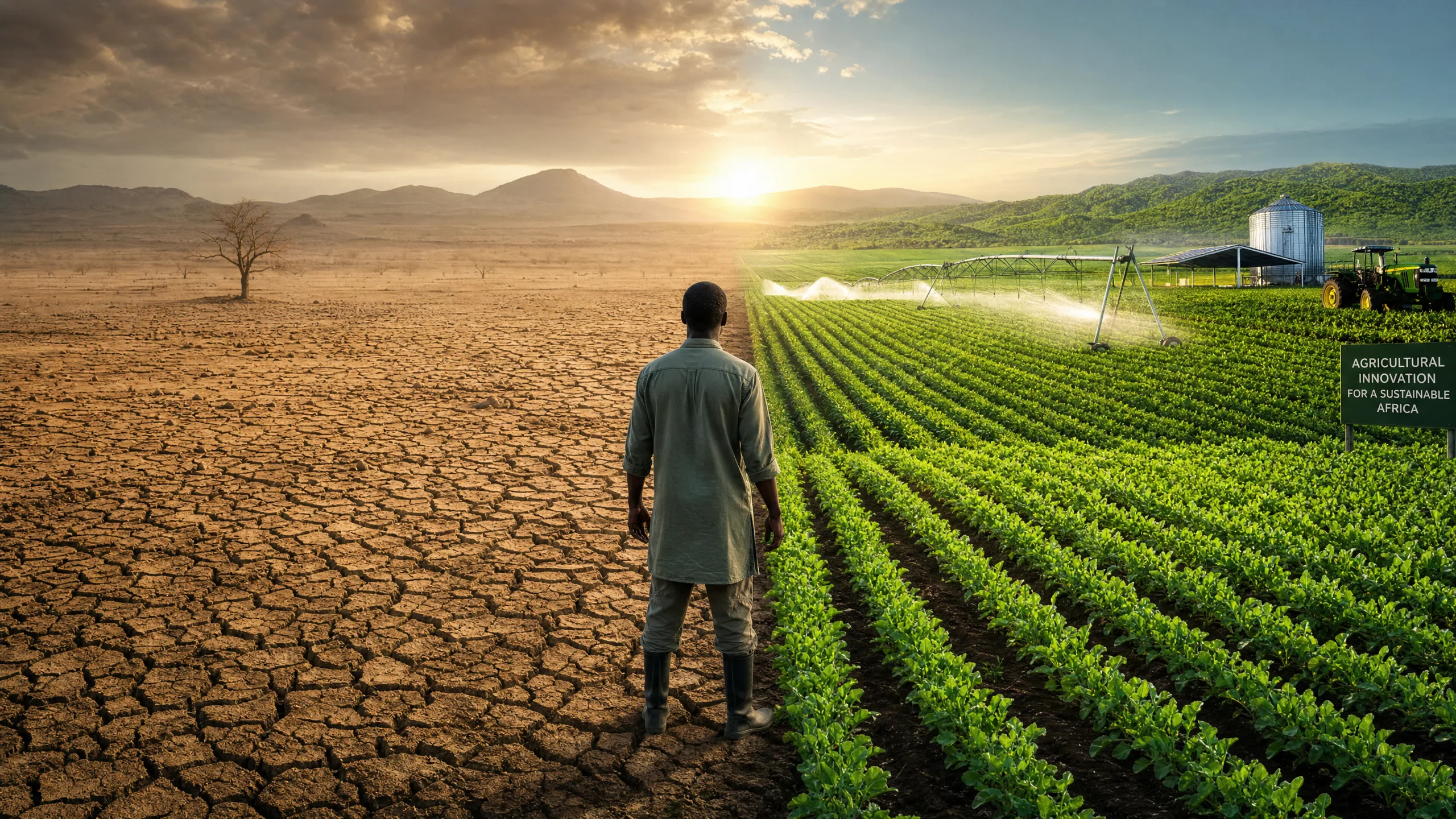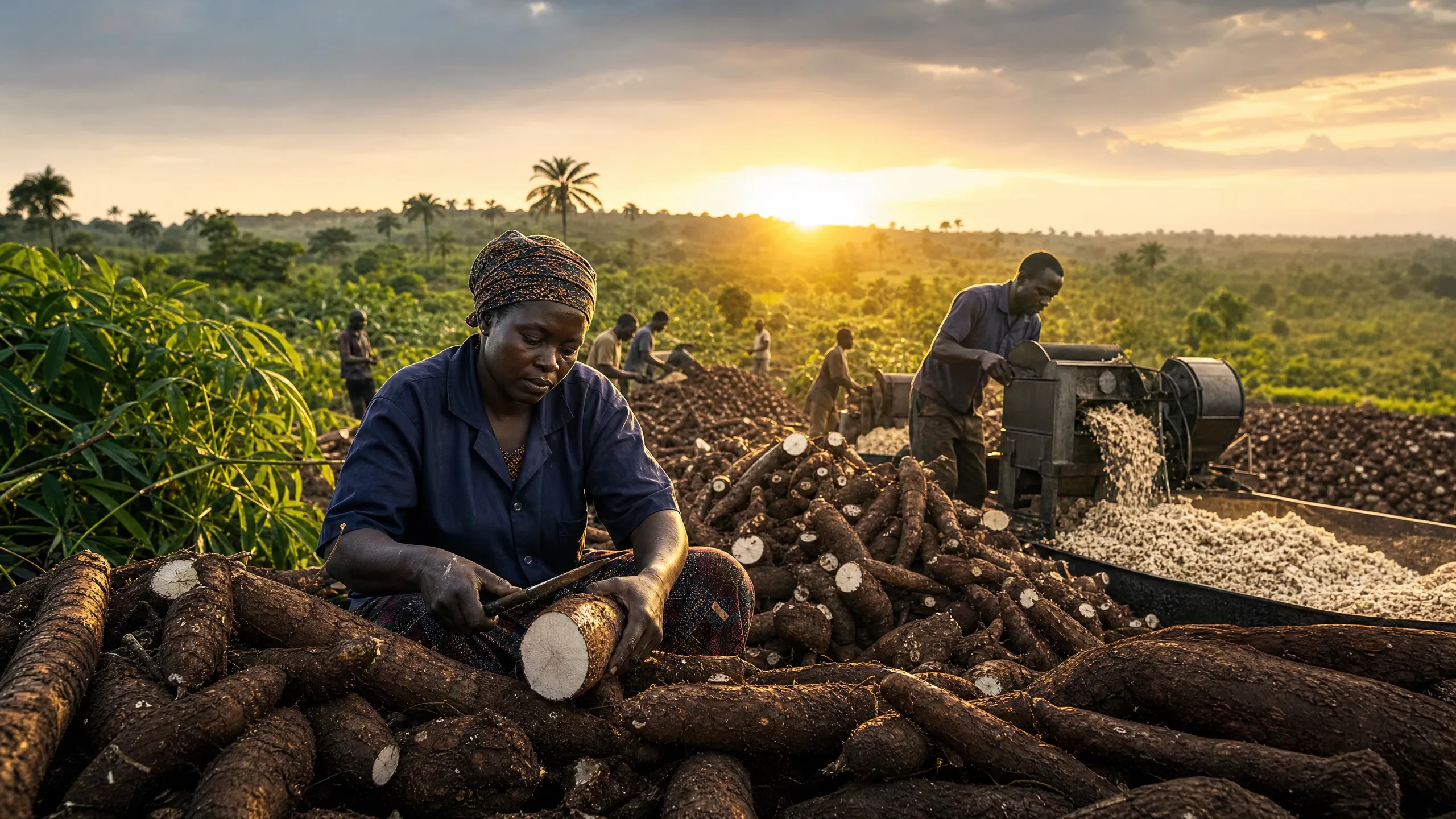
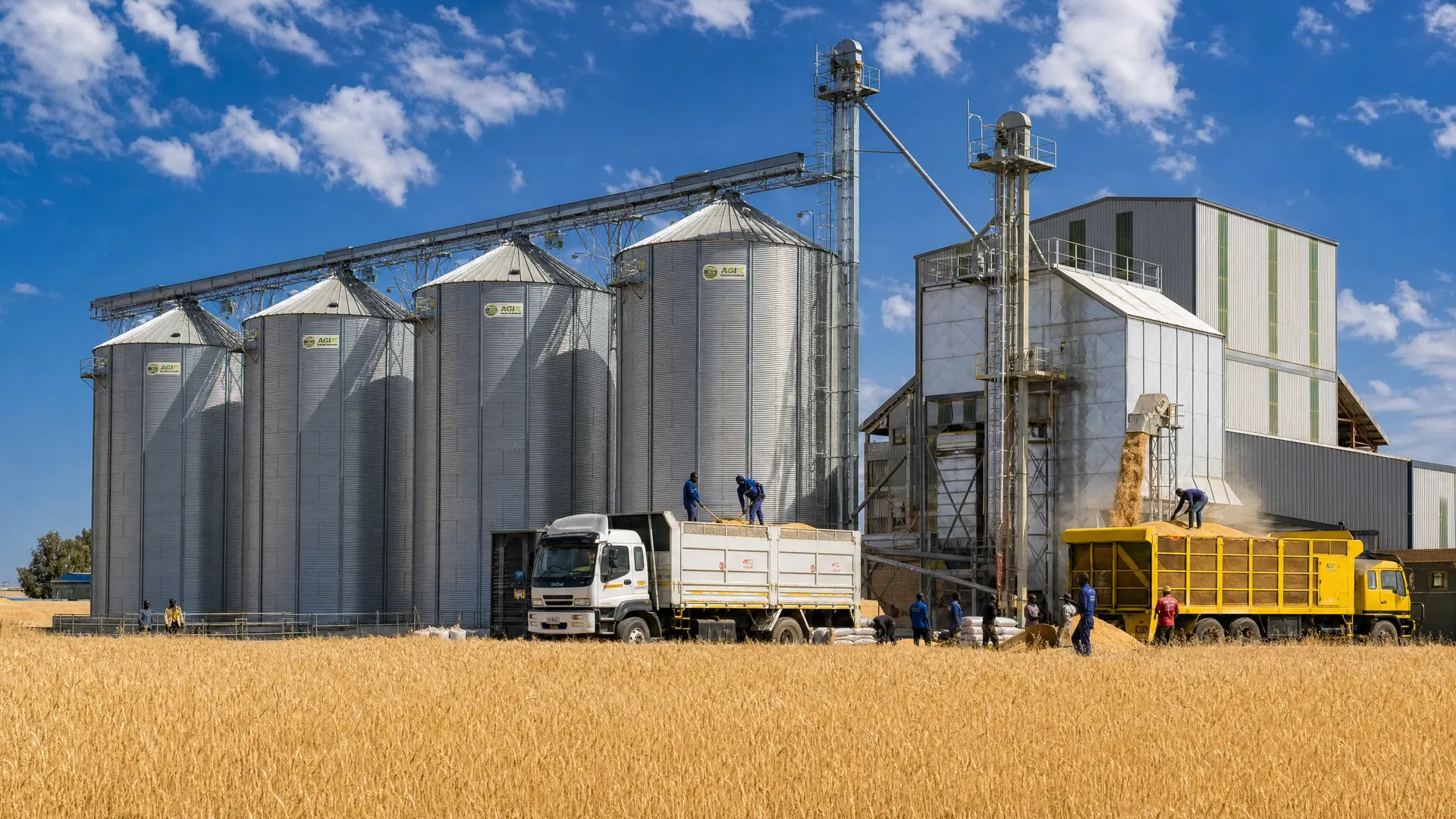
The African agricultural landscape is undergoing a profound transformation, driven by a surge in technological innovation and investment. With over 60% of the world's uncultivated arable land, Africa holds the key to global food security. Yet, historically, the sector has been hindered by inefficiencies, lack of access to finance, and climate vulnerabilities. Today, an $8 billion agritech revolution is rewriting this narrative, deploying cutting-edge solutions from precision farming to blockchain-based supply chains. For institutional investors and policymakers, this digital renaissance presents not just a solution to food insecurity, but a compelling opportunity to tokenize and invest in the continent's most vital asset class.
The Economic Engine: Agriculture's Contribution to African GDP
Agriculture remains the backbone of the African economy, employing a significant portion of the population and contributing substantially to national incomes. In South Africa alone, the agriculture, forestry, and fishing industry contributed an added value of nearly 183.6 billion South African Rand (approximately $10 billion USD) to the GDP in 2025, representing a 4.5% nominal growth. Across the continent, the sector's potential is staggering. The African Development Bank projects that the integration of Artificial Intelligence and digital technologies could add $1 trillion to Africa's GDP by 2035, with agriculture being a primary beneficiary.
This economic weight underscores the critical need for modernization. Traditional farming methods are no longer sufficient to meet the demands of a rapidly growing population or to capitalize on export opportunities. The transition to tech-enabled agriculture is not merely an upgrade; it is an economic imperative that promises to elevate the entire continent's financial standing.
A Surge in Venture Capital and Investment
The financial markets have recognized the immense potential of African agritech. In 2023, cumulative funding for agricultural technology start-ups in Africa reached over $1 billion USD. Despite global economic headwinds, the sector has shown remarkable resilience. By the first half of 2025, African startups across all sectors raised over $1 billion, with agritech consistently ranking among the top recipients of venture capital.
This influx of capital is fueling a diverse ecosystem of startups. Companies are leveraging these funds to scale operations, develop proprietary technologies, and expand their reach across borders. The investment landscape is maturing, moving beyond early-stage seed funding to substantial Series A and B rounds, indicating a strong vote of confidence from global institutional investors in the long-term viability of African agritech solutions.
Pioneering Companies Driving the Revolution
Several key players are at the forefront of this agricultural renaissance, demonstrating the tangible impact of technology on production and efficiency:
- Hello Tractor (Nigeria): Often described as the "Uber for tractors," this company has revolutionized access to farm machinery. By connecting smallholder farmers with tractor owners via a digital platform, Hello Tractor has significantly reduced the time and labor required for land preparation. Having raised $3.6 million in Series A funding, they are a prime example of how the sharing economy can be adapted for agriculture.
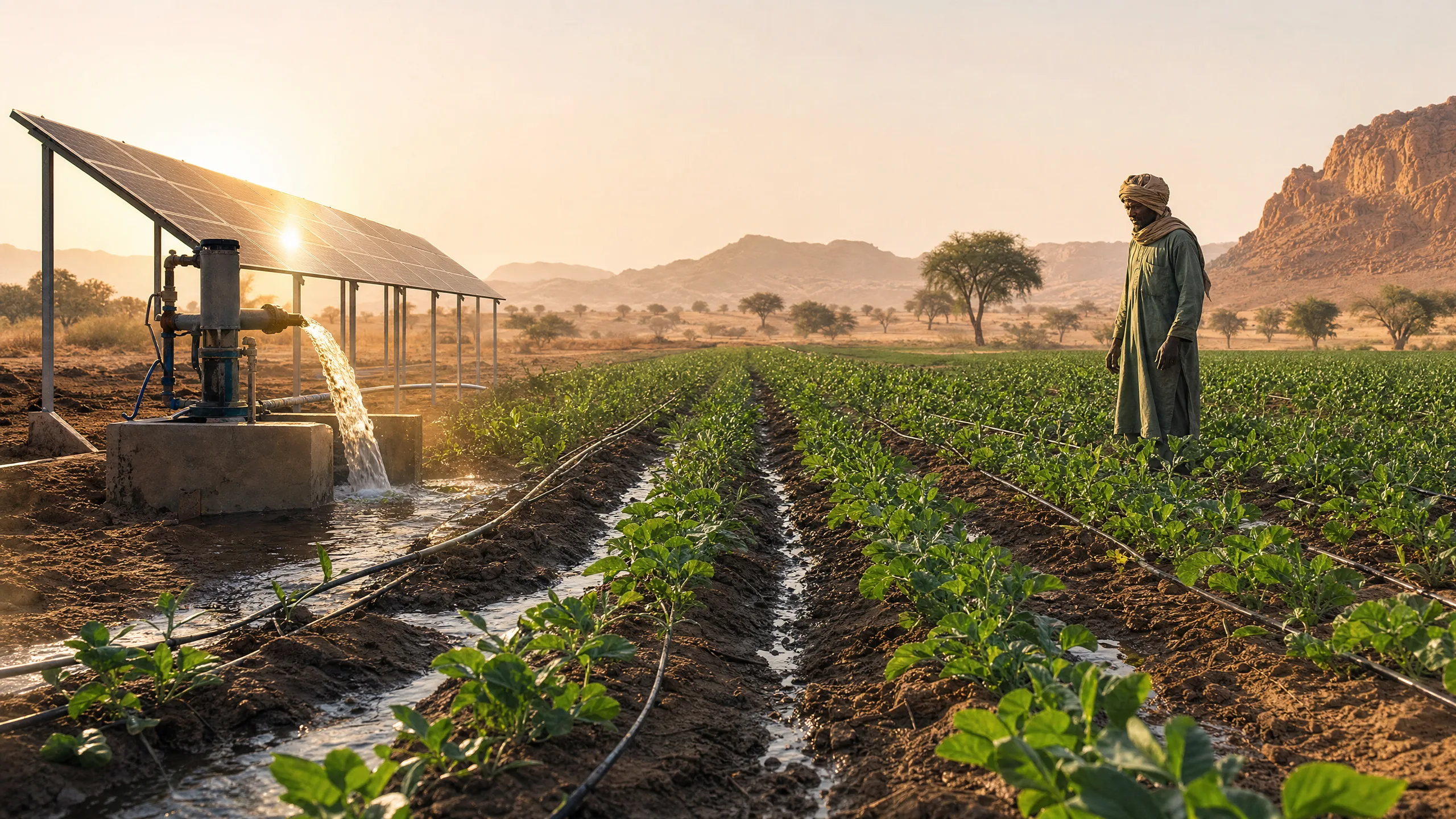
- SunCulture (Kenya): Addressing the critical issue of water management, SunCulture provides solar-powered irrigation systems. With $45.5 million in funding, their technology allows farmers to increase crop yields while reducing water usage and reliance on erratic rainfall, a crucial adaptation to climate change.
- Babban Gona (Nigeria): This agricultural franchise model offers customized farming services, including inputs, credit, and training. By organizing smallholder farmers into cooperatives, Babban Gona claims to increase net incomes by 2.8 to 3.5 times the national average, demonstrating the power of aggregated, tech-enabled farming.
Enhancing Food Security Through Digital Innovation
The ultimate goal of the agritech revolution is to ensure food security for a continent where, in 2024, approximately 163 million people faced acute food shortages. Digital technologies are addressing this challenge on multiple fronts. Precision agriculture, utilizing drones and IoT sensors, allows for optimized resource allocation, ensuring that crops receive the exact amount of water and nutrients they need. This not only maximizes yield but also minimizes waste and environmental impact.
Furthermore, supply chain optimization platforms, such as Kenya's iProcure, are reducing post-harvest losses by connecting producers directly with markets and providing real-time data on demand and pricing. By streamlining the journey from farm to fork, these technologies are ensuring that more food reaches consumers efficiently and affordably.
The Future: Tokenization and Digital Infrastructure
As Africa's agritech sector matures, the integration of digital infrastructure and blockchain technology presents a transformative opportunity for the future. The digitization of agricultural assets—from land titles to crop yields—enables the tokenization of these resources. For platforms like AfriVest, this means creating fractional ownership models that allow global investors to participate directly in Africa's agricultural growth.
Tokenization can provide farmers with unprecedented access to global capital markets, bypassing traditional, often restrictive, financial institutions. It offers investors a transparent, secure, and liquid method to invest in real, productive assets. As the $8 billion agritech market continues to expand, the convergence of agricultural innovation and digital finance will not only secure Africa's food systems but also establish the continent as a leader in the global digital asset economy.