
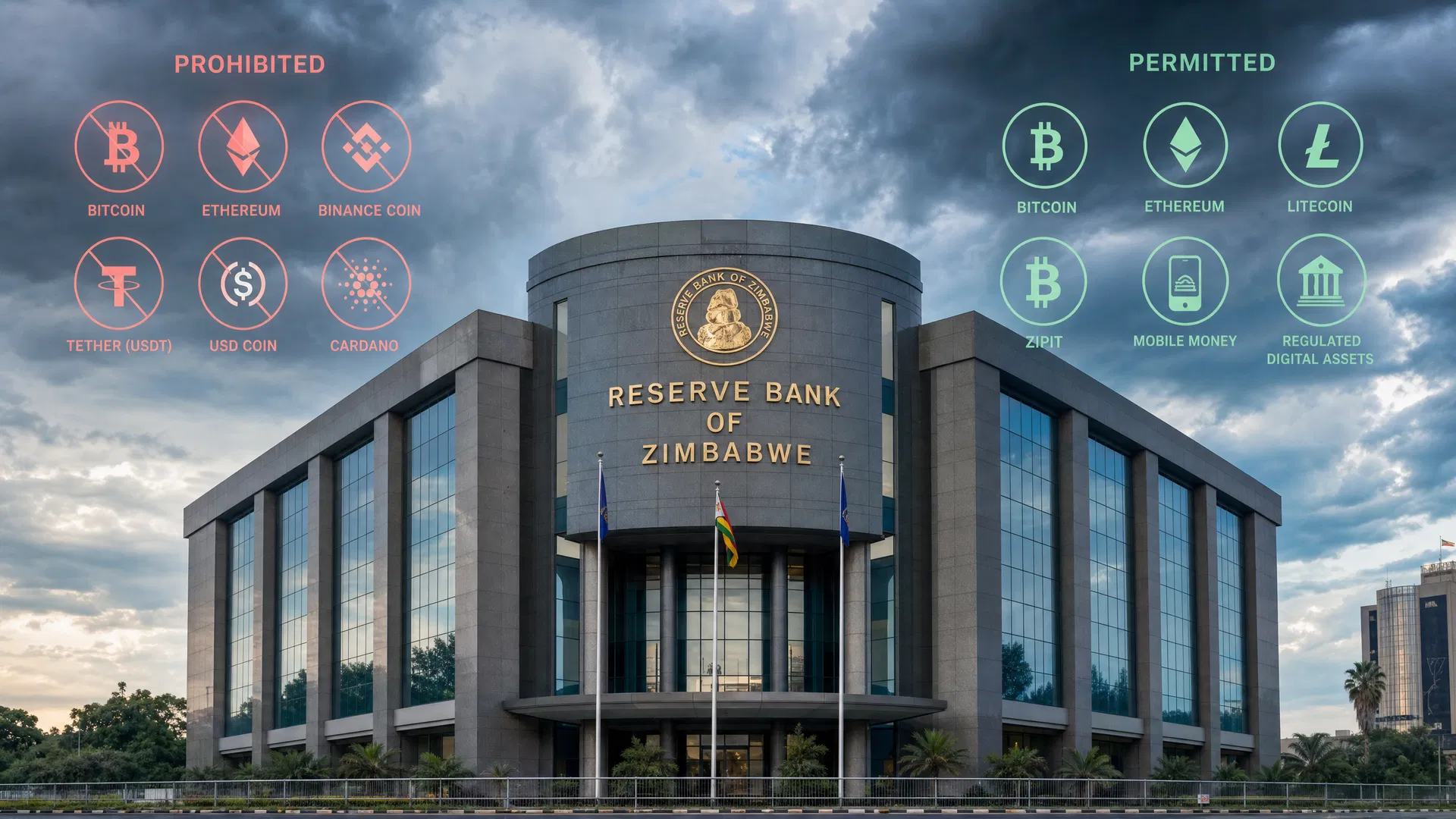
The Evolution of Zimbabwe's Digital Asset Regulatory Framework
The Reserve Bank of Zimbabwe (RBZ) has undergone a significant transformation in its approach to digital assets and cryptocurrencies over the past decade. Initially characterized by skepticism and outright prohibition, the regulatory stance has progressively matured into a structured framework designed to balance innovation with financial stability. In 2017, the RBZ declared that virtual currencies lacked legal tender status, followed by a comprehensive ban in 2018 that prohibited financial institutions from facilitating cryptocurrency transactions. This restrictive approach was primarily driven by concerns over money laundering, fraud, and capital flight in an already fragile economic environment. However, the global proliferation of digital assets and the persistent adoption of cryptocurrencies by Zimbabwean citizens necessitated a strategic pivot. Recognizing that prohibition often drives activity into unregulated parallel markets, the RBZ, in collaboration with other governmental bodies, initiated a consultative process to develop a comprehensive regulatory framework. This shift aligns with broader regional trends across Africa, where central banks are increasingly moving from prohibitive stances to risk-based regulatory models that seek to harness the benefits of digital financial technologies while mitigating associated risks.
Key Provisions of the Emerging Regulatory Landscape
The emerging regulatory framework in Zimbabwe introduces several critical provisions that fundamentally alter the operational landscape for digital asset platforms. Central to this new regime is the mandatory licensing of Virtual Asset Service Providers (VASPs). Under the evolving guidelines, any entity facilitating the exchange, transfer, or safekeeping of digital assets must obtain formal authorization from the relevant regulatory authorities. This licensing process is designed to ensure that only well-capitalized and compliant entities operate within the jurisdiction. Furthermore, the framework imposes stringent Anti-Money Laundering (AML) and Combating the Financing of Terrorism (CFT) obligations. VASPs are required to implement robust Know Your Customer (KYC) procedures, monitor transactions for suspicious activities, and report such activities to the Financial Intelligence Unit (FIU). The regulatory landscape also introduces significant tax implications, notably a 15% Digital Services Withholding Tax on international digital services and a 2% Intermediated Money Transfer Tax (IMTT) on transactions. These fiscal measures are intended to capture revenue from the burgeoning digital economy but simultaneously impose substantial compliance costs on operators.
Data Protection and Privacy Imperatives
In tandem with financial regulations, Zimbabwe has significantly strengthened its data protection regime, which has profound implications for digital asset platforms. The classification of crypto platforms as "data controllers" under Statutory Instrument 155 of 2024 mandates strict adherence to data privacy standards. Platforms must obtain a data controller license from the Postal and Telecommunications Regulatory Authority of Zimbabwe (POTRAZ) and appoint a designated Data Protection Officer (DPO). These requirements align Zimbabwe with regional data protection frameworks, such as South Africa's Protection of Personal Information Act (POPIA) and Kenya's Data Protection Act. For digital asset platforms, this necessitates the implementation of comprehensive data governance frameworks to ensure the secure collection, storage, and processing of user information. Failure to comply with these data protection mandates carries severe penalties, including substantial fines and potential imprisonment for corporate officers. Consequently, platforms must invest heavily in secure infrastructure and regular compliance audits to mitigate regulatory risks and maintain user trust.
Enforcement Mechanisms and Compliance Challenges
The enforcement mechanisms underpinning Zimbabwe's digital asset regulations are robust and multifaceted, reflecting the government's commitment to maintaining financial integrity. The RBZ, in conjunction with the FIU and POTRAZ, exercises rigorous oversight over the sector. The Tax and Revenue Management System (TaRMS) enables real-time monitoring of transactions, significantly enhancing the authorities' ability to detect tax evasion and illicit financial flows. Non-compliance with licensing, AML/CFT, or data protection requirements can result in severe sanctions, ranging from operational suspensions to exorbitant financial penalties. For instance, systemic violations of AML regulations can attract fines of up to US$500,000. These stringent enforcement measures present significant compliance challenges for digital asset platforms, particularly startups and smaller operators. The cumulative burden of licensing fees, tax obligations, and the requisite investment in regulatory technology (RegTech) solutions—such as blockchain analytics tools—substantially increases the cost of doing business. Platforms must navigate this complex regulatory environment carefully to avoid punitive actions while remaining commercially viable.
Strategic Preparation for Digital Asset Platforms
For digital asset platforms operating or planning to enter the Zimbabwean market, proactive strategic preparation is imperative. Platforms must prioritize the development of comprehensive compliance programs that address the multifaceted regulatory requirements. This includes establishing robust AML/CFT frameworks, integrating advanced transaction monitoring systems, and ensuring strict adherence to data protection mandates. Engaging proactively with regulatory authorities is also crucial; platforms should participate in consultative processes and seek clarity on ambiguous regulatory provisions. Furthermore, platforms must optimize their operational structures to manage the significant tax burdens imposed by the new regulations. This may involve restructuring cross-border transactions or leveraging local partnerships to mitigate tax liabilities. As the regulatory landscape continues to evolve, continuous monitoring and adaptation will be essential for sustained success.
Conclusion: Shaping Africa's Digital Economy
Zimbabwe's evolving approach to digital asset regulation reflects a broader paradigm shift across the African continent. As nations recognize the transformative potential of digital financial technologies, regulatory frameworks are transitioning from prohibition to structured integration. For platforms like AfriVest, which are building sovereign digital asset infrastructure, navigating these complex regulatory environments is both a challenge and an opportunity. By aligning with international standards and regional data protection laws, platforms can foster trust, ensure compliance, and drive the adoption of digital assets. Ultimately, the successful implementation of balanced regulatory frameworks will be instrumental in unlocking the full potential of Africa's digital economy, promoting financial inclusion, and facilitating seamless cross-border transactions. The proactive engagement of both regulators and industry stakeholders will be critical in shaping a resilient and innovative digital financial ecosystem.