Introduction: Ghana's Regulatory Evolution in Digital Assets
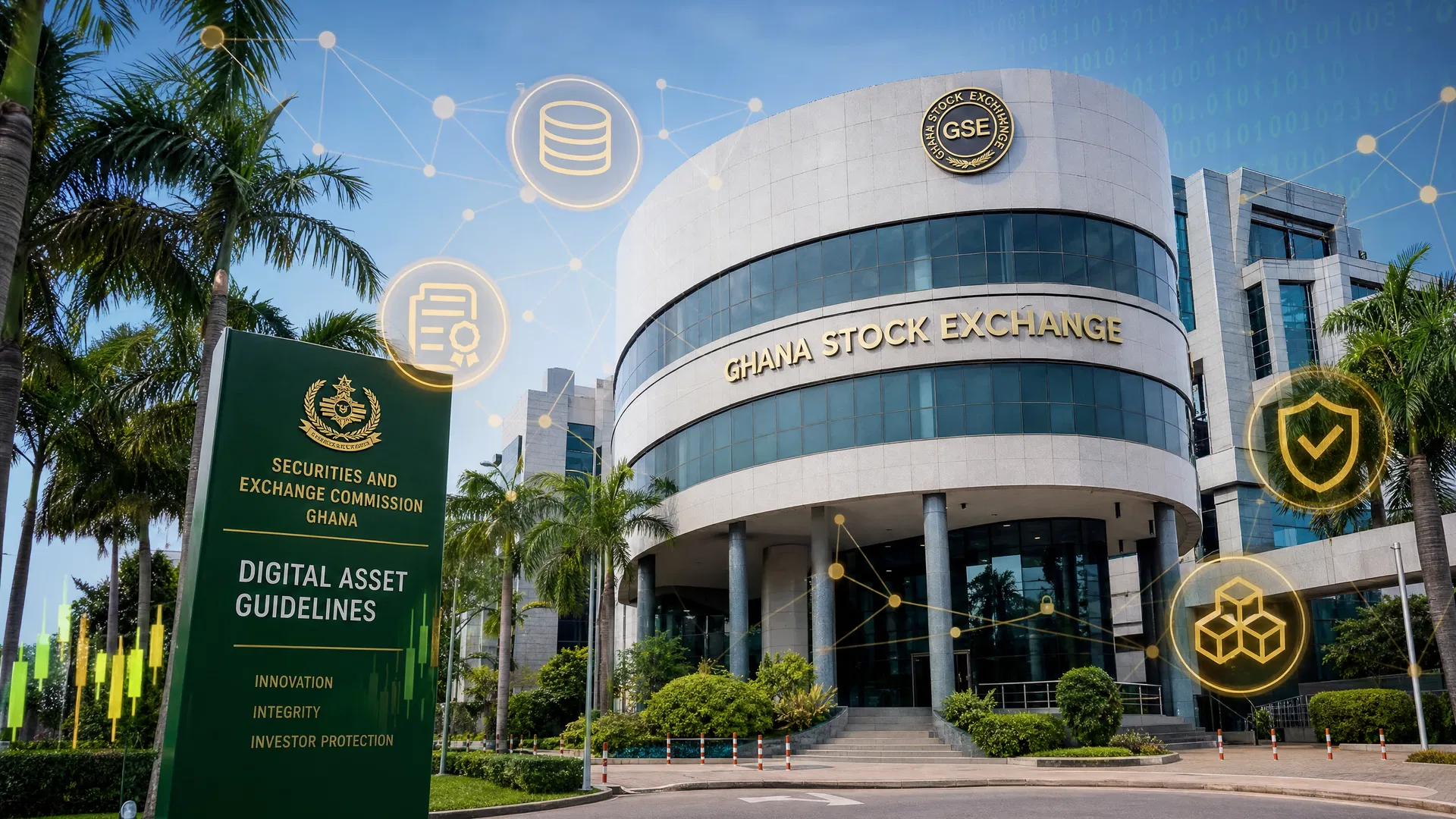
Ghana is rapidly positioning itself as a forward-thinking hub for digital assets and tokenization in West Africa. The recent introduction of the Virtual Asset Service Providers Act, 2025 (Act 1154) and the Securities and Exchange Commission's (SEC) subsequent regulatory sandbox initiatives mark a significant shift in the country's financial policy. This evolution from a restrictive stance to a structured regulatory framework underscores Ghana's commitment to fostering innovation while ensuring market integrity and consumer protection. For institutional investors, policymakers, and fintech operators, understanding these emerging guidelines is crucial for navigating the evolving digital economy.
Regulatory Background and the VASP Act
The regulatory landscape for digital assets in Ghana has undergone a profound transformation. Previously, the Bank of Ghana (BoG) maintained a cautious approach, effectively banning the use of cryptocurrencies within the formal financial sector since 2022. However, recognizing the undeniable growth and potential of digital assets, the government pivoted towards regulation. The passage of the Virtual Asset Service Providers Act, 2025 (Act 1154) established the foundational legal framework for the registration, licensing, and supervision of Virtual Asset Service Providers (VASPs). This legislation empowers both the BoG and the SEC to oversee different facets of the digital asset ecosystem, ensuring a comprehensive regulatory approach that aligns with international standards such as those set by the Financial Action Task Force (FATF) and the International Organization of Securities Commissions (IOSCO).
Key Provisions of the SEC Guidelines
The SEC's approach to digital assets, particularly tokenized securities, emphasizes that while the underlying technology may change, the fundamental principles of securities law remain applicable. The SEC has initiated a year-long regulatory sandbox, selecting 11 crypto exchanges and service providers to pilot the new framework. This sandbox environment allows the SEC to test and refine its guidelines in a controlled setting. Key provisions include stringent requirements for minimum paid-up capital, liquid assets, and robust risk management systems. Furthermore, the SEC is actively exploring the tokenization of traditional assets, with plans to launch Ghana's first tokenized gold and cocoa investment products. This initiative not only democratizes access to these vital commodities but also integrates them into the modern digital financial infrastructure.
Compliance Implications for Digital Asset Platforms
For platforms like AfriVest, which are building sovereign digital asset infrastructure, compliance with Ghana's emerging guidelines is paramount. The new framework necessitates a rigorous approach to Anti-Money Laundering (AML) and Combating the Financing of Terrorism (CFT), aligning with FATF recommendations. Platforms must implement comprehensive Know Your Customer (KYC) procedures and transaction monitoring systems. Additionally, compliance with regional data protection laws, such as Ghana's Data Protection Act (DPA), is critical. Platforms must ensure that the collection, processing, and storage of personal data adhere to strict privacy standards, reflecting the broader principles of the Malabo Convention and other regional frameworks like South Africa's POPIA and Kenya's DPA.
Enforcement Mechanisms and Supervisory Oversight
The enforcement mechanisms under the VASP Act and the SEC's guidelines are designed to maintain market integrity and protect investors. The SEC, in collaboration with the BoG, exercises robust supervisory oversight over licensed entities. This includes regular audits, reporting requirements, and the authority to impose sanctions for non-compliance. The regulatory sandbox serves as a critical tool in this regard, allowing regulators to monitor the operations of participating firms closely and identify potential risks before they systemic. The SEC's proactive stance ensures that only entities that demonstrate a commitment to compliance and operational resilience are permitted to operate within the broader market.
Preparing for the Future: Strategic Alignment
Digital asset platforms operating in or expanding to Ghana must adopt a proactive and strategic approach to compliance. This involves not only adhering to the current guidelines but also anticipating future regulatory developments. Platforms should invest in scalable compliance infrastructure that can adapt to evolving requirements. Engaging with regulators through initiatives like the sandbox can provide valuable insights and foster a collaborative relationship. Furthermore, aligning operations with international standards, such as ISO 20022 for financial messaging and the IMF's CBDC frameworks, will enhance interoperability and facilitate cross-border transactions, positioning platforms for long-term success in the region.
Conclusion: Driving Africa's Digital Economy Transformation
Ghana's emerging tokenization and digital asset guidelines represent a critical milestone in Africa's broader digital economy transformation. By establishing a clear and robust regulatory framework, Ghana is not only mitigating the risks associated with digital assets but also unlocking their potential to drive financial inclusion and economic growth. For platforms like AfriVest, these developments provide a solid foundation for building sovereign digital infrastructure that empowers individuals and institutions alike. As the regulatory landscape continues to mature, Ghana's proactive approach will undoubtedly serve as a model for other African nations, fostering a harmonized and resilient digital financial ecosystem across the continent.