
The Rise of Digital Asset Exchanges in West Africa
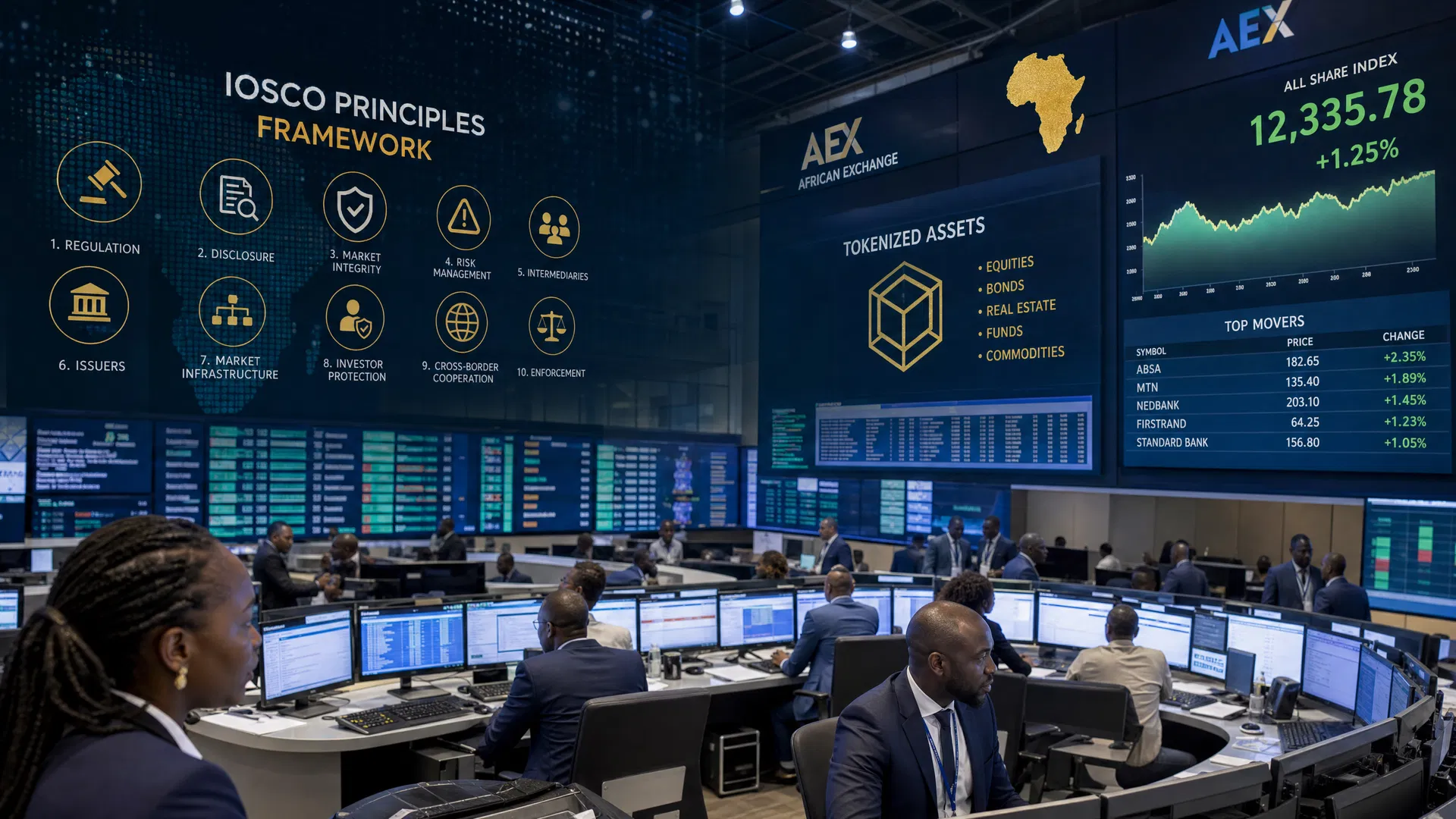
Digital asset exchanges have become instrumental in modernizing securities trading across Africa, with West Africa at the forefront of this transformation. These exchanges utilize blockchain technology to facilitate the buying, selling, and management of digital securities, representing a shift from traditional trading mechanisms. In regions where financial infrastructure often faces inefficiencies, limited transparency, and high transaction costs, digital asset exchanges provide a streamlined alternative aligned with the broader digital economy objectives.
West Africa, home to over 400 million people and experiencing rapid internet penetration growth, is witnessing a surge in fintech innovation built on blockchain-enabled platforms. The African Development Bank reports that digital financial services in West Africa expanded by approximately 35% between 2019 and 2023, highlighting increasing adoption of technology-driven financial solutions. Digital asset exchanges in markets such as Nigeria, Ghana, and Senegal are facilitating securities trading and expanding financial inclusion by offering capital market access to underserved investors and issuers.
Blockchain Exchanges and Their Impact on Securities Trading Africa
Blockchain exchanges are central to innovation in digital securities trading across Africa. Leveraging distributed ledger technology (DLT), these platforms enhance security, reduce settlement times, and increase transparency. Unlike traditional exchanges relying on intermediaries and centralized clearinghouses, blockchain exchanges automate many processes through smart contracts, reducing bottlenecks and mitigating counterparty risks.
In West Africa, blockchain exchanges have introduced tokenization of traditional securities, including equities, bonds, and real estate. Tokenization converts physical or paper-based securities into digital tokens on a blockchain, enabling fractional ownership and easier transferability. This is significant in Africa, where capital markets are often fragmented and illiquid. For example, Nigeria’s Bundil and Ghana’s Yellow Card are integrating tokenized securities to broaden investment opportunities and improve liquidity, contributing to a more accessible securities market.
Regulatory Frameworks Facilitating Digital Securities Trading
The growth of digital asset exchanges in West Africa is supported by evolving regulatory frameworks. Policymakers and financial regulators are increasingly recognizing blockchain technology and digital securities trading as catalysts for economic growth and foreign investment. Regulatory adaptations are addressing the risks and opportunities of digital assets, ensuring innovation proceeds with investor protection.
Nigeria’s Securities and Exchange Commission (SEC) has issued specific guidelines on digital assets, establishing compliance protocols for exchanges and issuers. Similarly, Ghana is revising its Securities Industry Law to accommodate digital securities and their trading. These regulatory developments provide a predictable environment for institutional investors and encourage compliant blockchain exchange growth. Regional efforts, such as the West African Monetary Zone’s (WAMZ) fintech regulatory harmonization, further enhance prospects for cross-border securities trading powered by digital asset exchanges.
Digital Asset Exchanges as Catalysts for Financial Inclusion
Digital asset exchanges are revolutionizing securities trading and advancing financial inclusion in West Africa. Traditional capital markets have often excluded retail investors due to high entry barriers and complexity. Blockchain-based platforms lower these barriers, making digital securities accessible to a broader demographic, including small and medium-sized enterprises (SMEs), diaspora investors, and first-time traders.
Tokenization enables fractional ownership, reducing minimum investment thresholds and allowing diversified participation in securities markets. This democratization is critical in West Africa, where a large informal economy remains disconnected from formal capital markets. Platforms like Bitland in Ghana tokenize land titles, enabling individuals to trade real estate assets more efficiently. Such initiatives increase liquidity and capital mobilization, supporting economic development and empowering underserved populations.
Integration with Africa’s Digital Economy Transformation
Digital asset exchanges are integral to Africa’s broader digital economy transformation. As public and private sectors invest in digital infrastructure — including mobile networks, cloud services, and blockchain hubs — the foundation for scalable, secure securities trading strengthens. Growth in digital payments and e-commerce complements this trend, creating an ecosystem favorable to advanced digital financial services.
West Africa’s digital economy is projected to contribute over $300 billion to GDP by 2025, with fintech playing a leading role. Blockchain-enabled digital securities trading fits naturally into this growth, enabling interoperability between financial services and other digital sectors. Additionally, data generated by these exchanges enhances market analytics, credit scoring, and risk management, improving financial market sophistication. Institutional investors and policymakers increasingly view blockchain-based digital asset exchanges as essential to Africa’s future financial infrastructure.
Looking Ahead: Opportunities for Digital Infrastructure Development
The expansion of digital asset exchanges in West Africa presents opportunities for developing robust digital infrastructure tailored to regional needs. Investments in scalable blockchain networks, secure data centers, and regulatory technology (RegTech) solutions are vital to sustain growth and manage risks. Public-private partnerships can accelerate infrastructure deployment and foster innovation ecosystems involving startups, academia, and regulators.
Future interoperability among regional digital asset exchanges could unlock cross-border securities trading, enhancing liquidity and market depth. Integrating digital identity solutions and decentralized finance (DeFi) protocols may streamline investor onboarding and introduce novel financial products. As digital securities trading gains traction, Africa has the potential to bypass traditional capital market constraints, positioning itself as a global blockchain finance hub.
Institutional investors and policymakers must prioritize strategic investments in digital infrastructure and adaptive regulatory frameworks to support sustainable growth. By doing so, they will harness the full potential of digital asset exchanges and contribute to an inclusive, transparent, and resilient financial ecosystem driving Africa’s economic transformation into the future.