
Understanding Traditional Securities in African Markets
Traditional securities have long been the backbone of investment portfolios within Southern Africa’s financial landscape. These instruments, including stocks, bonds, and debentures, represent ownership or creditor relationships and are typically issued and traded through established stock exchanges and regulated intermediaries. In Southern Africa, markets such as the Johannesburg Stock Exchange (JSE) have played a pivotal role in facilitating capital formation and liquidity. According to the World Federation of Exchanges, the JSE had a market capitalization exceeding $1 trillion in recent years, underscoring the scale of traditional securities within the region.
The infrastructure supporting traditional securities is well-established but often limited by legacy systems that rely heavily on manual processes and intermediated clearing and settlement. This can result in higher transaction costs, longer settlement times, and reduced transparency. Additionally, access to these markets remains relatively constrained for retail investors due to regulatory complexities and minimum investment thresholds. Despite these challenges, traditional securities continue to be integral to institutional investment strategies and government financing in Southern Africa.
Moreover, the regulatory frameworks governing traditional securities in African markets typically emphasize investor protection, market integrity, and systemic stability. Regulators such as the Financial Sector Conduct Authority (FSCA) in South Africa impose stringent disclosure requirements and licensing regimes. However, these frameworks were primarily designed for conventional paper-based or electronic securities and often lack provisions for emerging digital assets, creating a gap in oversight as the digital economy expands.
Emergence and Characteristics of Digital Securities
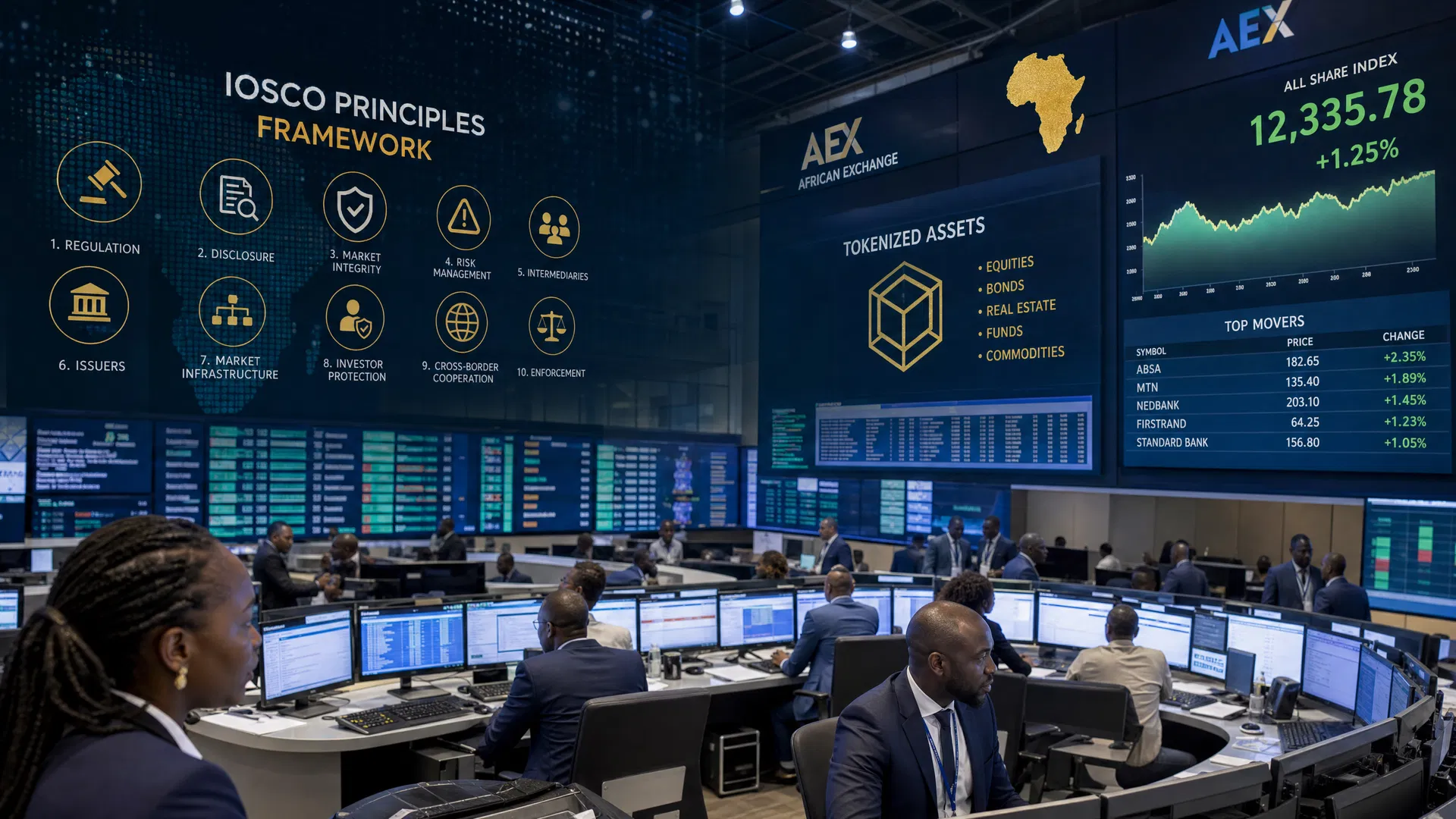
Digital securities, also known as security tokens, represent a transformative innovation within the African markets, leveraging blockchain finance to digitize ownership rights. Unlike traditional securities, digital securities are issued, recorded, and transferred on blockchain platforms, enabling immutable and transparent ledgers. This tokenization process encapsulates assets in digital tokens that can represent equities, bonds, real estate, or other financial instruments, facilitating fractional ownership and enhanced liquidity.
In Southern Africa, the rise of blockchain technology has fostered new opportunities for digital securities. For instance, companies like Africrypt and platforms such as 22seven have begun exploring tokenized asset offerings, signaling a shift towards more accessible and efficient investment vehicles. According to a 2023 report by the African Digital Finance Association, digital securities issuance in the region grew by approximately 40% year-on-year, highlighting the increasing adoption of blockchain finance mechanisms.
Digital securities offer several advantages over their traditional counterparts. They enable near-instantaneous settlement, reduce counterparty risk through smart contracts, and lower operational costs by minimizing the need for intermediaries. Furthermore, tokenization democratizes access by allowing smaller investors to participate in markets previously limited to institutional players. These factors align with Africa’s broader digital economy transformation, where innovative technologies are driving financial inclusion and capital market development.
Comparative Analysis: Traditional vs Digital Securities
When comparing traditional securities to digital securities in African markets, several critical distinctions emerge, particularly regarding liquidity, transparency, and regulatory complexity. Traditional securities benefit from mature ecosystems and well-understood legal frameworks but often suffer from inefficiencies in settlement and limited fractional ownership. By contrast, digital securities harness blockchain finance to offer greater transparency through decentralized ledgers and programmable compliance via smart contracts.
Liquidity is a significant differentiator; traditional securities rely on centralized exchanges and can be less accessible to retail investors. Digital securities, however, can be traded on decentralized exchanges or peer-to-peer platforms, enhancing market depth and reducing barriers. For example, tokenized real estate assets in Johannesburg have seen secondary market activity increase by 25% compared to conventional property investment vehicles, indicating a tangible liquidity premium.
Transparency is also enhanced with digital securities, as blockchain technology ensures all transactions are time-stamped and publicly verifiable without compromising investor privacy. This contrasts with traditional securities, where information asymmetry and opaque settlement processes persist. Nonetheless, regulatory challenges remain for digital securities, particularly as existing laws in Southern Africa often do not explicitly address tokenized assets, leading to uncertainty regarding compliance and investor protection.
Regulatory Frameworks and Challenges in Southern Africa
The regulatory landscape for securities in Southern Africa is evolving to accommodate the rise of digital securities but remains fragmented across jurisdictions. Traditional securities are governed by established authorities such as the FSCA in South Africa and the Securities and Exchange Commission of Zimbabwe, with comprehensive rules on issuance, trading, and disclosure. However, these frameworks often lack specific provisions for blockchain-based instruments, posing challenges for innovators and investors alike.
In recent years, policymakers have begun exploring regulatory sandboxes and guidelines to integrate digital securities within existing legal structures. For instance, the South African Reserve Bank has initiated consultations on central bank digital currencies and blockchain frameworks, signaling openness to digital finance innovation. Similarly, Namibia’s Financial Institutions Supervisory Authority (NAMFISA) has issued preliminary guidance on digital asset regulation.
Despite progress, significant regulatory hurdles persist, including concerns over anti-money laundering (AML), know-your-customer (KYC) compliance, and cross-border enforcement. The lack of harmonized standards across Southern African Development Community (SADC) members complicates the issuance and trading of digital securities on a regional scale. Addressing these regulatory gaps is essential to fully leverage blockchain finance for capital market development.
Conclusion: The Future of Securities in Africa
As African markets continue to evolve, the transition from traditional securities to digital securities represents a profound shift in the financial landscape. By embracing blockchain finance and tokenization, the region can unlock new levels of liquidity, transparency, and accessibility for investors. The ongoing development of robust regulatory frameworks will be crucial in supporting this transformation and ensuring market stability. Ultimately, the integration of digital securities offers unprecedented digital infrastructure opportunities, positioning Africa as a dynamic player in the global digital economy.