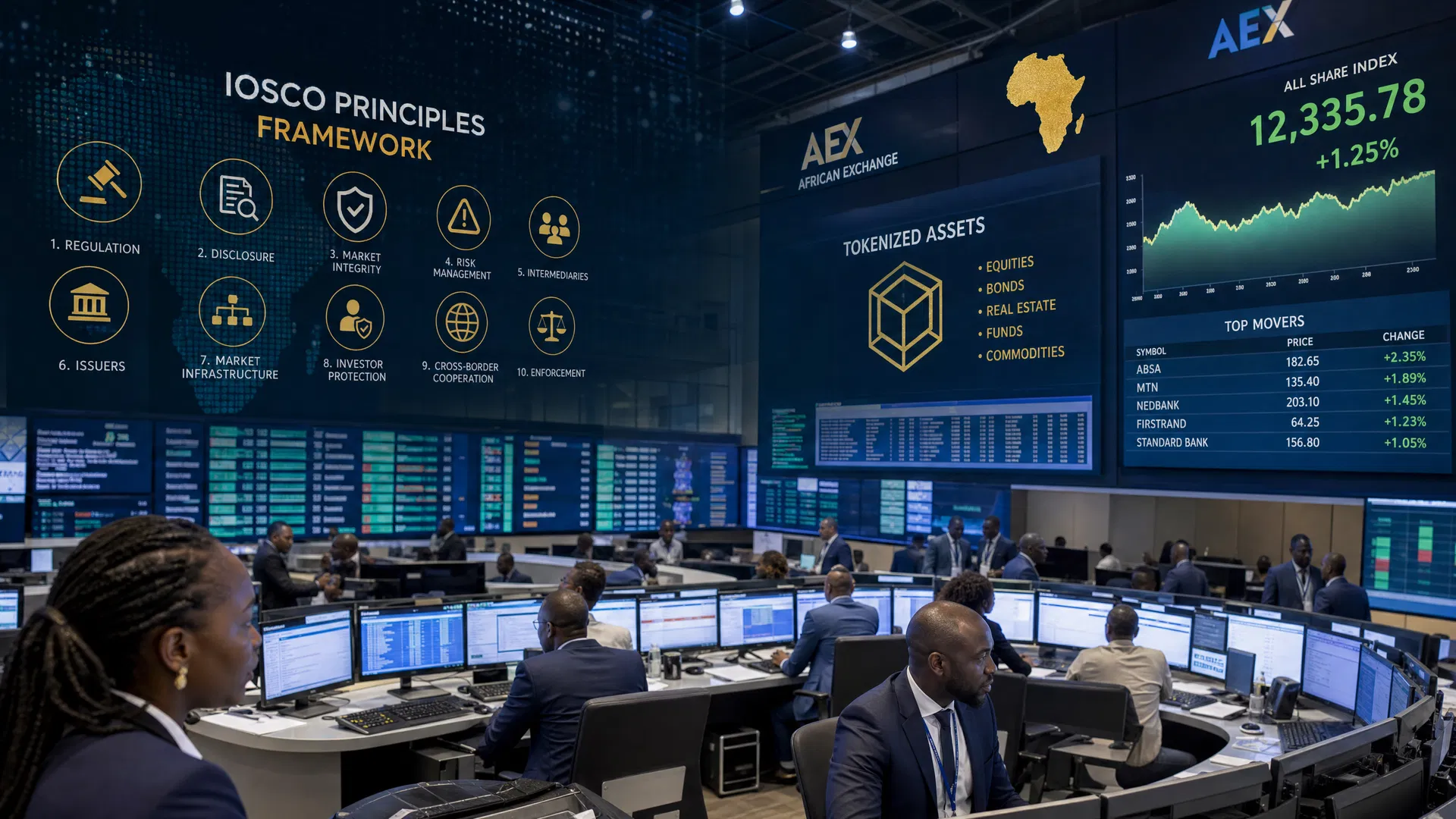

Introduction to Digital Securities in Africa
The financial landscape across the African continent is undergoing a profound transformation, driven by the rapid adoption of blockchain technology. As institutional investors seek to modernize capital markets, the emergence of digital securities Africa represents a critical milestone. Digital securities, which are blockchain-based representations of traditional financial instruments, offer unprecedented opportunities for enhancing liquidity. However, the successful integration of these innovative assets into the mainstream financial ecosystem requires robust regulatory frameworks.
Policymakers are increasingly recognizing that without clear guidelines, the potential benefits of tokenization could be overshadowed by market risks. Consequently, establishing comprehensive rules is essential for fostering a secure environment that encourages domestic and international investment. The ongoing dialogue between regulators and industry stakeholders is crucial for shaping policies that balance innovation with necessary safeguards. As the continent embraces digital transformation, the development of tailored regulations will play a pivotal role.
The Evolution of East Africa Finance and Blockchain
East Africa has emerged as a dynamic hub for financial innovation, characterized by a strong appetite for digital banking solutions. The region's historical success with mobile money platforms has laid a solid foundation for the next wave of technological advancement. East Africa finance is now at the forefront of exploring how decentralized systems can revolutionize capital markets and streamline transactions. By leveraging blockchain, financial institutions can significantly reduce settlement times and mitigate counterparty risks.
Furthermore, the tokenization of assets presents a unique opportunity to fractionalize ownership, allowing a broader population segment to participate. This democratization of finance aligns perfectly with the broader goals of financial inclusion that many nations are actively pursuing. As blockchain technology matures, its application in the issuance and trading of digital securities is expected to grow exponentially. The synergy between East Africa's innovative spirit and blockchain is poised to reshape the economic landscape.
Navigating Regulatory Frameworks for Tokenization
The transition towards a tokenized economy necessitates the establishment of clear regulatory frameworks that can accommodate unique digital assets. Across Africa, regulatory bodies are grappling with the challenge of classifying digital securities and determining the appropriate oversight level. Developing effective regulatory frameworks involves a delicate balancing act between fostering technological innovation and mitigating systemic financial risks. Regulators must address critical issues such as anti-money laundering compliance and ensuring robust cybersecurity measures are in place.
In many jurisdictions, authorities are exploring the implementation of regulatory sandboxes to test digital security products under regulatory supervision. This collaborative approach enables policymakers to gain valuable insights into the operational mechanics of blockchain-based assets and legal landscapes. Furthermore, cross-border cooperation among regulatory agencies is increasingly recognized as a critical component for establishing a unified governance approach. Ultimately, the harmonization of regulatory standards across different African nations will be vital for facilitating cross-border investments.
Ensuring Securities Compliance in a Decentralized Era
As the adoption of digital securities accelerates, ensuring strict adherence to securities compliance becomes a paramount concern for issuers. The decentralized nature of blockchain technology introduces novel challenges in monitoring transactions and enforcing traditional regulatory requirements across platforms. To address these complexities, market participants must leverage advanced technological solutions to automate compliance processes and embed regulatory rules. This concept of programmable compliance ensures that digital securities can only be traded between verified and authorized parties securely.
Furthermore, robust identity verification protocols must be seamlessly integrated into the onboarding processes of digital asset exchanges to maintain integrity. Securities compliance in the digital age also requires continuous monitoring capabilities to provide regulators with real-time visibility into market activities. Industry stakeholders are increasingly collaborating to develop standardized compliance frameworks that can be universally applied across various blockchain networks. By prioritizing compliance and transparency, the digital securities ecosystem can build the trust required to attract institutional capital.
The Impact of Blockchain Regulation on Institutional Investment
The influx of institutional capital into the African digital securities market is heavily contingent upon the clarity of blockchain regulation. Institutional investors operate under strict fiduciary duties and require high legal certainty before allocating capital to assets. Comprehensive blockchain regulation provides these entities with the necessary assurance that their investments are protected against fraud and operational failures. When regulatory authorities establish clear guidelines for the custody and trading of digital securities, it significantly lowers perceived risk profiles.
This encourages institutional participation, which brings essential liquidity, stability, and maturity to the nascent digital asset markets. Moreover, well-defined regulations can facilitate the integration of digital securities with traditional financial infrastructure, enabling seamless interoperability between systems. Financial institutions are actively seeking regulatory clarity to confidently develop and deploy innovative investment products tailored to the African market. As African nations continue to refine their regulatory approaches, the resulting legal clarity will serve as a powerful investment catalyst.
Conclusion: Digital Infrastructure Opportunities
The ongoing development of regulatory frameworks for digital securities in Africa represents a critical juncture in the continent's transformation journey. As East Africa pioneers innovative financial solutions, establishing clear regulations will be the linchpin for unlocking blockchain technology. The convergence of traditional finance and decentralized systems offers unprecedented digital infrastructure opportunities, ranging from interoperable trading platforms to custody. By fostering a regulatory environment that encourages innovation while safeguarding market integrity, African nations can position themselves as global leaders.
The successful implementation of these frameworks will not only attract significant foreign direct investment but also empower local enterprises efficiently. Looking ahead, the continued collaboration between policymakers, financial institutions, and technology providers will be essential for building a resilient ecosystem. As the regulatory landscape matures, the integration of digital assets into mainstream finance will likely accelerate, creating new wealth avenues. Ultimately, the strategic embrace of digital securities and blockchain technology will play a transformative role in driving economic growth.