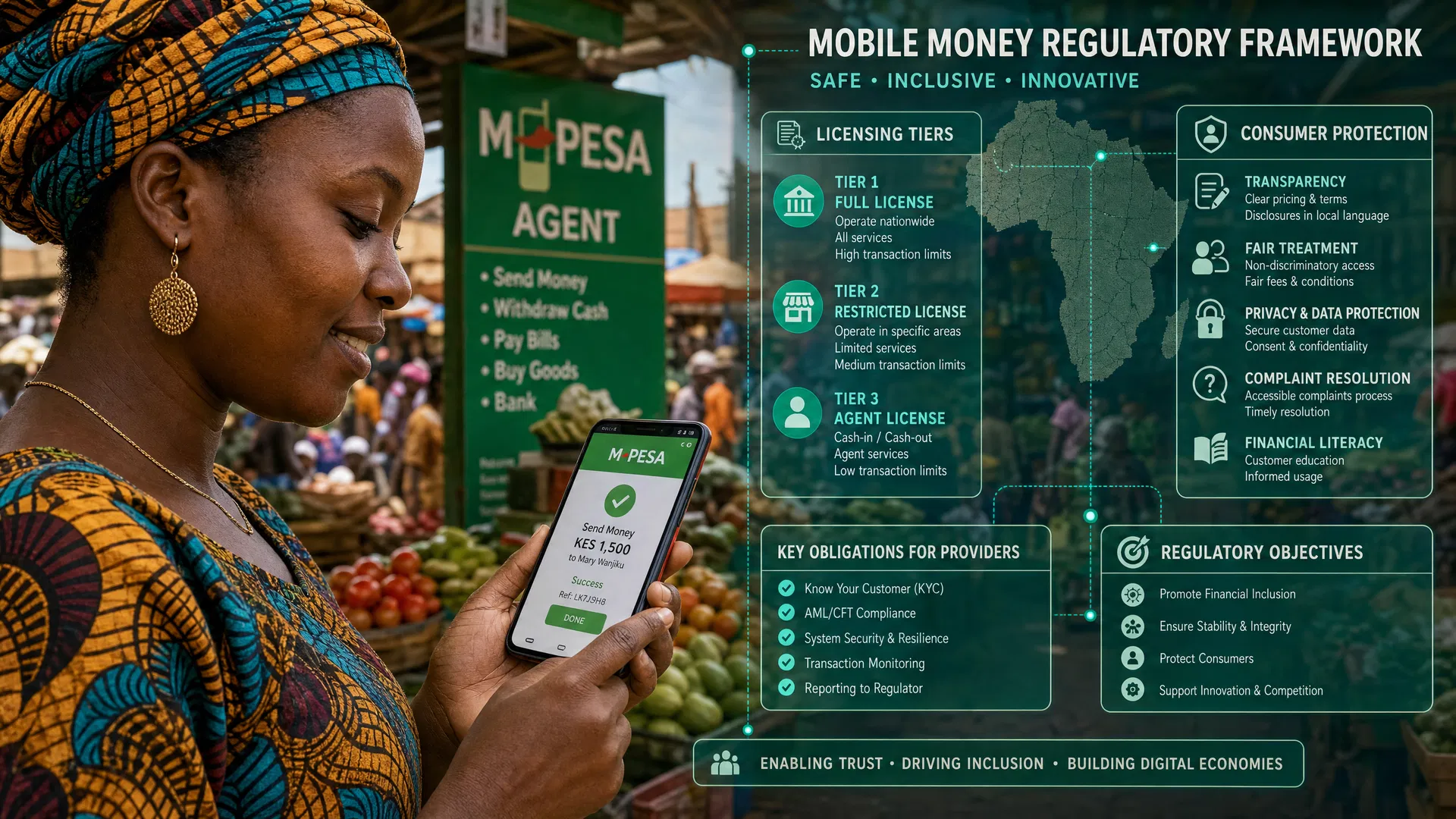

The Evolution of Insurtech Regulation in Africa
The African insurance landscape is undergoing a profound transformation, driven by the rapid proliferation of insurance technology (insurtech) solutions. Historically characterized by low penetration rates—averaging less than three percent across the continent—the insurance sector is increasingly leveraging digital platforms to reach underserved populations. This digital shift necessitates a robust regulatory framework to balance innovation with consumer protection and systemic stability. Regulatory bodies across key African markets, including South Africa, Kenya, Nigeria, and Egypt, are actively developing and refining their approaches to insurtech. These efforts are deeply intertwined with broader digital economy initiatives, including the development of sovereign digital asset infrastructure, central bank digital currencies (CBDCs), and comprehensive digital identity systems. As platforms like AfriVest build the foundational infrastructure for Africa's digital future, understanding the nuances of insurtech regulation becomes paramount for institutional investors, policymakers, and fintech operators.
The regulatory background of insurtech in Africa is rooted in the broader financial technology evolution. Initially, regulators adopted a cautious approach, applying traditional insurance frameworks to novel digital models. However, the unique characteristics of insurtech quickly exposed the limitations of legacy regulations. In response, progressive jurisdictions have introduced regulatory sandboxes. For instance, the Capital Markets Authority (CMA) in Kenya and the Intergovernmental Fintech Working Group (IFWG) in South Africa have established sandboxes that allow insurtech startups to test their products in a controlled environment. Furthermore, the integration of insurtech with digital asset platforms requires alignment with international standards, including those set by the Financial Action Task Force (FATF) and the International Organization of Securities Commissions (IOSCO), ensuring that African markets remain globally competitive and compliant.
Key Provisions and Legislative Frameworks
The legislative frameworks governing insurtech across Africa are multifaceted, encompassing insurance-specific regulations, data protection laws, and anti-money laundering directives. A central pillar of these frameworks is the protection of consumer data, given the data-intensive nature of insurtech operations. Regional data protection laws, such as South Africa's Protection of Personal Information Act (POPIA) of 2013, Nigeria's Data Protection Act (NDPA) of 2023, and Kenya's Data Protection Act of 2019, impose stringent requirements on the collection, processing, and storage of personal information. These laws mandate explicit consent, data minimization, and cross-border data transfer restrictions. The Malabo Convention on Cyber Security and Personal Data Protection further underscores the continent's commitment to harmonizing data privacy standards.
Beyond data protection, key provisions in insurtech regulation focus on prudential requirements, market conduct, and operational resilience. Regulatory bodies, such as the National Insurance Commission (NAICOM) in Nigeria and the Financial Sector Conduct Authority (FSCA) in South Africa, are increasingly scrutinizing the operational models of digital insurance providers. For platforms integrating insurtech with digital assets or stablecoins, compliance extends to frameworks governing virtual asset service providers. The alignment with the Financial Stability Board (FSB) and the Organization for Economic Co-operation and Development (OECD) guidelines ensures that insurtech innovations do not introduce systemic risks. Furthermore, the implementation of ISO 20022 standards for financial messaging facilitates interoperability between insurtech platforms and traditional financial institutions.
Compliance Implications for Digital Platforms
The evolving regulatory landscape presents significant compliance implications for digital asset platforms and insurtech operators. Navigating the complex web of regional and international regulations requires a proactive and comprehensive approach to compliance management. One of the primary challenges is ensuring adherence to diverse data protection regimes across different African jurisdictions. Platforms must implement robust data governance frameworks that comply with local laws, such as the Data Protection Act of Ghana and the Personal Data Protection Act (PDPA) of Rwanda, while maintaining the operational agility required for cross-border expansion. Additionally, the integration of digital identity solutions is crucial for meeting Know Your Customer and anti-money laundering requirements.
Furthermore, the convergence of insurtech with decentralized finance and tokenization introduces novel compliance considerations. Digital asset platforms facilitating the issuance of tokenized insurance products or utilizing stablecoins for premium collection must navigate the regulatory perimeters defined by central banks and securities regulators. This includes compliance with IMF CBDC frameworks and FATF recommendations on virtual assets. Platforms must establish transparent governance structures, conduct regular smart contract audits, and implement comprehensive risk management frameworks to mitigate the risks associated with digital asset volatility and cyber threats. Platforms that prioritize compliance by design will be best positioned to capitalize on the immense growth potential of the African insurtech market.
Enforcement Mechanisms and Regulatory Oversight
Enforcement mechanisms and regulatory oversight are critical components of the insurtech regulatory framework, ensuring that market participants adhere to established rules and standards. Regulatory bodies across Africa are increasingly adopting technology-driven approaches to supervision, commonly referred to as regtech and suptech. These tools enable regulators to monitor market activities in real-time, analyze large datasets for signs of non-compliance, and identify emerging systemic risks. This proactive approach to supervision allows regulators to intervene swiftly in cases of market misconduct or operational failures, thereby protecting consumers and maintaining market integrity.
The penalties for non-compliance can be severe, ranging from substantial financial fines to the revocation of operating licenses. Under South Africa's POPIA, for instance, administrative fines can reach up to ten million Rand for severe data breaches or non-compliance with data processing principles. Similarly, regulatory bodies such as the Insurance Regulatory Authority (IRA) in Uganda and the Insurance and Pensions Commission (IPEC) in Zimbabwe possess the authority to impose sanctions on entities that fail to meet prudential or market conduct requirements. In the context of digital asset platforms, enforcement actions may also involve collaboration between multiple regulatory agencies, including central banks, financial intelligence units, and data protection authorities.
Preparing for Africa's Digital Economy Transformation
As Africa accelerates its transition toward a fully integrated digital economy, the intersection of insurtech, digital assets, and sovereign infrastructure will play a pivotal role in driving financial inclusion and economic resilience. Digital asset platforms must prepare for this transformation by adopting a forward-looking approach to regulatory compliance and technological innovation. This involves not only adhering to current regulations but also anticipating future regulatory developments, such as the widespread adoption of CBDCs and the harmonization of cross-border financial frameworks. Platforms that actively engage with policymakers and contribute to the development of industry standards will help shape a regulatory environment that fosters innovation while safeguarding the financial system.
In conclusion, the regulation of insurtech in key African markets is a dynamic and evolving discipline, reflecting the continent's broader ambitions for digital transformation. By aligning with international standards and respecting regional data protection laws, digital asset platforms can build robust, compliant, and scalable infrastructure. The integration of insurtech within sovereign digital ecosystems, such as those being developed by AfriVest, holds the promise of democratizing access to financial services, enhancing risk mitigation, and unlocking new avenues for institutional investment. As the regulatory landscape continues to mature, a collaborative approach between innovators, regulators, and traditional financial institutions will be essential to realizing the full potential of Africa's digital economy.