
Regulatory Sandboxes in Africa: Enabling Innovation Within Compliance Boundaries The rapid evolution of digital assets has prompted African regulators to seek frameworks that balance innovation with risk management. Regulatory sandboxes have emerged as pivotal tools in this regard, offering controlled environments for fintech innovators to test new products under regulatory oversight. As Africa advances its digital asset infrastructure, platforms like AfriVest, which align with international standards and regional data protection laws, must understand the regulatory landscape shaped by these sandboxes. This article explores the regulatory background, key provisions, compliance implications, enforcement mechanisms, and preparatory strategies for digital asset platforms operating within Africa’s regulatory sandboxes.
Regulatory Background of Sandboxes in Africa
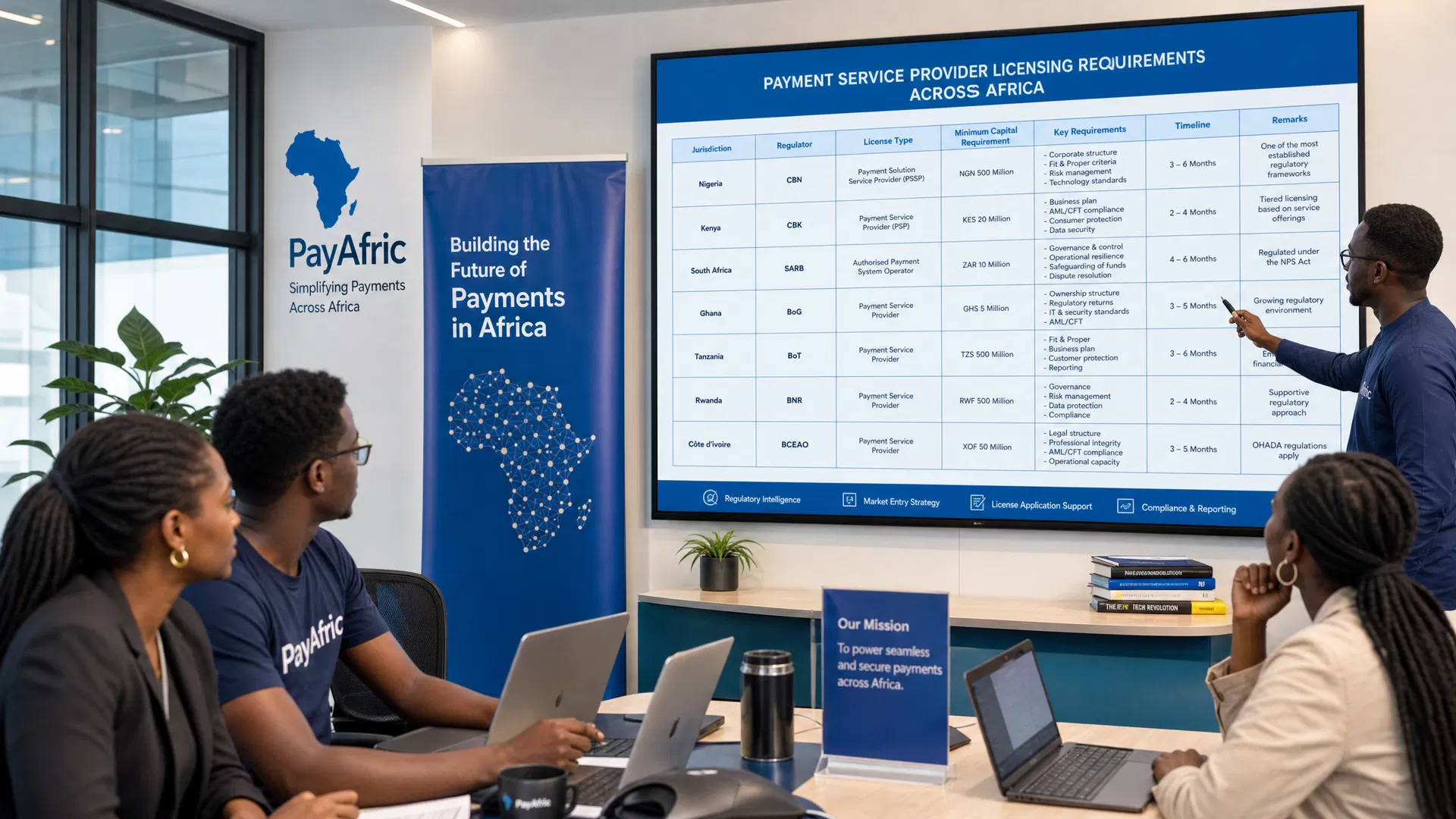
In Africa, the adoption of sandboxes has been driven by the need to foster financial inclusion, support digital financial services, and encourage innovation in digital assets and blockchain technologies. Several African countries have established regulatory sandboxes under the auspices of their financial regulatory authorities. Notably, the Central Bank of Kenya (CBK) launched its regulatory sandbox in 2019, providing a structured environment for fintech firms to test innovations such as mobile payments and digital identity solutions. Similarly, the South African Reserve Bank (SARB) established a regulatory sandbox in 2020, focusing on payment systems and digital currency experiments. The Central Bank of Nigeria (CBN) followed suit with its sandbox framework in late 2021, emphasizing digital lending platforms and cryptocurrencies. These initiatives align with international frameworks, including FATF guidelines and IOSCO principles, supporting regional harmonization efforts.
Key Provisions of African Regulatory Sandboxes
African regulatory sandboxes typically incorporate provisions designed to foster innovation while safeguarding consumer protection and financial stability. For instance, Kenya’s sandbox framework, governed by the Capital Markets Authority (CMA) and the CBK, mandates that participants must demonstrate innovative products that address specific market gaps and comply with the Proceeds of Crime and Anti-Money Laundering Act (2012). The sandbox allows testing for up to 12 months, with the possibility of extension subject to regulatory approval. In South Africa, SARB’s sandbox requires applicants to submit comprehensive risk assessments and compliance plans aligned with the Financial Sector Regulation Act (FSRA) of 2017 and the Protection of Personal Information Act (POPIA) of 2013, which governs data privacy. The sandbox encourages experimentation with digital identity and stablecoin projects, provided they adhere to FATF and OECD policies. Nigeria’s sandbox framework, overseen by the CBN and the Securities and Exchange Commission (SEC), emphasizes compliance with the Nigerian Data Protection Regulation (NDPR) of 2019 and the Securities and Exchange Commission Act of 2007. The framework explicitly restricts activities involving unregistered cryptocurrencies, reflecting the CBN’s cautious stance on digital currencies. Across these jurisdictions, sandboxes require participants to establish robust compliance mechanisms addressing Anti-Money Laundering (AML), Combating the Financing of Terrorism (CFT), data protection, and consumer protection laws. These provisions ensure that innovation does not compromise regulatory objectives.
Compliance Implications for Digital Asset Platforms
Operating within regulatory sandboxes imposes significant compliance obligations on digital asset platforms. First, firms must implement stringent Know Your Customer (KYC) and AML protocols in line with FATF’s 40 Recommendations, which many African regulators have adopted or adapted. Failure to comply risks expulsion from the sandbox and potential regulatory sanctions. Second, data protection compliance is critical. Platforms must adhere to regional data protection laws such as South Africa’s POPIA, Kenya’s Data Protection Act (2019), Ghana’s Data Protection Act (2012), and the Malabo Convention on Cybersecurity and Personal Data Protection (2014). These laws mandate secure data handling, explicit user consent, and breach notification procedures. Third, platforms must ensure transparent consumer disclosures and dispute resolution mechanisms, aligning with IOSCO principles and the African Union’s Agenda 2063. For platforms like AfriVest, which operate across multiple jurisdictions, harmonizing compliance with overlapping regulatory requirements is complex but essential. Aligning with international standards such as ISO 20022 messaging protocols and the International Monetary Fund’s (IMF) Central Bank Digital Currency (CBDC) frameworks facilitates cross-border interoperability and regulatory acceptance.
Enforcement Mechanisms and Regulatory Oversight
Regulatory sandboxes in Africa are supported by enforcement mechanisms designed to monitor compliance and manage risks during the testing phase. Regulatory bodies retain discretionary powers to suspend or terminate sandbox participation if firms breach terms or pose systemic risks. For example, Kenya’s CMA and CBK conduct periodic reviews and require real-time reporting on key performance indicators and compliance metrics. Non-compliance can result in penalties under the Capital Markets Act (2012) or the Banking Act (2015). South Africa’s SARB employs supervisory interventions under the FSRA, including on-site inspections and audits. Nigeria’s CBN enforces sandbox rules through the NDPR compliance framework and criminal sanctions under the Money Laundering (Prohibition) Act (2011). The SEC monitors securities-related innovations, with authority to impose fines, revoke licenses, or initiate legal proceedings.
Preparing for the Future of Digital Assets in Africa
To succeed in Africa's evolving regulatory landscape, digital asset platforms must proactively prepare for sandbox participation and eventual full authorization. This involves adopting a compliance-first approach, integrating robust AML/CFT and data protection frameworks from inception. Platforms should engage constructively with regulators, providing transparent data and feedback to shape future regulations. Furthermore, aligning with international standards like ISO 20022 and IMF CBDC frameworks will enhance interoperability and credibility.
As Africa accelerates its digital economy transformation, regulatory sandboxes will remain crucial in bridging the gap between innovation and compliance. By fostering collaboration between regulators and innovators, these frameworks enable the development of secure, inclusive, and sovereign digital asset infrastructures, paving the way for sustainable economic growth across the continent.