The Evolution of Mobile Money Regulation in Africa: From M-Pesa to Continental Regulatory Standards
The advent of mobile money in Africa has fundamentally reshaped the continent's financial landscape, driving unprecedented levels of financial inclusion and catalyzing the transition toward a digital economy. Since the pioneering launch of M-Pesa in Kenya in 2007, mobile money has evolved from a simple peer-to-peer transfer mechanism into a sophisticated ecosystem encompassing digital assets, cross-border remittances, and decentralized finance. As platforms like AfriVest build Africa's sovereign digital asset infrastructure, understanding the regulatory trajectory of mobile money is paramount. The regulatory environment has matured from ad-hoc, test-and-learn approaches to comprehensive frameworks that seek to balance innovation with systemic stability, consumer protection, and anti-money laundering imperatives. This evolution reflects a broader shift toward regional harmonization and alignment with international standards, creating a complex but navigable landscape for institutional investors, policymakers, and fintech operators.
Regulatory Background and the Shift Toward Comprehensive Frameworks
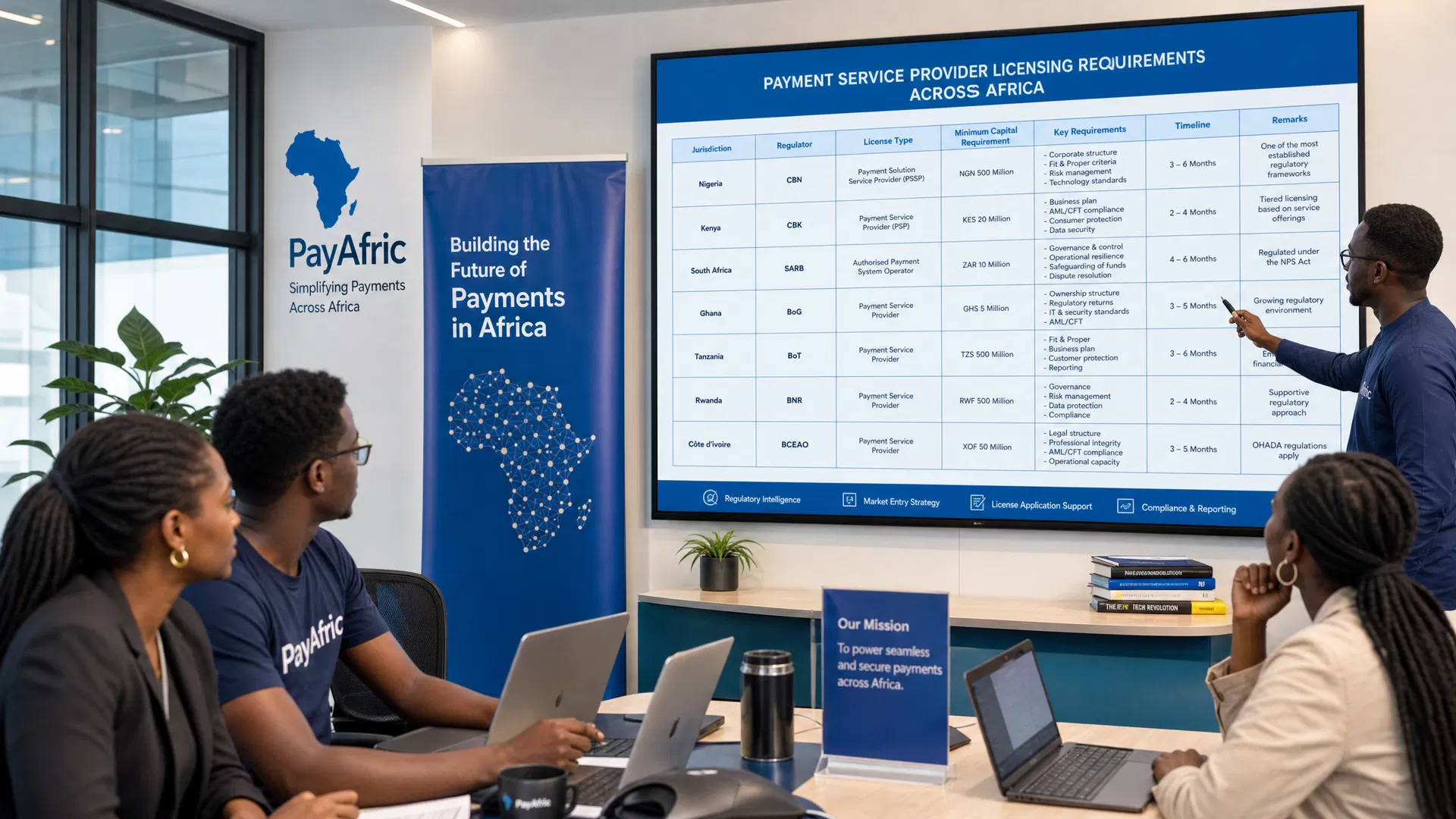
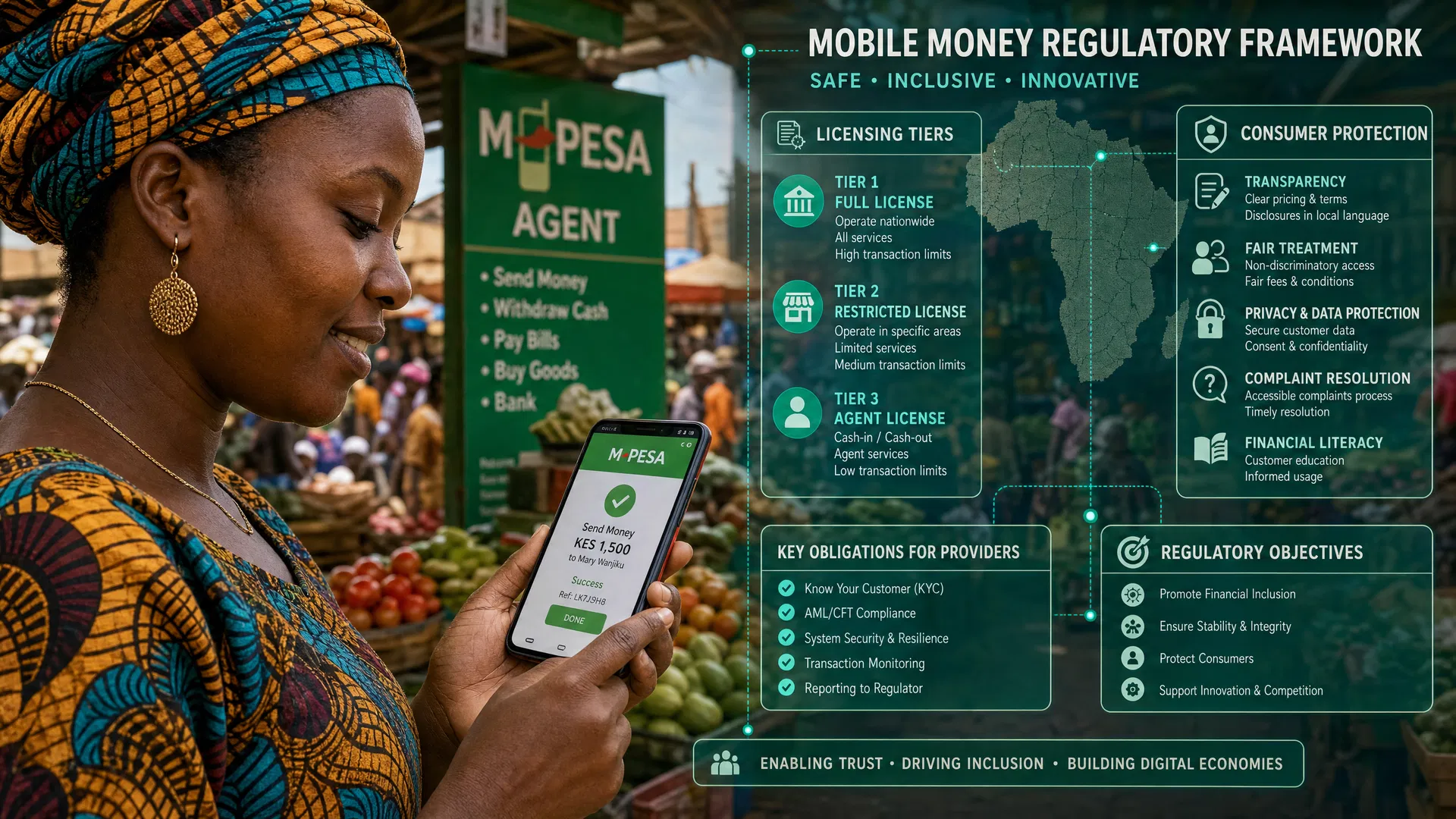
In the early days of mobile money, regulators across Africa, notably the Central Bank of Kenya (CBK), adopted a "test-and-learn" approach. This allowed telecommunications companies to operate financial services under letters of no objection, fostering rapid innovation without the immediate burden of stringent banking regulations. However, as mobile money platforms achieved systemic importance, the regulatory paradigm shifted. The introduction of the National Payment System Act of 2011 in Kenya marked a critical transition toward formal oversight. Similarly, the Central Bank of Nigeria (CBN) issued the Guidelines for Mobile Money Services in 2015, updated continuously to address emerging risks. These foundational frameworks established the necessity for non-bank entities to operate under strict licensing regimes, mandating the safeguarding of customer funds in trust accounts. Today, the regulatory focus has expanded to encompass the integration of mobile money with broader digital asset infrastructures, including central bank digital currencies (CBDCs), necessitating alignment with frameworks established by the Financial Stability Board (FSB) and the International Monetary Fund (IMF).
Key Provisions and the Imperative of Data Protection
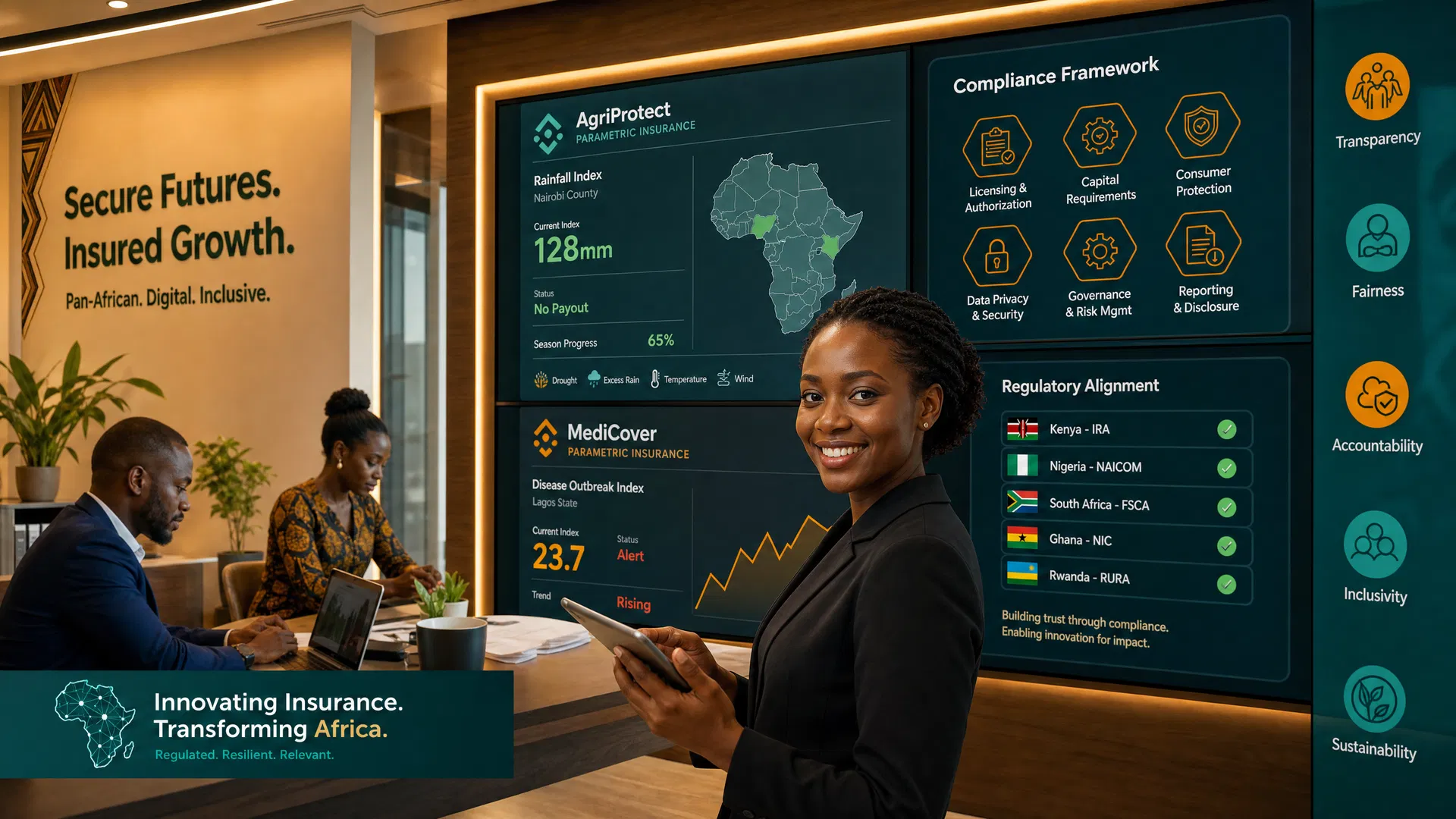
Modern mobile money regulations in Africa are characterized by stringent provisions governing capital adequacy, interoperability, and consumer protection. A critical component of these frameworks is the emphasis on robust Know Your Customer (KYC) and Anti-Money Laundering/Combating the Financing of Terrorism (AML/CFT) protocols, aligning with the Financial Action Task Force (FATF) recommendations. Furthermore, the proliferation of digital financial services has elevated the importance of data privacy. The regulatory landscape is increasingly defined by comprehensive data protection laws, such as South Africa's Protection of Personal Information Act (POPIA) of 2013, Kenya's Data Protection Act of 2019, and the Nigeria Data Protection Act (NDPA) of 2023. These national laws are complemented by regional frameworks like the African Union's Malabo Convention on Cyber Security and Personal Data Protection. For mobile money operators and digital asset platforms, compliance with these provisions requires the implementation of advanced data governance structures, ensuring that the collection, processing, and cross-border transfer of personal financial data adhere to strict consent and security mandates.
Compliance Implications for Digital Asset Platforms
The intersection of mobile money and digital assets introduces complex compliance implications for platforms operating across African jurisdictions. As mobile money wallets increasingly serve as the primary on-ramp and off-ramp for digital asset transactions, operators must navigate a dual regulatory environment. This involves adhering to traditional payment system regulations while simultaneously complying with emerging frameworks governing virtual assets. For instance, the South African Reserve Bank (SARB) and the Financial Sector Conduct Authority (FSCA) have designated crypto assets as financial products under the Financial Advisory and Intermediary Services (FAIS) Act, requiring platforms to obtain specific licenses. Compliance necessitates the deployment of sophisticated transaction monitoring systems capable of identifying suspicious activities across both fiat and digital asset rails. Furthermore, platforms must ensure that their infrastructure supports the ISO 20022 messaging standard, facilitating seamless interoperability and enhanced data richness in cross-border transactions, which is crucial for meeting the reporting requirements of multiple regulatory bodies.
Enforcement Mechanisms and Regulatory Oversight
Regulatory bodies across Africa are increasingly adopting proactive and technology-driven enforcement mechanisms to ensure compliance within the mobile money and digital asset sectors. Central banks and financial intelligence units (FIUs) are leveraging regulatory technology (RegTech) and supervisory technology (SupTech) to monitor transactions in real-time and identify systemic risks. Enforcement actions for non-compliance have become more stringent, ranging from substantial financial penalties to the revocation of operating licenses. For example, the Bank of Ghana has demonstrated a willingness to suspend the licenses of payment service providers that fail to meet regulatory standards. Additionally, regulatory sandboxes, such as those established by the Capital Markets Authority (CMA) in Kenya and the CBN in Nigeria, serve as both innovation hubs and supervisory tools, allowing regulators to closely monitor new products before authorizing full-scale deployment. This rigorous oversight underscores the necessity for digital asset platforms to maintain continuous engagement with regulators and to embed compliance into the core architecture of their operations.
Preparing for Continental Regulatory Standards
As Africa moves toward greater economic integration under the African Continental Free Trade Area (AfCFTA), the harmonization of mobile money and digital asset regulations is becoming a strategic priority. The development of the Pan-African Payment and Settlement System (PAPSS) exemplifies the push toward interoperable, cross-border financial infrastructure. Digital asset platforms must proactively prepare for this convergence by adopting scalable, multi-jurisdictional compliance frameworks. This involves designing infrastructure that is inherently adaptable to varying national regulations while aligning with overarching continental standards. Platforms should invest in robust digital identity solutions that satisfy the KYC requirements of multiple jurisdictions, facilitating seamless cross-border onboarding. Furthermore, active participation in industry associations and regulatory working groups is essential for shaping the future regulatory landscape.
Conclusion: Shaping Africa's Digital Economy Transformation
The regulatory journey of mobile money in Africa, from the nascent days of M-Pesa to the current pursuit of continental standards, reflects a profound maturation of the continent's financial ecosystem. As the lines between traditional mobile money, digital assets, and sovereign infrastructure continue to blur, the regulatory landscape will undoubtedly become more complex. However, this complexity also presents a significant opportunity. By embracing stringent compliance frameworks, prioritizing data protection, and aligning with international standards, platforms like AfriVest can build the resilient infrastructure necessary to support Africa's digital economy transformation. The future of African finance lies in the seamless, secure, and regulated integration of digital assets and mobile money, driving sustainable economic growth and unprecedented financial inclusion across the continent.