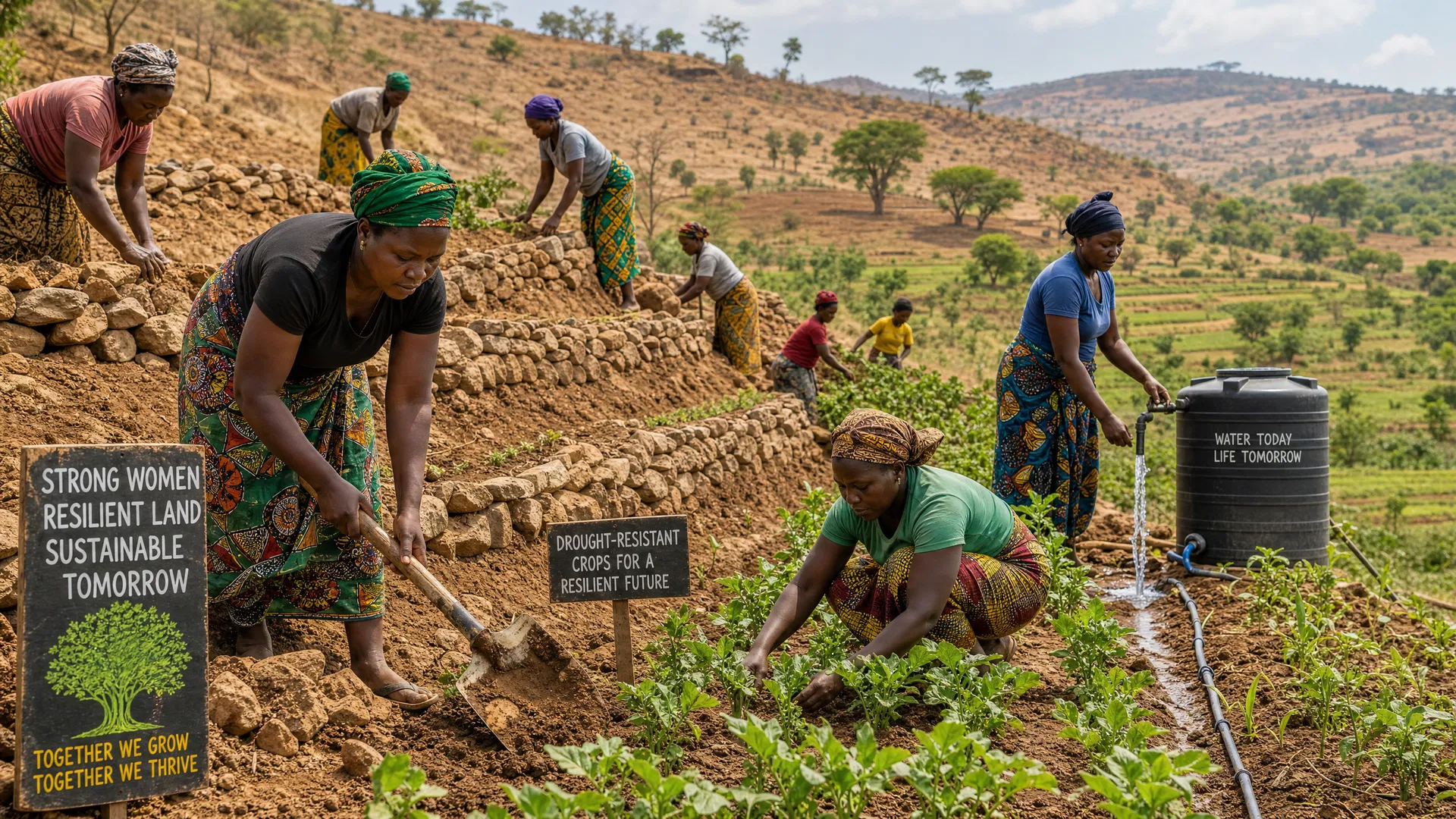
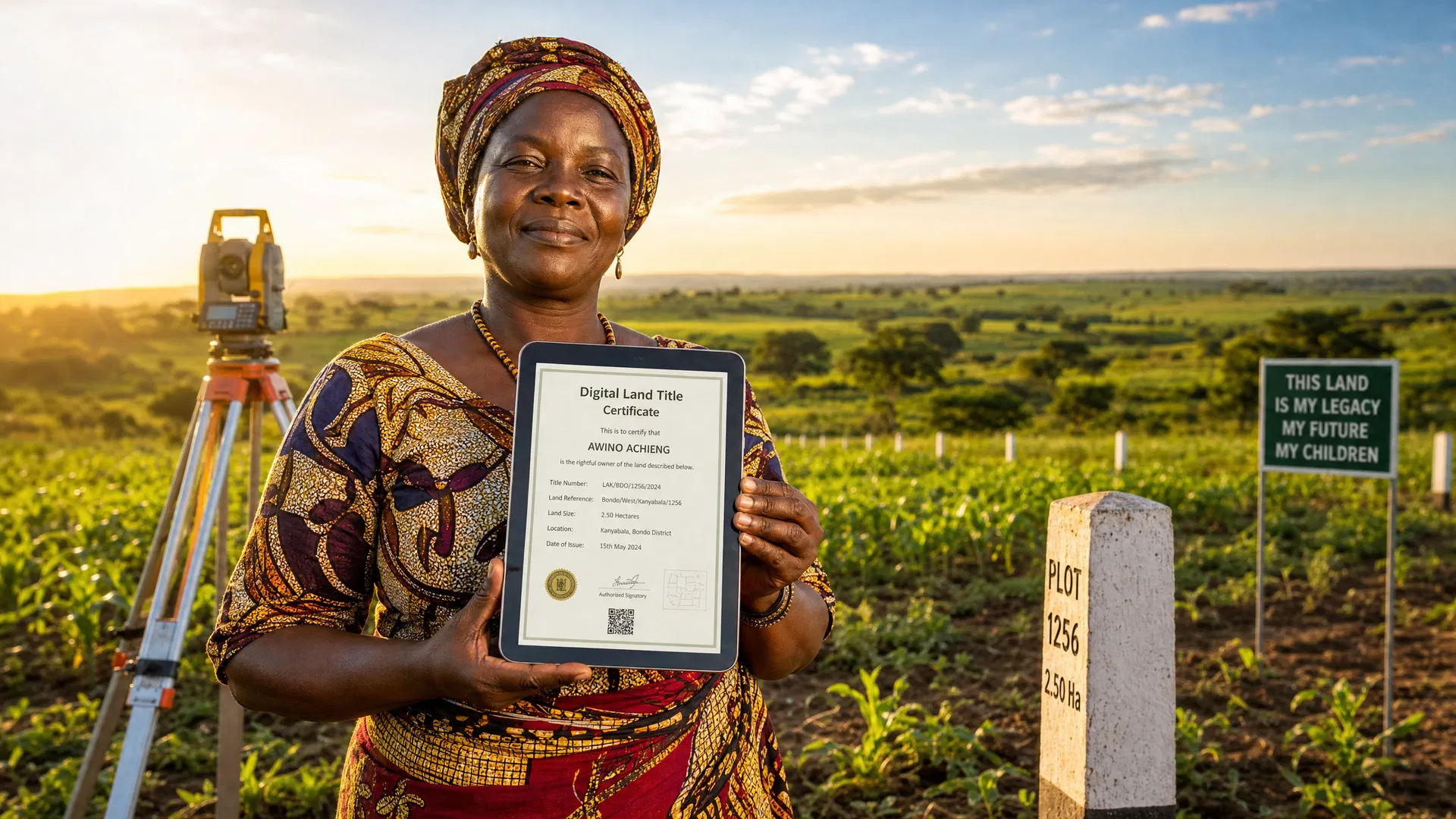
Land ownership remains a critical determinant of economic empowerment, social status, and political influence in Africa. Yet, women in rural areas face persistent barriers to secure land rights, despite constituting a significant portion of the agricultural workforce. According to the Food and Agriculture Organization (FAO), women constitute approximately 43% of the agricultural labor force in sub-Saharan Africa but own less than 20% of agricultural land. This disparity undermines not only gender equality but also rural development and food security. At AfriVest, we recognize the transformative potential of blockchain technology in addressing these entrenched challenges by providing secure, transparent, and inclusive land title registration systems that empower women across the continent.
The complexity of land tenure systems in many African countries, often characterized by informal arrangements, overlapping customary and statutory laws, and fragmented documentation, exacerbates women’s vulnerability to land dispossession. In rural communities, land is frequently allocated through lineage or community elders, with limited formal documentation. This informal system disproportionately disadvantages women, who may be excluded from inheritance or ownership rights due to cultural norms or discriminatory practices. For example, in Kenya, despite the 2010 Constitution guaranteeing equal rights to property ownership, women still face practical obstacles rooted in customary practices. Digital infrastructure, specifically blockchain-based land registries, can bridge this gap by creating immutable, transparent records that are accessible to all stakeholders, reducing fraud and enabling women to assert and defend their rights.
Blockchain’s decentralized ledger technology offers unique advantages for land title registration. Unlike traditional paper-based or centralized digital systems vulnerable to tampering or bureaucratic inefficiencies, blockchain provides a tamper-proof, time-stamped record of ownership and transaction history. This immutable record enhances legal certainty and reduces disputes, which are common causes of land insecurity. Countries like Ghana and Rwanda have already piloted blockchain land registries with promising results. Ghana’s Land Administration Project has explored integrating blockchain to enhance transparency and reduce corruption in land dealings. In Rwanda, the government’s collaboration with blockchain firms aims to digitize land titles to ensure secure ownership and facilitate easier transfer and access to credit. These initiatives highlight the feasibility and impact of blockchain in improving land governance.
For women, the impact of blockchain-based land title registration is multifaceted. Secure land ownership enables access to credit, as land titles can be tokenized and used as collateral in financial markets. This process aligns with AfriVest’s core mission of asset tokenization and financial inclusion. Tokenizing land rights allows fractional ownership, liquidity, and broader participation in local economic development. Women farmers, traditionally excluded from formal financial systems, can leverage tokenized land assets to secure loans or investment, enabling them to expand agricultural productivity or diversify income sources. Furthermore, digital land registries can integrate with mobile platforms, which have widespread penetration in rural Africa, ensuring women can access and manage their land rights conveniently and securely.
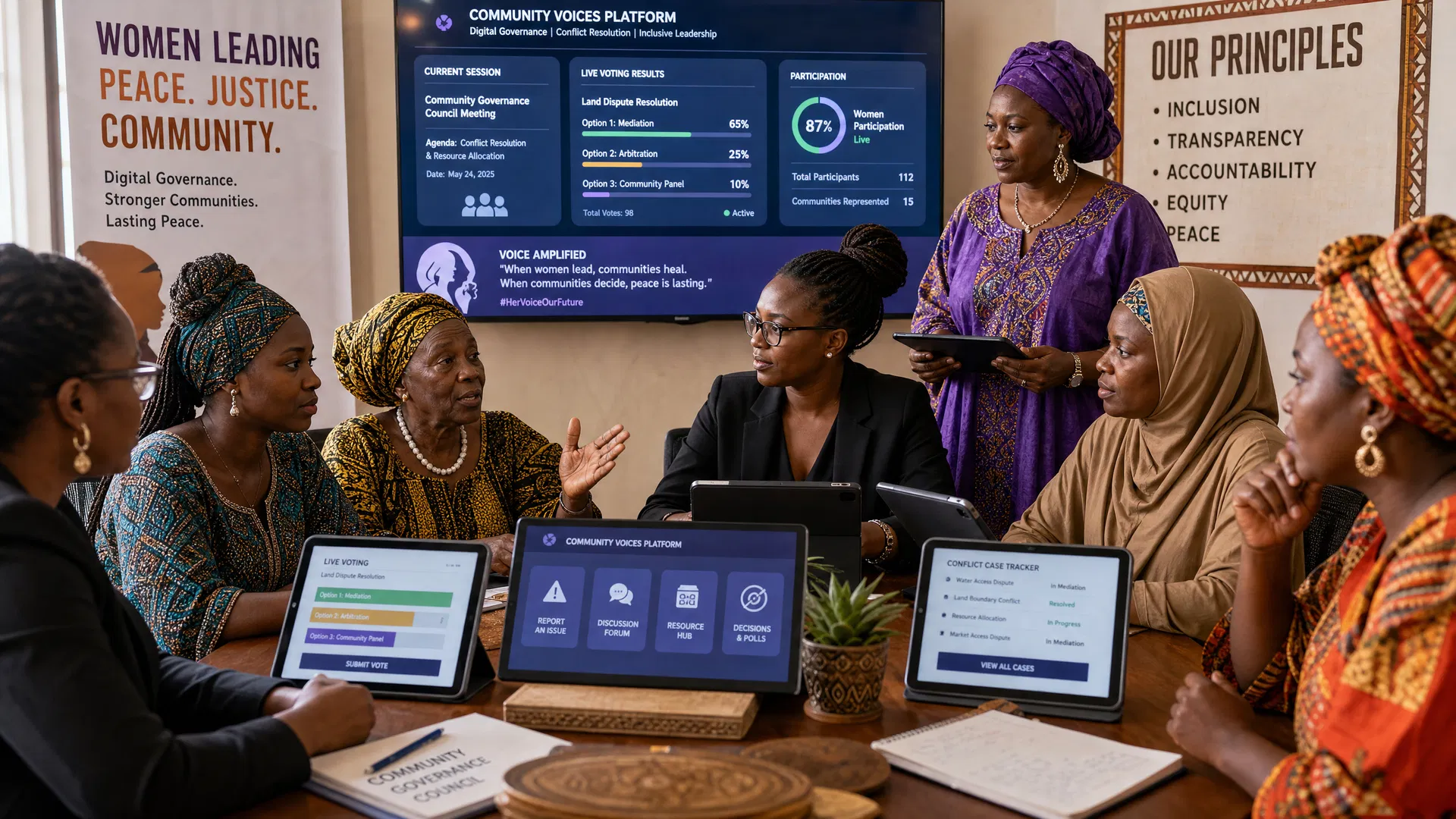
In addition to economic empowerment, blockchain-enabled land registration promotes cooperative governance models. By incorporating community-based verification and consensus mechanisms inherent in blockchain protocols, land registries can reflect both statutory and customary tenure systems. This hybrid approach respects local traditions while ensuring transparency and accountability. For instance, in Ethiopia’s Oromia region, where customary land management predominates, digital platforms that engage community elders and women representatives in land adjudication processes have been explored. Such inclusive governance fosters social cohesion, reduces conflicts, and reinforces women’s participation in decision-making, advancing gender equity in land governance.
Despite these advantages, several challenges must be addressed for widescale adoption of blockchain land registries in Africa. Digital infrastructure gaps, limited digital literacy, and regulatory uncertainties pose significant barriers. Many rural areas lack reliable internet connectivity or electricity, impeding access to digital platforms. Moreover, ensuring interoperability between blockchain systems and existing national land administration frameworks requires coordinated policy efforts and capacity building. AfriVest is committed to collaborating with governments, NGOs, and local communities to develop tailored solutions that address these challenges. By investing in robust digital infrastructure, training programs, and advocacy for supportive legal frameworks, we aim to create an enabling environment for blockchain-based land rights registration that centers on women’s empowerment.
Looking forward, AfriVest envisions a future where digital infrastructure and blockchain technology underpin an equitable and inclusive African economy. Secure land rights for women in rural areas are foundational to this vision, unlocking pathways to financial inclusion, agricultural productivity, and sustainable development. Through our platform, which integrates asset tokenization, cooperative governance, and community participation, we seek to catalyze scalable solutions that digitize land ownership, enhance transparency, and empower marginalized groups. By championing blockchain-based land title registration, AfriVest is not only advancing women’s land rights but also contributing to a resilient digital ecosystem that supports Africa’s broader socio-economic transformation. Together with partners across the continent, we are committed to turning this vision into reality, ensuring that women’s land rights are recognized, protected, and leveraged for inclusive growth.