Women-owned small and medium-sized enterprises (SMEs) are pivotal engines of economic growth and job creation across Africa. Yet, despite their critical role, these businesses face an enduring and substantial financing gap that constrains their ability to scale, innovate, and contribute fully to the continent’s economic transformation. According to the International Finance Corporation (IFC), women-owned SMEs in Africa experience a financing shortfall estimated at $42 billion annually. This credit gap not only limits entrepreneurial potential but also exacerbates gender disparities in economic participation. Addressing this challenge demands innovative financial solutions underpinned by robust digital infrastructure—an area where tokenized lending is emerging as a transformative force.
Traditional lending models often rely heavily on collateral and credit histories, criteria many women entrepreneurs struggle to meet. In countries like Kenya, Nigeria, and Ghana, women-owned SMEs frequently operate within informal sectors that lack formal documentation and credit records, restricting their access to conventional bank loans. Moreover, systemic biases and regulatory hurdles continue to hamper equitable financing. However, the advent of blockchain technology and asset tokenization offers promising new pathways. By digitizing assets and creating transparent, immutable records of ownership and transaction history, blockchain enables lenders to assess creditworthiness more accurately and securely, even in the absence of traditional collateral.
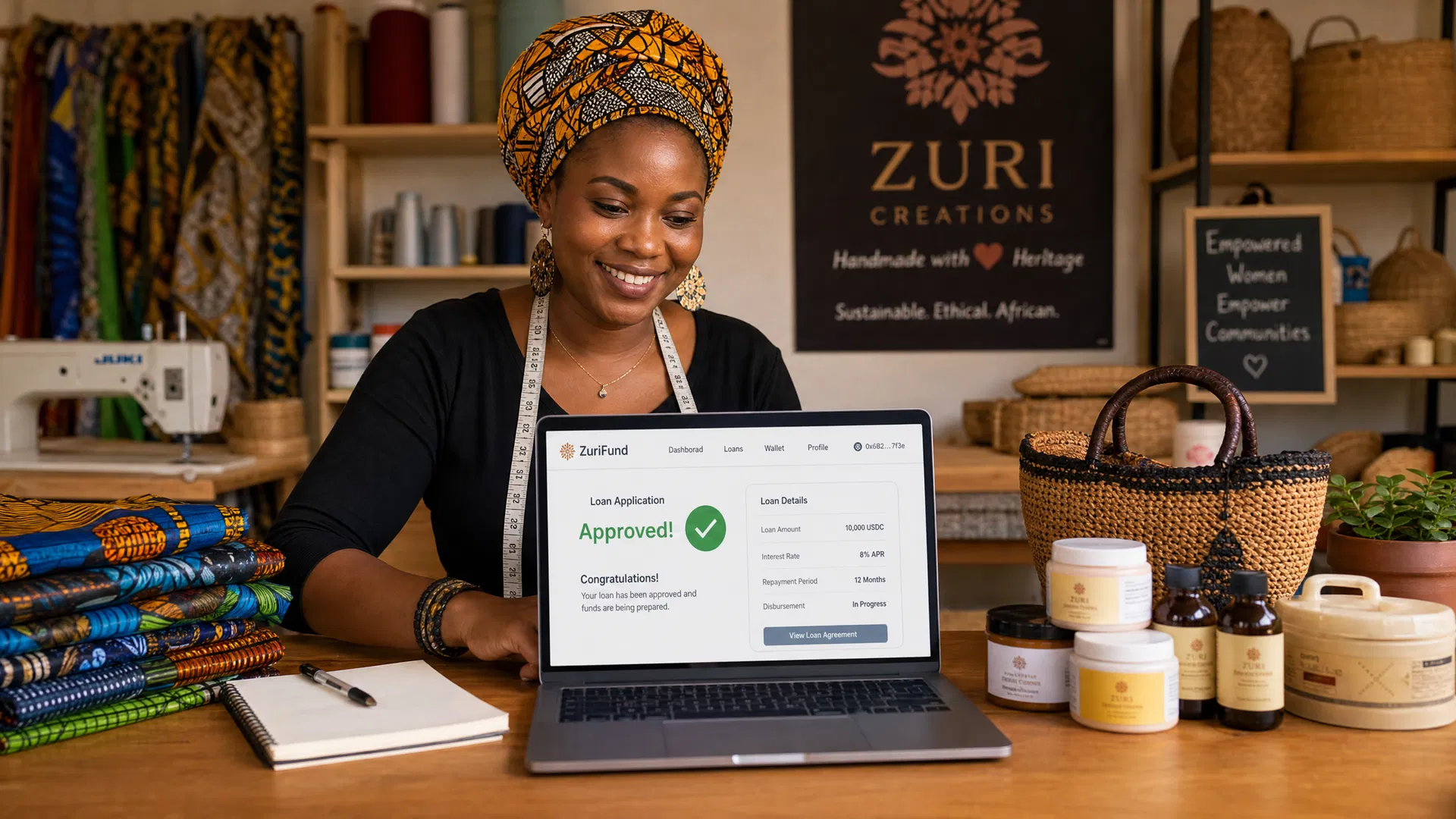
Tokenized lending essentially involves converting real-world assets—such as inventory, future receivables, or even equity stakes—into digital tokens that represent fractional ownership or claims. These tokens can then be used as collateral for loans or traded in decentralized marketplaces. For women entrepreneurs, this means unlocking liquidity from assets that were previously illiquid or difficult to leverage. For instance, a woman-owned SME in Lagos might tokenize its inventory or future sales contracts to secure working capital from investors who participate in a transparent, blockchain-enabled lending platform. This not only broadens access to credit but also diversifies funding sources beyond conventional banks, including peer-to-peer networks and impact investors focused on gender-inclusive finance.
The digital infrastructure supporting tokenized lending enhances trust and efficiency. Blockchain’s inherent transparency reduces information asymmetry between borrowers and lenders, mitigating risk and lowering transaction costs. Smart contracts automate loan disbursement and repayment processes, ensuring timely execution of terms without intermediaries. This is particularly beneficial in markets like Ghana, where fragmented financial services and high operational costs have historically limited SME financing. By streamlining these processes, tokenized lending platforms can offer more competitive rates and flexible terms tailored to the realities of women-owned businesses.
Real-world examples underscore the potential impact. In Kenya, the emergence of fintech platforms leveraging blockchain has begun to address underserved markets. M-KOPA, while not solely blockchain-based, illustrates how digital platforms can extend credit to previously excluded demographics through innovative collateral models. Building on such frameworks, tokenized lending could further democratize access by enabling fractionalized ownership and micro-investments, thereby attracting a broader investor base. Similarly, in Nigeria, where SMEs represent over 80% of employment but face significant financing barriers, blockchain-enabled lending can facilitate access to both local and diaspora capital, fostering inclusive growth.
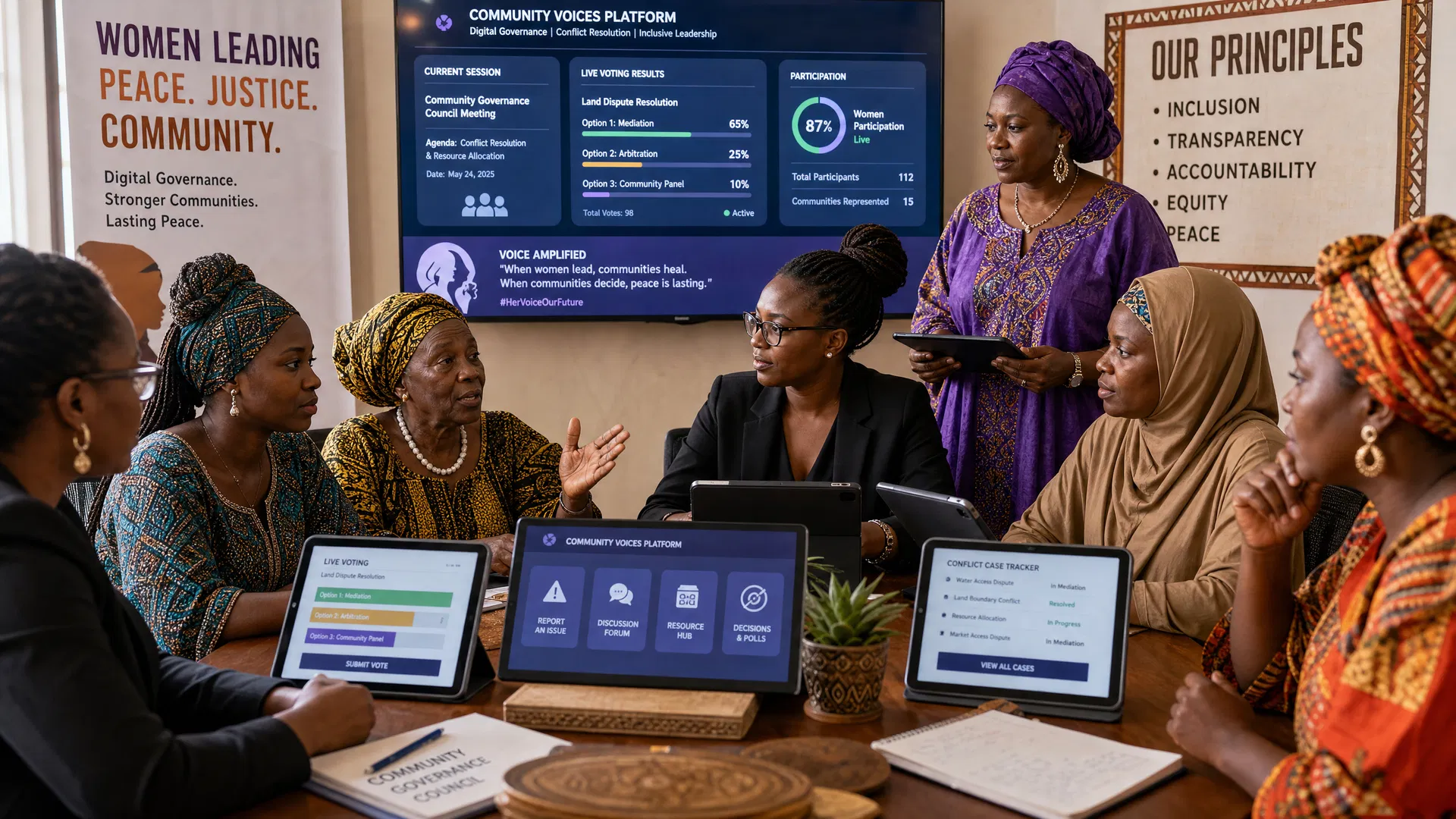
Furthermore, tokenization can catalyze cooperative governance models that empower women entrepreneurs collectively. By pooling tokenized assets into cooperative funds or community trusts, women-owned SMEs can amplify their bargaining power and share risks. This aligns with AfriVest’s commitment to cooperative governance and financial inclusion, leveraging digital platforms to create ecosystems where women entrepreneurs not only access financing but also participate in decision-making and value creation. Such models encourage sustainable development by embedding social impact within financial innovation.
While the promise of tokenized lending is substantial, challenges remain. Regulatory frameworks across African countries are still evolving to accommodate blockchain and digital assets, requiring collaboration between policymakers, financial institutions, and technology providers. Digital literacy and infrastructure disparities, particularly in rural areas, must be addressed to ensure inclusive access. Nonetheless, pilot initiatives and growing investment in Africa’s digital economy signal a positive trajectory. International organizations including the IFC and AfDB have emphasized the importance of digital finance in closing gender gaps, with blockchain-based solutions increasingly featured in strategic roadmaps.
Looking ahead, AfriVest envisions a future where tokenized lending becomes a cornerstone of financial inclusion for women-owned SMEs throughout Africa. By building and scaling digital infrastructure tailored to the continent’s unique economic landscape, AfriVest aims to facilitate secure, transparent, and accessible lending ecosystems. Through asset tokenization and cooperative governance frameworks, women entrepreneurs will gain unprecedented opportunities to unlock capital, grow their businesses, and contribute fully to Africa’s economic prosperity. As the continent accelerates its digital transformation, bridging the credit gap for women-owned SMEs through innovative tokenized finance will be essential to achieving inclusive and sustainable growth. AfriVest remains committed to leading this evolution, fostering partnerships and deploying technology that empowers women entrepreneurs to realize their full potential.