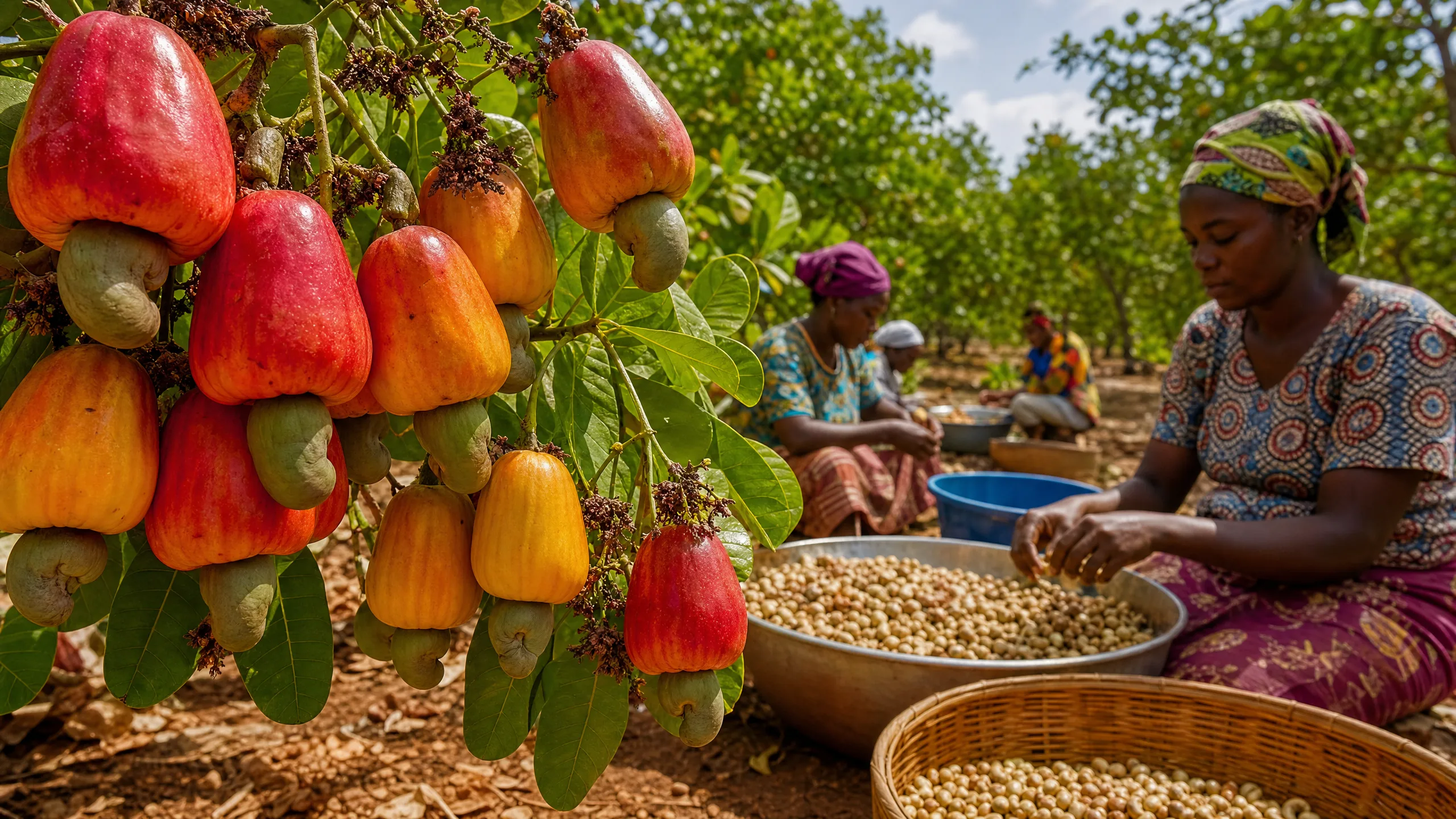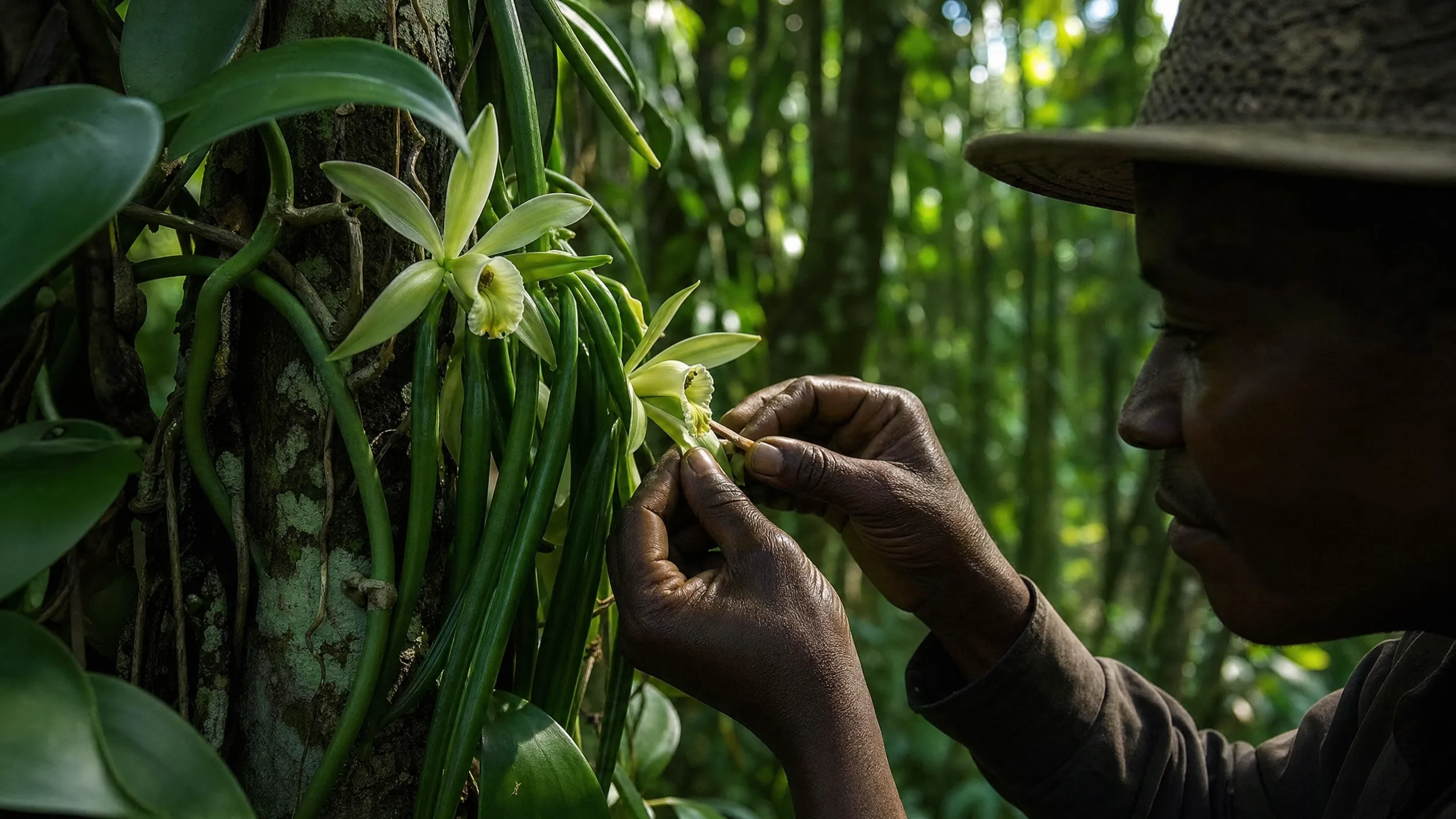
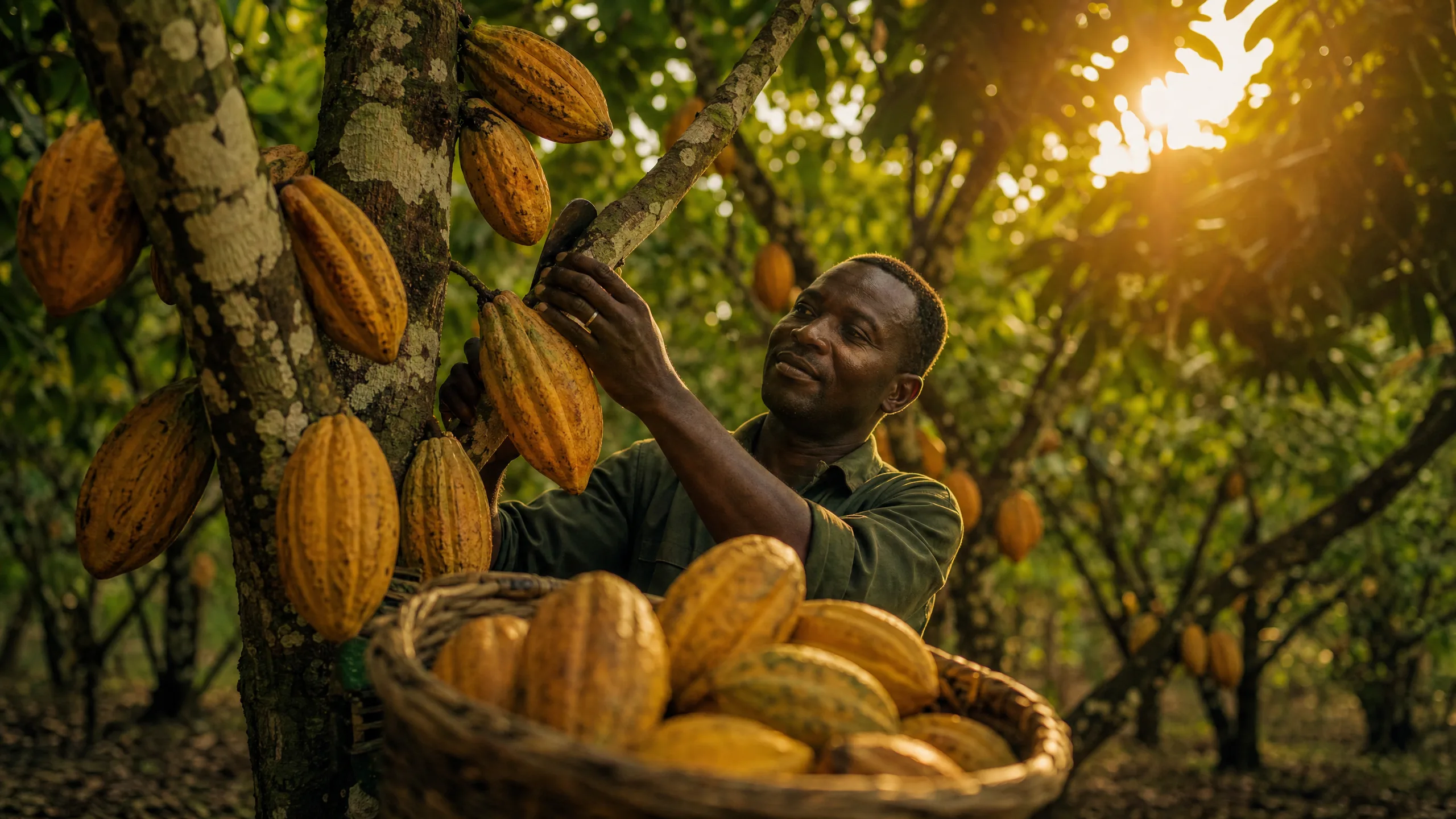
Ghana's cocoa industry is the lifeblood of the global chocolate market, generating $2 billion annually and supporting over 800,000 farming households. As the world's second-largest cocoa producer, Ghana accounts for roughly 20% of global supply, working in tandem with Côte d'Ivoire to dominate the international market. However, this historic sector stands at a critical juncture. With production facing unprecedented challenges from climate change and disease, the future of Ghana's cocoa empire lies not in expanding acreage, but in strategic value addition, digital traceability, and sustainable investment. For institutional investors and policymakers, understanding the dynamics of this $2 billion industry is essential for navigating the future of agricultural commodities in West Africa.
The Economic Engine of West Africa
Cocoa is more than just a crop in Ghana; it is a cornerstone of the national economy. The sector contributes significantly to the country's Gross Domestic Product (GDP) and remains the flagship of agricultural exports, accounting for over 73% of the sector's export value. Historically, production has averaged around 800,000 metric tons annually, peaking at an impressive 1.04 million metric tons during the 2020/2021 season.
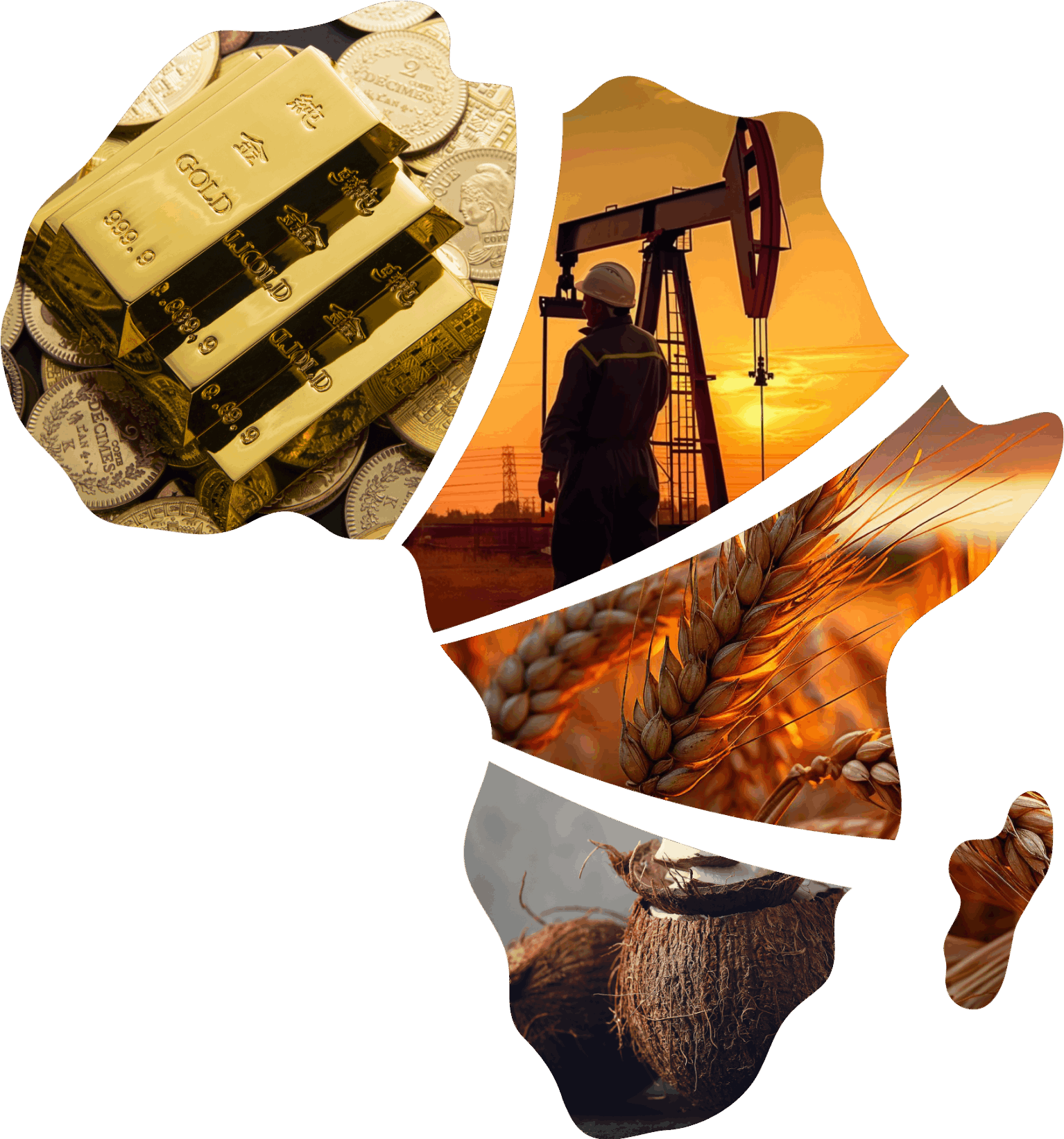
This immense output translates directly into economic stability. The $2 billion generated annually in foreign exchange makes cocoa the third-largest source of revenue for Ghana, trailing only gold and crude oil. The industry's reach extends deep into the rural economy, providing direct employment and livelihood support for approximately 800,000 farm families across 10 of the country's 16 administrative regions. The sheer scale of this economic engine underscores its importance not just to Ghana, but to the global confectionary supply chain.
Navigating Production Challenges
Despite its historical strength, Ghana's cocoa sector has faced significant headwinds in recent years. Production volumes have seen consecutive declines, dropping from 683,269 metric tons in 2021/2022 to 655,808 metric tons in 2022/2023, and further down to an estimated 530,873 metric tons for the 2023/2024 season.
Several factors contribute to this contraction. The Cocoa Swollen Shoot Virus Disease (CSSVD) has severely impacted key producing areas. In the Western North region alone, which handles a substantial portion of the nation's output, roughly 81% of the cocoa area—amounting to over 330,000 hectares—has been affected by the disease. Furthermore, erratic weather patterns, exacerbated by climate change and the El Niño phenomenon, have disrupted the delicate growing conditions required for optimal yields. The encroachment of unlicensed gold mining (galamsey) onto agricultural lands has also diverted labor and degraded arable soil, adding pressure to an already strained system.
The Shift Toward Value Addition
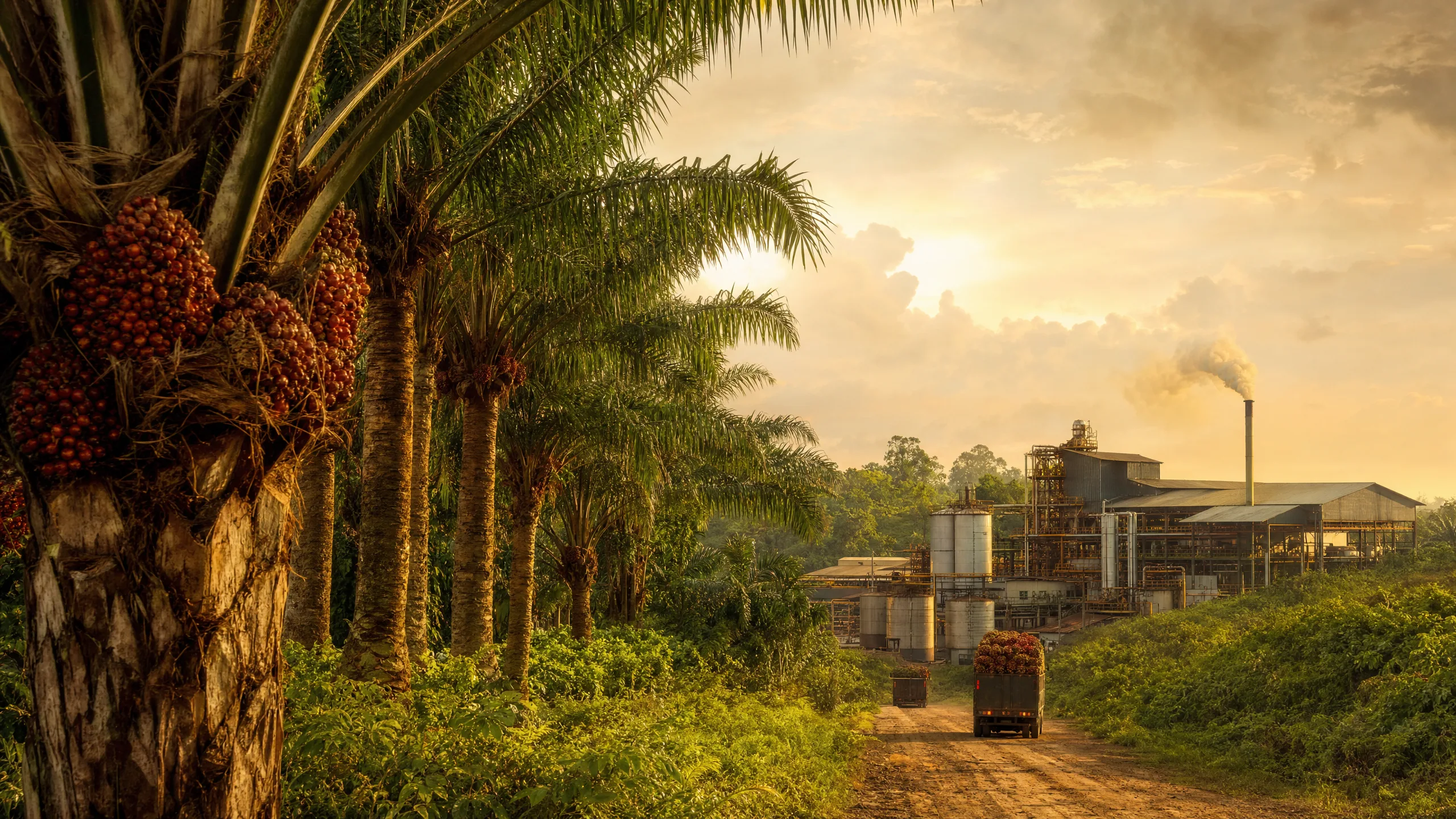
In response to these supply constraints, the strategic focus is shifting from simply increasing raw bean production to maximizing the value extracted from existing yields. Ghana has invested heavily in domestic processing capabilities, aiming to transform raw beans into higher-value products like cocoa butter, liquor, and powder before export.
This transition is crucial for economic resilience. By processing cocoa domestically, Ghana can capture a larger share of the global chocolate value chain, create local jobs, and buffer the economy against the volatility of international commodity prices. In 2022, the state-owned Cocoa Processing Company (CPC) generated $43.5 million in revenue, demonstrating the viability of this approach. However, realizing the full potential of domestic processing requires consistent access to raw materials, highlighting the need for sustainable farming practices and efficient supply chain management.
Sustainability and Digital Traceability
As global markets, particularly the European Union, implement stricter deforestation-free supply chain regulations, sustainability has become a commercial imperative. The environmental footprint of Ghanaian cocoa is heavily tied to land-use changes, specifically the conversion of forests into farmland. To maintain market access and protect vital ecosystems, the industry must halt expansion into forested areas and focus on improving yields on existing farms.
Digital traceability is emerging as a powerful tool in this effort. Utilizing Geographic Information Systems (GIS) and satellite imagery allows buyers and processors to map supply patterns, verify the origins of cocoa beans, and ensure compliance with environmental standards. By embedding traceability into the supply chain, stakeholders can mitigate deforestation risks, stabilize supply relationships, and provide consumers with the transparency they increasingly demand.
The Future: Tokenization and Digital Infrastructure
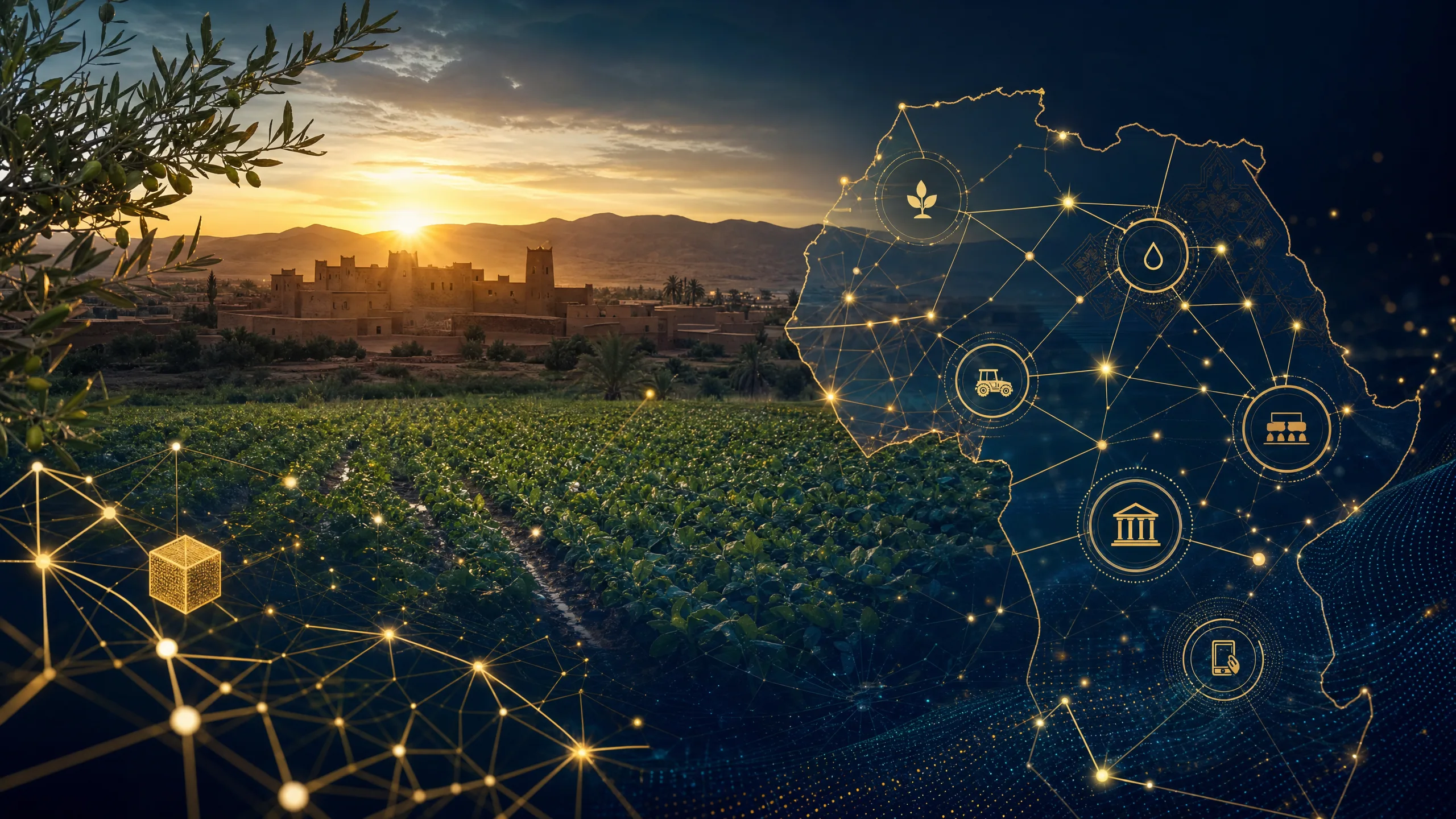
Looking ahead, the integration of digital infrastructure presents a transformative opportunity for Ghana's cocoa empire. The digitization of agricultural assets through platforms like AfriVest can revolutionize how the sector is financed and managed. Tokenization of cocoa yields or processing facilities could democratize access to investment, providing smallholder farmers and domestic processors with the capital needed to upgrade equipment, implement sustainable practices, and enhance productivity.
By bridging the gap between traditional agriculture and modern financial technology, digital platforms can unlock new avenues for growth. For institutional investors, this represents a unique opportunity to participate in the modernization of a critical global commodity, driving both economic returns and sustainable development in West Africa. The future of Ghana's cocoa industry will be defined by those who can successfully navigate the intersection of agriculture, sustainability, and digital innovation.