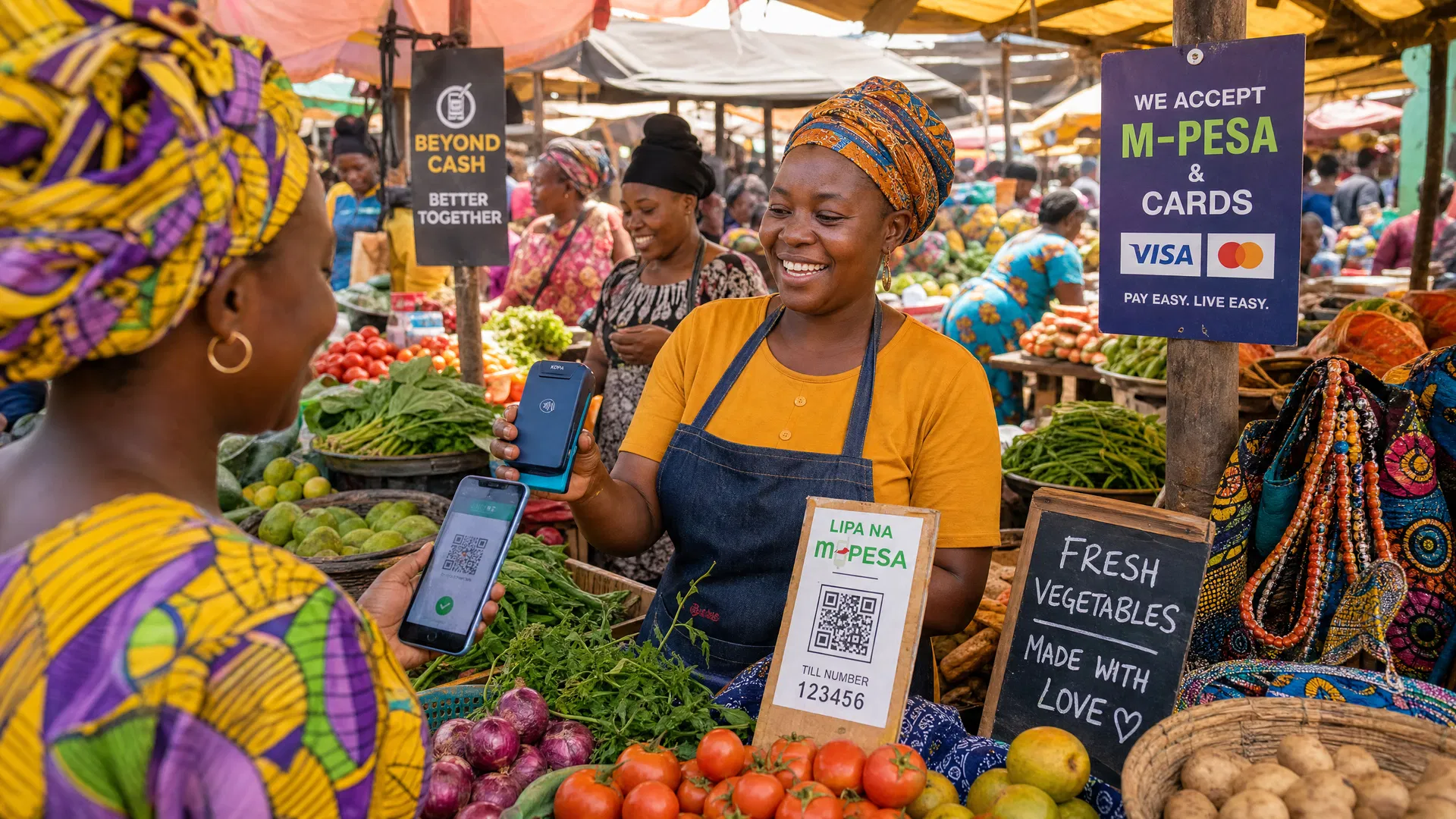
Across the bustling markets of Lagos, Nairobi, and Accra, a quiet revolution is taking place. The traditional image of the African market woman—balancing goods on her head and negotiating prices in crowded, noisy stalls—is being rapidly updated for the digital age. Today, these resilient entrepreneurs are increasingly armed with smartphones, leveraging mobile commerce to transform informal trade into a structured, scalable, and globally connected enterprise. This shift is not merely a change in how goods are bought and sold; it represents a fundamental restructuring of Africa’s economic landscape, driven by digital infrastructure and innovative financial technologies.
Informal trade has long been the backbone of the African economy. According to the United Nations, informal cross-border trade accounts for up to 70 percent of total employment in some regions, with women making up the vast majority of these traders. Despite their critical role in food security and local economies, these women have historically operated on the margins of the formal financial system. They have faced significant barriers, including lack of access to credit, vulnerability to theft, and the inefficiencies of cash-based transactions. However, the rapid penetration of mobile technology across the continent is dismantling these barriers, offering market women unprecedented opportunities for growth and financial inclusion.
The catalyst for this transformation has been the widespread adoption of mobile money. Since its inception in 2007, mobile money has revolutionized financial access in Africa, allowing individuals without traditional bank accounts to send, receive, and store money securely. For market women, this means the ability to conduct transactions without the risks associated with carrying large amounts of cash. It also provides a digital footprint—a verifiable record of income and transactions that can be used to build credit histories. Studies have shown that the uptake of mobile money has brought tangible benefits, including greater resilience to economic shocks, poverty alleviation, and the stimulation of women-led enterprises.
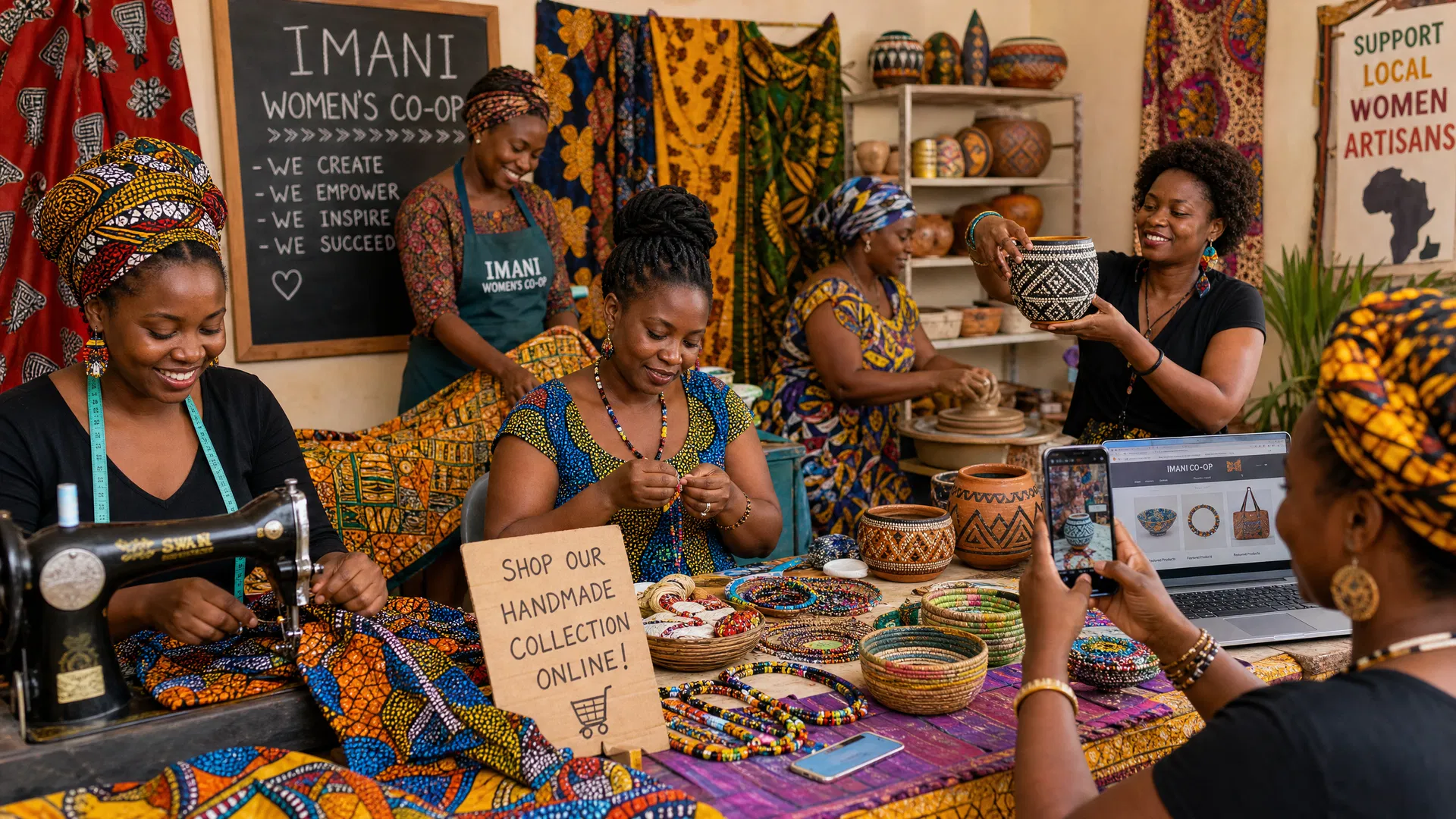
Yet, the digital transformation of market women extends beyond simple mobile payments. The rise of e-commerce platforms tailored to the African context is enabling these traders to reach customers far beyond their physical stalls. In countries like Kenya and Nigeria, women own a significant portion of the businesses operating on major e-commerce platforms. By moving online, market women can tap into a broader customer base, optimize their inventory management, and reduce the overhead costs associated with physical retail spaces. Africa’s e-commerce users are forecast to surpass half a billion by 2025, with the market becoming almost exclusively mobile-based by 2040. This presents a massive opportunity for women traders to scale their operations and increase their profitability.
The integration of advanced digital infrastructure, such as blockchain and tokenization, promises to accelerate this trend even further. Blockchain technology offers a decentralized and transparent ledger system, which can significantly enhance trust and security in cross-border trade. For market women navigating complex supply chains, blockchain can provide real-time tracking of goods, ensuring authenticity and reducing the risk of fraud. Furthermore, tokenization—the process of converting physical assets into digital tokens—can unlock new avenues for capital formation. By tokenizing agricultural produce or inventory, market women can access micro-loans and investment capital that were previously out of reach, using their digital assets as collateral.
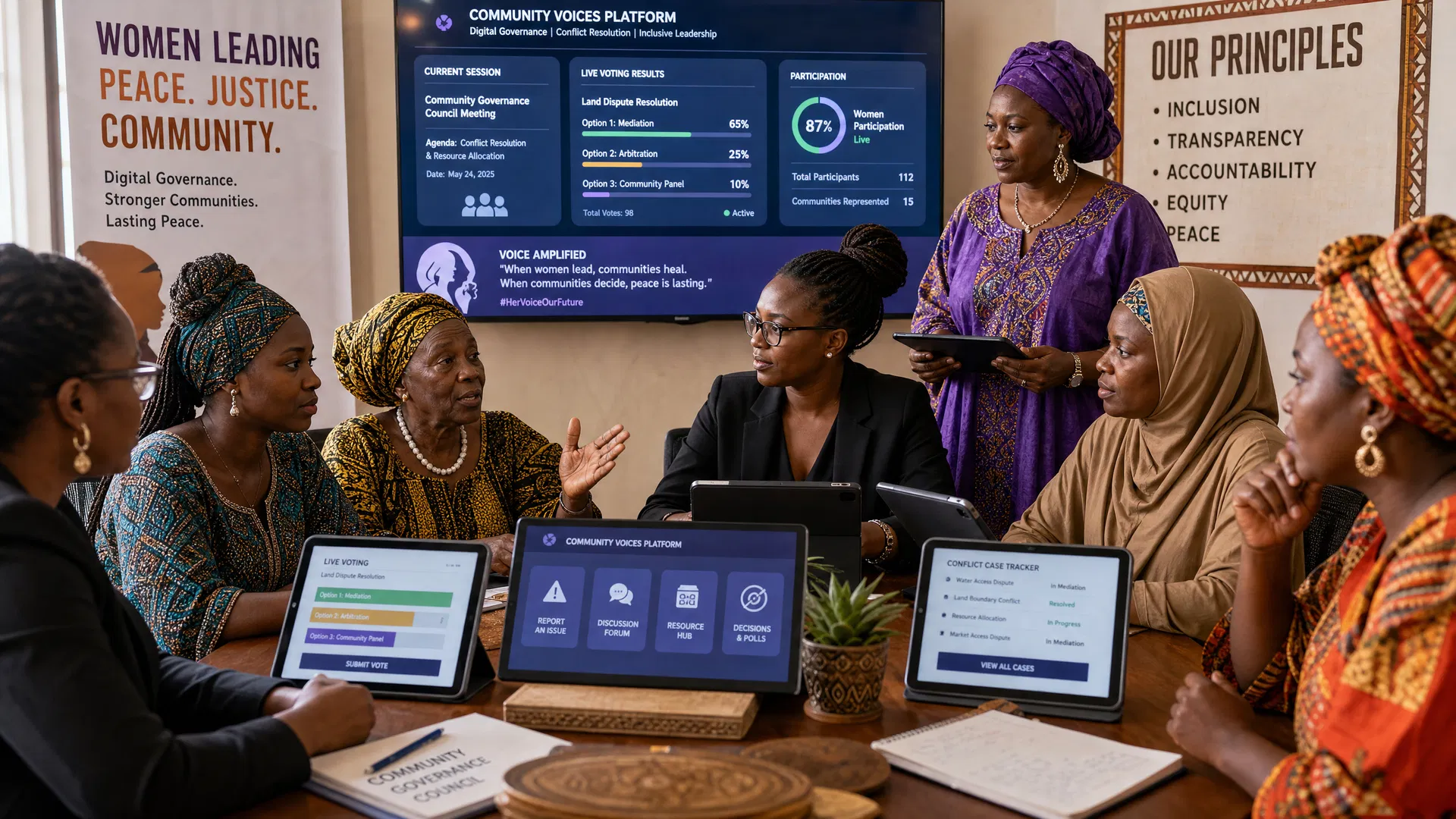
This digital evolution also fosters cooperative governance among women traders. Traditionally, market women have relied on informal savings groups, such as "chamas" in East Africa or "susu" in West Africa, to pool resources and support one another. Digital platforms can formalize and scale these cooperative models, providing secure, transparent, and efficient mechanisms for collective saving and investment. Through decentralized autonomous organizations (DAOs) or similar blockchain-based structures, women traders can govern their cooperatives democratically, making collective decisions on resource allocation and community projects. This not only strengthens their economic power but also amplifies their voices in the broader economic discourse.
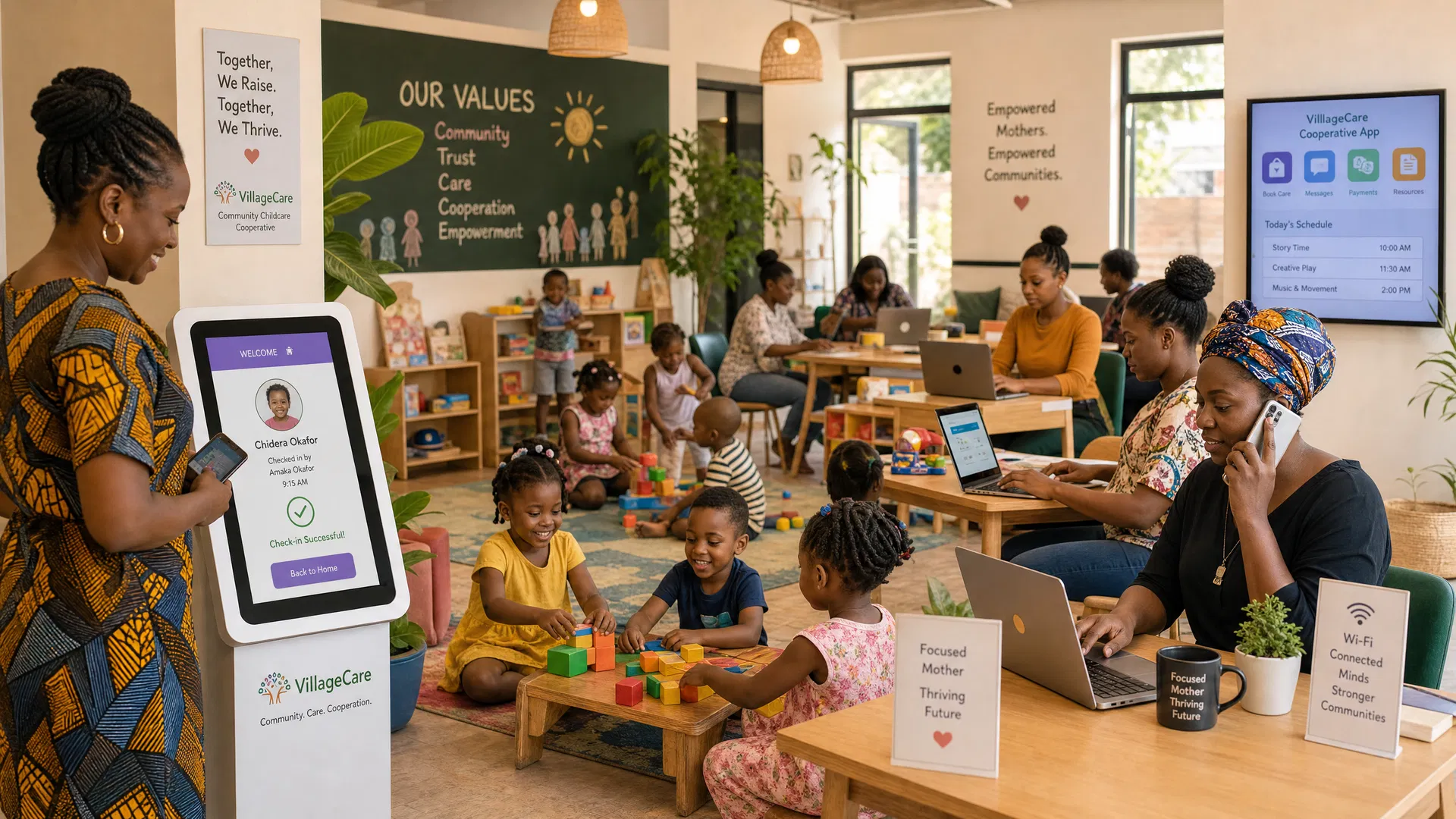
Despite the immense potential, realizing the full benefits of digital commerce for market women requires concerted effort and investment. Challenges such as digital literacy, internet connectivity, and the affordability of smartphones remain significant hurdles. Addressing these issues requires a collaborative approach involving governments, private sector actors, and international organizations. Investments in digital infrastructure must be coupled with targeted training programs to equip women with the skills needed to navigate the digital economy effectively. Moreover, regulatory frameworks must be adapted to support innovation while protecting consumers and ensuring fair competition.
At AfriVest, we recognize the transformative power of digital infrastructure in empowering Africa’s market women. As a platform dedicated to asset tokenization, cooperative governance, and financial inclusion, we are committed to building the tools and ecosystems that enable these entrepreneurs to thrive. By bridging the gap between traditional trade and the digital economy, we envision a future where every market woman has the opportunity to scale her business, secure her financial future, and contribute to the sustainable development of the continent. The digitization of Africa’s economy is not just about technology; it is about unlocking the boundless potential of its people, starting with the women who have always been its most resilient economic engine.