The global transition to green energy is accelerating at an unprecedented pace, and at the heart of this revolution lies a critical mineral: cobalt. As the world shifts toward electric vehicles (EVs) to combat climate change, the demand for high-performance lithium-ion batteries has skyrocketed. Central to this supply chain is the Democratic Republic of the Congo (DRC), a nation that holds the keys to the future of sustainable transportation. For institutional investors and policymakers, understanding the dynamics of DRC cobalt mining is not just an exercise in commodity tracking; it is a strategic imperative for navigating the complexities of the modern energy economy.
The Undisputed Leader in Global Cobalt Production
The Democratic Republic of the Congo is the undisputed heavyweight champion of global cobalt production. According to recent data, the DRC accounts for approximately 76.6% of the world's mined cobalt output. This staggering market dominance is underpinned by the country's vast mineral wealth, with estimated reserves of 6 million tonnes, representing nearly 53% of the global total. The sheer scale of these operations is difficult to overstate, as the DRC's output dwarfs that of its closest competitors, such as Indonesia and Russia.
The economic impact of this mineral wealth on the DRC is profound. The extractive sector, driven largely by copper and cobalt, is a cornerstone of the national economy. While fluctuations in global demand can cause volatility, the mining industry remains a primary driver of the DRC's GDP, which is estimated at over $120 billion. As the EV market continues to expand, the strategic importance of the DRC's cobalt reserves will only intensify, cementing its role as an indispensable player in the global supply chain.
Key Players and Major Mining Operations
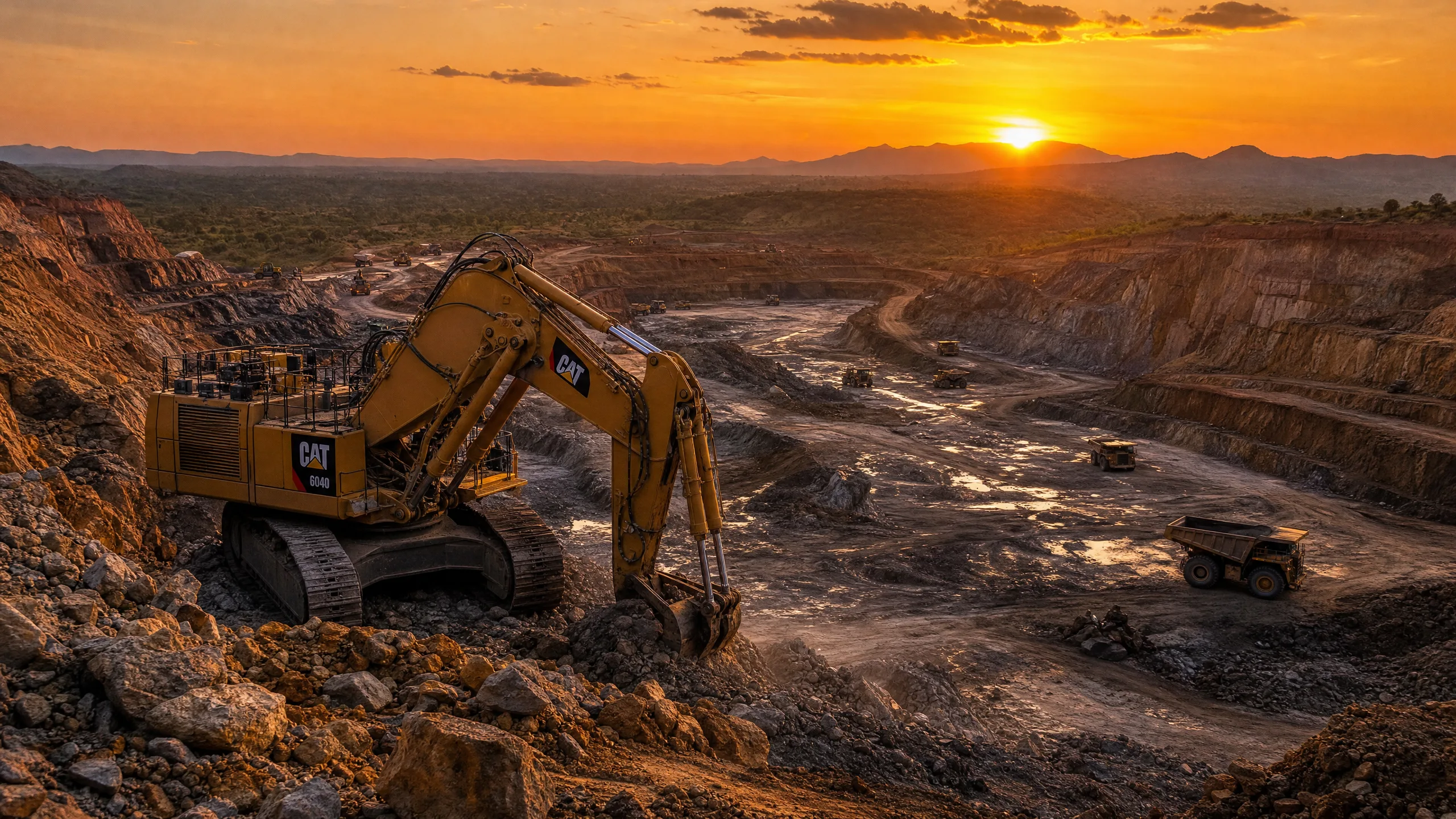
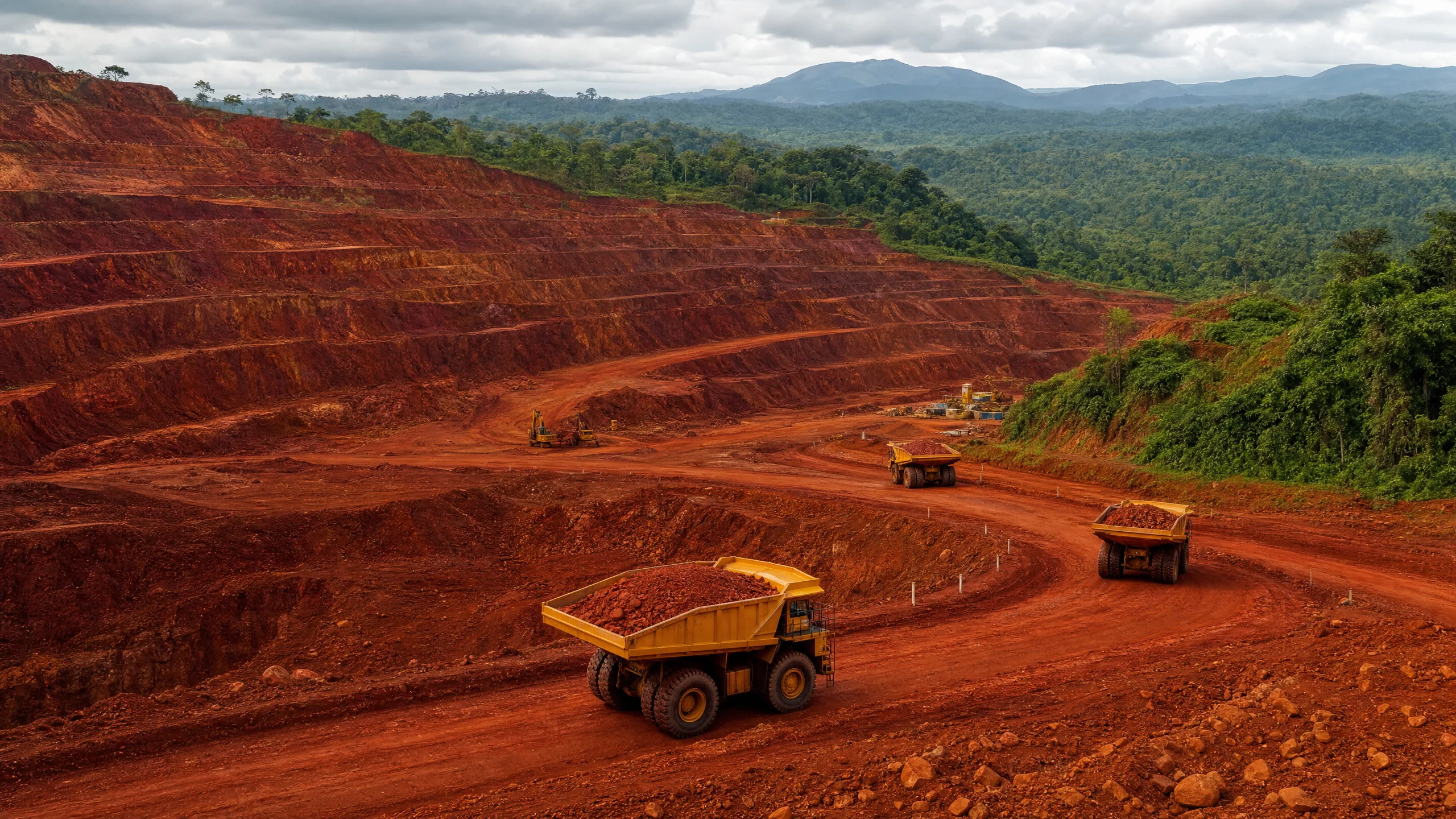
The landscape of DRC cobalt mining is characterized by large-scale industrial operations, often backed by significant foreign investment. One of the most prominent examples is the Tenke Fungurume Mine (TFM), one of the largest copper and cobalt producers in the country. Operated by international consortiums, TFM exemplifies the massive capital and infrastructure required to extract and process these critical minerals efficiently.
Other major operations, such as the Kamoto and Mutanda mines, further bolster the DRC's production capacity. These large-scale mining (LSM) operations are responsible for the vast majority—approximately 70% to 85%—of the cobalt extracted along the copper belt. The involvement of multinational corporations, particularly Chinese firms which own a significant portion of the largest mining operations, highlights the geopolitical stakes involved in securing access to these vital resources.
The Role of Artisanal and Small-Scale Mining
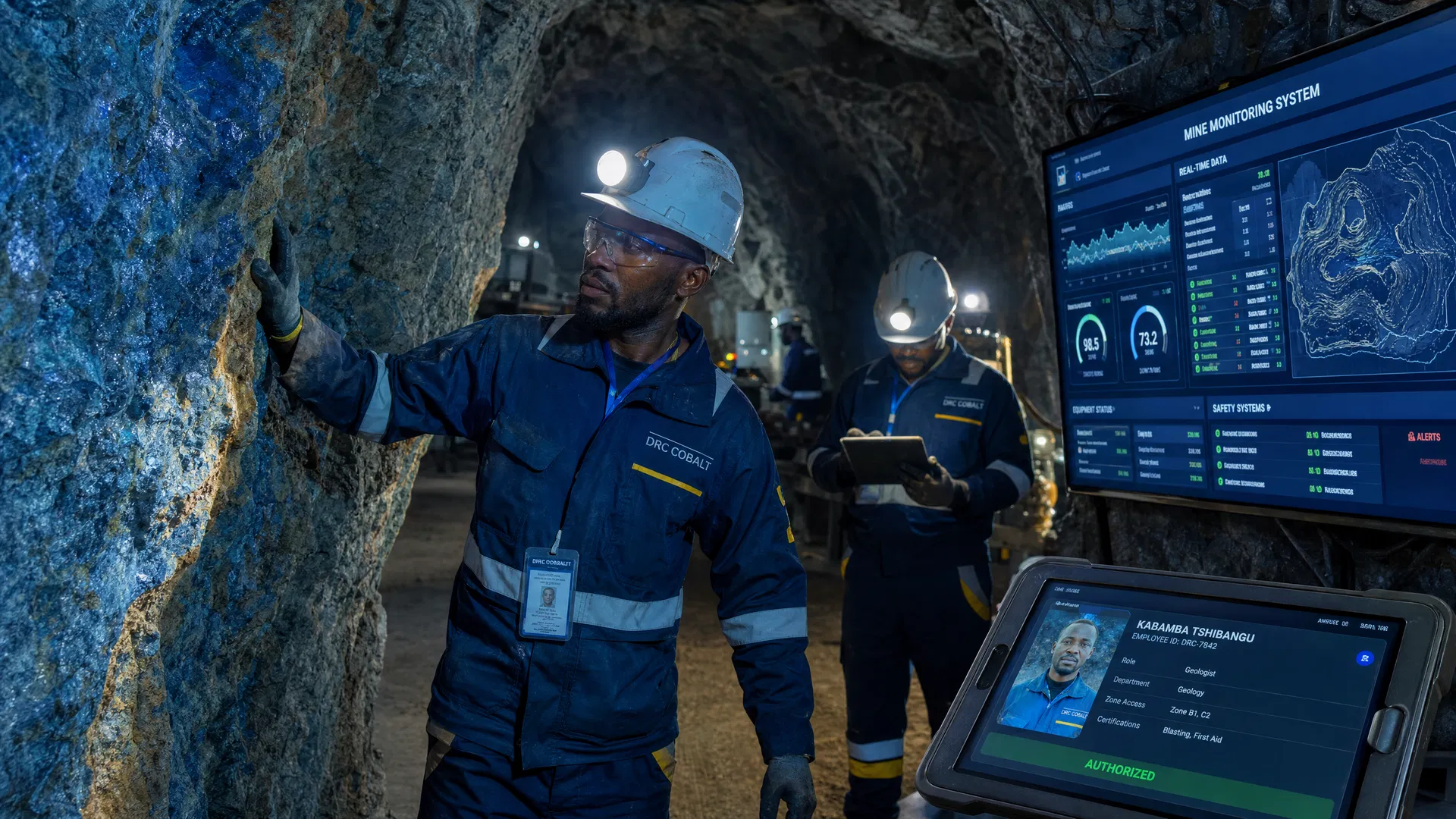
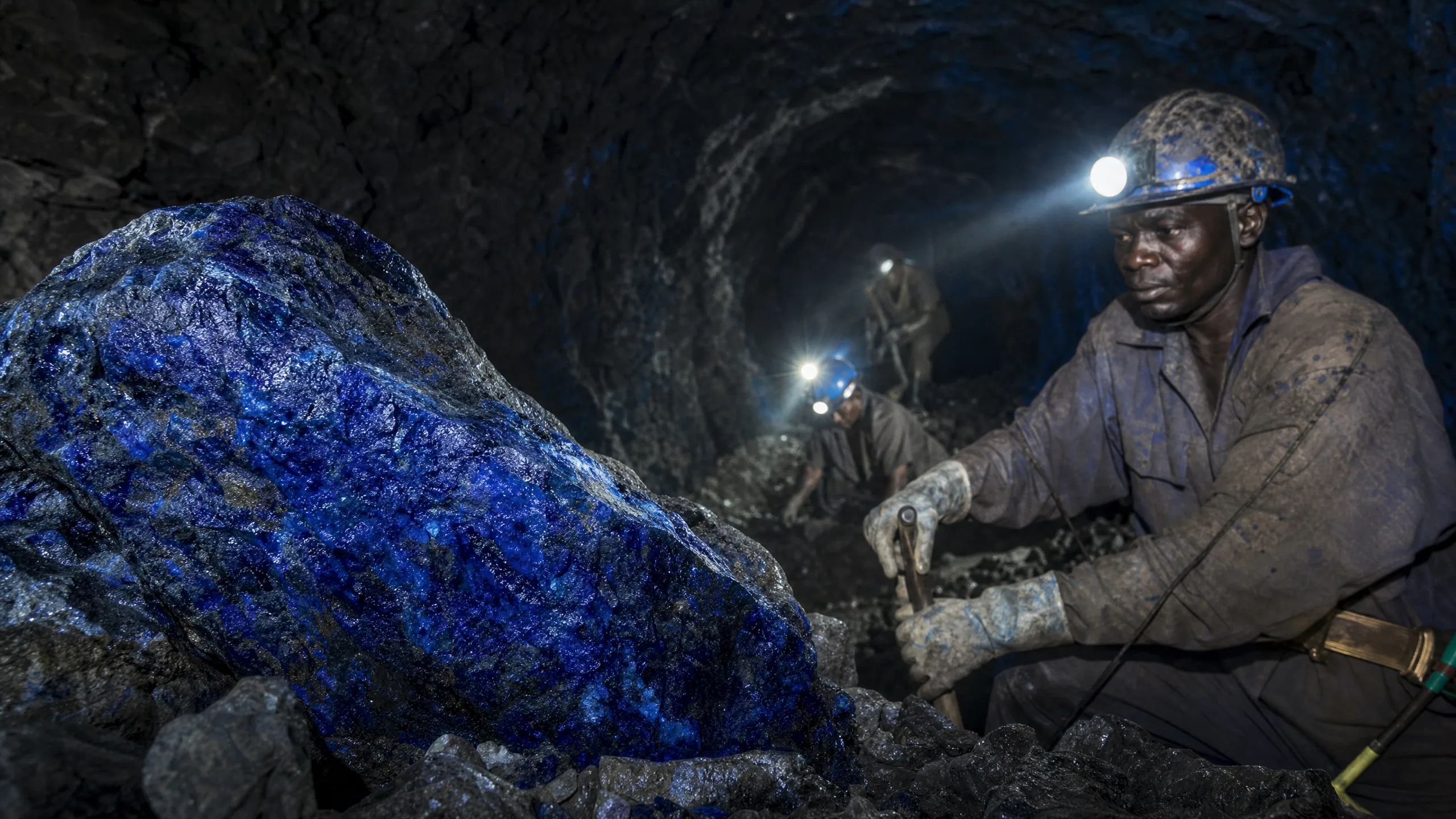
While industrial operations dominate the sector, artisanal and small-scale mining (ASM) plays a complex and significant role in the DRC's cobalt supply chain. It is estimated that ASM accounts for 15% to 30% of the country's total cobalt production. This sector provides a livelihood for hundreds of thousands of Congolese citizens, yet it is fraught with challenges, including safety concerns, lack of regulation, and human rights issues.
The integration of ASM-produced cobalt into the global supply chain presents a significant challenge for responsible sourcing initiatives. Much of the artisanal output is processed locally before being exported, often blending with industrially mined cobalt. For investors and policymakers, addressing the complexities of the ASM sector is crucial for ensuring the ethical and sustainable procurement of materials essential for the green transition.
Navigating Supply Chain Complexities and Market Volatility
The global cobalt market is notoriously volatile, influenced by a myriad of factors including geopolitical tensions, technological advancements, and shifting demand dynamics. Prices have seen dramatic fluctuations over the past decade, driven by the rapid growth of the EV sector and concerns over supply constraints. For instance, while prices surged during periods of high demand, they have also experienced sharp corrections due to overproduction and evolving battery technologies.
Despite this volatility, cobalt remains a highly valuable commodity. The sustained high cost has prompted significant investment in research and development aimed at reducing or eliminating cobalt in battery chemistries. However, for the foreseeable future, high-nickel, cobalt-bearing batteries remain the standard for long-range EVs, ensuring that the DRC's resources will continue to be in high demand.
The Future: Digital Infrastructure and Tokenization
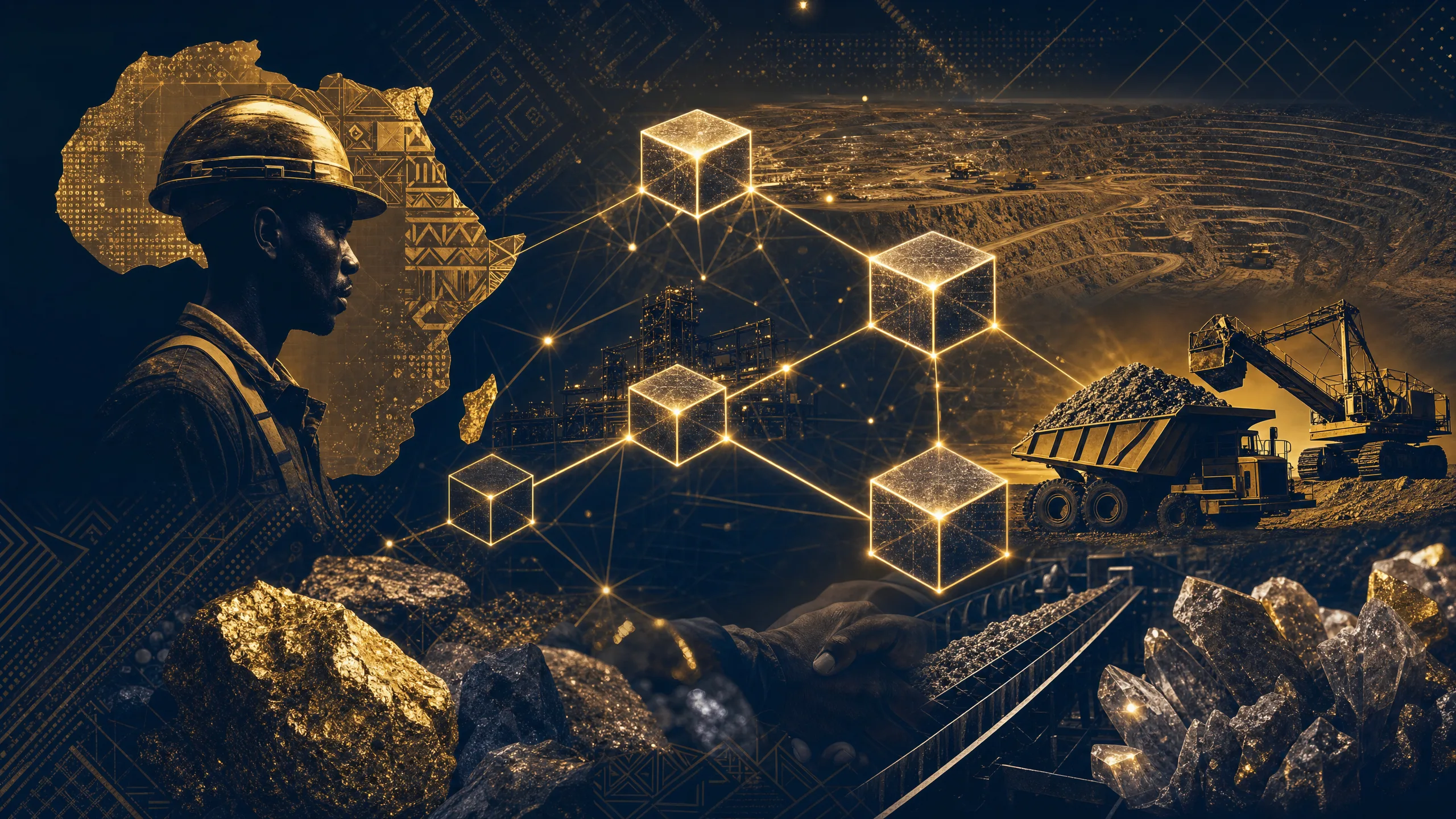
As the demand for critical minerals like cobalt continues to rise, the need for transparent, efficient, and secure supply chains becomes paramount. This is where the intersection of natural resources and digital infrastructure presents a transformative opportunity. The tokenization of real-world assets, such as cobalt reserves and production outputs, offers a novel approach to investment and supply chain management.
By leveraging blockchain technology, platforms like AfriVest can digitize Africa's assets, providing institutional investors with unprecedented access and transparency. Tokenization can facilitate fractional ownership, enhance liquidity, and ensure verifiable provenance, addressing many of the ethical and logistical challenges associated with traditional commodity markets. As the DRC continues to power the electric vehicle revolution, the integration of digital financial infrastructure will be instrumental in unlocking the full potential of Africa's mineral wealth, driving sustainable economic growth and global energy security.