
The Imperative of Blockchain Traceability in African Mining
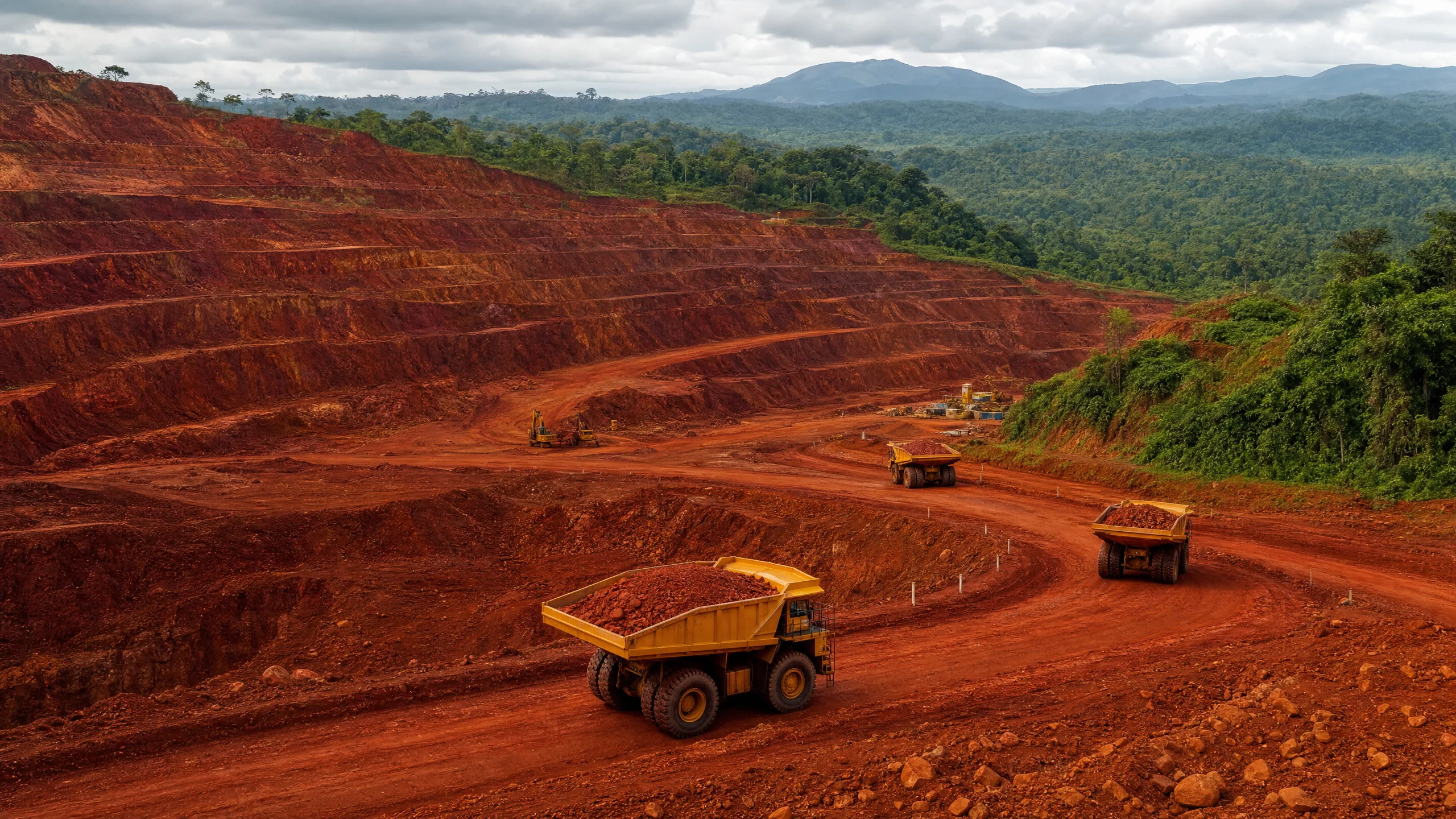
The mining sector in Central Africa plays a pivotal role in the continent’s economic landscape, contributing significantly to GDP and employment. However, this industry has faced persistent challenges related to ethical sourcing, particularly concerning conflict minerals that finance armed groups and fuel regional instability. Blockchain traceability emerges as a transformative technology capable of enhancing supply chain transparency and ensuring that mineral extraction adheres to ethical mining Africa standards. By leveraging blockchain, stakeholders can create immutable, verifiable records of mineral provenance, reducing illicit trade and bolstering investor confidence.
In Central Africa, where governance frameworks can be fragmented and digital infrastructure remains uneven, blockchain offers an innovative solution to longstanding issues in resource governance. According to the African Development Bank, the mining sector accounts for approximately 10% of Africa’s GDP but suffers from inefficiencies and opaque supply chains that hinder sustainable growth. Integrating blockchain traceability mechanisms addresses these inefficiencies by providing real-time data on mineral origins, transportation, and processing, which helps to mitigate risks associated with conflict minerals and unethical labor practices.
Enhancing Ethical Mining Africa through Supply Chain Transparency
Ethical mining Africa is increasingly becoming a priority for international buyers and regulators, driven by growing consumer and investor demand for responsibly sourced minerals. Supply chain transparency enabled by blockchain traceability can verify that minerals such as cobalt, tantalum, and tin—commonly sourced from Central African mines—are conflict-free and produced under humane working conditions. This transparency not only protects vulnerable communities but also strengthens the marketability of African minerals on the global stage.
The Kimberley Process Certification Scheme, established to prevent conflict diamonds from entering the mainstream market, has demonstrated the value of traceability frameworks but also exposed their limitations due to reliance on paper-based systems prone to fraud. Blockchain’s decentralized ledger technology offers a more robust alternative by recording every transaction in an immutable ledger accessible to all authorized participants. This prevents data manipulation and enhances trust among miners, processors, exporters, and end-users, facilitating compliance with international ethical mining standards.
Blockchain’s Role in Addressing Conflict Minerals in Central Africa
Conflict minerals remain a critical concern in Central Africa, where armed factions exploit mineral wealth to finance violence. The Democratic Republic of Congo (DRC) alone produces over 60% of the world’s cobalt, a mineral essential for battery production in electric vehicles and consumer electronics. However, much of this cobalt supply chain has been linked to human rights abuses and illegal mining operations. Blockchain traceability provides a powerful tool to break this cycle by enabling provenance verification from mine to market.
By deploying blockchain-based digital infrastructure, governments and companies can monitor mineral flows with unprecedented accuracy. For instance, a pilot initiative in the DRC employing blockchain to track cobalt shipments reported a 30% reduction in supply chain discrepancies within the first year. Such success underscores blockchain’s potential to deter illicit activities and promote responsible sourcing, thereby attracting ethical investors and multinational corporations committed to sustainable procurement.
Integration with Africa’s Digital Economy Transformation
The adoption of blockchain traceability in mining aligns closely with Africa’s broader digital economy transformation agenda. The African Continental Free Trade Area (AfCFTA) and various regional initiatives emphasize the need for digital infrastructure that supports transparency, efficiency, and cross-border trade facilitation. Blockchain technology, coupled with tokenization mechanisms, can revolutionize mineral markets by enabling secure transactions, fractional ownership, and real-time auditing.
Tokenization of mineral assets on blockchain platforms can also unlock new financing models for small-scale miners and local communities, who traditionally face barriers accessing capital. By converting mineral rights or future production into digital tokens, these stakeholders can attract investment while maintaining transparency and compliance with regulatory frameworks. This synergy between blockchain traceability and Africa’s digital economy not only enhances supply chain integrity but also fosters inclusive growth and innovation within the mining sector.
Challenges and Opportunities in Implementing Blockchain Traceability
Despite its significant benefits, implementing blockchain traceability in African mining faces challenges related to infrastructure, regulatory environments, and stakeholder adoption. Many mining regions in Central Africa suffer from limited internet connectivity and digital literacy, which can hinder the deployment and scalability of blockchain solutions. Additionally, regulatory frameworks governing blockchain and digital assets are still evolving, requiring harmonization to ensure legal certainty and investor protection.
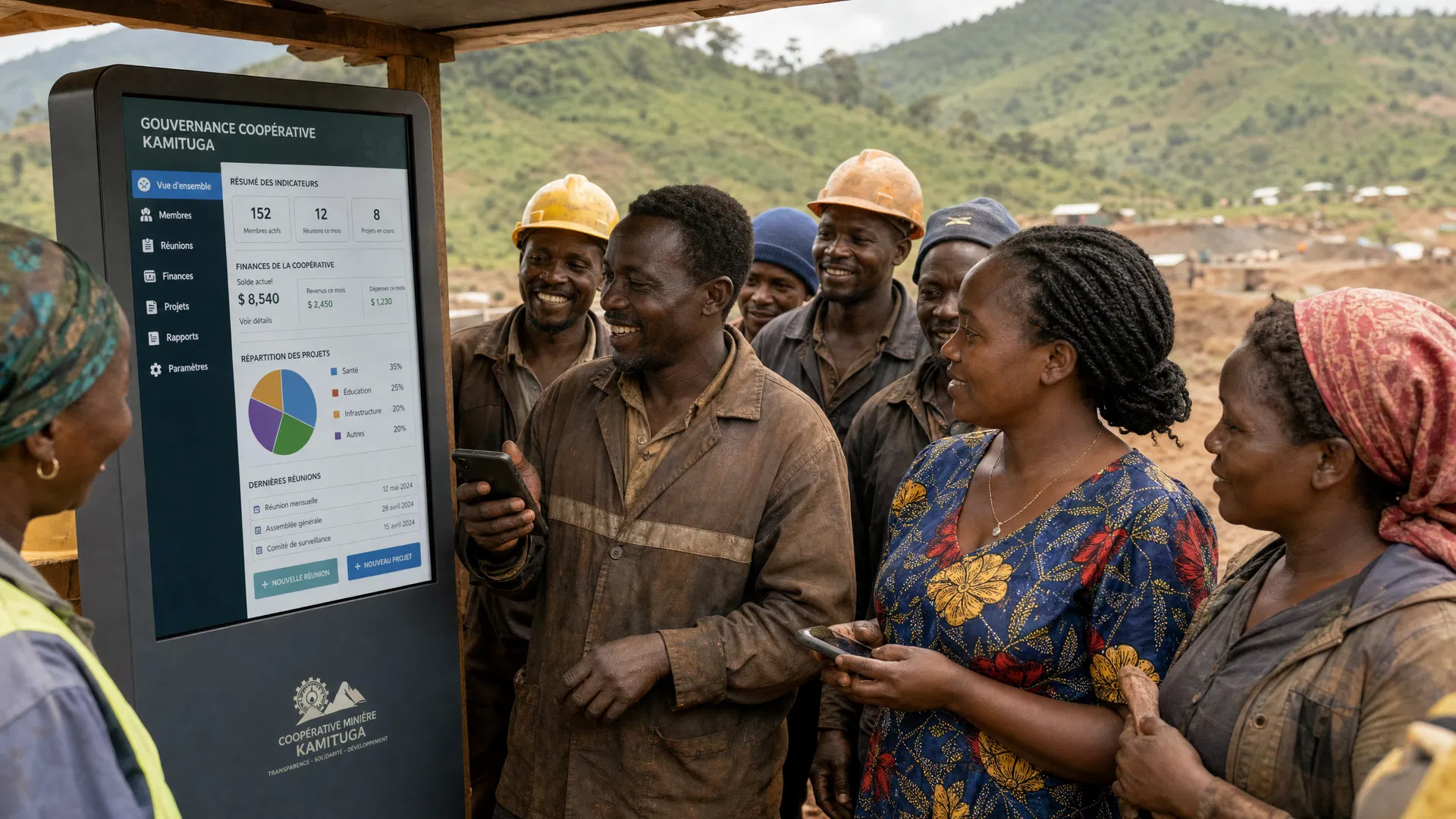
Nonetheless, these challenges present opportunities for public-private partnerships and international cooperation to build resilient digital infrastructure tailored to mining communities’ needs. Governments can incentivize blockchain adoption by integrating it into national mining policies and compliance systems. Moreover, partnerships with technology providers and development agencies can facilitate capacity-building programs, enabling miners and regulators to effectively utilize blockchain tools. As these ecosystems mature, blockchain traceability will become a cornerstone of ethical mining Africa and sustainable resource governance.
Conclusion: Advancing Digital Infrastructure for Ethical Mining
Blockchain traceability represents a critical advancement in establishing ethical supply chains within African mining, particularly in Central Africa’s conflict-affected regions. By enhancing supply chain transparency and ensuring compliance with responsible mining standards, blockchain technology can unlock significant economic, social, and environmental benefits. Furthermore, its integration with Africa’s digital economy transformation and tokenization initiatives offers innovative pathways for financing, governance, and market access.
Looking ahead, investment in digital infrastructure will be essential to scale blockchain traceability solutions across the continent’s mining sector. Institutional investors and policymakers must prioritize supportive regulatory frameworks, capacity development, and technology deployment to realize blockchain’s full potential. In doing so, Africa can position itself as a global leader in ethical mining, leveraging digital innovation to promote sustainable development and inclusive prosperity.