Guinea controls the world's largest bauxite reserves, driving global aluminum production. Discover how Simandou and West African mining are transforming the economy.
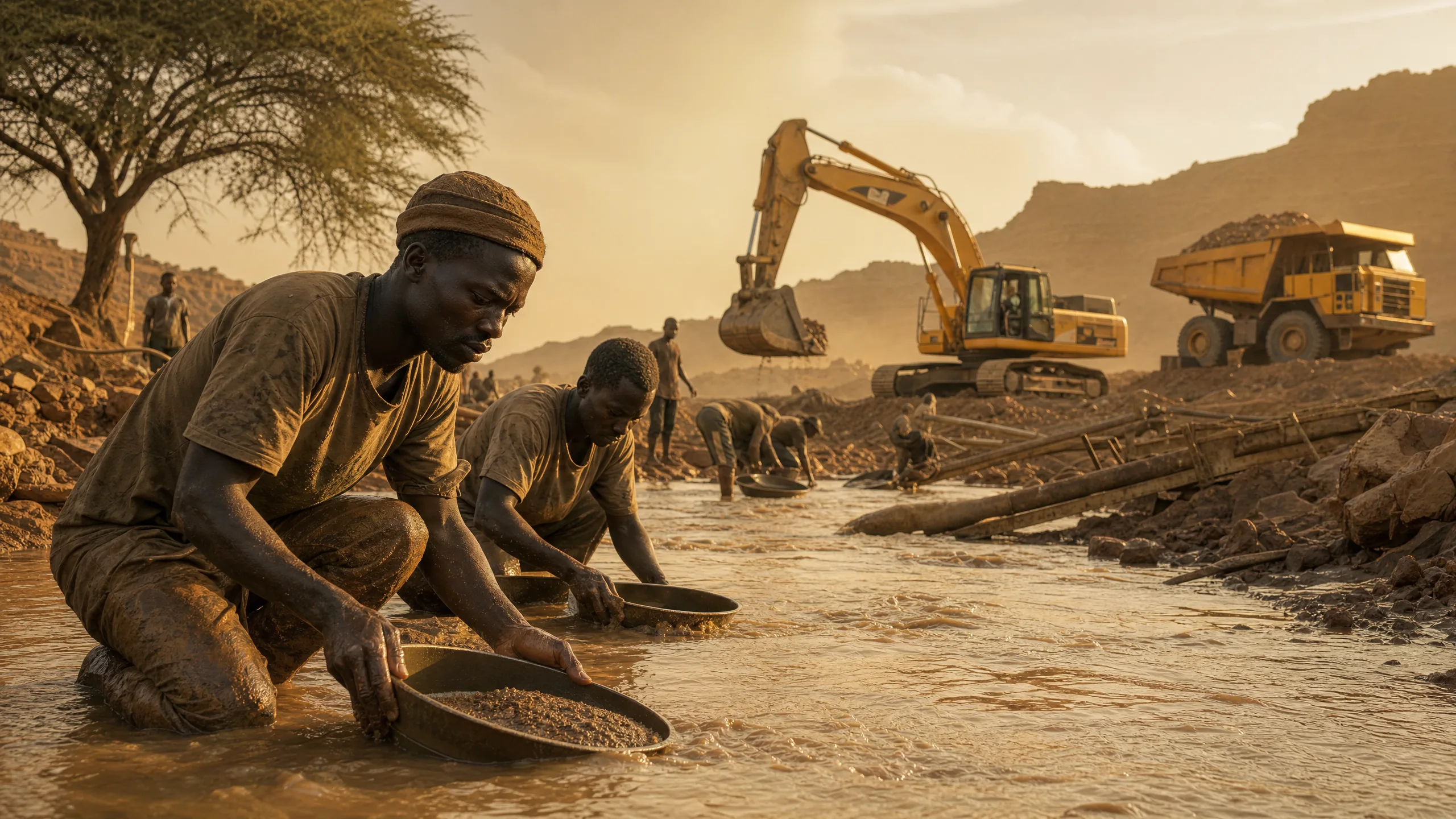
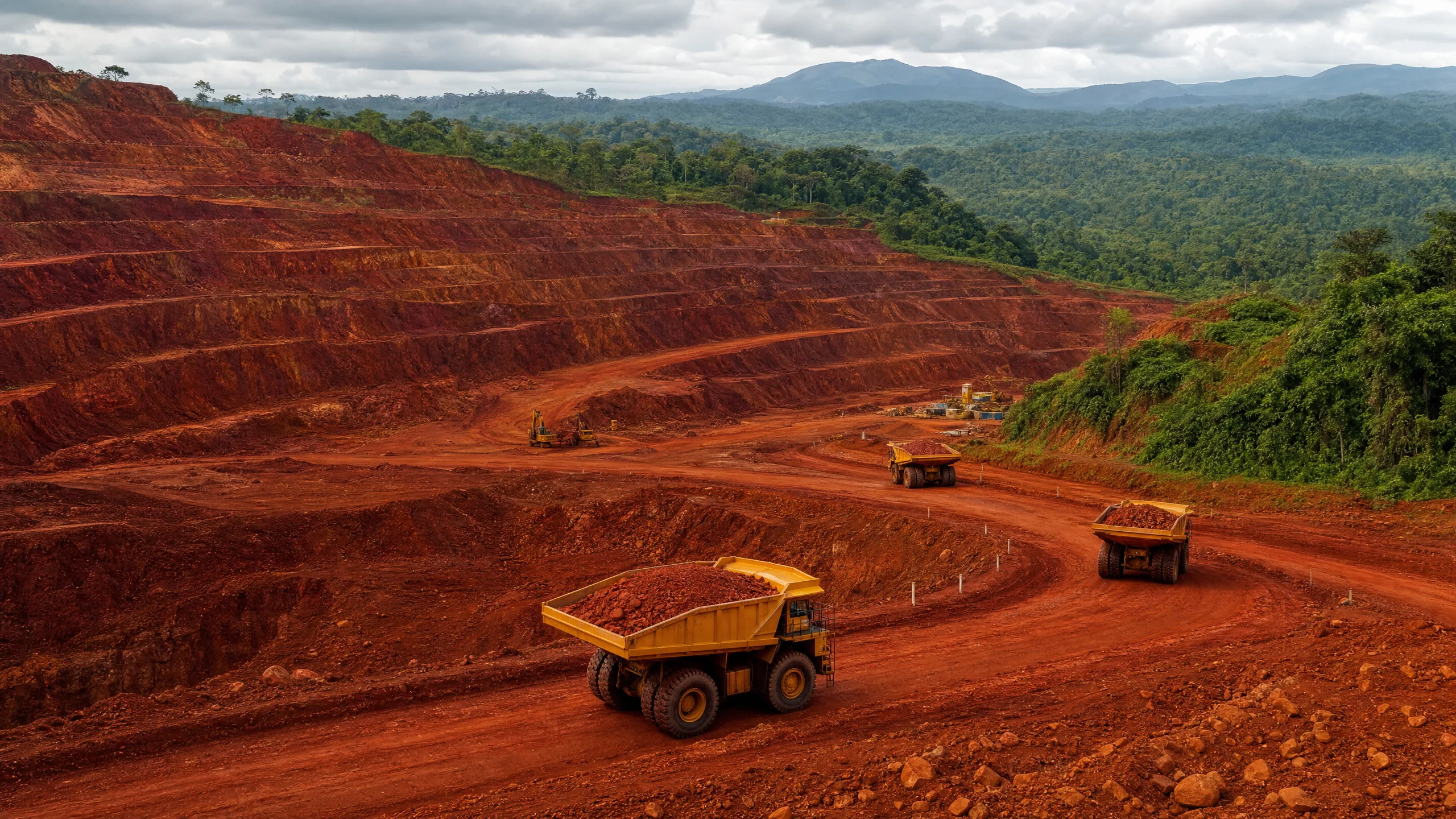
The Republic of Guinea is quietly powering the modern world. As the global demand for aluminum surges—driven by everything from electric vehicles to sustainable packaging—this West African nation has emerged as the undisputed heavyweight champion of bauxite production. In 2023, Guinea's bauxite output surged past 123 million metric tons, cementing its position as the world's largest producer and accounting for an astonishing 73% of global seaborne bauxite exports. For institutional investors and policymakers, understanding Guinea's mining landscape is no longer optional; it is a critical component of navigating the future of global commodities and digital asset tokenization.
The Unrivaled Scale of Guinea's Bauxite Reserves
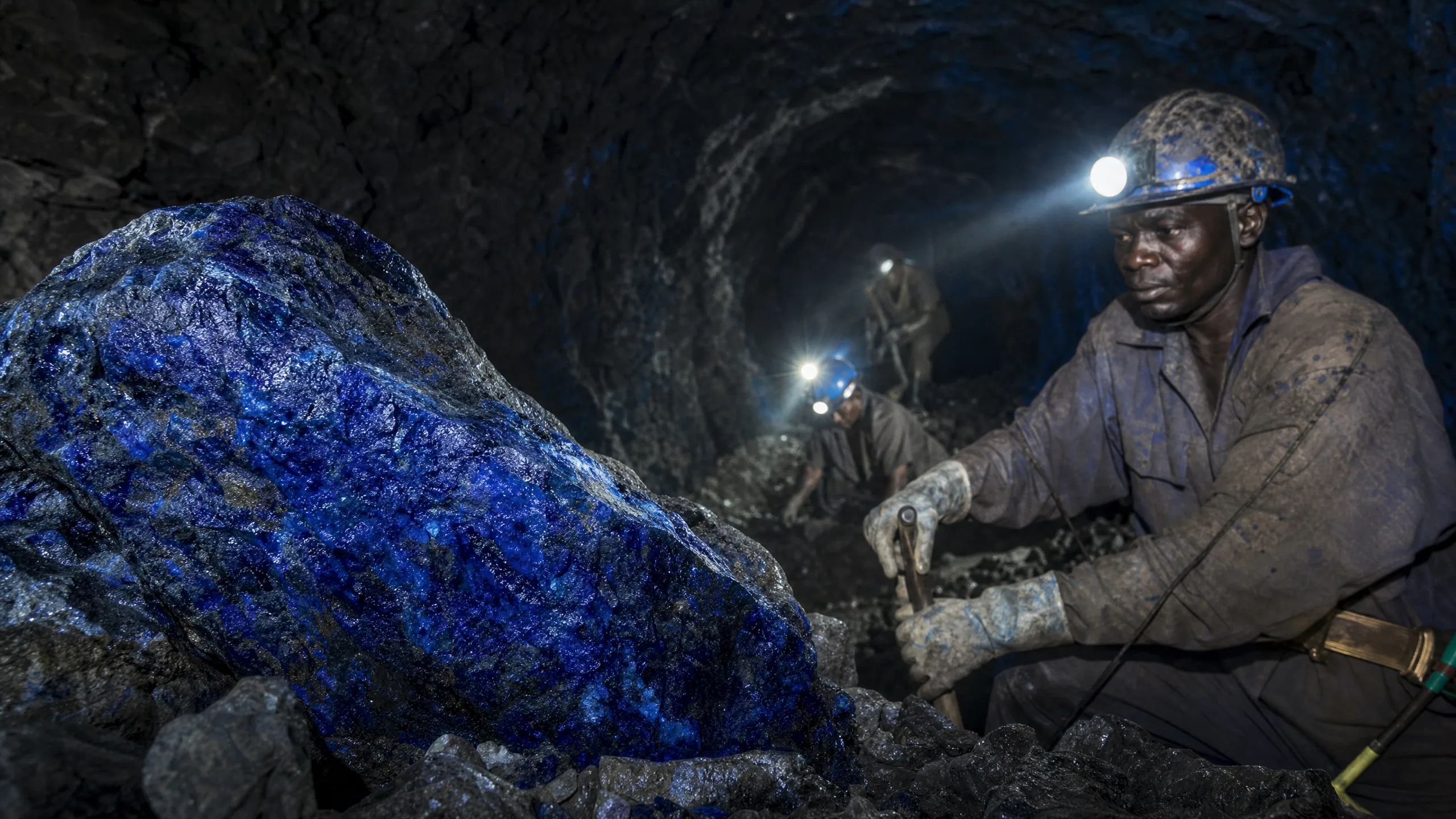
Guinea boasts an estimated 7.4 billion tons of bauxite reserves, representing approximately 25% of the world's total known deposits. This staggering natural wealth has transformed the country's economic trajectory. Over the past decade, bauxite production has grown exponentially, leaping from just 20 million tons in 2015 to over 127 million tons in 2023. This rapid expansion allowed Guinea to surpass traditional mining powerhouses like Brazil and Australia.
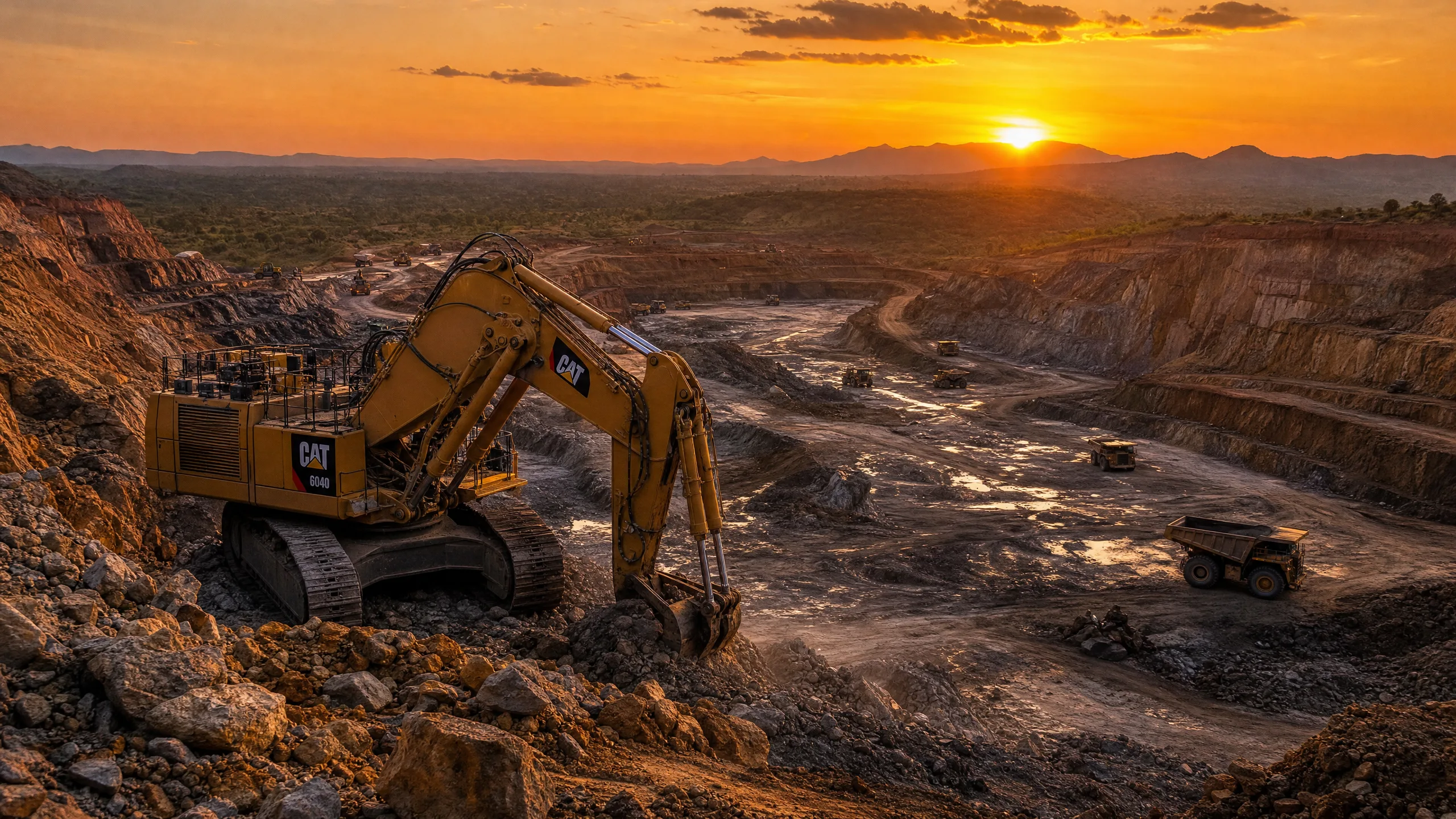
The mining sector is the undisputed engine of the Guinean economy, contributing 21% to the national Gross Domestic Product (GDP) and accounting for a massive 90% of the country's total exports. In 2022 alone, Guinea exported over $5.1 billion worth of bauxite. Major operations, such as those run by the Compagnie des Bauxites de Guinée (CBG) and the Société Minière de Boké (SMB), have been instrumental in this growth, particularly in meeting the insatiable demand from Asian markets, which consume the lion's share of these exports for alumina refining.
Strategic Importance in Global Aluminum Production
Bauxite is the primary ore used to produce alumina, which is then smelted into pure aluminum. As the world transitions toward greener technologies, aluminum's lightweight and conductive properties make it indispensable. Guinea's high-grade bauxite is particularly prized because it requires less energy to refine, aligning perfectly with global decarbonization efforts.
The strategic pivot of global supply chains toward West Africa was accelerated by export bans in other major producing nations, such as Indonesia in 2014. This shift forced major alumina producers to secure reliable, long-term supplies, leading to massive foreign direct investment in Guinea's Boké region. Today, the infrastructure built to support this extraction—including dedicated railways and deep-water ports—forms the backbone of Guinea's industrial capacity.
The Simandou Iron Ore Project: A Catalyst for Broader Growth
While bauxite remains the cornerstone of Guinea's mining sector, the impending operationalization of the Simandou iron ore project is set to supercharge the economy. Simandou is the world's largest untapped reserve of high-grade iron ore, containing an estimated 4 billion tons. The $20 billion project, which includes the construction of over 600 kilometers of shared-use railway and a new 120-million-ton capacity port, is expected to begin production by late 2025.
The International Monetary Fund (IMF) projects that Simandou could expand Guinea's economy from $21 billion in 2022 to nearly $48 billion by 2030. This infrastructure boom will not only facilitate iron ore exports but will also create vital logistical corridors that can further optimize bauxite transport and stimulate broader regional economic development across West Africa.
Navigating Challenges: Resource Nationalism and Infrastructure
Despite its immense potential, investing in Guinea's mining sector requires navigating complex geopolitical and infrastructural realities. The Guinean government has increasingly embraced resource nationalism, seeking to extract greater domestic value from its mineral wealth. In 2022, the government introduced a bauxite reference price to prevent underpricing and maximize state revenues. Furthermore, authorities are pushing mining companies to invest in domestic alumina refineries, aiming to transition the country from a raw material exporter to a value-added industrial hub.
However, building energy-intensive alumina refineries in a country with significant power infrastructure deficits presents a substantial challenge. Investors must often commit to developing parallel power generation and transport infrastructure, increasing the capital intensity of these projects. Yet, for those willing to engage in long-term, sustainable development, the rewards are unparalleled.
The Future: Digital Infrastructure and Tokenization Opportunities
As Guinea continues to dominate the global bauxite trade and prepares for the Simandou boom, the intersection of traditional commodities and modern financial technology presents a historic opportunity. The sheer scale of capital required for infrastructure and extraction in West Africa demands innovative financing solutions.
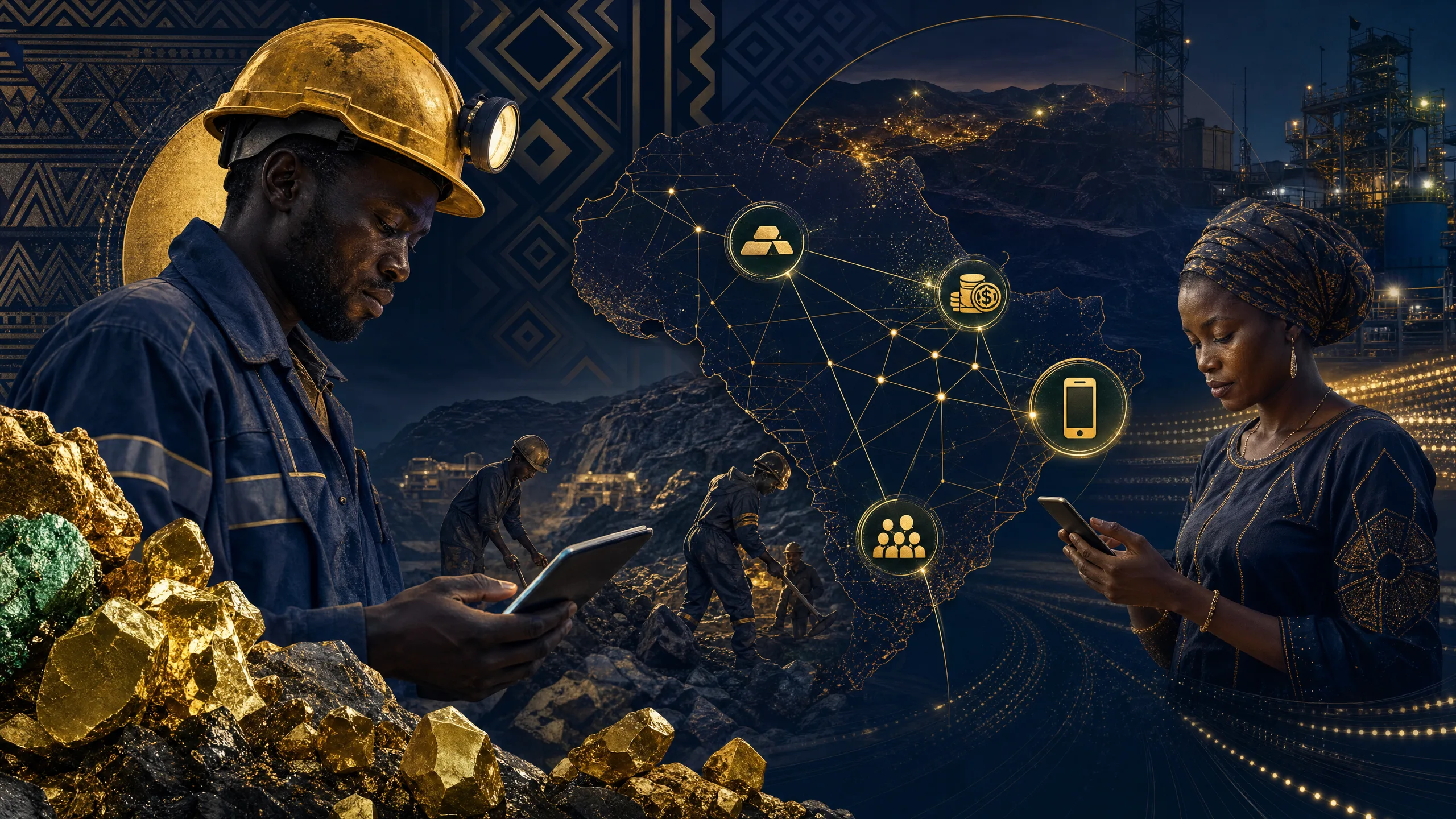
This is where digital infrastructure and asset tokenization come into play. Platforms like AfriVest are uniquely positioned to digitize these tangible assets, offering institutional investors fractionalized, transparent, and liquid access to Guinea's mineral wealth. By tokenizing mining outputs or the underlying infrastructure projects, we can democratize investment, improve capital efficiency, and ensure that the economic benefits of this mining boom are more equitably distributed. The future of African commodities is not just in the ground; it is on the blockchain.