# Digital Finance Solutions for Artisanal and Small-Scale Miners in Africa
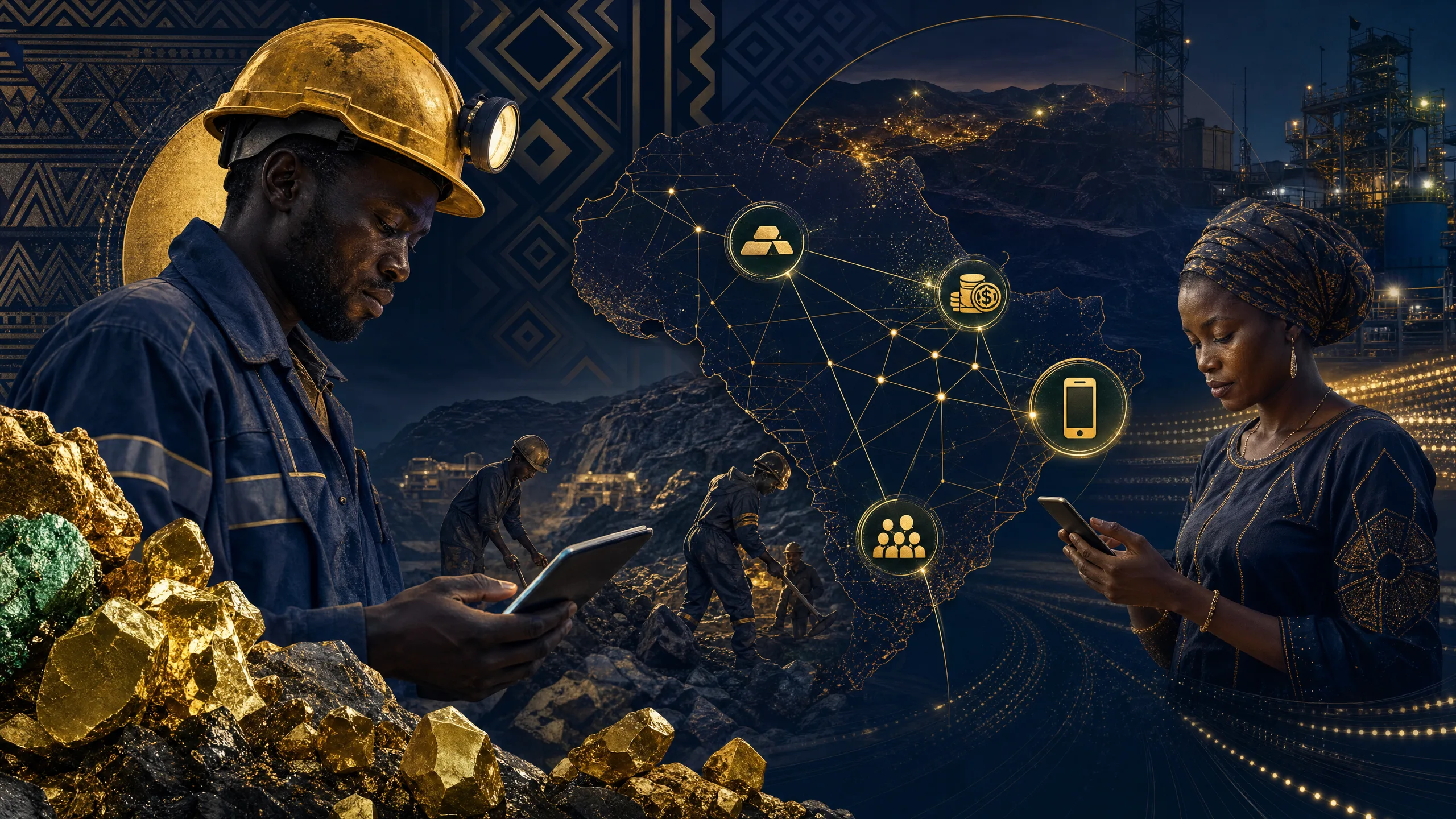
Artisanal miners Africa-wide, particularly in West Africa, represent a significant segment of the mining industry. These miners often face challenges related to access to formal financial services, limiting their growth and economic potential. Digital finance solutions are emerging as transformative tools to promote financial inclusion mining, streamline transactions via mobile money, and leverage blockchain infrastructure to enhance transparency and efficiency. This article explores how these innovations are reshaping the artisanal and small-scale mining (ASM) landscape in West Africa.
The Importance of Artisanal Miners in West Africa’s Mining Economy
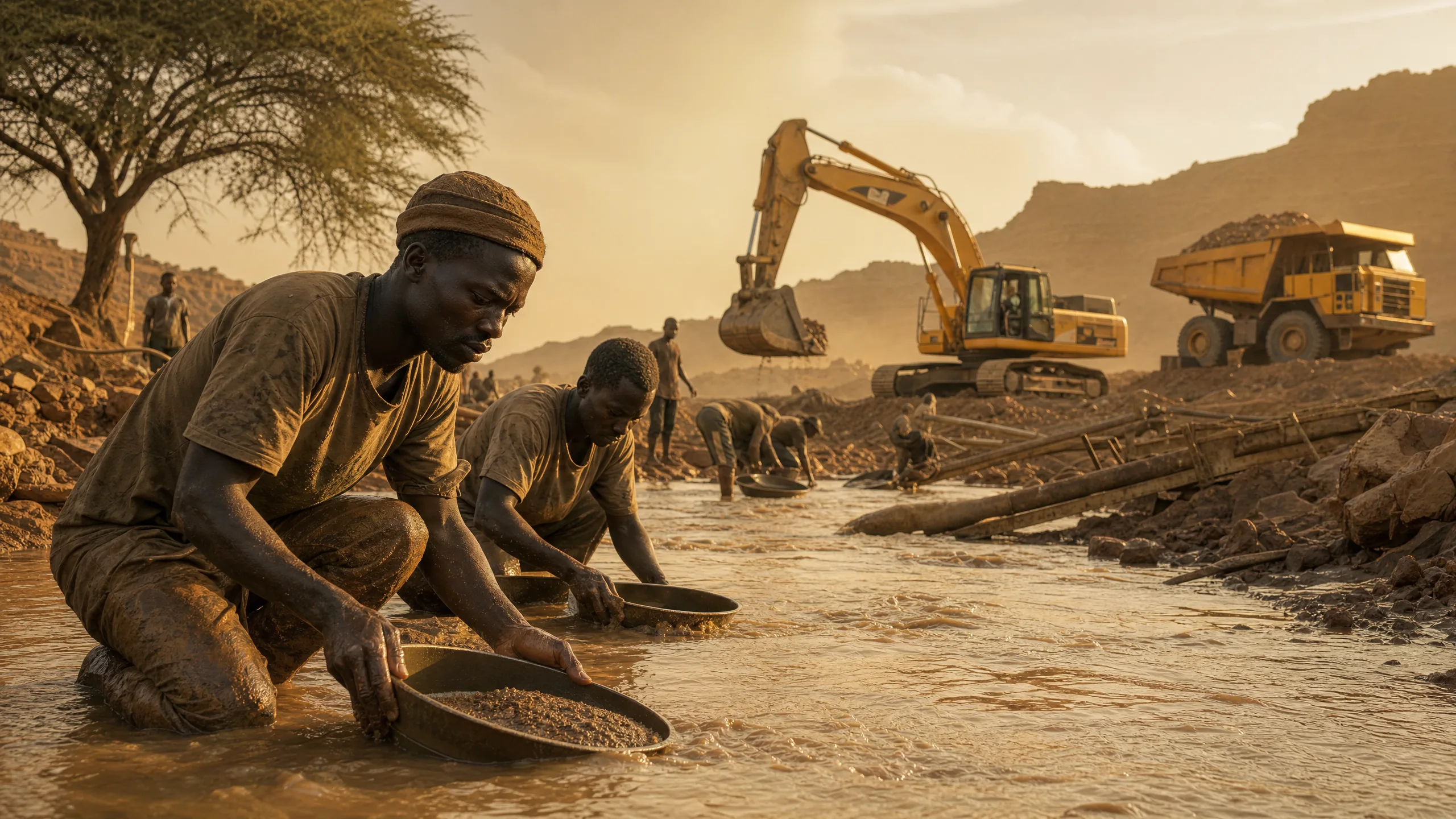
Artisanal and small-scale miners (ASM) constitute a vital part of West Africa’s mining ecosystem. According to the World Bank, ASM employs over 10 million people across the continent and contributes up to 20% of Africa’s mineral production by volume. Countries such as Ghana, Burkina Faso, and Mali benefit significantly from ASM activities, especially in gold and precious minerals extraction. However, the sector remains largely informal, with limited access to credit, insurance, and secure payment systems.
Financial inclusion mining for artisanal miners Africa-wide is essential to formalize operations, improve safety standards, and increase productivity. Yet, conventional banking institutions often perceive ASM as high-risk due to irregular income streams and lack of collateral. This gap presents a critical opportunity for digital finance solutions to bridge.
Mobile Money as a Catalyst for Financial Inclusion in Mining
West Africa has witnessed rapid adoption of mobile money services, with countries like Ghana and Côte d’Ivoire reaching mobile money penetration rates exceeding 40% of the adult population (GSMA Mobile Money Report, 2023). For artisanal miners, mobile money platforms offer an accessible and secure alternative to cash transactions, which are vulnerable to theft and inefficiency.
By using mobile money, miners can receive payments directly for their mineral sales, pay for supplies, and save earnings securely. The interoperability of mobile money networks across West African Economic and Monetary Union (WAEMU) countries further facilitates cross-border trade and remittances, critical in border mining zones.
Moreover, mobile money transactions generate digital records that can serve as proof of income, enabling miners to build credit histories and access microloans tailored to their needs. Financial inclusion mining efforts that integrate mobile money thus empower ASM operators to transition towards formal financial systems.
Blockchain Infrastructure Enhancing Transparency and Traceability
Blockchain infrastructure presents a groundbreaking opportunity to address long-standing transparency issues in ASM supply chains. Illicit trading, smuggling, and environmental violations are often linked to poor traceability of artisanal minerals. Implementing blockchain solutions can create immutable ledgers that track minerals from extraction to export, ensuring compliance with international standards such as the OECD Due Diligence Guidance for Responsible Supply Chains.
In Ghana, pilot projects have deployed blockchain platforms to authenticate gold provenance, enabling miners to receive fair prices and attract ethical investors. Tokenization of mineral assets on blockchain networks also opens pathways for cooperative economics, allowing miners to pool resources, fractionalize ownership, and access new capital markets.
Regulatory frameworks in countries like Ghana and Senegal are increasingly recognizing the benefits of blockchain for mining governance. The Ghana Minerals Commission, for instance, has expressed interest in digital systems to improve licensing and royalty collection, signaling a supportive environment for blockchain adoption.
Challenges and Policy Recommendations for Scaling Digital Finance in ASM
Despite the promising potential of digital finance solutions, artisanal miners Africa-wide face several challenges in adoption. Limited digital literacy, poor internet connectivity in remote mining areas, and concerns over data privacy remain significant barriers. Furthermore, regulatory inconsistencies across West African countries can complicate cross-border digital transactions and blockchain interoperability.
To scale financial inclusion mining effectively, policymakers should consider:
- Investing in digital infrastructure: Expand mobile network coverage and affordable internet access in mining communities.
- Capacity building: Implement training programs to enhance digital skills among ASM operators.
- Regulatory harmonization: Develop regional standards for digital finance and blockchain applications in mining, aligning with WAEMU and ECOWAS frameworks.
- Public-private partnerships: Encourage collaboration between governments, fintech companies, and mining cooperatives to design user-centric digital tools.
- Data protection policies: Ensure miners’ data privacy rights are safeguarded to build trust in digital platforms.
Implementing these measures can unlock the full potential of digital finance solutions, fostering a more inclusive and sustainable artisanal mining sector.
Conclusion
Digital finance solutions are revolutionizing the artisanal mining landscape in West Africa by enhancing financial inclusion mining, facilitating secure mobile money transactions, and leveraging blockchain infrastructure to improve transparency and cooperative economics. As governments and stakeholders align regulatory frameworks and invest in digital capacity, artisanal miners Africa-wide stand to benefit from increased access to formal financial services, better market access, and improved livelihoods. Institutional investors and policymakers have a crucial role in supporting these transformative technologies to ensure the sustainable growth of Africa’s artisanal mining sector.