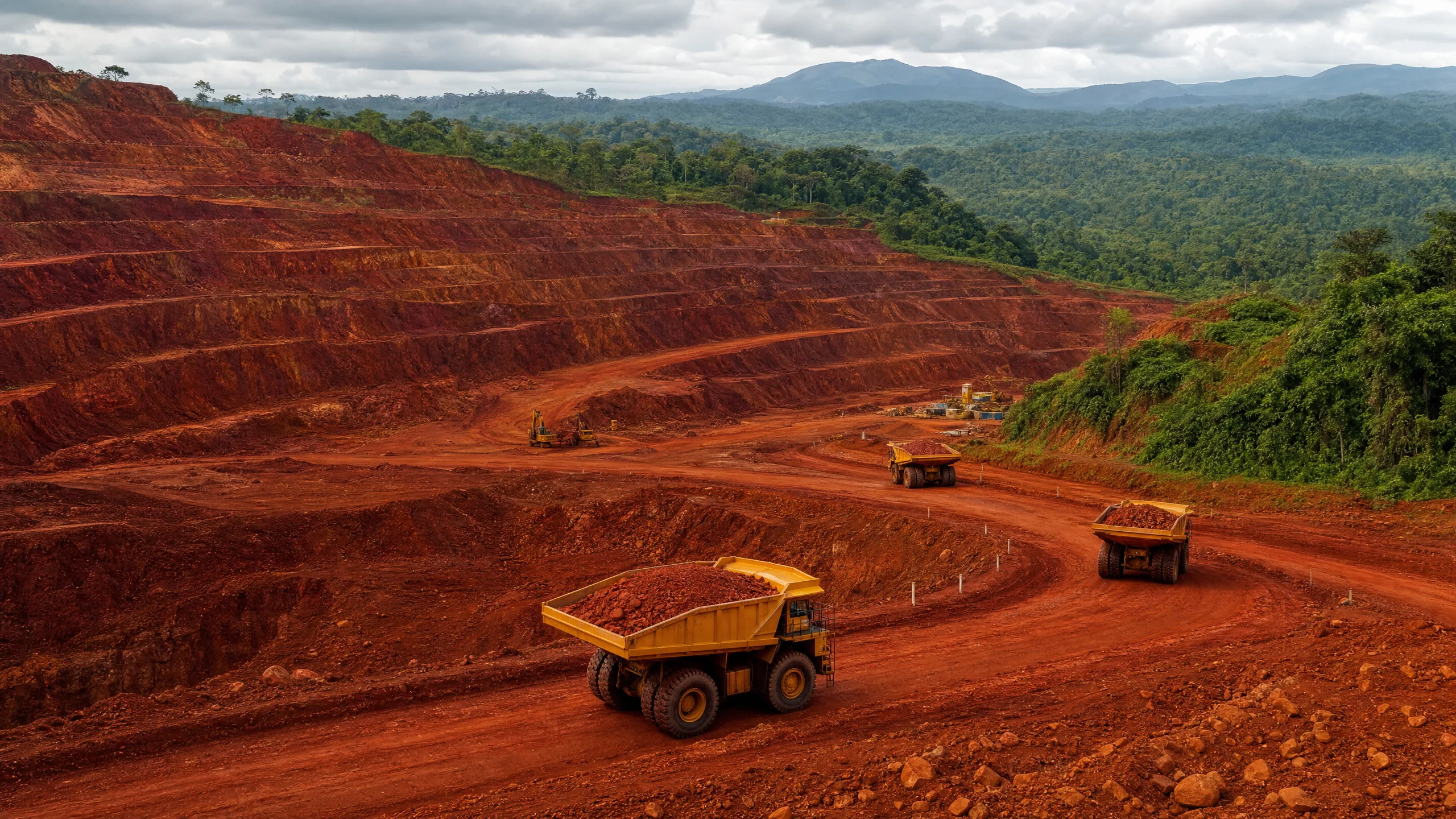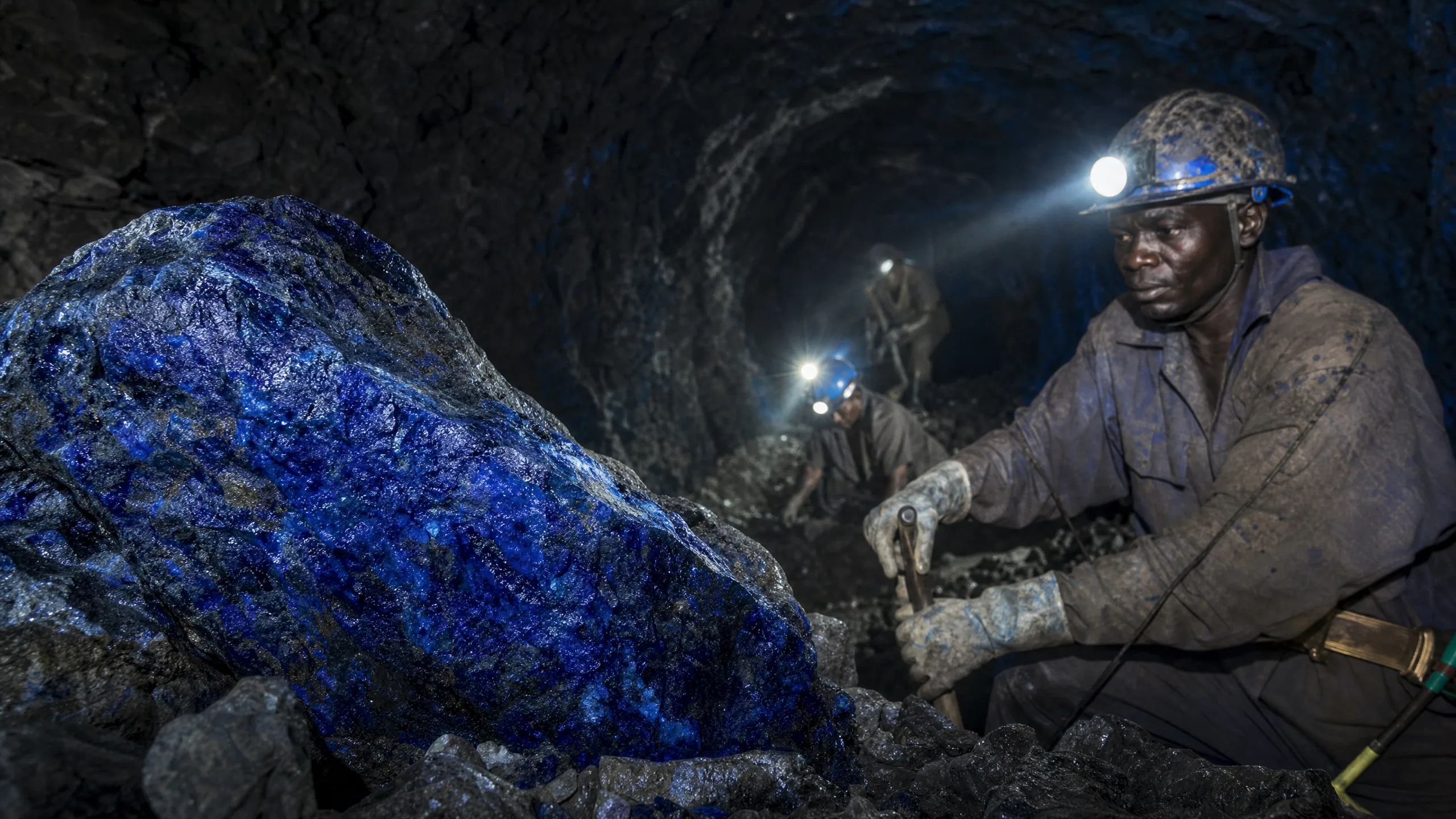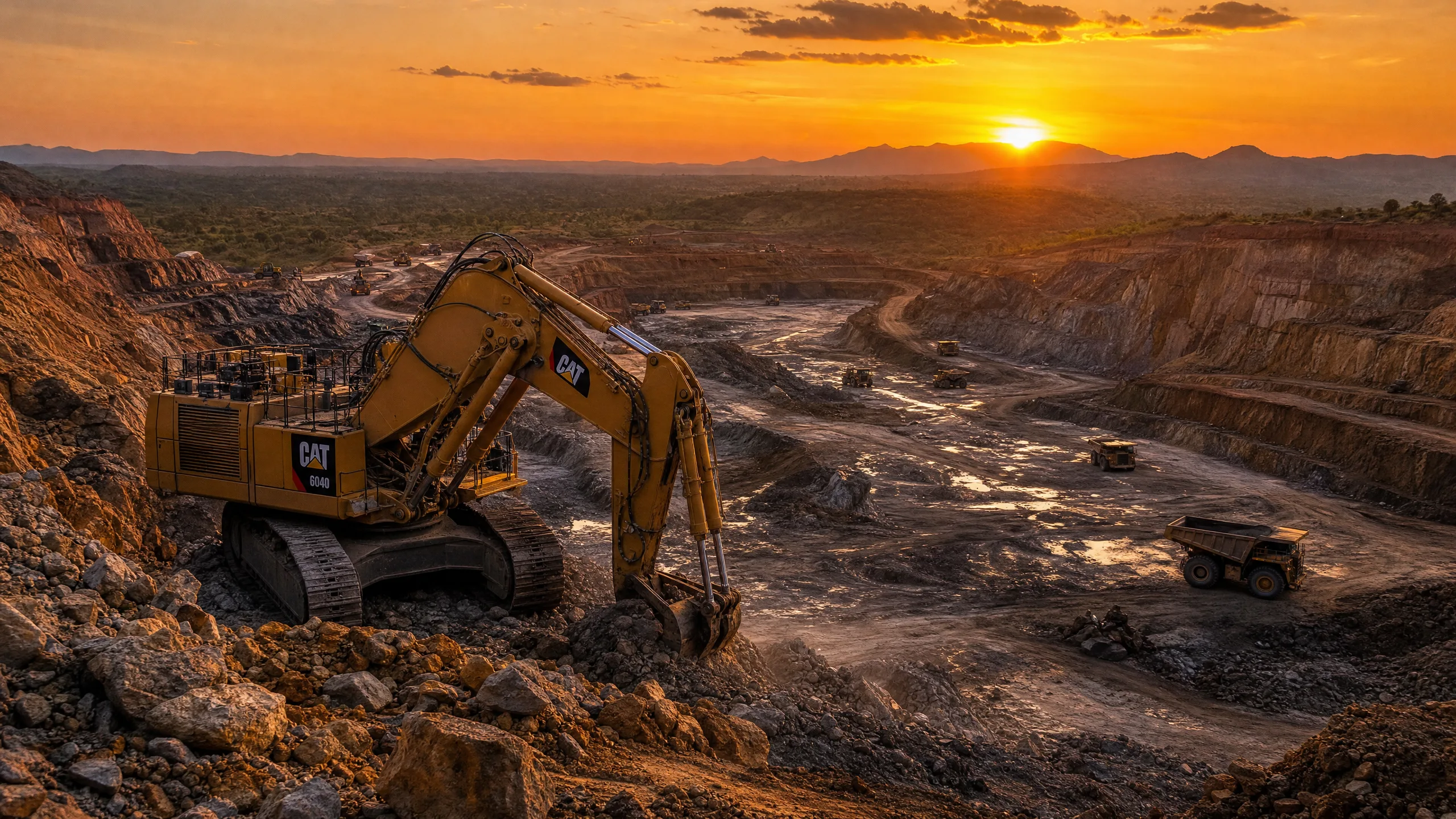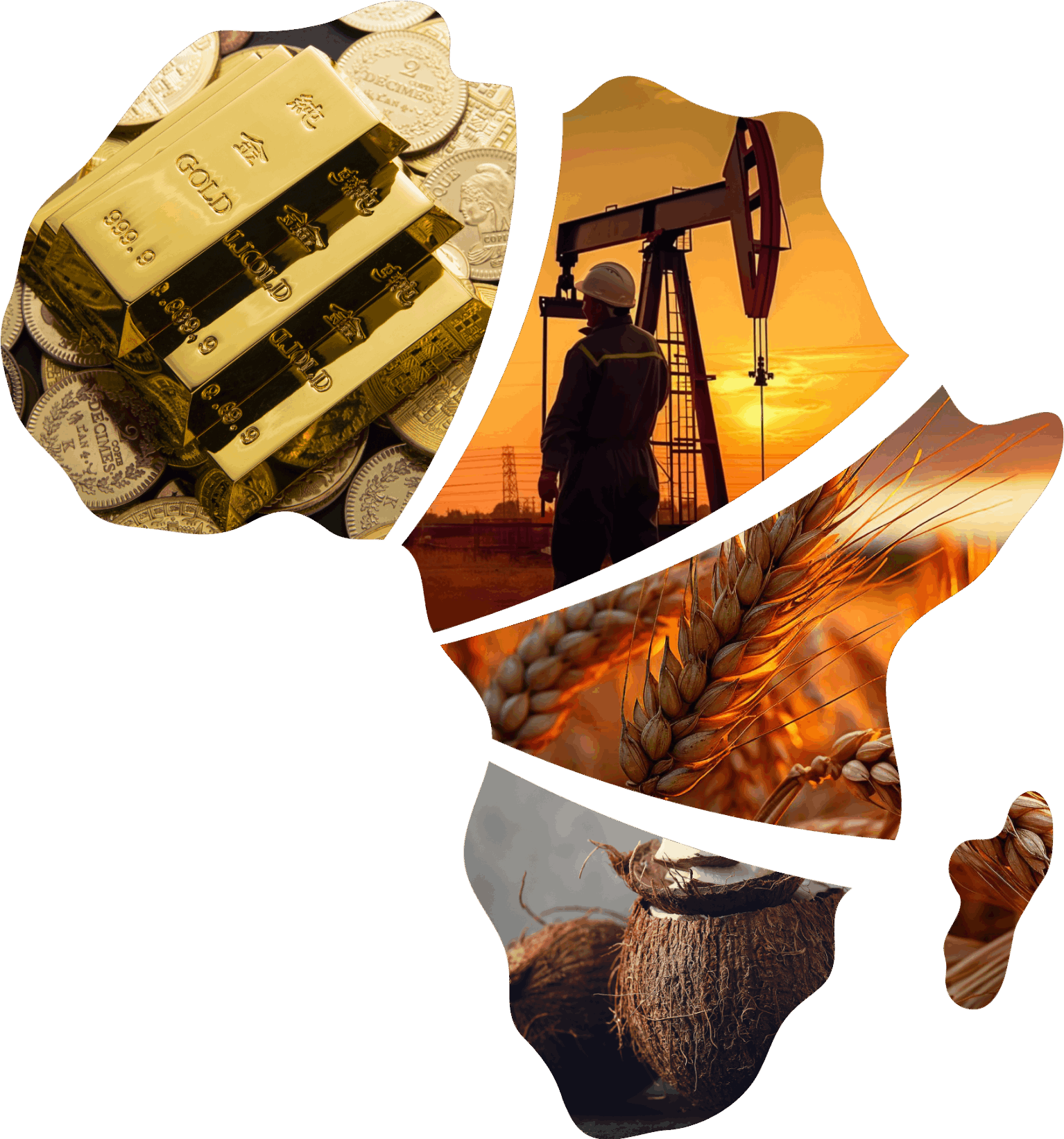
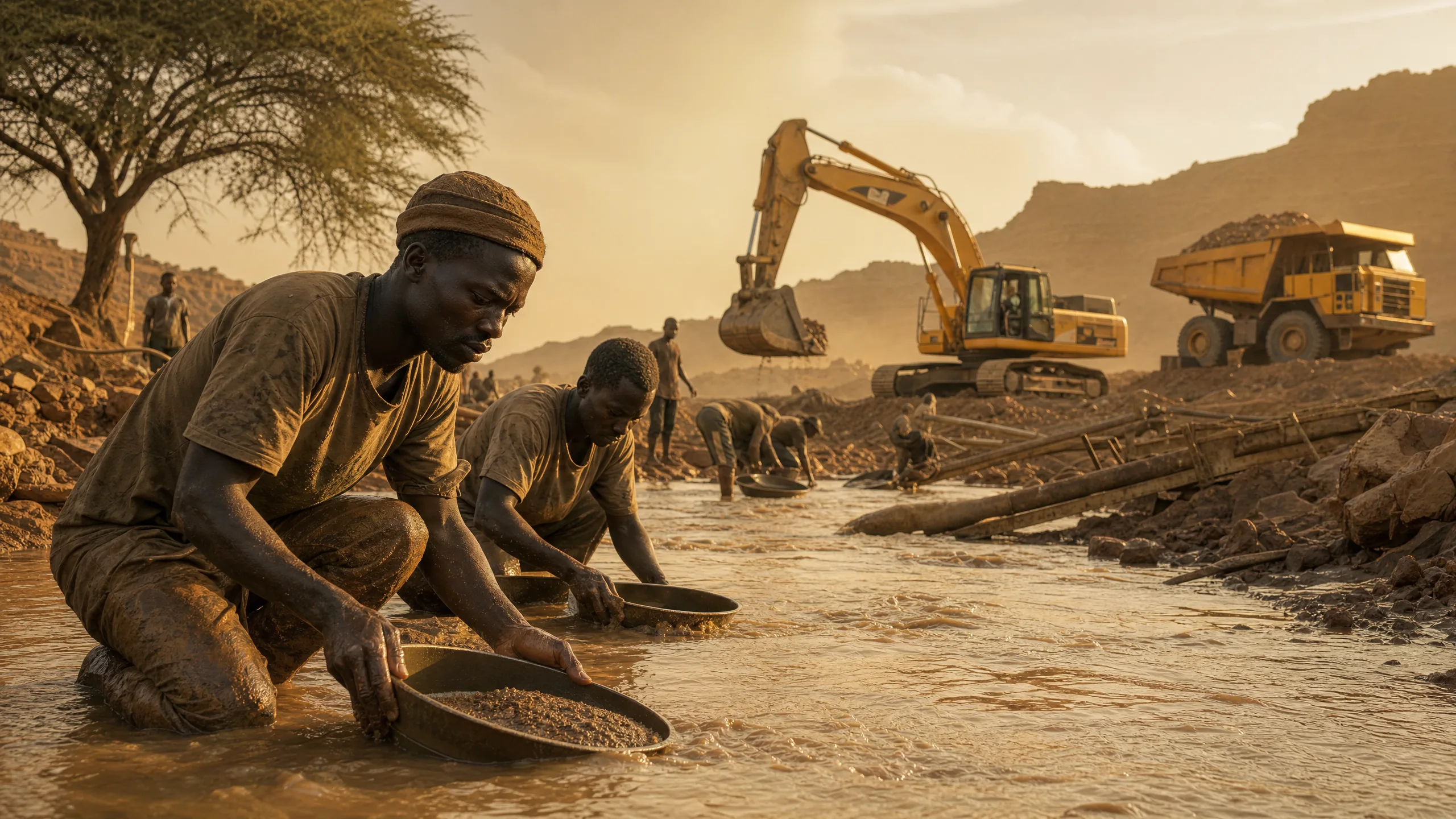
Mali's gold mining sector stands as a cornerstone of West Africa's economic landscape, driving substantial growth and attracting significant institutional investment. As Africa's third-largest gold producer, Mali's mining industry is not just a national asset but a critical component of the global precious metals supply chain. With an estimated sector value of $3.2 billion, the nation's gold reserves offer unparalleled opportunities for forward-thinking investors and policymakers looking to capitalize on the region's vast mineral wealth.
The Economic Powerhouse of West Africa
Gold is undeniably the lifeblood of Mali's economy. The precious metal accounts for nearly 80% of the country's total exports and contributes significantly to its Gross Domestic Product (GDP). In recent years, the extractive industry, dominated by gold, has seen its GDP contribution rise to over 6.3%, up from 5.9% in previous years. This robust growth underscores the sector's resilience and its pivotal role in stabilizing and expanding Mali's economic footprint on the continent.
The recent overhaul of Mali's mining code has further solidified the state's position, allowing it to increase its stake in mining operations to 35%. This strategic move has already yielded substantial dividends, with state revenue from gold mining companies jumping by 52.5% in 2024. Such regulatory frameworks not only ensure that the wealth generated benefits the local economy but also provide a clear, structured environment for international investors.
Loulo-Gounkoto: The Crown Jewel of Mali's Mining
At the heart of Mali's gold production is the Loulo-Gounkoto mining complex, situated in the western part of the country near the Senegalese border. Owned and operated by Barrick Gold, this complex is Mali's largest producer and one of the most profitable mines globally. Generating nearly $900 million in revenue, Loulo-Gounkoto is a testament to the high-yield potential of West African mining operations.
The complex comprises two distinct mining permits, Loulo and Gounkoto, and includes multiple satellite deposits such as Gara and Yalea. Its continued success has led to the recent renewal of its mining license for an additional 10 years, ensuring long-term stability and sustained production. For institutional investors, Loulo-Gounkoto represents the gold standard of operational efficiency and profitability in the region.
Production Trends and Future Outlook
While Mali's industrial gold production experienced a dip to 51 metric tons in 2024, down from 66.5 tons in 2023, the sector remains robust. The fluctuation in production is a natural aspect of the mining cycle, often influenced by global market dynamics and operational adjustments. However, the underlying value and long-term prospects of Mali's gold reserves remain exceptionally strong.
The government's proactive approach to renegotiating mining deals has successfully recovered over $1.2 billion in arrears, demonstrating a commitment to maximizing the sector's value. This influx of capital is expected to be reinvested into infrastructure and community development, further enhancing the operational environment for mining companies.
The Digital Frontier: Tokenization and Infrastructure
As we look to the future, the intersection of traditional mining and digital innovation presents a transformative opportunity. The tokenization of real-world assets, such as gold, is poised to revolutionize how investments are structured and traded. Platforms like AfriVest are at the forefront of this movement, digitizing Africa's assets to provide unprecedented liquidity, transparency, and access for global investors.
By leveraging blockchain technology, the tokenization of Mali's gold reserves can democratize investment, allowing for fractional ownership and seamless cross-border transactions. This digital infrastructure not only mitigates the risks associated with physical asset management but also aligns with the growing demand for secure, transparent, and efficient investment vehicles. For policymakers and institutional investors, embracing this digital frontier is the key to unlocking the full potential of Africa's commodities market.