South Africa controls 72% of global chromium reserves, making it the undisputed leader in chrome mining and a critical player in the global stainless steel supply chain.
The modern world is built on stainless steel, and stainless steel is built on chromium. From the surgical instruments in our hospitals to the architectural marvels of our cities and the exhaust systems in our vehicles, this metallurgical marvel provides the essential properties of corrosion resistance, mechanical strength, and heat resistance. At the heart of this global supply chain lies South Africa, a nation that not only dominates current production but holds the key to the future of the industry. For institutional investors and policymakers, understanding South Africa's chromium sector is essential for navigating the complexities of global industrial commodities.
The Bushveld Complex: A Geological Treasure Trove
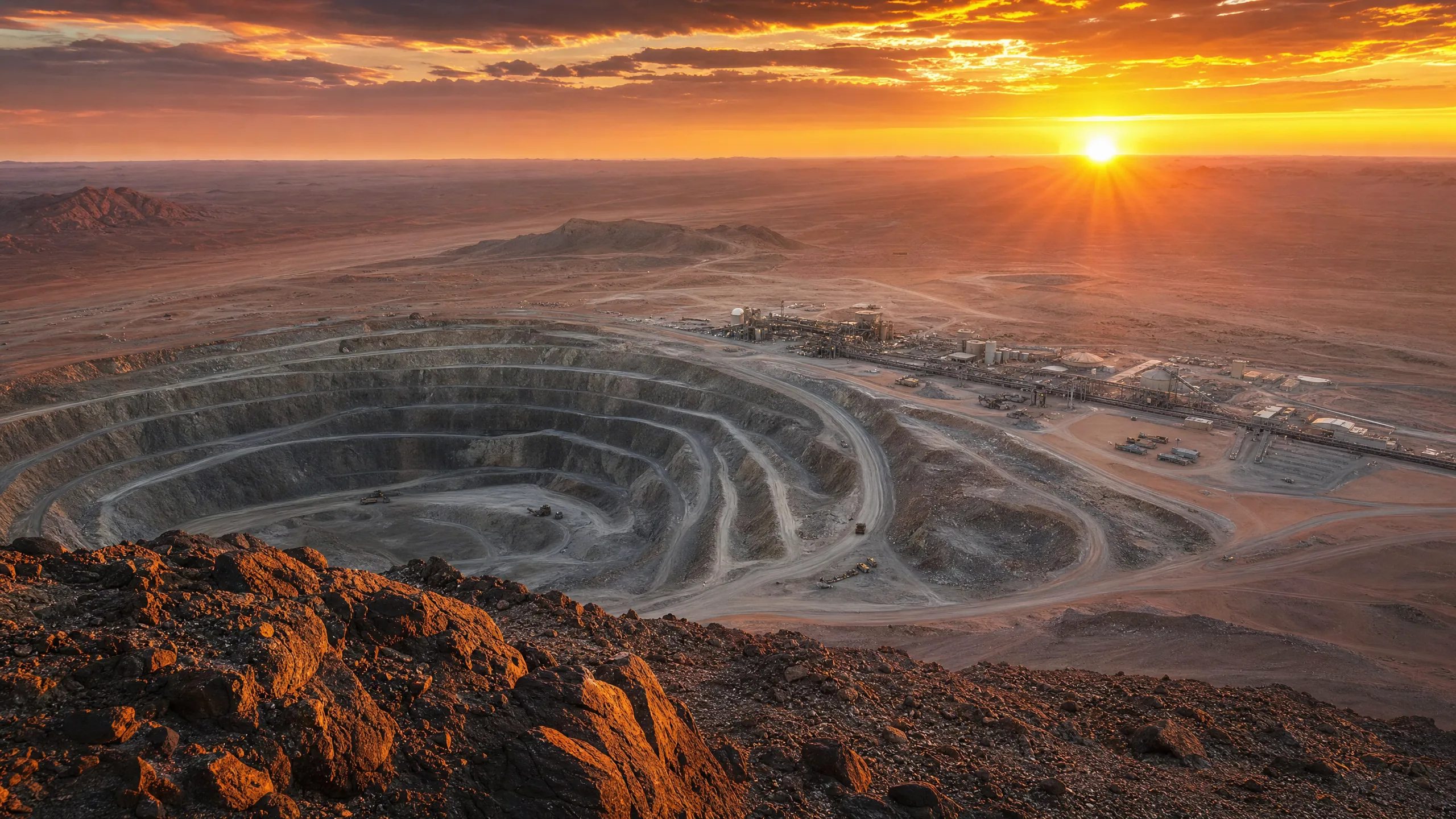
The foundation of South Africa's chromium dominance is the Bushveld Igneous Complex, a massive geological formation in the northern part of the country. This unique geological feature hosts an astonishing 72% of the world's known chromite reserves. To put this into perspective, the United States Geological Survey (USGS) estimates South Africa's reserves at 200 million metric tons of shipping-grade chromite. This immense concentration of resources ensures that South Africa will remain the cornerstone of the global chromium market for decades, if not centuries, to come.
Production Dominance and Global Supply
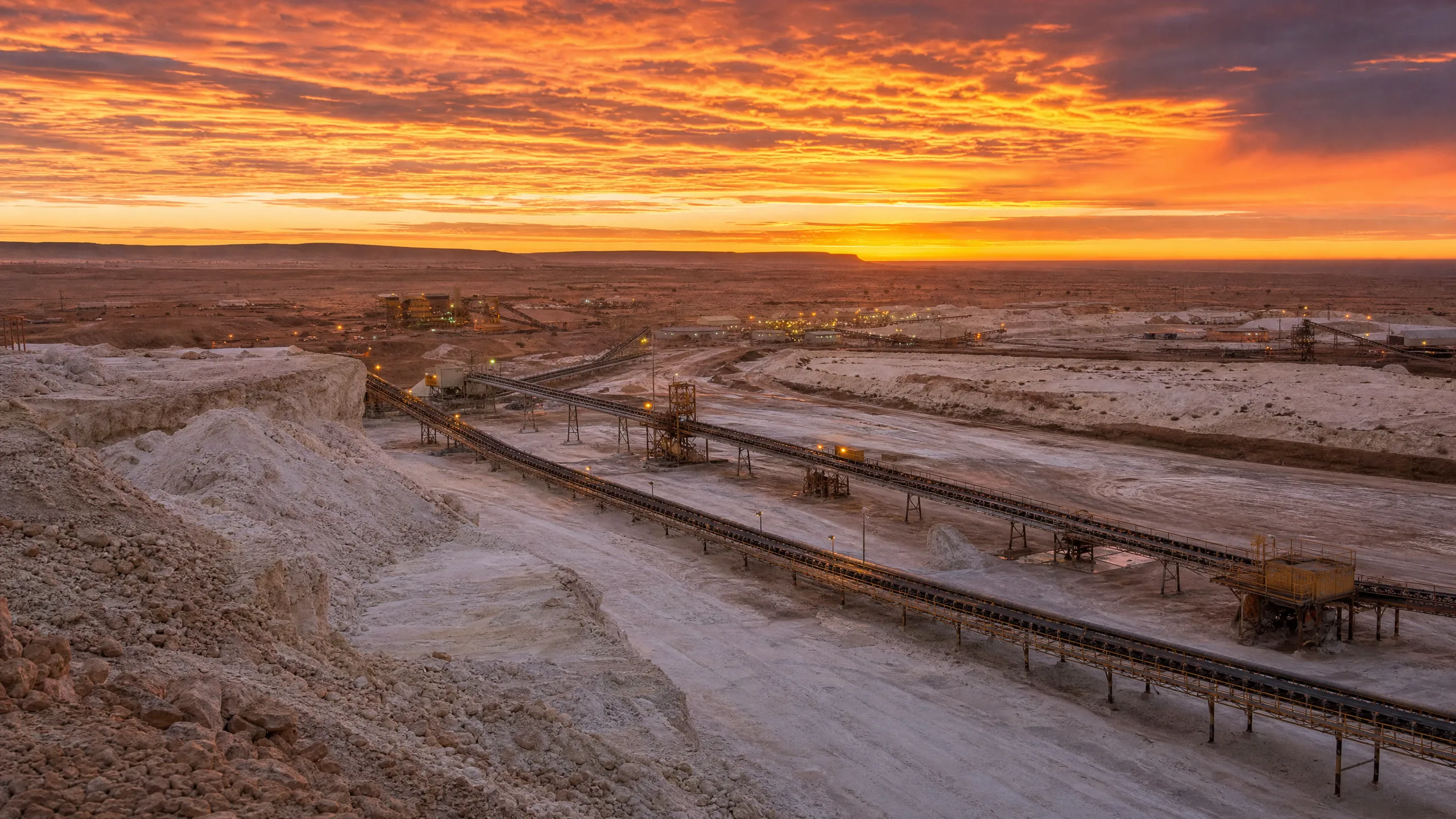
South Africa's position is not merely theoretical; it translates into overwhelming production dominance. In 2024, South Africa produced an estimated 21 million metric tons of chromite ore, representing a 7% increase from 2023 and accounting for nearly 45% of total global mine production (47 million metric tons). This production dwarfs that of the next largest producers, Turkey and Kazakhstan. Furthermore, South Africa is a critical supplier to the world's largest stainless steel producer, China. In 2025, China imported approximately 19.6 million metric tons of chrome ore from South Africa, highlighting the deep interdependence between South African mining and global manufacturing.
The Ferrochrome Industry and Economic Impact
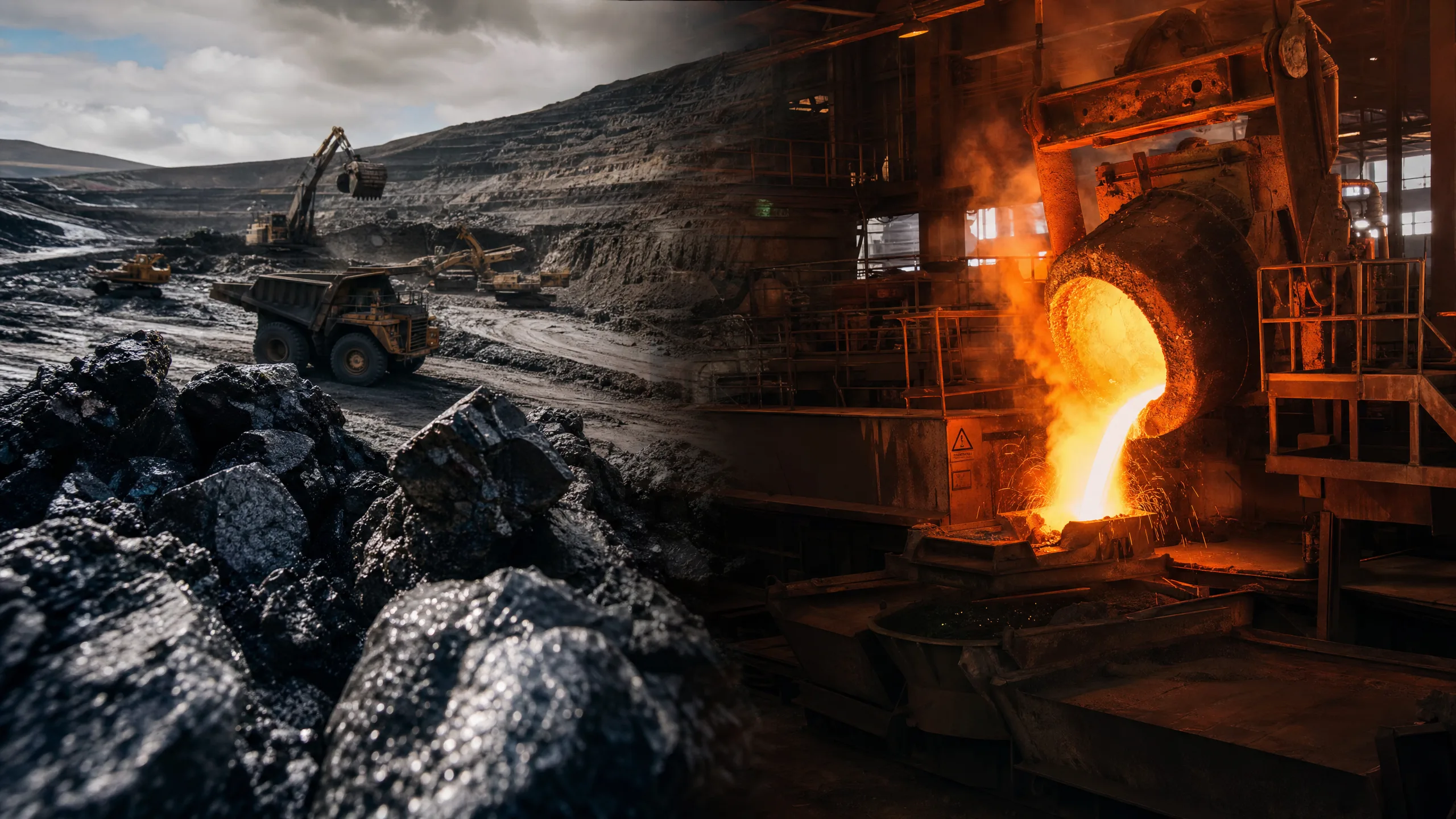
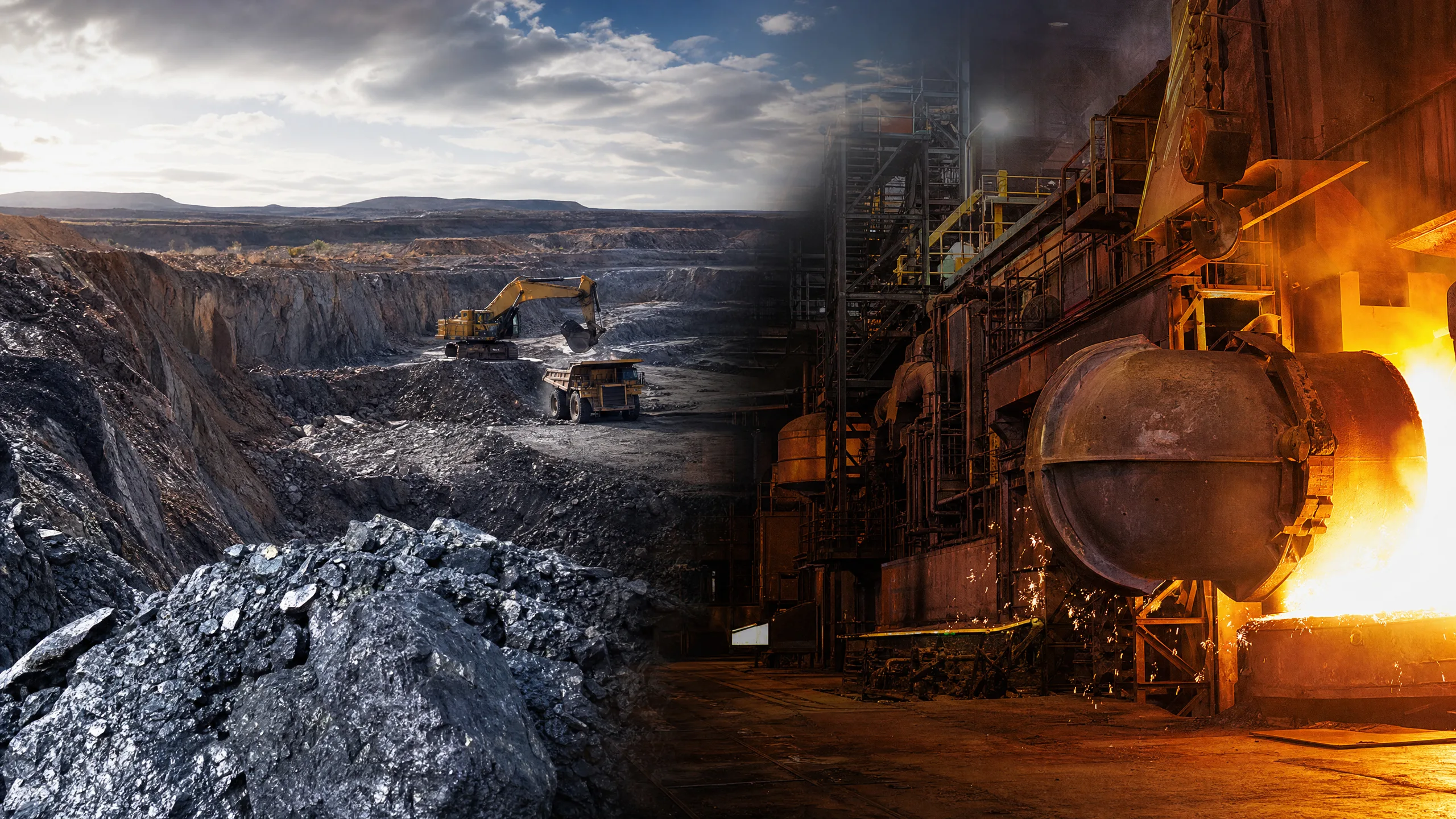
Chromite ore is primarily smelted into ferrochrome, the essential alloy used in stainless steel production. South Africa has historically been a major player in ferrochrome production, leveraging its abundant ore reserves. In 2025, South Africa supplied approximately 1.6 million metric tons of the world's 15.9 million metric tons of ferrochrome. The chrome and ferrochrome industries are vital components of the South African economy, providing a significant number of direct and indirect jobs and contributing substantially to the country's GDP and export revenues. In 2024, production of chrome ore and concentrates surged by 16%, underscoring the sector's dynamic growth and economic importance.
Navigating Challenges and Future Opportunities
Despite its dominant position, the South African chromium industry faces significant headwinds. Producers must navigate increasing production costs, particularly related to electricity and deep-level mining labor. Furthermore, logistical bottlenecks, specifically ongoing issues with rail transportation, and an unreliable electricity supply pose ongoing challenges to maximizing output and efficiency. The industry also faces shifting global dynamics, such as the growth of cost-efficient ferrochrome production capacity in China and new environmental legislation like the European Union's Carbon Border Adjustment Mechanism.
However, these challenges also present opportunities for innovation and investment. The push for greater efficiency and sustainability is driving the adoption of new technologies in mining and smelting. Looking forward, the digitization of Africa's assets, such as through platforms like AfriVest, offers a transformative opportunity. Tokenization of mineral reserves and mining outputs can enhance transparency, streamline supply chains, and open new avenues for global investment, ensuring that South Africa's chromium wealth continues to fuel global development in the digital age.