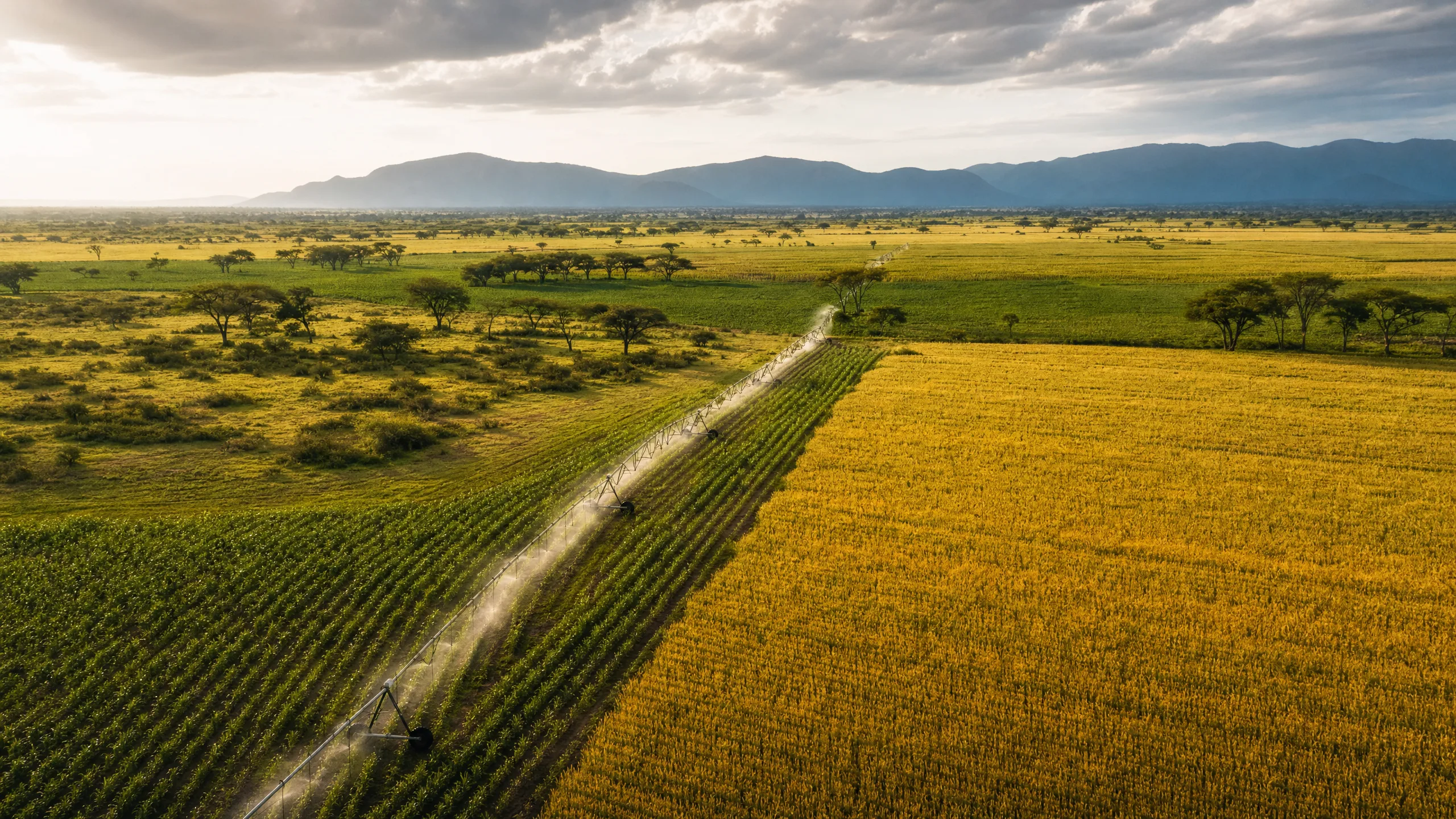
Africa holds 60% of the world's uncultivated arable land, presenting a $1 trillion agricultural opportunity by 2030. Discover how digital assets are unlocking this potential.
The global agricultural landscape is undergoing a profound transformation, and at the center of this shift is the African continent. With a rapidly growing population and increasing global food demand, the spotlight is firmly on Africa's agricultural potential. The continent is home to an astonishing 60% of the world's uncultivated arable land, representing over 200 million hectares of fertile soil waiting to be harnessed. This vast, untapped resource is not merely a statistic; it is the foundation of a projected $1 trillion agricultural economy by 2030, according to the African Development Bank (AfDB). For institutional investors and policymakers, this presents an unprecedented opportunity to drive sustainable growth, ensure global food security, and generate substantial returns through strategic investments and innovative financial mechanisms like digital tokenization.
The Scale of Africa's Agricultural Potential
To understand the magnitude of this opportunity, one must look at the sheer scale of Africa's agricultural assets. The continent boasts approximately 600 million hectares of uncultivated arable land, which accounts for roughly 65% of the global total. Despite this abundance, Africa remains a net importer of food, spending over $43 billion annually on food imports. This paradox highlights a significant gap between potential and realization, driven by historical underinvestment, inadequate infrastructure, and limited access to modern farming technologies.
However, the narrative is rapidly changing. The agricultural sector already plays a critical role in the African economy, contributing approximately 15% to the continent's total Gross Domestic Product (GDP). In some nations, this contribution is even more pronounced. For instance, in Guinea-Bissau, agriculture accounts for over 40% of the GDP, while in Ethiopia, it contributes nearly 40% and employs 80% of the population. These figures underscore the sector's foundational importance and its capacity to drive broader economic transformation when properly capitalized.
Bridging the Productivity Gap
The primary challenge facing African agriculture is not a lack of land, but a deficit in productivity. Currently, Africa's crop yields are significantly lower than the global average. For mainstay food crops such as maize, the yield gap can be as wide as 60 to 80 percent compared to potential outputs. This productivity gap is exacerbated by reliance on rain-fed agriculture, with nearly 80% of farms depending on rainfall rather than modern irrigation systems.
Addressing this gap requires substantial investment in agricultural infrastructure, technology, and data-driven farming practices. The integration of digital agriculture solutions, such as precision farming and AI-driven climate modeling, could increase agricultural productivity by up to 70% by 2050. Initiatives like the Data Science Hub at Jimma University in Ethiopia are already pioneering this shift, utilizing data analytics to optimize irrigation, predict rainfall, and improve soil health. By investing in these technologies, the continent can significantly reduce post-harvest losses, which currently stand at 30% for cereals in Ethiopia, and enhance overall yield efficiency.
The $1 Trillion Agribusiness Opportunity
The transition from subsistence farming to a commercially oriented, modern agribusiness model is the key to unlocking Africa's $1 trillion food economy. The AfDB forecasts a potential surge in the food and agriculture market from $280 billion annually to $1 trillion by 2030. This growth will be driven by value addition through agro-processing, improved supply chains, and the expansion of regional and global exports.
To realize this vision, an estimated $45 billion per year in investment is required to harness the power of agriculture and move up the value chain. Currently, only about $7 billion is invested annually. This massive funding gap presents a lucrative entry point for institutional investors. By directing capital towards seed development, fertilizer production, mechanization, processing, and storage facilities, investors can catalyze the emergence of locally owned agro-processing industries. This, in turn, will create jobs, increase rural incomes, and position Africa as a net exporter of agricultural commodities, potentially replacing $110 billion worth of imports.
Regional Dynamics and Strategic Investments
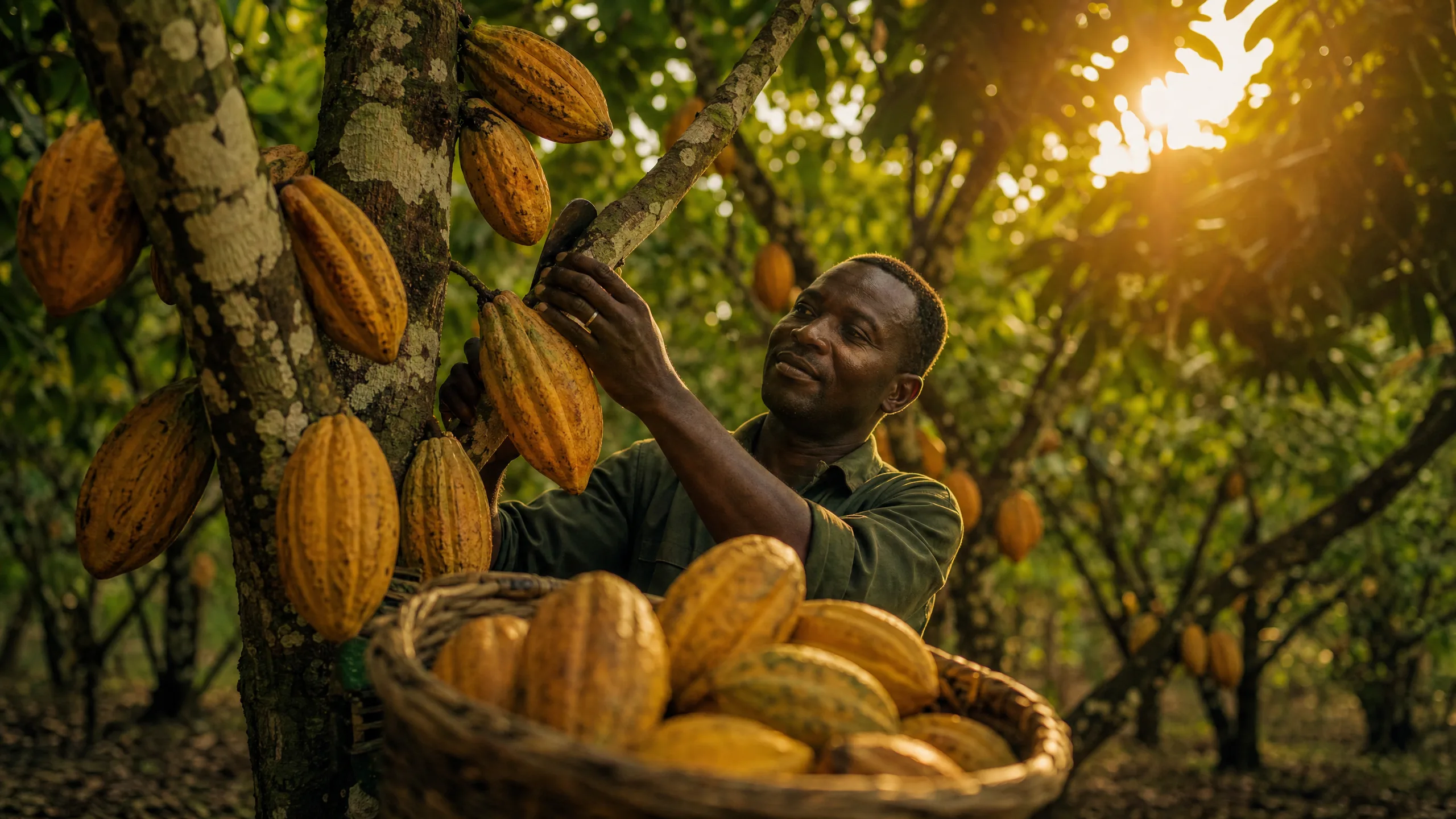
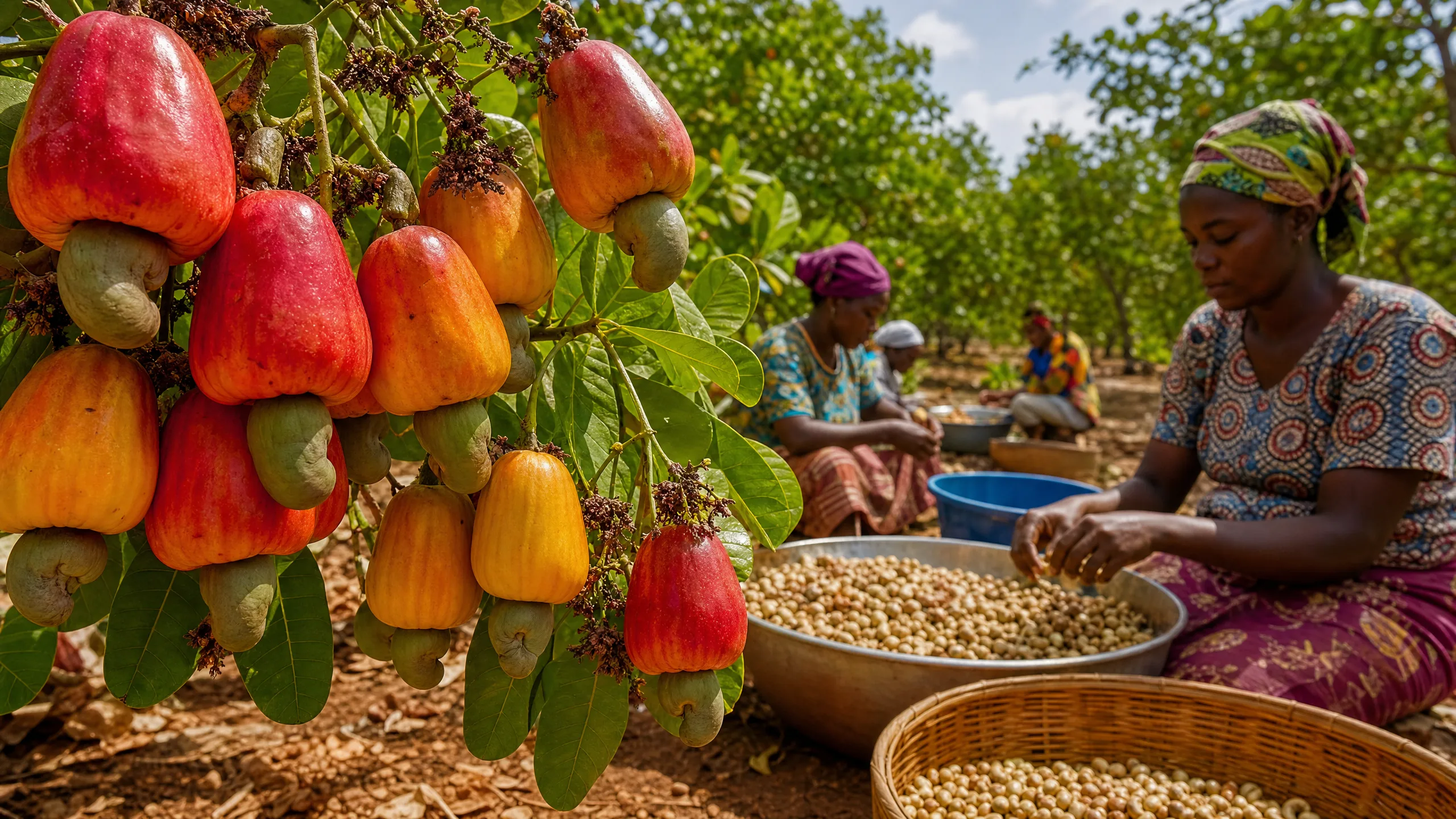
The agricultural opportunity in Africa is not monolithic; it varies significantly across regions, each offering unique investment prospects. In West Africa, countries like Nigeria and Ghana are focusing on enhancing value chains for commodities such as rice, maize, and cocoa. Nigeria, for example, is actively seeking investments to boost local production and reduce its reliance on imported food staples.
In East Africa, Kenya is advancing its dairy and horticulture sectors, leveraging its strategic location and improving infrastructure to access international markets. Meanwhile, Southern Africa, with its established agricultural base in countries like South Africa and Zambia, offers opportunities for scaling up commercial farming and agro-processing operations. Zambia, where maize provides half the calories in the local diet, has the potential to become a major regional exporter if investments are directed towards raising yields and reducing transport costs.
The Future: Digital Infrastructure and Tokenization
As we look toward the future, the integration of digital infrastructure and financial innovation will be the catalyst that fully actualizes Africa's agricultural potential. Traditional financing models have often struggled to reach smallholder farmers and agribusinesses due to perceived risks and lack of collateral. This is where platforms like AfriVest are revolutionizing the landscape.
By digitizing and tokenizing Africa's agricultural assets, AfriVest provides a transparent, secure, and efficient mechanism for institutional investors to participate in this $1 trillion opportunity. Tokenization allows for fractional ownership of agricultural land, infrastructure projects, and commodity yields, democratizing access to high-value investments and providing much-needed liquidity to the sector. As digital financial ecosystems mature, they will bridge the $45 billion annual investment gap, empowering farmers, driving sustainable economic growth, and securing Africa's position as the future breadbasket of the world.