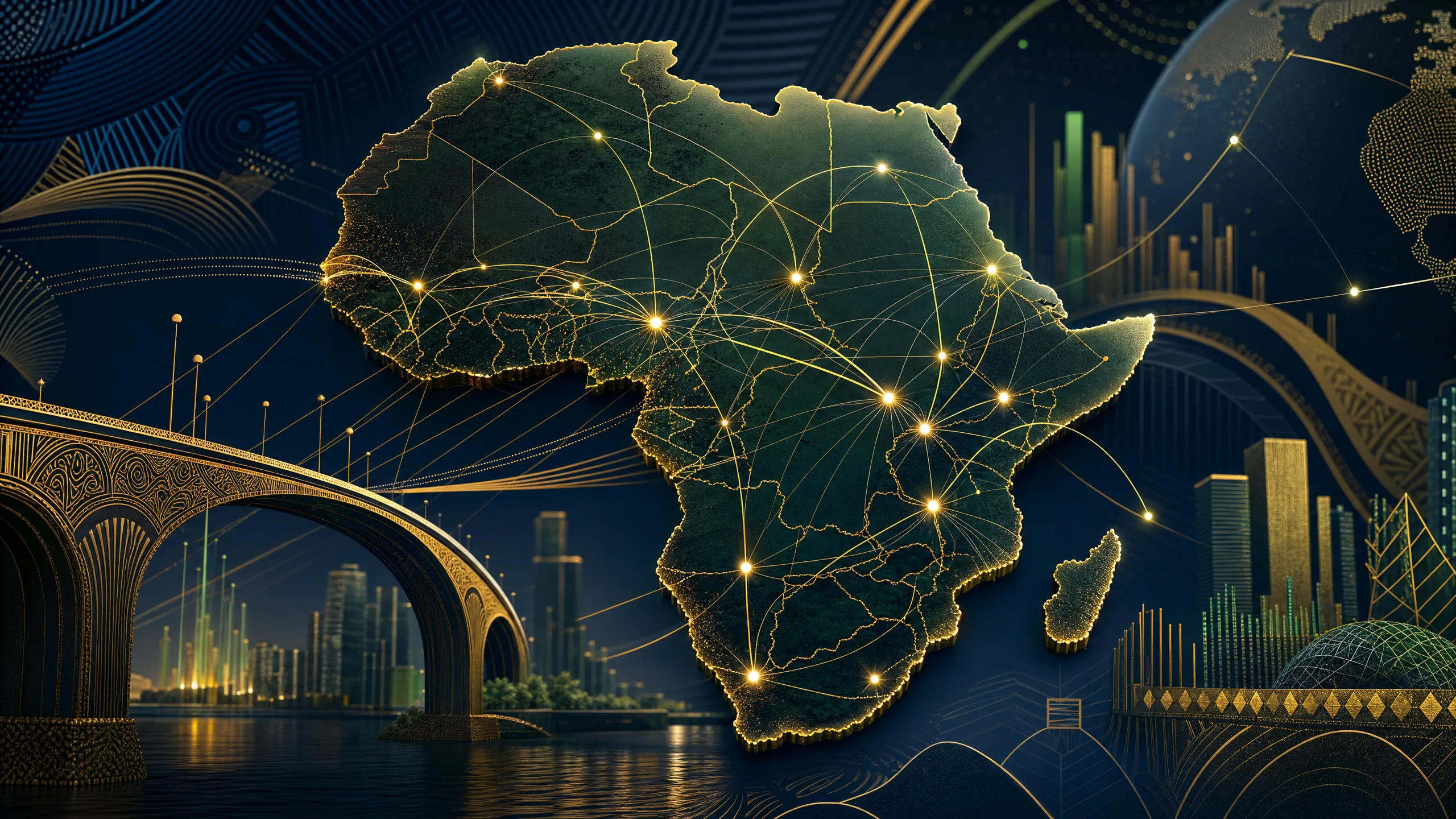
The Evolution of Mobile Money in East Africa
East Africa has firmly established itself as the global epicenter for mobile money innovation, fundamentally reshaping the financial landscape across the region. Over the past decade, the proliferation of mobile technology has bypassed traditional banking infrastructure, enabling millions of unbanked individuals to access essential financial services. This transformation is not merely a technological shift but a profound socioeconomic revolution that has accelerated economic participation and reduced poverty levels. Institutional investors and policymakers increasingly recognize the mobile money East Africa ecosystem as a foundational pillar for sustainable economic development and digital transformation.
The rapid adoption of digital payments has catalyzed a broader transition toward a cashless economy, fostering unprecedented levels of financial resilience among households and small enterprises. Mobile money platforms have evolved from simple peer-to-peer transfer systems into comprehensive financial hubs offering savings, credit, and insurance products. This diversification has significantly deepened financial markets, providing a scalable model that other emerging economies strive to emulate. Furthermore, the integration of mobile money with formal financial institutions has created synergistic partnerships that enhance liquidity and expand the reach of traditional banking services.
Driving Fintech Growth and Financial Inclusion
The exponential fintech growth witnessed in East Africa is intrinsically linked to the success and ubiquity of mobile money platforms. Startups and established financial technology firms are continuously developing overlay services that utilize existing mobile money infrastructure to deliver specialized financial products. This dynamic environment has fostered a culture of continuous innovation, where agile companies rapidly deploy solutions tailored to the unique needs of the African market. Consequently, financial inclusion rates have soared, bringing marginalized populations into the formal economic sector and empowering them with tools to manage their finances effectively.
Moreover, the influx of venture capital into the East African fintech sector underscores the immense potential and profitability of these digital ecosystems. Investors are particularly drawn to the scalability of mobile money platforms and their ability to generate vast amounts of transactional data. This data-driven approach enables financial service providers to develop sophisticated credit scoring models, thereby mitigating risk and expanding access to credit for previously underserved demographics. The symbiotic relationship between mobile money operators and fintech innovators continues to drive the expansion of the digital economy, creating a fertile ground for the development of next-generation financial technologies.
M-Pesa and the Blueprint for Digital Payments
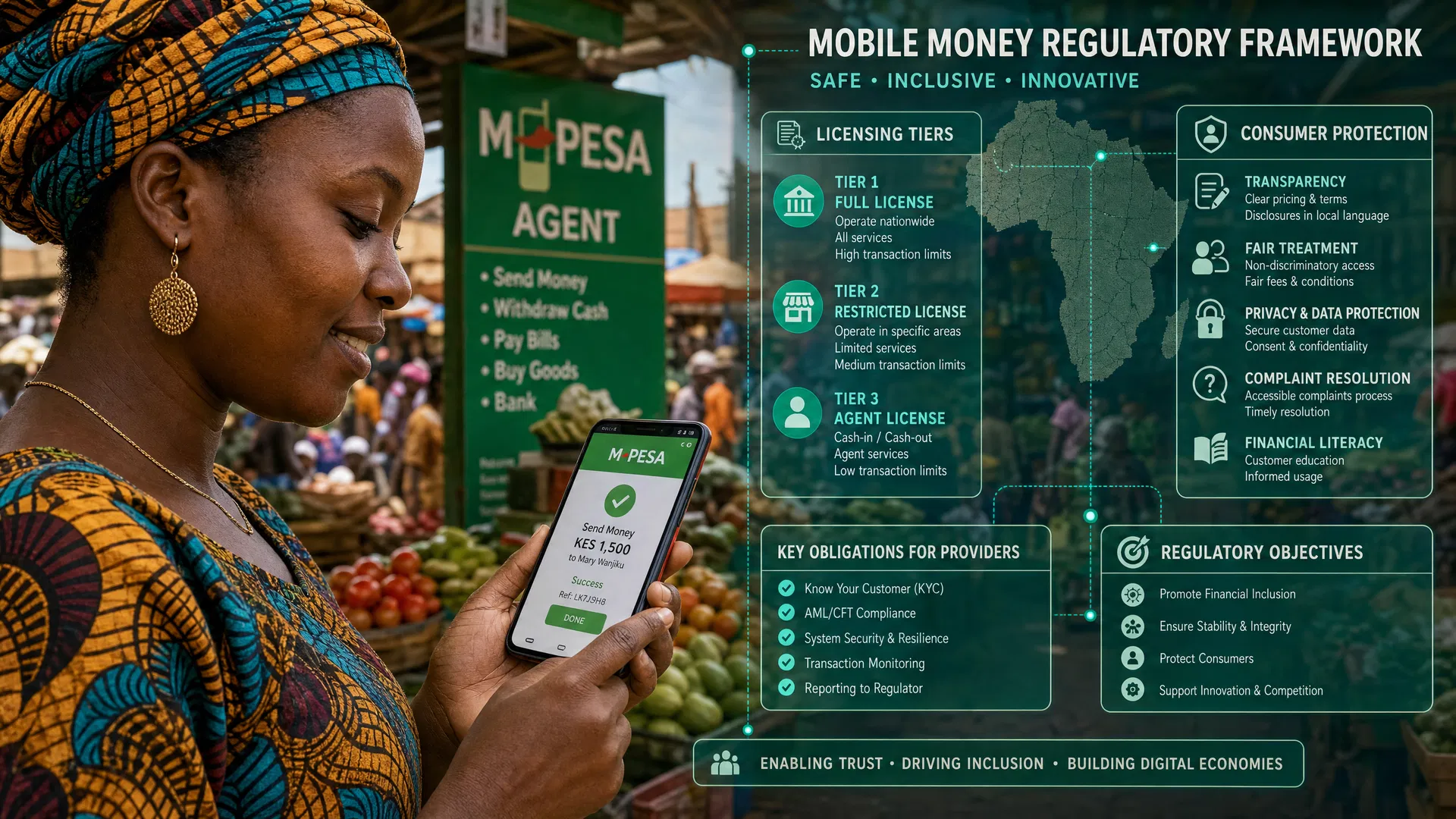
No discussion of mobile money in East Africa is complete without examining the monumental impact of M-Pesa, which serves as the definitive blueprint for digital payments globally. Launched in Kenya, M-Pesa revolutionized the way money is transferred, stored, and utilized, setting a benchmark for operational efficiency and user-centric design. The platform's success is rooted in its extensive network of agents, which ensures liquidity and accessibility even in the most remote rural areas. By transforming mobile phones into virtual bank accounts, M-Pesa has facilitated billions of dollars in transactions, driving economic velocity and enhancing the efficiency of domestic trade.
The evolution of M-Pesa from a basic remittance service to a comprehensive financial ecosystem illustrates the boundless potential of mobile money platforms. Today, M-Pesa facilitates international remittances, merchant payments, and utility bill settlements, deeply embedding itself into the macroeconomic fabric of East Africa. This extensive utility has not only streamlined business operations but also provided a reliable mechanism for government disbursements and tax collections. The platform's continuous expansion into new markets and its integration with global payment networks highlight its role as a critical enabler of cross-border trade and regional economic integration.
Bridging Mobile Money with Blockchain and Tokenization
As East Africa's digital economy matures, the convergence of mobile money infrastructure with blockchain technology and tokenization presents a transformative frontier. Mobile money platforms have already established the essential digital rails and user trust required for the widespread adoption of decentralized financial solutions. By integrating blockchain technology, these platforms can significantly enhance transaction transparency, reduce cross-border remittance costs, and mitigate fraud. Tokenization offers the unprecedented ability to fractionalize assets, enabling mobile money users to invest in real estate, government securities, and agricultural commodities with minimal capital outlay.
The synergy between mobile money and blockchain also facilitates the development of programmable money and smart contracts, which can automate complex financial agreements and supply chain financing. For instance, agricultural tokenization can provide smallholder farmers with direct access to global markets and decentralized credit pools, bypassing traditional intermediaries. Institutional investors are closely monitoring these developments, recognizing that the integration of Web3 technologies with existing mobile money networks could catalyze the next wave of exponential fintech growth. Policymakers are similarly exploring the feasibility of Central Bank Digital Currencies that interoperate with mobile money systems, aiming to further streamline monetary policy transmission.
Conclusion: Future Opportunities in Digital Infrastructure
The trajectory of financial services innovation in East Africa underscores a broader narrative of digital resilience and economic empowerment that continues to captivate global markets. As the region transitions from basic digital payments to sophisticated, blockchain-enabled financial ecosystems, the demand for robust digital infrastructure will intensify exponentially. Investments in high-speed internet connectivity, data centers, and cybersecurity frameworks are critical prerequisites for sustaining this momentum and unlocking the full potential of tokenized assets. The convergence of mobile telecommunications, fintech, and decentralized technologies is poised to create a highly integrated and efficient regional economy that can compete on the global stage.
Looking ahead, the strategic expansion of mobile money platforms into adjacent sectors such as e-commerce, health-tech, and agritech will generate diverse revenue streams and deepen economic integration. Institutional investors have a unique opportunity to participate in this transformative journey by allocating capital toward scalable digital infrastructure and innovative fintech enterprises. Policymakers must continue to champion regulatory harmonization and foster an environment conducive to technological experimentation and cross-border collaboration. Ultimately, the ongoing evolution of East Africa's digital finance landscape will not only redefine the region's economic destiny but also serve as a powerful testament to the transformative power of inclusive financial innovation.