
The Intersection of Regulatory Compliance and Digital Innovation
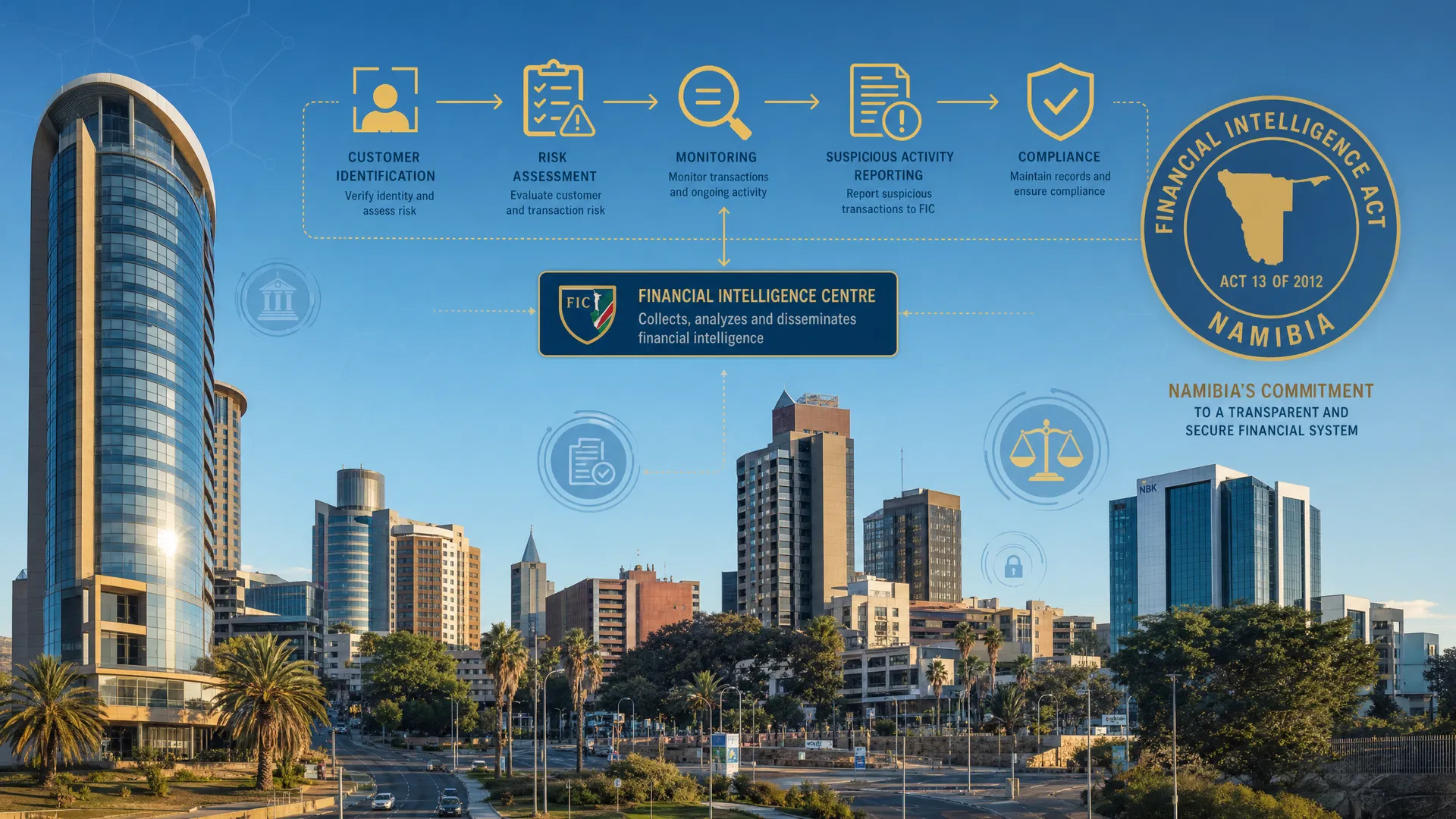
The rapid expansion of the digital economy across the African continent has brought opportunities for financial inclusion and economic growth. Within this dynamic landscape, East Africa has emerged as a formidable hub for technological advancement in the realm of decentralized finance. However, the integration of these novel systems into the mainstream financial ecosystem is heavily contingent upon robust regulatory frameworks. Specifically, AML regulations and Combating the Financing of Terrorism (CFT) protocols play a pivotal role in shaping the trajectory of blockchain adoption.
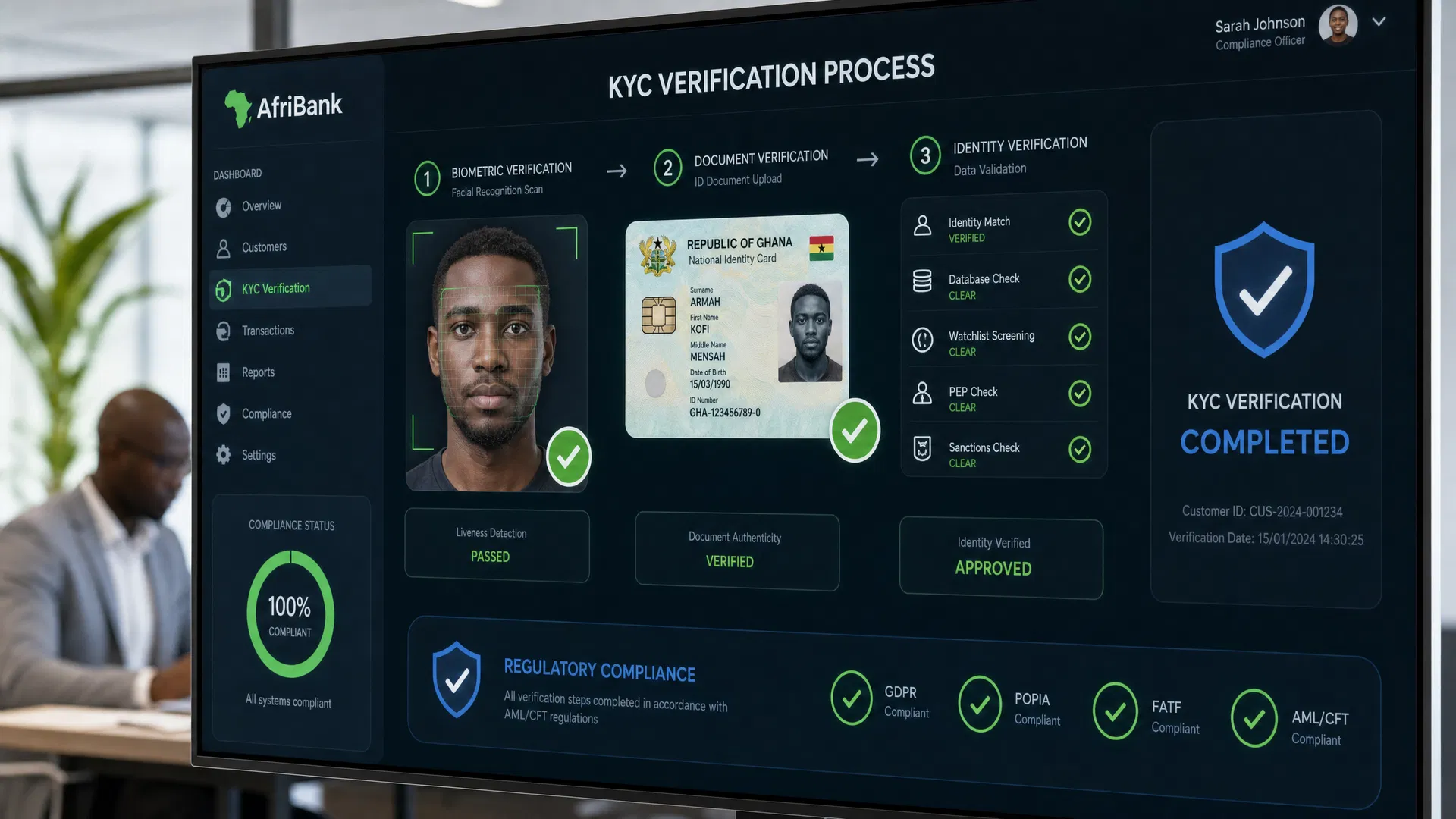
As digital assets gain traction among retail and institutional participants, regulatory bodies in East Africa are intensifying their scrutiny of virtual asset service providers. The implementation of comprehensive anti-money laundering East Africa frameworks is not merely a compliance exercise; it is a fundamental prerequisite for establishing trust and credibility. By mandating stringent Know Your Customer (KYC) procedures and transaction monitoring mechanisms, regulators aim to safeguard the integrity of the financial system. This regulatory clarity is essential for attracting investment and encouraging financial institutions to explore blockchain-based solutions.
Navigating the Complexities of Blockchain Adoption
The inherent characteristics of blockchain technology, such as pseudonymity and decentralization, present unique challenges for traditional AML/CFT compliance models. Unlike conventional financial systems where intermediaries facilitate and monitor transactions, decentralized networks operate on peer-to-peer protocols that can obscure the identities of transacting parties. This structural paradigm shift necessitates the evolution of regulatory strategies to effectively address the nuances of digital asset ecosystems. Regulators in East Africa are exploring innovative approaches, such as leveraging blockchain analytics tools and collaborating with specialized compliance firms, to enhance their oversight capabilities.
Despite these challenges, blockchain adoption in the region continues to accelerate, driven by the compelling value propositions of enhanced transparency, reduced transaction costs, and accelerated settlement times. Institutional investors are interested in the potential of tokenization to unlock liquidity in traditionally illiquid asset classes, such as real estate and agricultural commodities. However, the realization of these opportunities is inextricably linked to the establishment of robust AML/CFT frameworks that can effectively mitigate the risks of money laundering. Consequently, blockchain enterprises are proactively integrating advanced compliance solutions into their platforms, demonstrating a commitment to regulatory alignment.
The Role of Digital Currency Regulation in Market Stability
The proliferation of digital currencies, including stablecoins and central bank digital currencies, has introduced new dimensions to the AML/CFT discourse in East Africa. As these digital assets become increasingly integrated into the regional financial infrastructure, the need for comprehensive digital currency regulation becomes paramount. Central banks, such as the Central Bank of Kenya and the Bank of Tanzania, are evaluating the implications of digital currencies on monetary policy, financial stability, and consumer protection. A central component of these evaluations is the assessment of AML/CFT risks associated with the issuance, distribution, and usage of digital currencies.
The establishment of clear regulatory perimeters for digital currencies is essential for mitigating the risks of regulatory arbitrage and ensuring a level playing field. By defining the legal status of various digital assets and outlining the compliance obligations of service providers, regulators can foster a transparent environment that encourages institutional participation. This regulatory certainty is crucial for the development of robust digital infrastructure, such as regulated digital asset exchanges and institutional-grade custody solutions. Furthermore, effective digital currency regulation can enhance the efficiency of cross-border remittances, a vital component of the East African economy.
Enhancing Institutional Confidence Through Compliance
For institutional investors, the decision to allocate capital to blockchain initiatives is heavily influenced by the perceived regulatory risks and the robustness of the underlying compliance infrastructure. The implementation of stringent AML regulations is therefore a critical catalyst for unlocking institutional capital and driving the next phase of blockchain adoption in East Africa. When regulatory frameworks provide clear guidelines on KYC, transaction monitoring, and reporting obligations, institutional investors gain the confidence necessary to engage with digital asset markets. This influx of institutional capital is essential for scaling blockchain projects and enhancing market liquidity.
The integration of advanced regulatory technology solutions is playing a transformative role in facilitating compliance within the East Africa fintech sector. By leveraging artificial intelligence, machine learning, and big data analytics, these platforms enable virtual asset service providers to automate complex compliance processes and identify suspicious transaction patterns in real-time. These technological advancements reduce the operational costs associated with AML/CFT compliance and enhance the accuracy and efficacy of risk management protocols. Consequently, the adoption of these solutions is becoming a competitive differentiator for blockchain enterprises seeking to attract institutional partners.
Shaping the Future of Africa's Digital Infrastructure
The evolution of AML/CFT regulations in East Africa is not merely a defensive measure against financial crime; it is a proactive strategy for shaping the future of the continent's digital infrastructure. By establishing clear, comprehensive, and enforceable regulatory frameworks, policymakers are laying the foundation for a secure, transparent, and efficient digital economy. This regulatory clarity is essential for fostering innovation, attracting investment, and ensuring the sustainable growth of the East Africa fintech sector. As blockchain technology continues to mature, the strategic alignment of regulatory compliance and technological advancement will drive economic transformation.
Looking ahead, the continuous refinement of digital currency regulation and AML/CFT protocols will be critical for addressing emerging risks. The dynamic nature of the digital asset ecosystem requires a flexible regulatory approach that can accommodate rapid technological changes while maintaining robust security standards. Collaborative initiatives between regulators, industry participants, and international organizations will be essential for developing pragmatic policies that support innovation without compromising financial stability. By embracing this collaborative paradigm, East African nations can create a resilient digital infrastructure that empowers individuals and businesses to participate fully in the global digital economy.