
# South Africa's Financial Intelligence Centre Act: AML Compliance for Digital Asset Service Providers
In South Africa, the regulatory landscape for digital assets has evolved significantly, driven by the need to mitigate risks associated with money laundering and terrorist financing. The Financial Intelligence Centre Act (FICA) serves as the cornerstone of South Africa's anti-money laundering (AML) and combating the financing of terrorism (CFT) framework. For digital asset service providers operating within or targeting the South African market, understanding and adhering to FICA's stringent requirements is a fundamental prerequisite for sustainable operations.
As Africa's digital economy undergoes a profound transformation, South Africa's approach to regulating digital assets sets a critical precedent. The country's regulatory framework aligns with international standards, particularly those established by the Financial Action Task Force (FATF), while addressing the unique characteristics of the domestic market. This article explores the regulatory background of FICA as it applies to digital assets, outlines key provisions and compliance implications, examines enforcement mechanisms, and provides strategic guidance for digital asset platforms preparing for compliance.
Regulatory Background and the Inclusion of CASPs
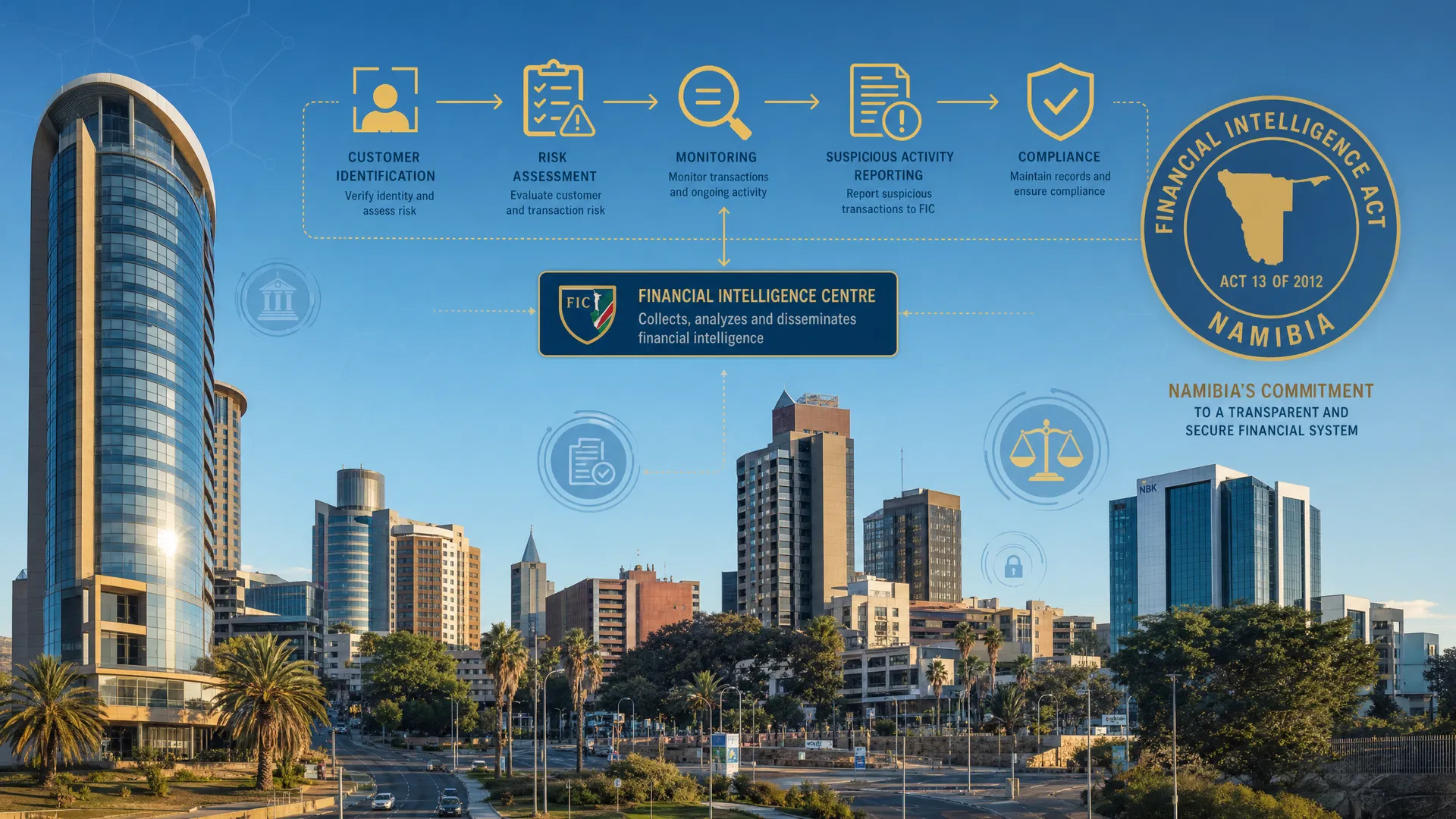
The regulatory journey for digital assets in South Africa reached a pivotal milestone on December 19, 2022, when amendments to Schedule 1 of the Financial Intelligence Centre Act came into effect. These amendments officially designated Crypto Asset Service Providers (CASPs) as "accountable institutions." This designation brought them under the direct purview of the Financial Intelligence Centre (FIC) and subjected them to comprehensive AML and CFT obligations.
The inclusion of CASPs as accountable institutions was a direct response to the inherent risks associated with digital assets, including their potential for cross-border transactions and the pseudonymous nature of ownership. The FIC's Public Compliance Communication No. 57 (PCC 57), published in July 2023, provided crucial guidance on the interpretation of these new requirements. According to PCC 57, a person or entity qualifies as a CASP if they conduct specific activities—such as exchanging crypto assets for fiat currency, exchanging one form of crypto asset for another, or safekeeping crypto assets—for profit or commercial gain on behalf of a client.
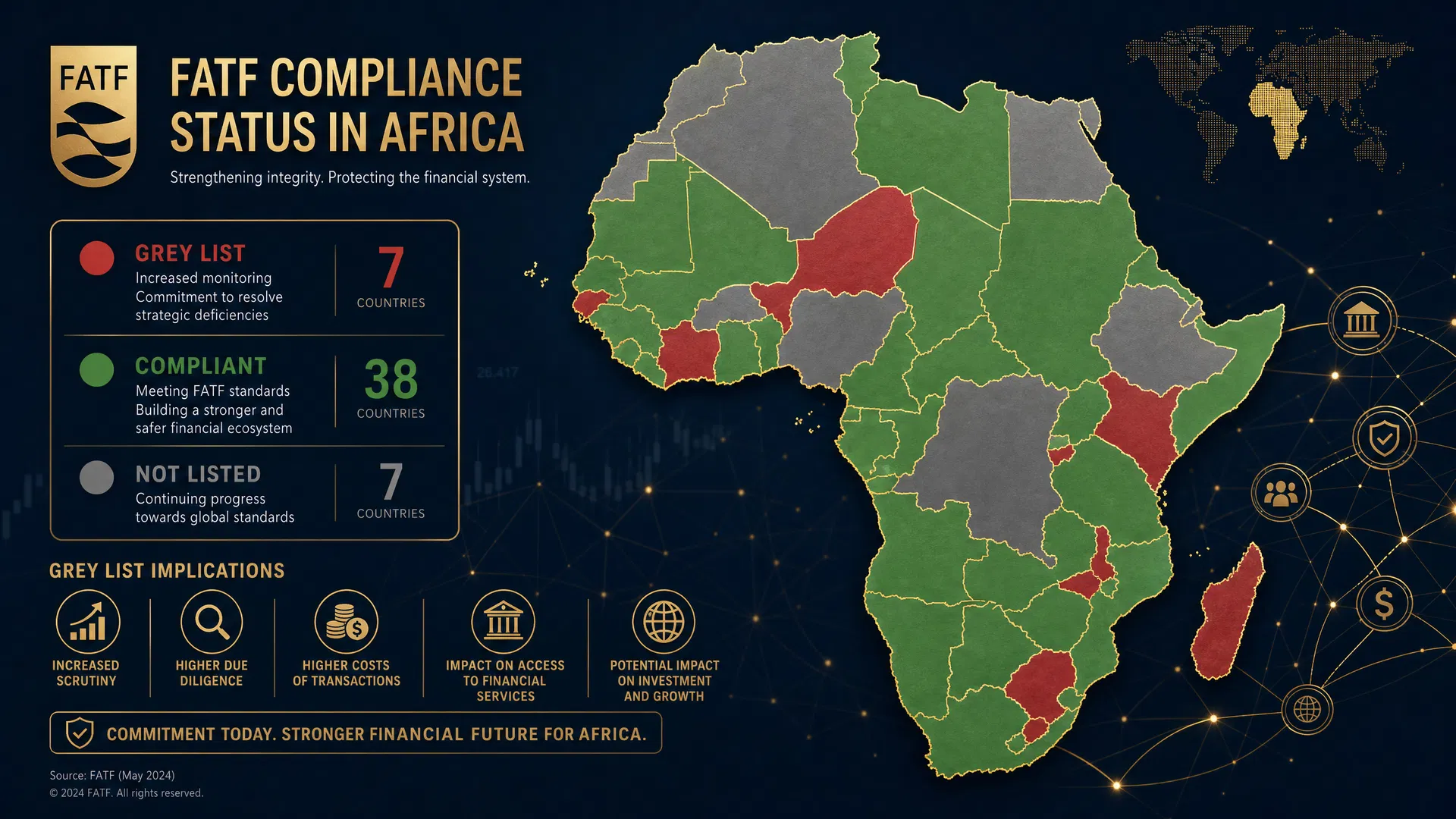
This regulatory shift aligns South Africa with the FATF's Recommendation 15, which mandates that Virtual Asset Service Providers (VASPs) be licensed or registered and subject to effective systems for monitoring and ensuring compliance with AML/CFT measures. By integrating CASPs into the FICA framework, South Africa has demonstrated its commitment to international regulatory standards and the protection of its financial system.
Key Provisions and Compliance Implications
The designation of CASPs as accountable institutions under FICA introduces a comprehensive suite of compliance obligations. These obligations are designed to ensure that CASPs implement robust risk management and compliance programs (RMCPs) tailored to the specific risks associated with digital assets. A foundational element of FICA compliance is the application of a risk-based approach. CASPs must assess the money laundering and terrorist financing risks associated with their clients, products, and services, and implement appropriate mitigation strategies.
Customer Due Diligence (CDD) is a critical component of FICA compliance. Given the remote and often pseudonymous nature of digital asset transactions, the FIC encourages CASPs to obtain additional information beyond standard identification and verification. This enhanced due diligence may include collecting device identification (such as IMEI numbers), IP addresses, geolocation data, and linked crypto asset wallet addresses. Furthermore, when dealing with unhosted or non-custodial wallets, which pose a higher risk of illicit activity, CASPs are expected to apply enhanced due diligence measures.
Another significant provision is the implementation of the "Travel Rule," as mandated by FIC Directive 9 of 2024, which came into effect on April 30, 2025. The Travel Rule requires CASPs to obtain, hold, and transmit specific information about the originator and beneficiary of a crypto asset transfer. This information must be transmitted before or simultaneously with the transfer, applying on a zero-threshold basis for transfers conducted as part of a business relationship. The Travel Rule aims to enhance transparency in crypto asset transactions and prevent the misuse of digital assets for illicit purposes.
Enforcement Mechanisms and Regulatory Oversight
The enforcement of FICA compliance among CASPs is a collaborative effort involving the Financial Intelligence Centre and the Financial Sector Conduct Authority (FSCA). The FIC serves as the primary intelligence agency, responsible for receiving and analyzing regulatory reports, including Cash Threshold Reports (CTRs) and Suspicious and Unusual Transaction Reports (STRs). CASPs are obligated to monitor all transactions and report any suspicious activity to the FIC promptly.
The FSCA acts as the supervisory body responsible for overseeing the conduct of financial institutions, including CASPs. The FSCA conducts inspections and assessments to ensure that CASPs are adhering to their FICA obligations and maintaining effective RMCPs. Non-compliance with FICA requirements can result in severe penalties, including administrative sanctions, financial penalties, and the potential revocation of operating licenses.
The FIC's guidance, such as PCC 57 and PCC 61 (which details the Travel Rule implementation), is considered authoritative. Failure to follow this guidance may result in supervisory or enforcement action unless the CASP can demonstrate equivalent compliance measures. This stringent oversight underscores the importance of proactive compliance management and the need for CASPs to integrate regulatory requirements into their core operational processes.
Conclusion: Shaping Africa's Digital Economy
South Africa's proactive approach to regulating digital assets through the Financial Intelligence Centre Act represents a significant step forward in establishing a secure and transparent digital economy. By aligning its regulatory framework with international standards and addressing the unique risks of digital assets, South Africa is fostering an environment conducive to institutional investment and sustainable innovation.
As platforms like AfriVest build Africa's sovereign digital asset infrastructure, adherence to robust AML and CFT frameworks like FICA is essential. This regulatory alignment not only ensures compliance but also builds trust among institutional investors, policymakers, and the broader public. The successful integration of digital assets into the formal financial system will play a pivotal role in driving financial inclusion, enhancing cross-border trade, and propelling Africa's digital economy transformation into the future.