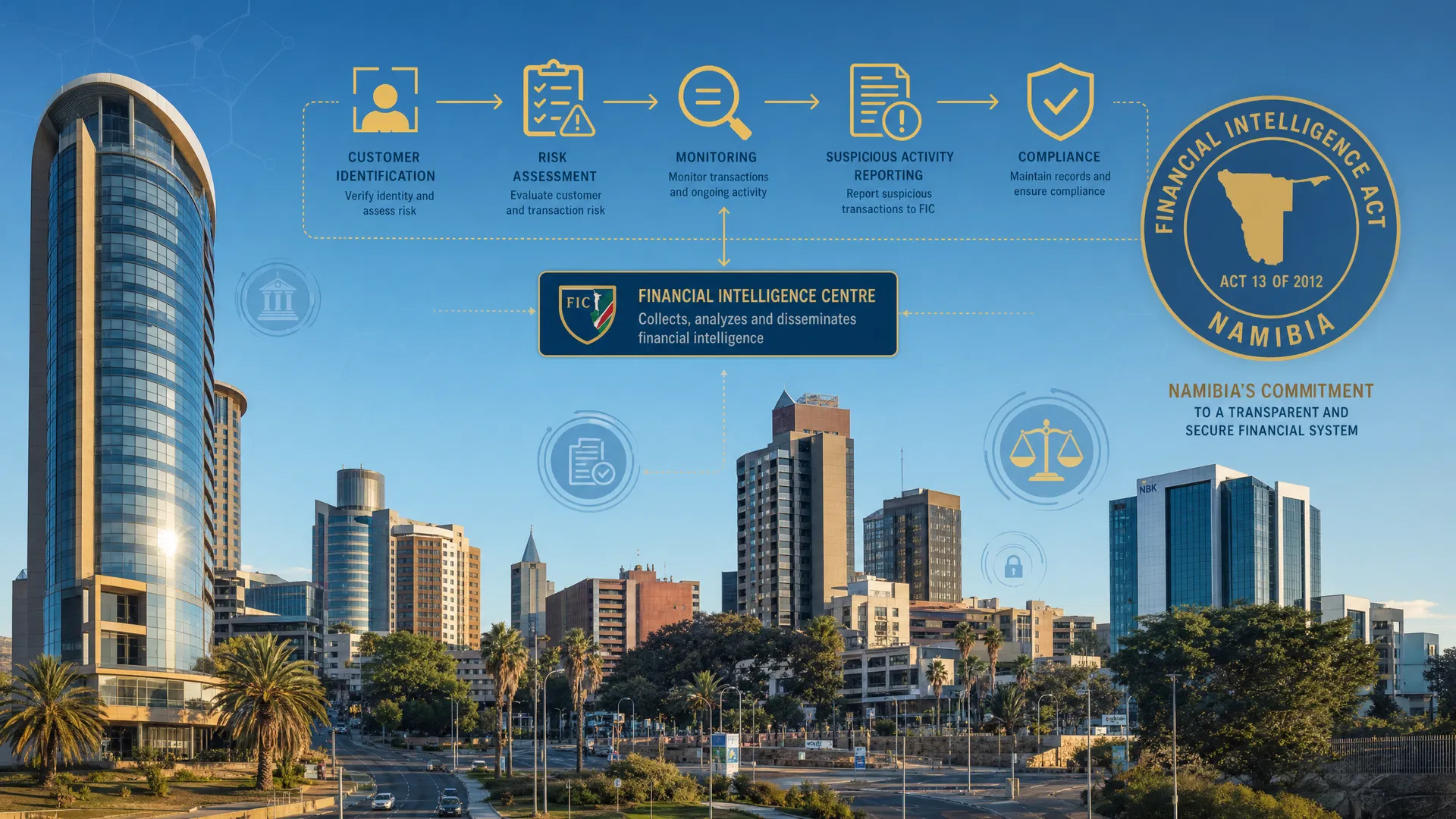

The Imperative of Robust AML/CFT Frameworks in Southern Africa
The rapid proliferation of digital financial services across Southern Africa has fundamentally transformed the region's economic landscape, offering unprecedented opportunities for financial inclusion and cross-border trade. However, this digital renaissance has simultaneously introduced complex vulnerabilities, necessitating the implementation of sophisticated AML strategies and CFT measures. Southern Africa digital banks operate in a uniquely dynamic environment where traditional regulatory frameworks often struggle to keep pace with technological innovation. As these institutions expand their digital footprints, the imperative to establish robust anti-money laundering compliance mechanisms becomes not merely a regulatory requirement, but a foundational element of institutional credibility and operational resilience.
In recent years, the Southern African Development Community (SADC) has witnessed a significant surge in digital transaction volumes, driven by mobile money adoption and the emergence of innovative fintech platforms. This exponential growth in digital financial activity has attracted the attention of sophisticated illicit actors seeking to exploit systemic vulnerabilities for money laundering and terrorism financing. Consequently, digital banks must transcend traditional, reactive compliance models and adopt proactive, intelligence-led approaches to fintech risk management. By integrating advanced analytics and machine learning algorithms, these institutions can enhance their capacity to detect anomalous transaction patterns and mitigate emerging threats in real-time.
Advanced Technologies in Anti-Money Laundering Compliance
The contemporary landscape of anti-money laundering compliance demands a paradigm shift from manual, rule-based systems to dynamic, technology-driven frameworks. Southern Africa digital banks are increasingly recognizing the limitations of legacy compliance infrastructure, which often generates high rates of false positives and fails to identify sophisticated laundering typologies. To address these deficiencies, forward-thinking institutions are investing heavily in artificial intelligence and machine learning solutions capable of analyzing vast datasets with unprecedented speed and accuracy. These advanced technologies enable digital banks to identify subtle correlations and hidden networks that would otherwise remain undetected by traditional monitoring systems.
Furthermore, the implementation of robust CFT measures requires a comprehensive understanding of the evolving threat landscape and the intricate methodologies employed by terrorist financiers. Digital banks must deploy sophisticated network analysis tools to map complex transactional relationships and identify potential nodes of illicit activity. By leveraging natural language processing and open-source intelligence, these institutions can enrich their customer risk profiles and enhance their capacity to identify politically exposed persons and sanctioned entities. This holistic approach to fintech risk management not only strengthens regulatory compliance but also protects the integrity of the broader financial system.
Strategic Approaches to Fintech Risk Management
Effective fintech risk management in the context of Southern Africa digital banks requires a holistic, enterprise-wide approach that transcends the traditional siloed structure of compliance departments. Institutional leadership must cultivate a pervasive culture of compliance, ensuring that AML strategies and CFT measures are seamlessly integrated into the product development lifecycle and strategic decision-making processes. This proactive approach to risk management enables digital banks to identify and mitigate potential vulnerabilities before they are exploited by illicit actors. By embedding compliance considerations into the core architecture of their digital platforms, these institutions can achieve a delicate balance between user experience and regulatory rigor.
Customer Due Diligence (CDD) and Know Your Customer (KYC) processes represent the foundational pillars of effective anti-money laundering compliance. In the digital realm, traditional identity verification methods are often inadequate, necessitating the adoption of innovative digital identity solutions. Southern Africa digital banks are increasingly leveraging biometric authentication, liveness detection, and digital footprint analysis to establish robust customer identities and mitigate the risk of synthetic identity fraud. These advanced KYC methodologies not only enhance the efficacy of AML strategies but also streamline the customer onboarding experience, thereby driving user acquisition and retention.
Leveraging Blockchain for Enhanced Traceability
The advent of blockchain technology and the increasing tokenization of assets present a transformative opportunity for enhancing anti-money laundering compliance in Southern Africa. While the pseudonymous nature of certain digital assets has historically raised regulatory concerns, the underlying distributed ledger technology offers unprecedented capabilities for transaction traceability and auditability. Southern Africa digital banks can leverage blockchain analytics tools to monitor the flow of digital assets in real-time, identifying suspicious transaction patterns and tracing illicit funds across complex decentralized networks. This enhanced visibility significantly strengthens the efficacy of AML strategies and CFT measures in the digital asset ecosystem.
Furthermore, the concept of decentralized identity and verifiable credentials holds immense potential for streamlining KYC processes and enhancing fintech risk management. By leveraging blockchain-based identity solutions, digital banks can establish secure, portable, and tamper-proof customer identities, thereby reducing the reliance on fragmented and vulnerable centralized databases. This innovative approach to identity management not only mitigates the risk of identity theft and fraud but also facilitates seamless cross-border customer onboarding and financial inclusion.
Future Outlook: Building Resilient Digital Infrastructure
As Southern Africa continues its rapid trajectory toward a fully integrated digital economy, the development of resilient and adaptive AML/CFT frameworks will remain a critical strategic priority. The convergence of artificial intelligence, blockchain technology, and advanced data analytics offers unprecedented opportunities for digital banks to enhance their fintech risk management capabilities and safeguard the integrity of the financial system. However, the realization of this potential requires a sustained commitment to technological innovation, regulatory collaboration, and institutional capacity building. Southern Africa digital banks must remain vigilant and agile, continuously adapting their AML strategies and CFT measures to address the evolving tactics of illicit actors.
The successful implementation of robust anti-money laundering compliance mechanisms will not only mitigate regulatory risks but also serve as a catalyst for broader economic development and financial inclusion. By establishing a secure and transparent digital financial ecosystem, Southern Africa can attract increased foreign direct investment, foster the growth of innovative fintech enterprises, and empower marginalized communities.