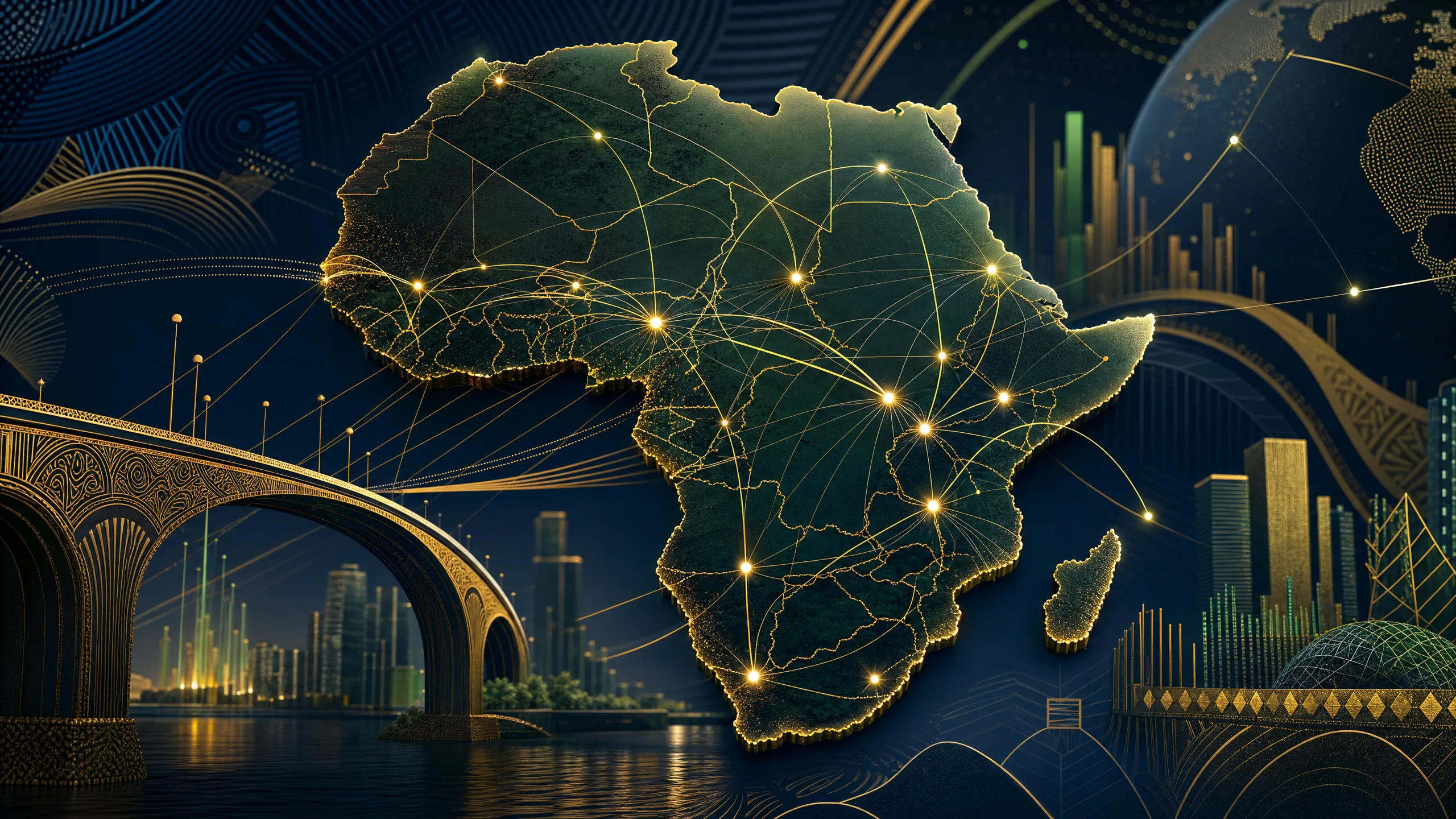
The Rise of Digital Banking in Southern Africa
Southern Africa is experiencing a transformative shift in its financial landscape, driven by the rapid adoption of digital banking solutions. With increasing internet penetration and smartphone usage, digital banking Southern Africa is no longer a nascent concept but a mainstream financial service. South Africa, as the region’s economic powerhouse, leads this revolution, with over 70% of its population now using some form of digital banking service. This surge is propelled by the convenience, accessibility, and cost efficiency digital platforms offer compared to traditional banking.
The growth is not only limited to urban centers but is also permeating rural areas, where conventional banking infrastructure is sparse. Mobile finance solutions have particularly accelerated financial inclusion by providing banking services via mobile phones. According to the GSMA Mobile Economy report 2023, Southern Africa accounts for over 60 million mobile money accounts, revealing the region’s readiness for mobile-first financial services. This digital banking revolution is fundamentally altering how individuals and businesses interact with money, opening new avenues for economic participation and growth.
Blockchain Integration: Enhancing Trust and Transparency
Blockchain integration is becoming a critical component in Southern Africa’s fintech innovation landscape, offering enhanced security, transparency, and efficiency for digital banking platforms. Blockchain’s decentralized ledger technology allows transactional data to be immutable and verifiable, which is crucial for building trust in digital financial ecosystems. South African banks like Standard Bank and First National Bank (FNB) have already begun pilot projects integrating blockchain for cross-border payments and identity verification, significantly reducing transaction times and costs.
Moreover, blockchain facilitates tokenization, allowing assets such as real estate, commodities, and even shares to be digitized and traded on blockchain platforms. This unlocks liquidity and democratizes access to investment opportunities previously constrained by geographic and financial barriers. Southern Africa stands to benefit immensely from these innovations, as many economies in the region depend on commodities and informal markets that can be formalized and expanded through tokenization. The convergence of digital banking and blockchain technology is thus setting the stage for a more inclusive and efficient financial system.
Driving Financial Inclusion through Mobile Finance
Mobile finance has emerged as the linchpin for financial inclusion in Southern Africa, addressing barriers such as lack of physical bank branches and limited credit histories. Countries like Zimbabwe, Botswana, and Mozambique have witnessed exponential growth in mobile money platforms, which now serve millions of previously unbanked individuals. Mobile finance enables users to perform banking transactions, pay bills, and access credit directly from their mobile devices, often without requiring a traditional bank account.
South Africa’s M-Pesa launch in 2023 marked a significant milestone, expanding the mobile finance ecosystem and stimulating competition among digital banking providers. This competition has spurred innovation in service delivery, ranging from microloans to insurance products tailored for low-income populations. Importantly, mobile finance is also empowering small and medium enterprises (SMEs) by providing them with tools for better cash flow management and access to digital payment systems, which are critical for scaling operations in a digitally evolving market.
Regulatory Frameworks Supporting Innovation and Security
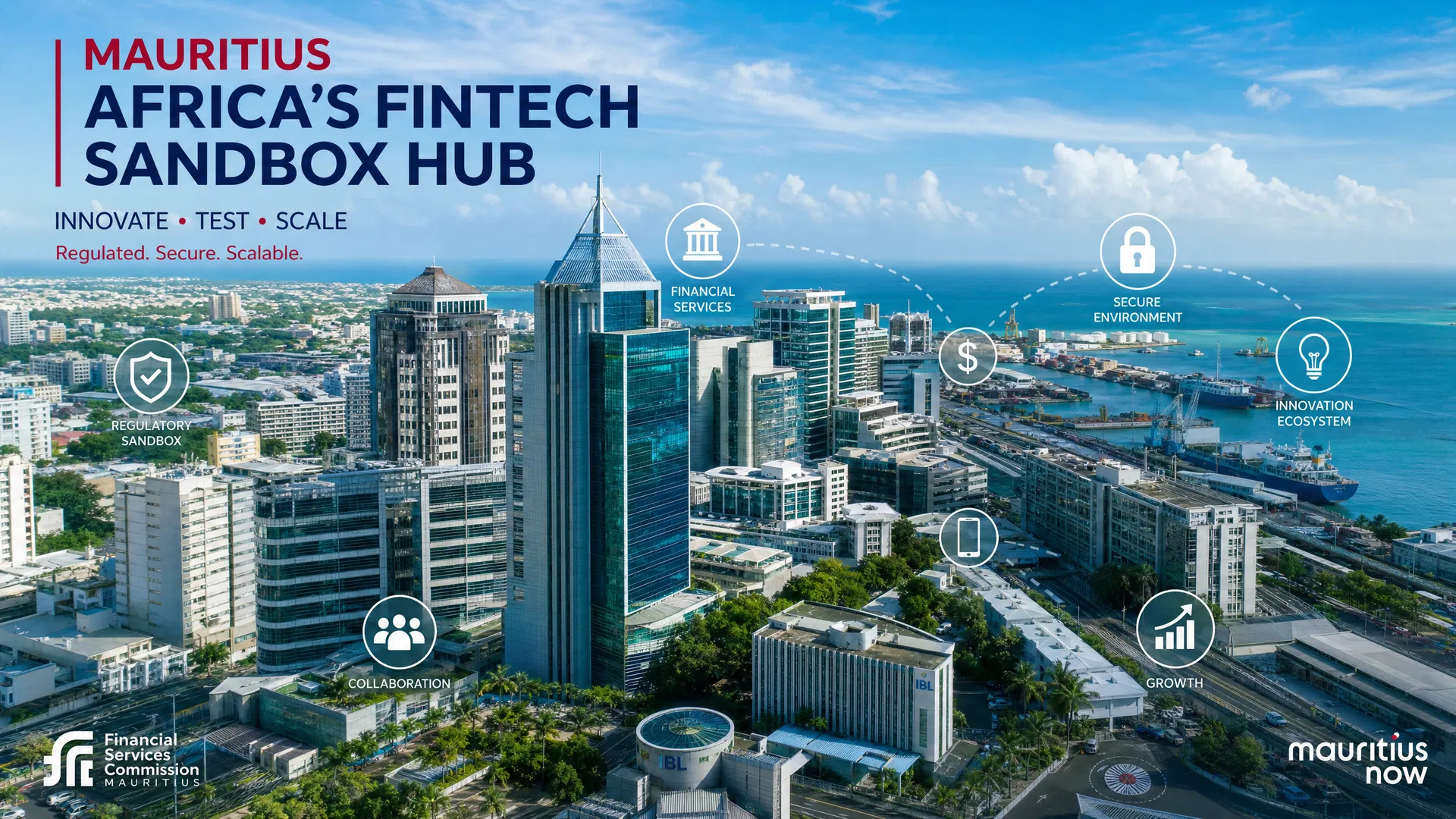
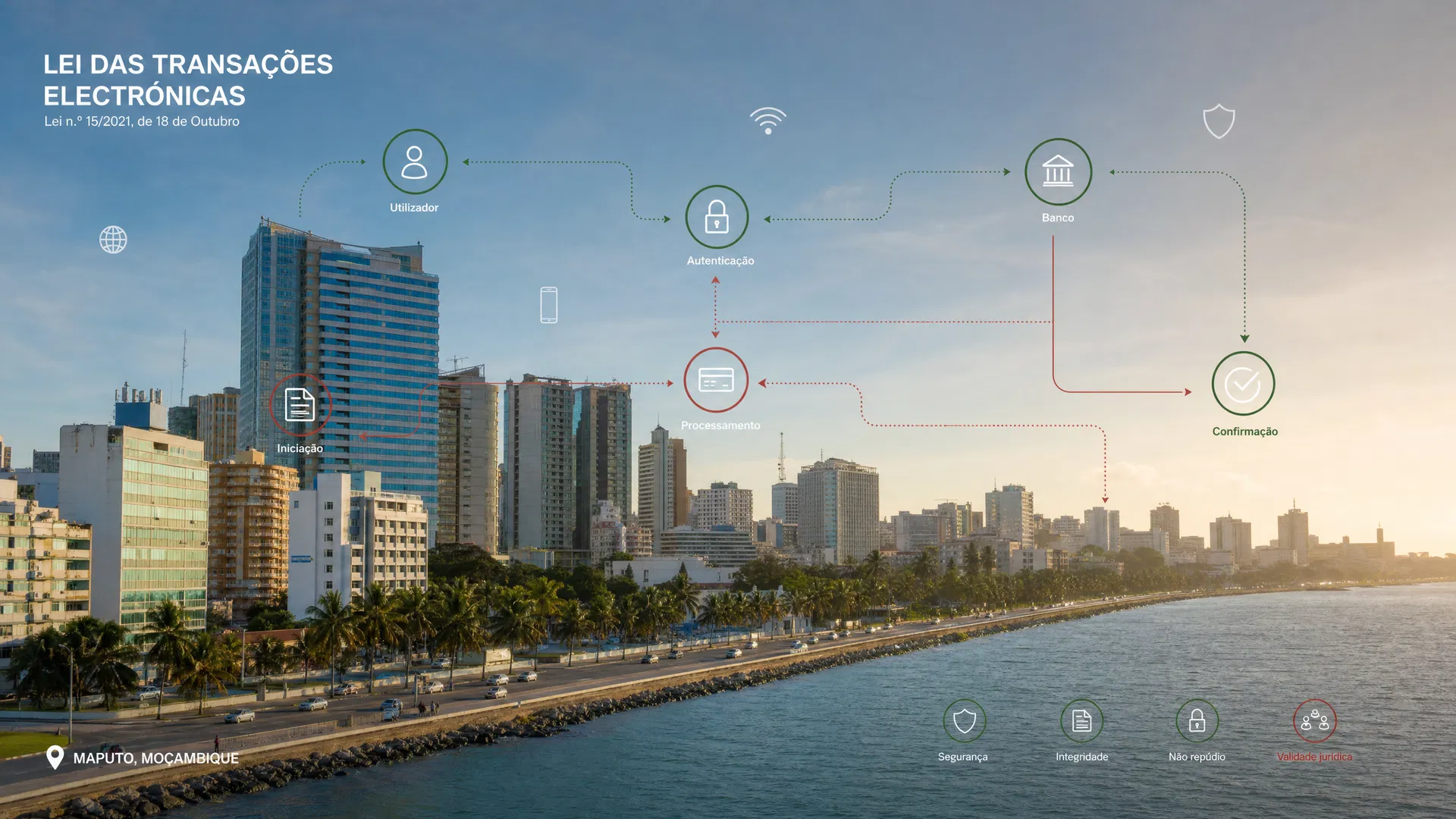
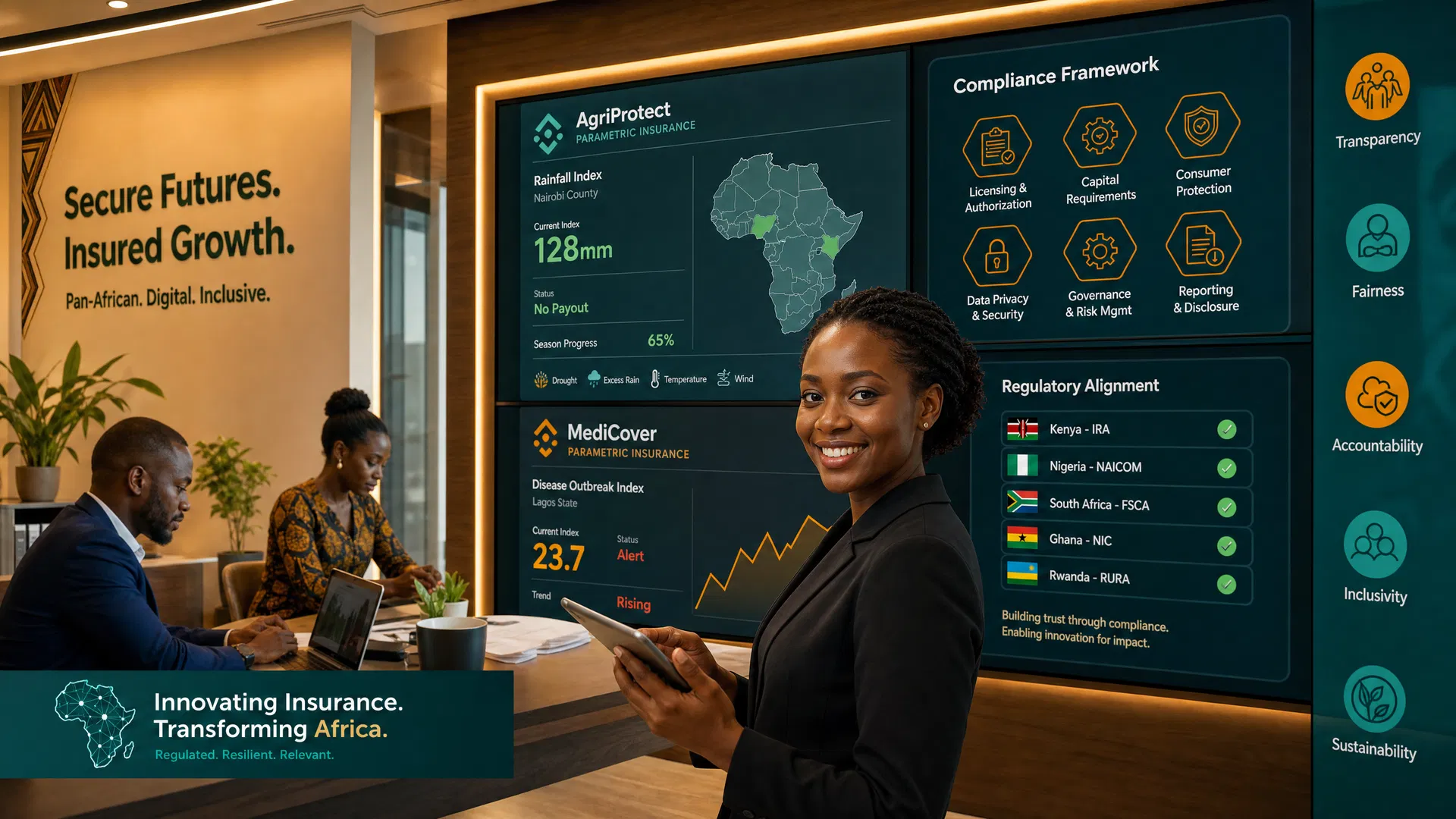
The rapid evolution of digital banking and blockchain integration in Southern Africa has prompted policymakers to develop comprehensive regulatory frameworks that balance innovation with consumer protection and systemic stability. South Africa’s Financial Sector Conduct Authority (FSCA) and the South African Reserve Bank (SARB) have introduced guidelines for digital banks, emphasizing cybersecurity, operational resilience, and anti-money laundering (AML) compliance. These regulations foster an environment where fintech innovation can thrive without compromising financial integrity.
Regional cooperation through bodies like the Southern African Development Community (SADC) is also instrumental in harmonizing regulatory approaches, facilitating cross-border digital banking services, and supporting blockchain-based initiatives. For instance, SADC’s efforts to establish a digital identity framework could accelerate blockchain-enabled KYC (Know Your Customer) procedures, reducing onboarding times and costs. Such regulatory foresight is critical for sustaining investor confidence and enabling scalable fintech solutions that can contribute to the broader digital economy transformation across Southern Africa.
Blockchain and Tokenization: Unlocking New Economic Opportunities
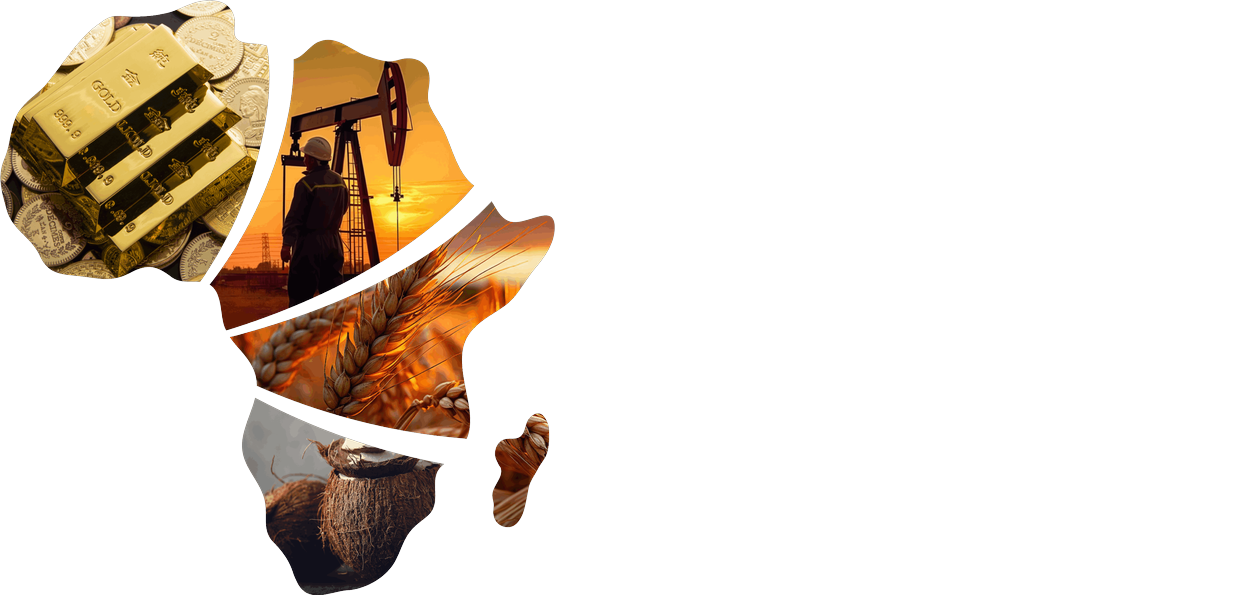
The integration of blockchain technology extends beyond banking to the broader digital economy transformation in Southern Africa. Tokenization, a process where real-world assets are converted into digital tokens on a blockchain, is gaining traction as a method to increase market liquidity and diversify investment portfolios. This offers unique opportunities for institutional investors and policymakers interested in infrastructure financing, agriculture, mining, and renewable energy sectors prevalent in the region.
For example, tokenized bonds and asset-backed tokens can provide new funding mechanisms for critical infrastructure projects, enabling fractional ownership and broader participation from domestic and international investors. Additionally, blockchain-based supply chain solutions enhance transparency and traceability in agriculture and mining, ensuring fair trade practices and ethical sourcing. These applications not only boost investor confidence but also align with Africa’s broader goals of sustainable development and economic diversification.
Looking Ahead: Building a Robust Digital Financial Infrastructure
As Southern Africa’s digital banking revolution accelerates, the integration of blockchain technology will remain a cornerstone for advancing financial inclusion, transparency, and economic growth. There is a pressing need for continued investment in digital infrastructure, including broadband connectivity, cybersecurity frameworks, and capacity building for fintech startups and regulators. Strategic partnerships between governments, financial institutions, and technology providers will be essential to scale blockchain-enabled solutions and embed them within the region’s financial ecosystem.
The future presents an unprecedented opportunity for Southern Africa to position itself as a leader in fintech innovation on the continent. By leveraging blockchain integration and mobile finance, the region can create a more resilient, inclusive, and efficient digital economy. Institutional investors and policymakers should prioritize enabling environments that encourage innovation while safeguarding consumer interests, ensuring that the digital banking revolution delivers sustainable economic benefits for all segments of society.