
Egypt's Central Bank Digital Transformation and Fintech Regulations: A New Era for Digital Assets
Egypt is rapidly emerging as a pivotal player in Africa's digital economy, driven by a comprehensive digital transformation strategy spearheaded by the Central Bank of Egypt (CBE). As the country with the second-largest economy in Africa, Egypt's approach to financial technology and digital assets is closely watched by institutional investors, policymakers, and fintech operators across the continent. The CBE's proactive stance on financial inclusion, coupled with recent regulatory developments, signals a significant shift towards a more integrated and digitally advanced financial ecosystem. This transformation is particularly relevant for platforms like AfriVest, which are building Africa's sovereign digital asset infrastructure in alignment with international standards and regional data protection laws.
The foundation of Egypt's digital financial revolution is rooted in the government's Sustainable Development Strategy: Egypt's Vision 2030. A core component of this vision is financial inclusion, which the CBE has championed through various initiatives. Historically, Egypt faced challenges with low financial inclusion rates, but significant progress has been made. Between 2016 and 2022, financial account ownership increased by 147%, driven by the establishment of the National Payments Council in 2017 and the enactment of the Cashless Payment Law in 2019. These measures mandated the use of cashless payment methods for public and private entities, laying the groundwork for a robust digital financial infrastructure.
Regulatory Background and Key Provisions
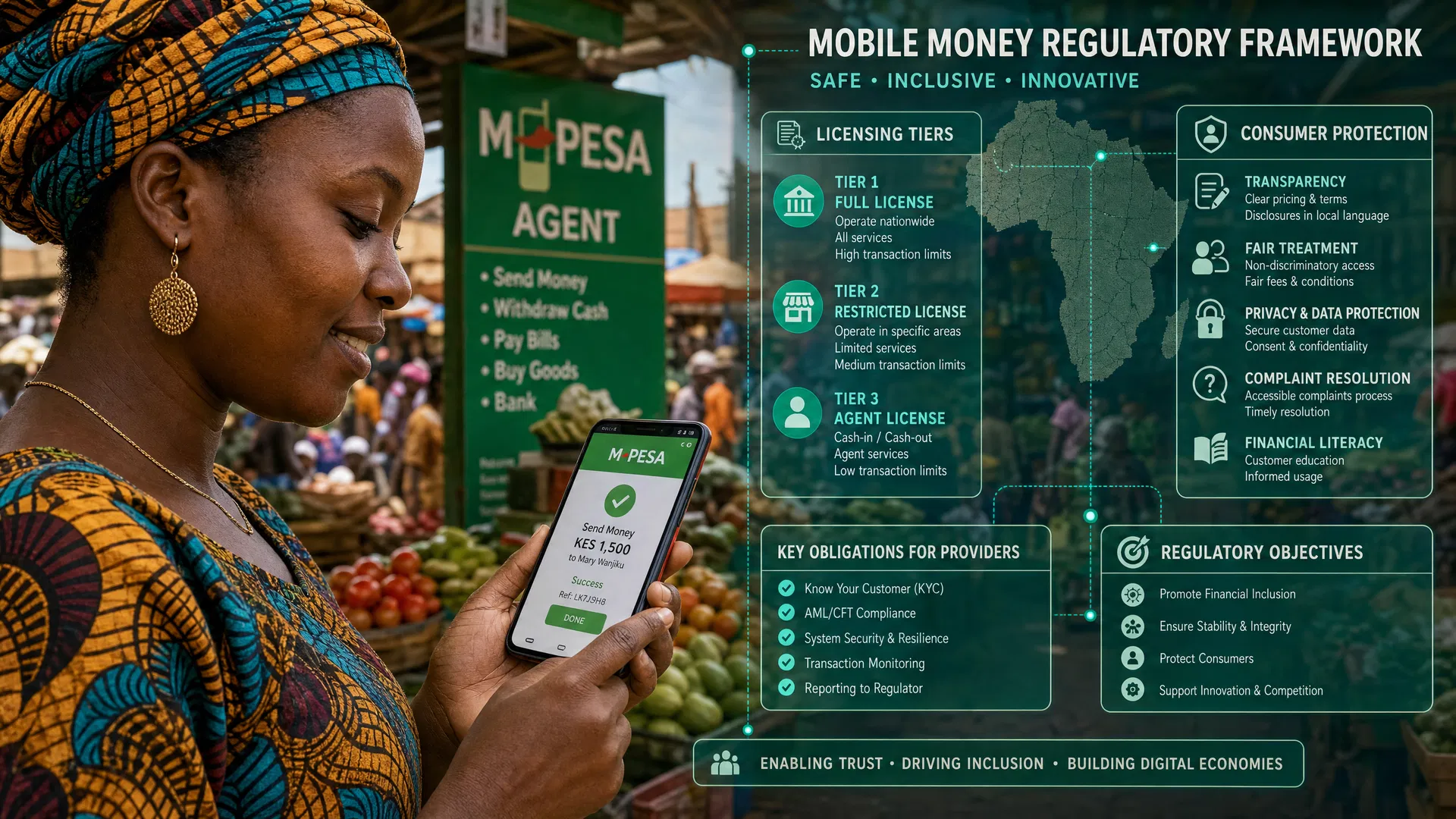
The regulatory landscape for fintech and digital assets in Egypt is governed primarily by the Banking Law No. 194 of 2020. This comprehensive legislation provides the CBE with the authority to regulate and supervise the banking sector, including digital payments and fintech innovations. Under this law, the CBE has established a regulatory sandbox, allowing fintech startups to test their solutions in a controlled environment. This initiative is crucial for fostering innovation while ensuring consumer protection and financial stability.
However, the approach to digital assets, particularly cryptocurrencies, remains cautious. According to the Banking Law No. 194 of 2020, issuing, trading, or promoting cryptocurrencies without a license from the CBE is strictly prohibited. The CBE and the Financial Regulatory Authority (FRA) have repeatedly warned against dealing in cryptocurrencies due to risks associated with fraud and financial crimes. Despite this prohibition, the CBE is actively exploring the development of a Central Bank Digital Currency (CBDC), known as the e-pound. This initiative aims to enhance the competitiveness of the national currency, improve monetary policy effectiveness, and drive financial inclusion, with a target launch by 2030.
Compliance Implications and Data Protection
For digital asset platforms operating in or targeting Egypt, compliance with data protection regulations is paramount. The Personal Data Protection Law No. 151 of 2020 (PDPL) serves as the principal legislation governing data privacy in Egypt. The PDPL aligns with international standards, such as the GDPR, and regional frameworks like South Africa's POPIA and the Malabo Convention. It establishes strict rules for the collection, processing, storage, and transfer of personal data, particularly when processed electronically.
A significant development in this area is the issuance of the Executive Regulations to the PDPL under Ministerial Decision No. 816 of 2025, which came into effect in November 2025. These regulations introduce a structured licensing system for data controllers and processors, detailing operational rules for consent, record-keeping, breach notification, and cross-border data transfers. The issuance of these regulations triggered a one-year compliance grace period, meaning that organizations must achieve full compliance by the end of 2026. This includes the mandatory appointment of a Data Protection Officer (DPO) for certain entities, with failure to comply resulting in substantial fines.
Enforcement Mechanisms and Institutional Oversight
The enforcement of fintech and data protection regulations in Egypt is overseen by multiple regulatory bodies. The CBE is the primary authority for banking and payment systems, ensuring that fintech operators comply with licensing requirements and anti-money laundering (AML) standards. The FRA regulates non-banking financial institutions, including wealthtech platforms and alternative finance activities.
In the realm of data protection, the newly empowered Personal Data Protection Center (PDPC) serves as the supervisory authority responsible for implementing, monitoring, and enforcing the PDPL. The PDPC has the authority to issue licenses, conduct audits, and impose penalties for non-compliance. The stringent enforcement mechanisms underscore the Egyptian government's commitment to safeguarding personal data and maintaining the integrity of the digital financial ecosystem.
Preparing for the Future: Strategic Imperatives
As Egypt continues its digital transformation journey, digital asset platforms must adopt a proactive approach to regulatory compliance and strategic alignment. Platforms like AfriVest, which focus on tokenization, CBDC infrastructure, and digital identity, are well-positioned to capitalize on the opportunities presented by Egypt's evolving regulatory landscape.
To succeed in this dynamic environment, platforms should prioritize regulatory engagement by actively participating in initiatives like the CBE's regulatory sandbox. This collaborative approach ensures compliance while fostering innovation. Furthermore, implementing robust data protection frameworks that align with the PDPL and its Executive Regulations is essential. Finally, aligning platform offerings with Egypt's Vision 2030 and the CBE's financial inclusion objectives, particularly by leveraging digital identity solutions and supporting the development of the e-pound CBDC, will be critical for long-term success.
Conclusion: Connecting to Africa's Digital Economy Transformation
Egypt's Central Bank digital transformation and fintech regulations represent a critical milestone in Africa's broader digital economy transformation. By establishing a clear regulatory framework, fostering innovation through sandboxes, and prioritizing financial inclusion, Egypt is setting a precedent for other African nations. The cautious yet forward-looking approach to digital assets, exemplified by the exploration of a CBDC, highlights the country's commitment to modernizing its financial infrastructure while mitigating risks.
For institutional investors, policymakers, and fintech operators, Egypt offers a compelling case study in balancing innovation with regulation. As platforms like AfriVest continue to build Africa's sovereign digital asset infrastructure, the lessons learned from Egypt's regulatory journey will be invaluable. Ultimately, the successful integration of digital assets and fintech solutions in Egypt will not only drive domestic economic growth but also contribute to the realization of a unified, digitally empowered African economy.