
The Rise of Fintech in North Africa: A Digital Renaissance
North Africa is currently experiencing a profound digital renaissance, driven by the rapid expansion of financial technology and innovative digital finance policies. As countries across the region seek to modernize their economies and enhance financial inclusion, fintech has emerged as a critical catalyst for growth. The landscape is characterized by a dynamic interplay between emerging startups, established financial institutions, and forward-thinking regulatory bodies. This transformation is not merely a technological upgrade; it represents a fundamental shift in how financial services are delivered and consumed, creating unprecedented opportunities for institutional investors and policymakers alike.
The region's demographic dividend, characterized by a young, tech-savvy population, provides a fertile ground for fintech adoption. With mobile penetration rates soaring, the traditional barriers to financial access are being dismantled. Digital wallets, mobile banking, and alternative lending platforms are bridging the gap between the unbanked population and the formal financial sector. This shift is essential for driving broader economic development, as increased financial inclusion directly correlates with poverty reduction and entrepreneurial growth. The momentum behind fintech regulations in North Africa is building, signaling a clear commitment to fostering a secure and innovative digital economy.
Egypt's Fintech Revolution: Pioneering Digital Finance Policy
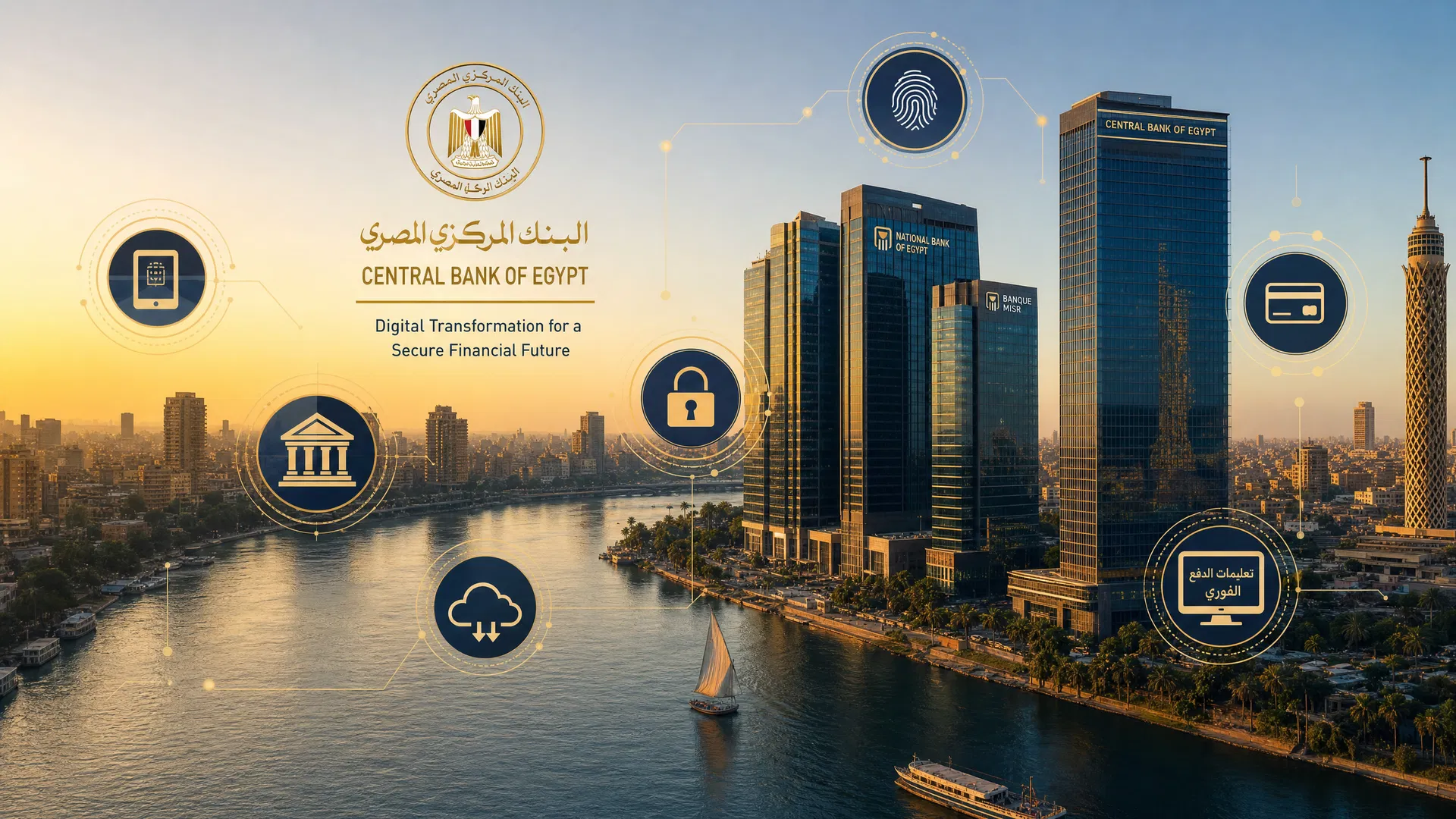
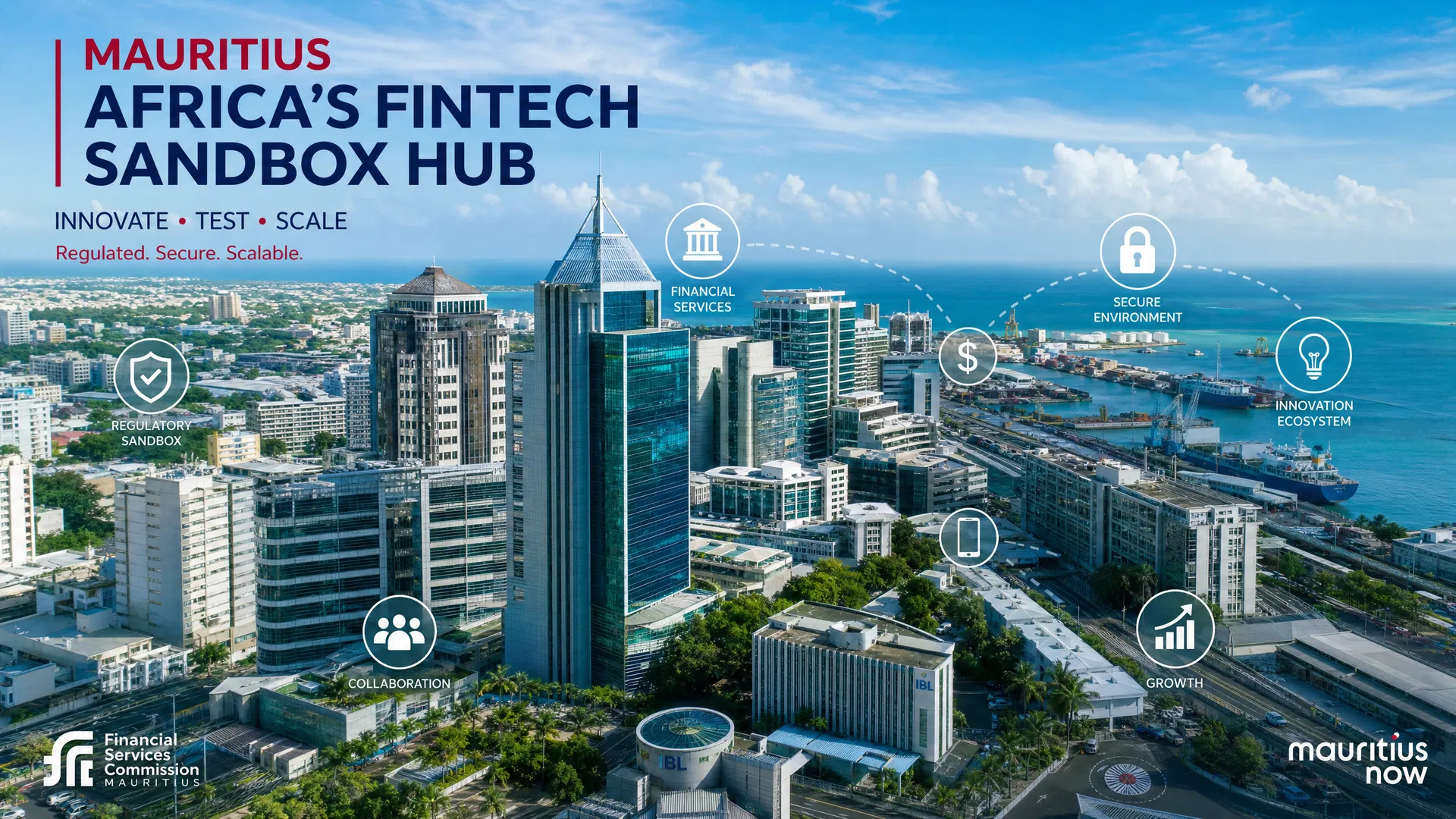
Egypt stands at the forefront of the fintech revolution in North Africa, driven by a robust digital finance policy and a proactive regulatory approach. The Central Bank of Egypt (CBE) has been instrumental in cultivating a supportive ecosystem for fintech innovation. Through initiatives such as the regulatory sandbox and the establishment of the National Payments Council, Egypt has created a structured environment where startups can test new products and services under regulatory supervision. This proactive stance has significantly boosted investor confidence, leading to a surge in venture capital funding for Egyptian fintech enterprises.
The Egyptian market is particularly notable for its rapid adoption of digital payments and alternative finance solutions. Companies specializing in payments, remittances, and buy-now-pay-later services have seen exponential growth, addressing the needs of a largely unbanked population. The introduction of the Instant Payment Network (InstaPay) by the CBE exemplifies the government's commitment to modernizing the financial infrastructure. By facilitating real-time, interoperable transactions, InstaPay has revolutionized the way individuals and businesses manage their finances, further accelerating the transition towards a cashless society.
Morocco's Digital Economy: Embracing Blockchain Adoption
Morocco is rapidly positioning itself as a key player in the North African digital economy, with a strong emphasis on blockchain adoption and technological innovation. The government's "Digital Morocco 2030" strategy outlines an ambitious roadmap for transforming the country into a leading tech hub. This strategy aims to leverage emerging technologies to boost the gross domestic product by 10% and create hundreds of thousands of jobs in the digital sector. By prioritizing digital infrastructure and talent development, Morocco is laying the groundwork for a sustainable and inclusive digital future.
Blockchain technology is a central pillar of Morocco's digital transformation strategy. The government recognizes the potential of blockchain to enhance the efficiency, transparency, and security of public services. Initiatives are underway to integrate blockchain into various administrative processes, aiming to streamline operations and reduce bureaucratic friction. Furthermore, the private sector is increasingly exploring blockchain applications in areas such as supply chain management, healthcare, and financial services. This growing interest in blockchain adoption is creating a vibrant ecosystem of startups and tech companies dedicated to developing decentralized solutions.
Regulatory Harmonization: Navigating the Complex Landscape
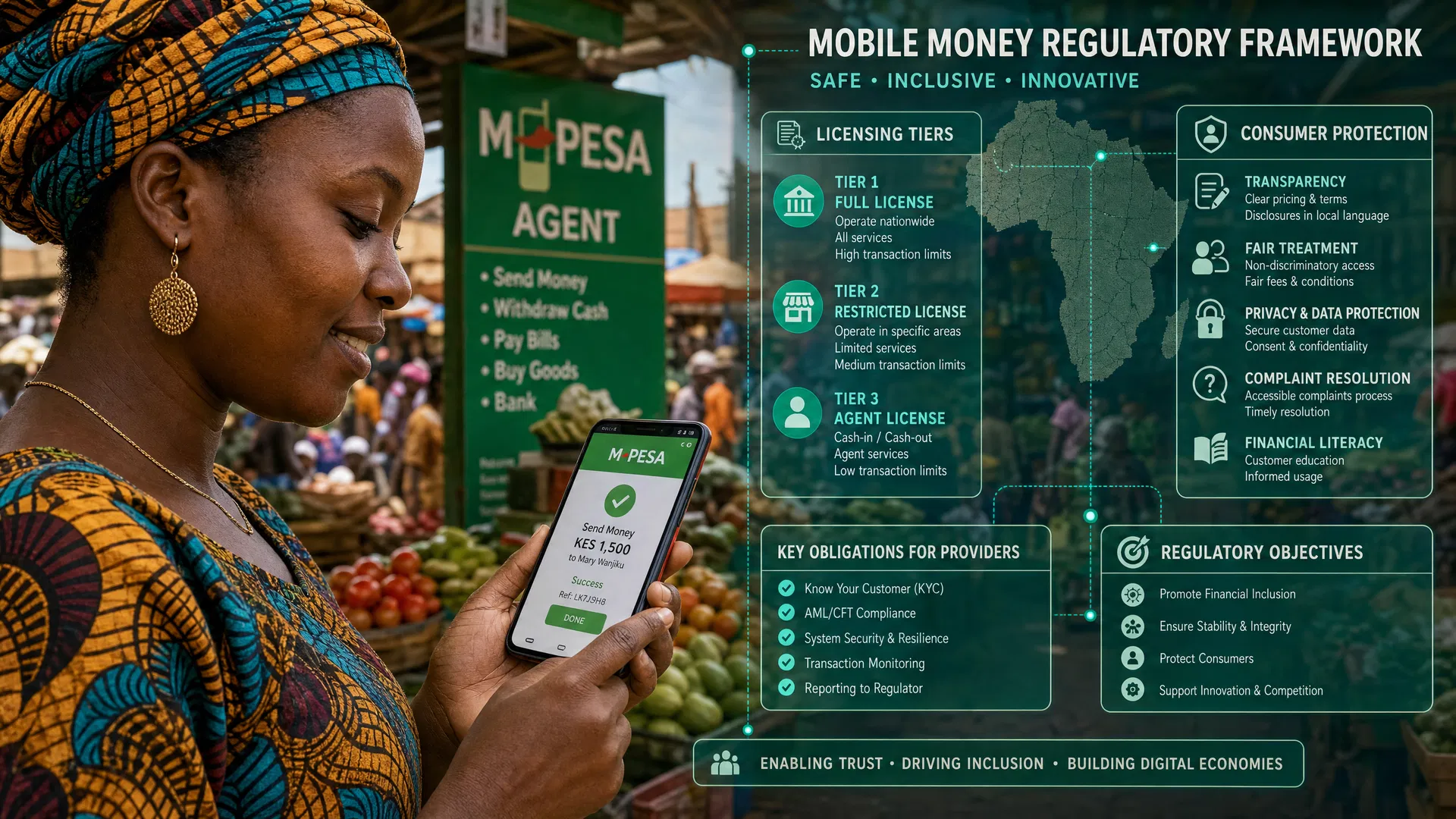
As the fintech sector in North Africa matures, the need for regulatory harmonization across the region becomes increasingly apparent. Currently, fintech companies operating in multiple jurisdictions must navigate a complex and often fragmented regulatory landscape. Differences in licensing requirements, data protection laws, and anti-money laundering regulations can create significant barriers to entry and expansion. Achieving a more cohesive regulatory environment is essential for facilitating cross-border trade, encouraging regional investment, and maximizing the potential of the digital economy.
Efforts to harmonize fintech regulations in North Africa are gaining traction, driven by regional economic communities and international organizations. Collaborative initiatives aim to establish common standards and best practices, promoting interoperability and reducing compliance costs for businesses. By aligning regulatory frameworks, North African countries can create a more integrated and competitive regional market. This harmonization is particularly crucial for scaling innovative solutions, such as cross-border payment systems and digital identity platforms, which rely on seamless regulatory cooperation.
The Future of Digital Infrastructure: Opportunities and Outlook
The future of digital infrastructure in North Africa is characterized by immense potential and transformative opportunities. As the region continues to embrace digital finance, the demand for robust, scalable, and secure infrastructure will only intensify. Investments in cloud computing, cybersecurity, and high-speed connectivity are critical for supporting the next generation of fintech innovations. The development of this infrastructure will not only enhance the efficiency of financial services but also drive broader economic digitization, creating a ripple effect of growth across various sectors.
Blockchain and tokenization represent a particularly exciting frontier for digital infrastructure in North Africa. The ability to tokenize real-world assets, such as real estate and commodities, has the potential to unlock new sources of liquidity and democratize access to investment opportunities. Furthermore, the development of central bank digital currencies (CBDCs) and stablecoins could revolutionize cross-border payments, reducing costs and increasing transaction speeds. These innovations require a sophisticated and resilient digital infrastructure, presenting significant opportunities for technology providers and infrastructure investors. This is a filler.