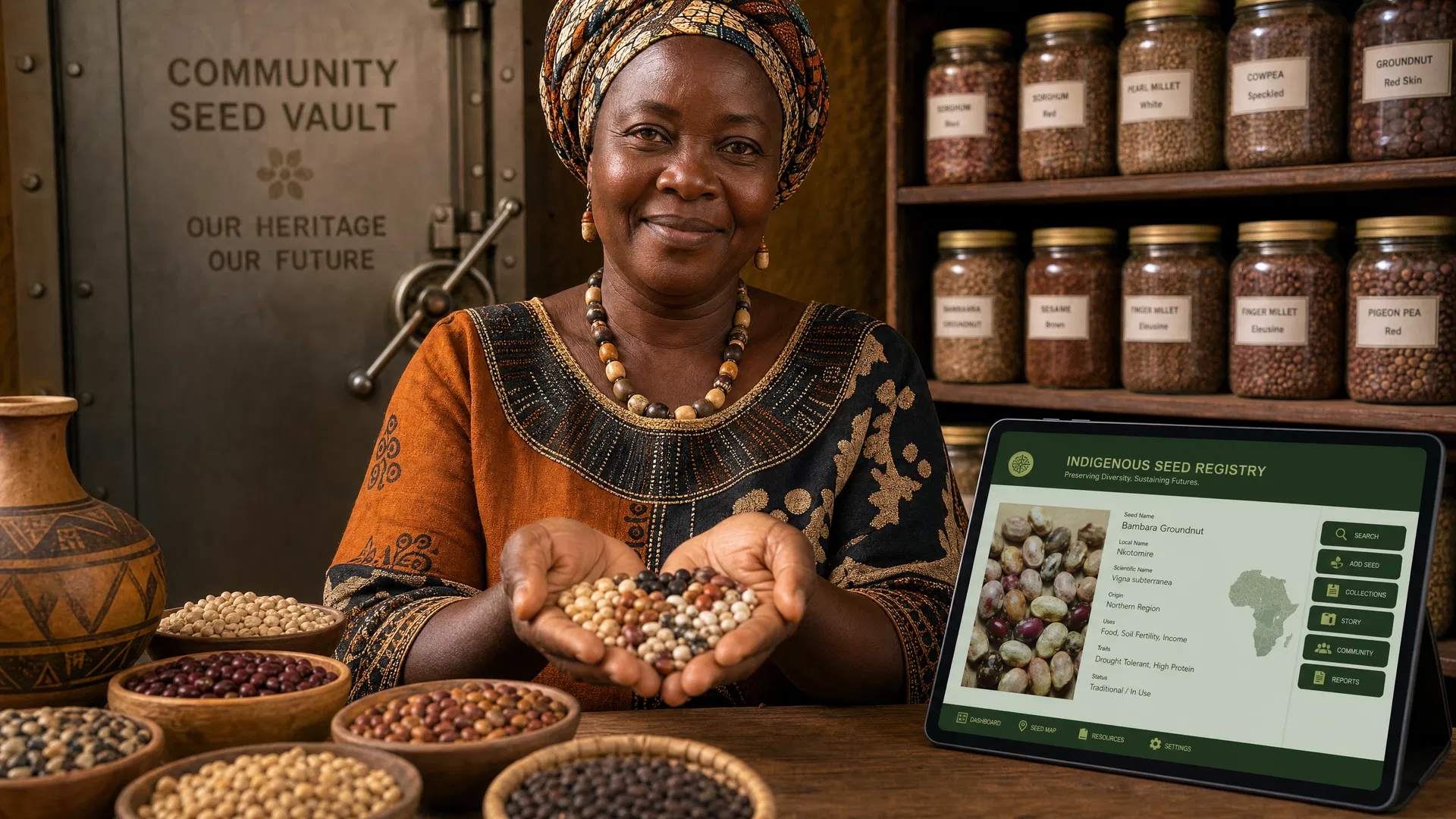
Africa’s agricultural heritage is a cornerstone of its cultural identity, food security, and economic resilience. Central to this heritage is seed sovereignty—the right of farmers and communities to save, exchange, and cultivate indigenous crop varieties adapted to their local environments. However, indigenous African crops are increasingly vulnerable due to climate change, monoculture expansion, and intellectual property challenges. Protecting these genetic resources is critical for sustainable agriculture, biodiversity conservation, and rural livelihoods. At AfriVest, we recognize that digital infrastructure, particularly blockchain-powered registries and asset tokenization, offers a transformative approach to preserving Africa’s seed sovereignty while promoting financial inclusion among smallholder farmers.
Indigenous crop varieties such as millet, sorghum, teff, and fonio have sustained African populations for millennia, thriving in diverse agro-ecological zones. For example, teff is Ethiopia’s staple grain, while fonio—a drought-tolerant millet—is native to West Africa and prized for its nutritional value. Yet, the Food and Agriculture Organization (FAO) reports that over 75% of crop genetic diversity has been lost globally since the early 20th century, with Africa disproportionately affected due to land degradation, urbanization, and agricultural modernization. This genetic erosion threatens food sovereignty and farmers’ adaptability to climate shocks. Compounding these pressures, indigenous seed varieties often lack formal recognition or legal protection, exposing communities to biopiracy and unfair commercialization of their genetic heritage.
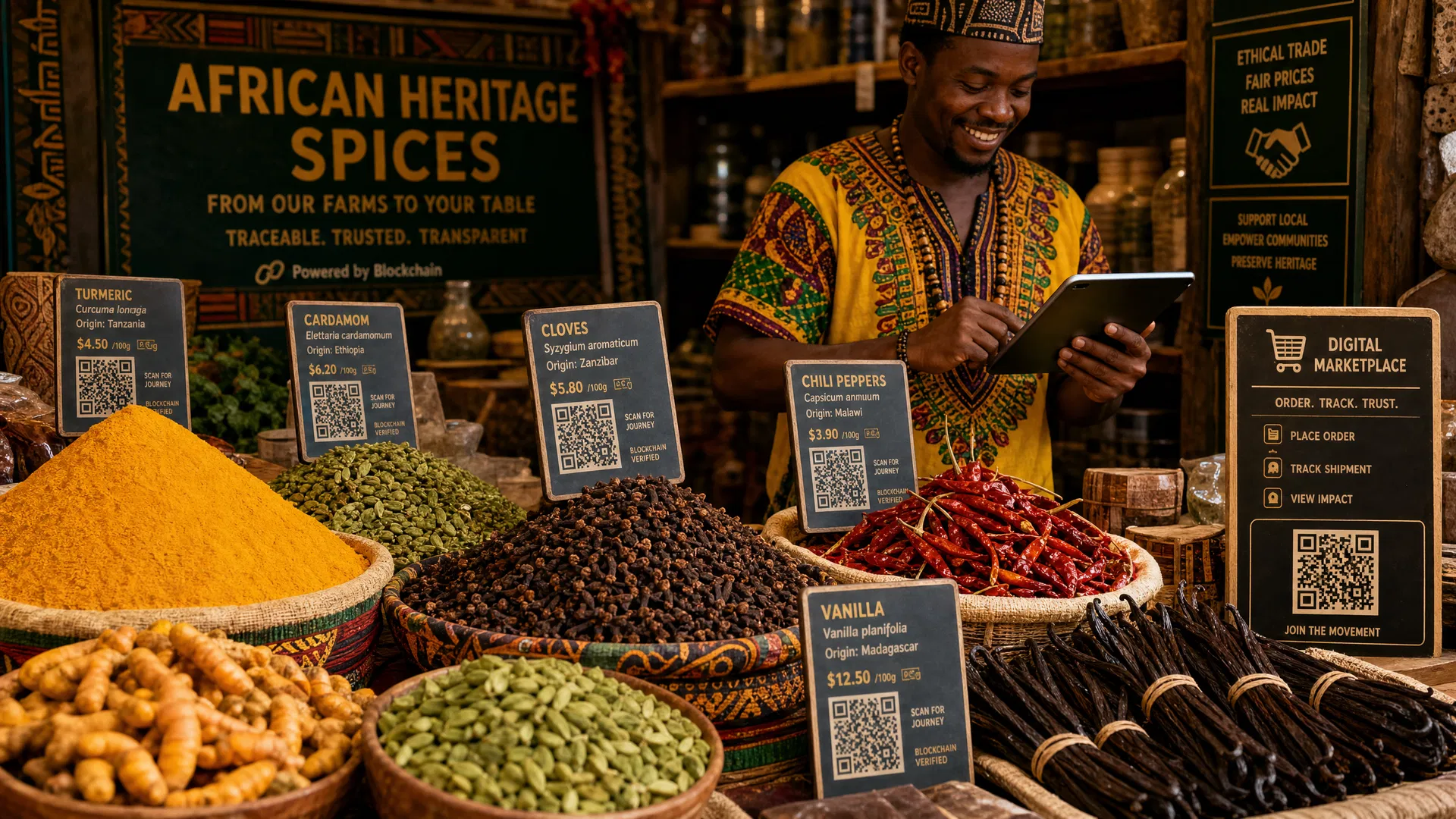
Digital registries built on blockchain technology present a compelling solution to these challenges by creating transparent, immutable records of seed provenance, ownership, and usage rights. For instance, blockchain’s decentralized ledger can verify the origin of indigenous seeds, documenting their custodianship by local communities. This approach protects against unauthorized patents or commercialization by external entities, a concern highlighted by cases such as the patenting controversies around the African baobab tree. Moreover, blockchain-enabled registries can facilitate cooperative governance models, empowering farmer cooperatives and indigenous groups to collectively manage seed resources, negotiate fair benefit-sharing agreements, and maintain control over their genetic assets.
Across Africa, innovative projects are beginning to explore these possibilities. In Kenya, the Indigenous Biodiversity Registry Initiative seeks to catalog native seeds and traditional knowledge using digital tools, enhancing traceability and legal recognition. Similarly, the West African Science Service Center on Climate Change and Adapted Land Use (WASCAL) supports efforts to digitize seed banks and share data across borders to bolster resilience against climate variability. By leveraging AfriVest’s expertise in asset tokenization, these seed varieties can be represented as digital tokens, facilitating secure transactions and incentivizing conservation. Tokenization can enable farmers to monetize their seed assets through controlled sales or licensing, unlocking new income streams and fostering sustainable agricultural investments.
The financial inclusion dimension is equally important. Smallholder farmers, who constitute over 70% of Africa’s agricultural producers according to the African Development Bank, often lack access to formal credit or markets. Digital registries with integrated token economies can bridge this gap by providing collateralizable digital assets linked to indigenous seeds and associated intellectual property. This approach enhances farmers’ creditworthiness and access to financing, stimulating local agribusiness ecosystems. Furthermore, transparent record-keeping supports certification schemes that can increase market value for indigenous crops, as evidenced by growing demand for fonio and other heritage grains in global health food markets.
Protecting seed sovereignty through digital means also aligns with Africa’s broader agenda for sustainable development and technological empowerment. The African Union’s Agenda 2063 emphasizes the importance of science, technology, and innovation in transforming agriculture and ensuring food security. By embedding blockchain infrastructure into seed governance, countries can harmonize regulatory frameworks, facilitate cross-border collaboration, and foster knowledge sharing. For example, regional economic communities such as ECOWAS and COMESA can leverage shared digital platforms to coordinate conservation efforts and prevent genetic resource exploitation. AfriVest envisions playing a pivotal role in this ecosystem by providing scalable, secure, and interoperable digital infrastructure tailored to the unique needs of African agriculture.
Looking ahead, the convergence of indigenous knowledge and cutting-edge digital technology presents a powerful opportunity to safeguard Africa’s agricultural heritage while driving economic inclusion. AfriVest is committed to advancing this vision by developing blockchain-based digital registries that empower communities to assert their seed sovereignty, protect biodiversity, and unlock new financial opportunities. Through partnerships with governments, research institutions, and farmer cooperatives, we aim to build a resilient digital ecosystem that nurtures the continent’s agricultural roots and supports its transformation into a sustainable, inclusive, and digitally enabled economy.
In conclusion, Africa’s seed sovereignty is not only a matter of preserving biodiversity but also an imperative for social justice, economic empowerment, and climate resilience. Digital registries and tokenization technologies offer a robust pathway to document, protect, and monetize indigenous crop varieties, ensuring that African farmers retain control over their genetic heritage. AfriVest stands at the forefront of this digital revolution, committed to harnessing innovative infrastructure solutions that align with Africa’s aspirations for inclusive growth and sustainable development. By bridging tradition and technology, we can secure the seeds of Africa’s future prosperity.