Water scarcity is one of the most pressing challenges confronting the Sahel region, a semi-arid belt stretching across Africa from Senegal to Sudan. With an estimated population exceeding 100 million and growing rapidly, the Sahel faces increasing pressure on its limited water resources, particularly for agricultural irrigation—a critical livelihood for millions. As climate variability intensifies and competition for water heightens, equitable and efficient allocation of water rights emerges as a central concern. In this context, the tokenization of water rights, enabled by robust digital infrastructure and blockchain technology, presents a transformative opportunity to promote fairness, transparency, and sustainability in water management across the Sahel.
Historically, water rights in many Sahelian countries have been governed by customary practices or centralized regulatory frameworks that often suffer from opacity, inefficiency, and inequitable enforcement. For example, in Niger and Burkina Faso, smallholder farmers commonly rely on informal water sharing agreements, which can lead to conflicts and over-extraction during dry periods. Meanwhile, larger agricultural enterprises may have preferential access to irrigation water due to political influence or better infrastructure, exacerbating inequality. According to a 2022 report by the International Water Management Institute (IWMI), approximately 40% of irrigated land in the Sahel experiences suboptimal water distribution, undermining crop yields and community resilience.
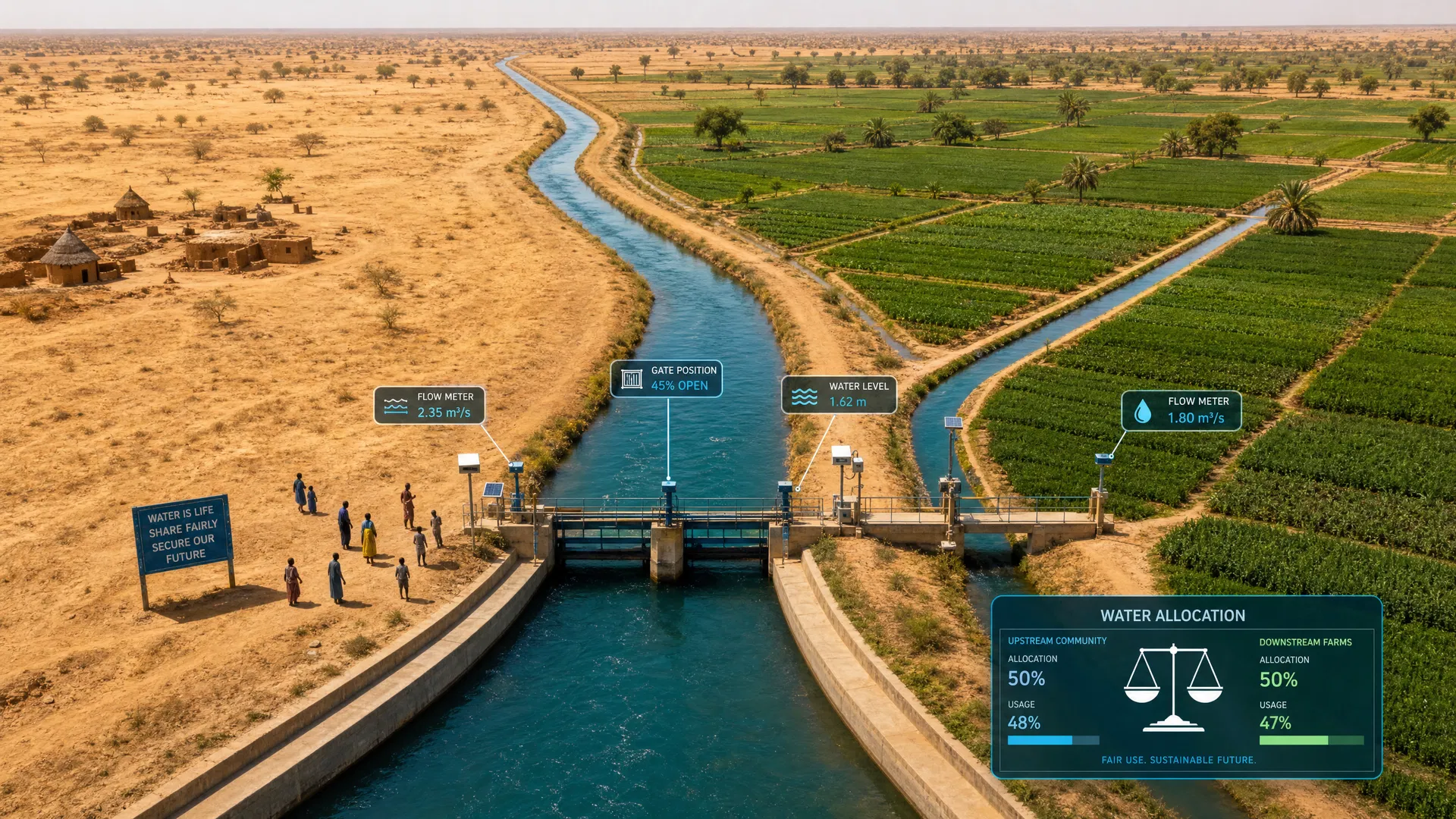
Tokenization—the process of digitizing assets and rights onto a blockchain-based platform—offers a novel mechanism to address these challenges. By representing water rights as digital tokens, each associated with a quantifiable volume of water entitlement, stakeholders can more transparently and securely trade, allocate, and monitor water usage. This digitization enables real-time tracking, automated enforcement of allocation agreements through smart contracts, and enhanced accountability, thereby reducing disputes and inefficiencies.
Countries such as Senegal and Mali have already begun pilot initiatives exploring blockchain applications in water management. These projects involve mapping water rights and issuing tokens representing irrigation quotas to farmers and cooperatives. For instance, the Senegal River Basin Development Organization (OMVS) has engaged in efforts to integrate digital water rights management to optimize the distribution of river water among member states. By leveraging tokenization, water allocations can be dynamically adjusted based on availability, crop needs, and environmental conditions, facilitating adaptive and equitable resource sharing.
Beyond national borders, regional cooperation in the Sahel can benefit significantly from digital water rights tokenization. Transboundary water basins such as the Niger and Senegal rivers traverse multiple countries, requiring coordinated governance to prevent overuse and conflict. Tokenized water rights platforms can standardize allocation protocols, enable transparent cross-border water credit exchanges, and empower local communities through cooperative governance models. This aligns with the African Union’s Agenda 2063, which emphasizes integrated water resource management and regional economic integration as pillars for sustainable development.
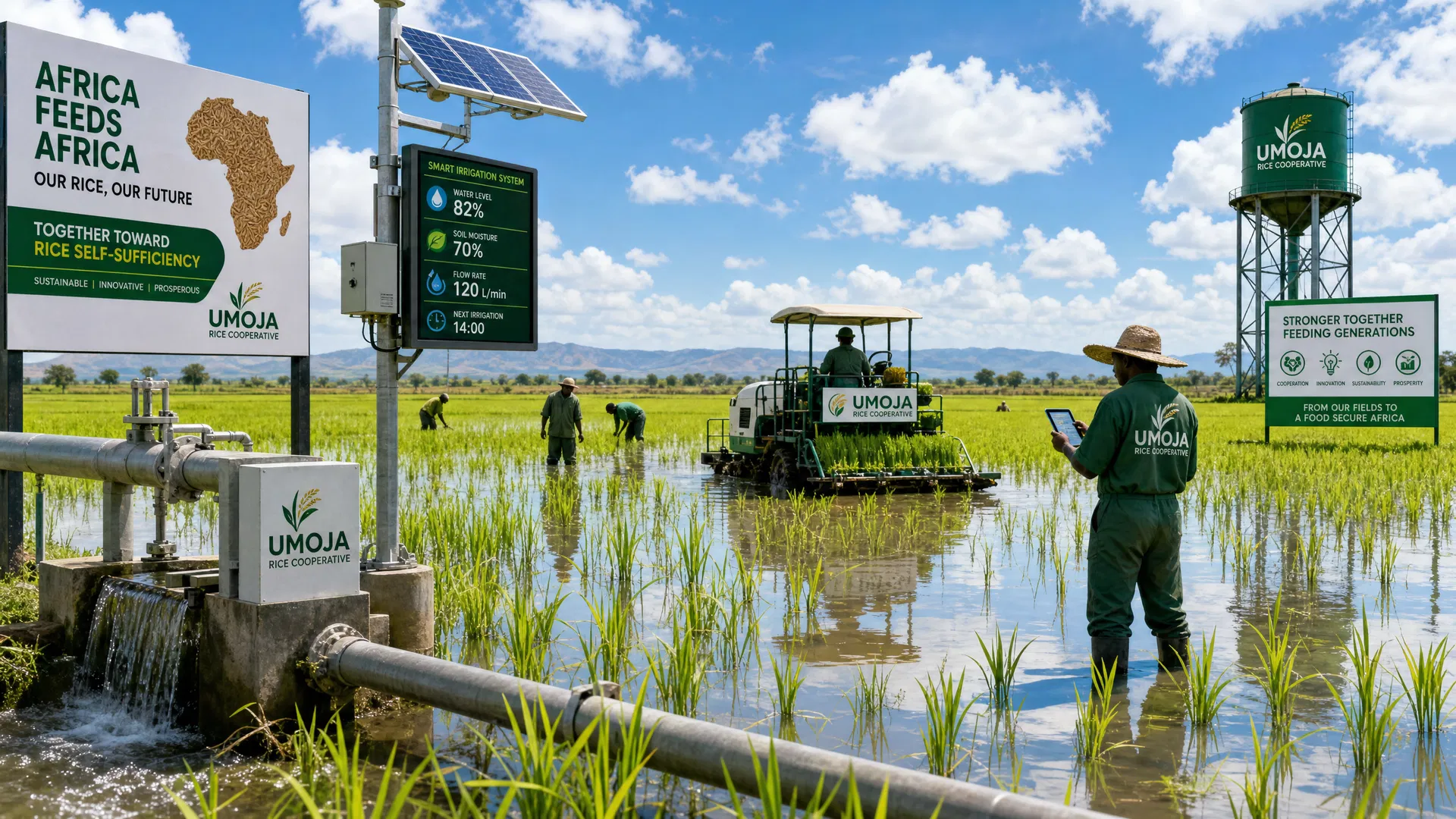
Moreover, the financial inclusion dimension of tokenized water rights is noteworthy. Smallholder farmers in the Sahel often face barriers accessing credit and investment due to lack of formal collateral. Digitally recognized water rights tokens can serve as innovative collateral assets, unlocking financing opportunities for irrigation infrastructure, drought-resilient technologies, and sustainable agricultural practices. This mechanism helps bridge the financing gap that currently impedes agricultural productivity growth in the region, contributing to food security and poverty reduction.
The implementation of water rights tokenization requires a robust digital infrastructure ecosystem, encompassing reliable internet connectivity, secure blockchain platforms, and interoperable data systems. AfriVest recognizes that building this ecosystem involves collaboration among governments, water authorities, technology providers, and local communities. Our platform offers a scalable, blockchain-based infrastructure designed to tokenize assets and facilitate cooperative governance frameworks, tailored to Africa’s unique socio-economic landscapes.
Furthermore, AfriVest prioritizes inclusive participation by integrating cooperative governance models into tokenized systems, ensuring that water allocation decisions reflect the interests of diverse stakeholders—from smallholder farmers and pastoralists to urban consumers and environmental groups. This democratization of resource management builds trust and resilience, essential for adapting to climate uncertainties in the Sahel.
As climate change continues to exacerbate water scarcity risks, innovative digital solutions like water rights tokenization become indispensable tools for sustainable development in Africa. By combining transparency, fairness, and financial inclusion, tokenization can transform how scarce water resources are managed, allocated, and valued. It enables a shift from traditional command-and-control approaches to adaptive, market-informed governance that benefits all users equitably.
Looking ahead, AfriVest is committed to advancing the digitization of Africa’s natural resources, starting with water rights in critical regions like the Sahel. We envision a future where digital tokens represent not only water entitlements but also a broader range of community assets, enabling inclusive economic participation and environmental stewardship. Through strategic partnerships, capacity building, and innovative technology deployment, AfriVest aims to catalyze a digital transformation that empowers African communities to manage their resources sustainably and thrive in a rapidly changing world. The tokenization of water rights is a pivotal step toward realizing this vision, fostering resilience, equity, and prosperity for the Sahel and the continent at large.