The vast savannas and rangelands of Africa have long been the domain of pastoralists, whose livelihoods are inextricably linked to the health and movement of their livestock. For an estimated 50 million people across sub-Saharan Africa, cattle and other livestock are not merely animals; they are a primary source of income, a store of wealth, and a cultural cornerstone. However, this traditional way of life is increasingly threatened by climate change, disease outbreaks, and a lack of integration into formal financial systems. At AfriVest, we recognize that the future of Africa's economy relies on bridging the gap between these ancient practices and modern digital infrastructure. By leveraging livestock tracking and tokenization, we can modernize pastoralist economies, unlocking unprecedented liquidity, transparency, and resilience.
The fundamental challenge facing pastoralist economies is the opacity of the livestock supply chain. In many regions, cattle roam freely, making it difficult to track their health, movements, and ownership. This lack of traceability has severe economic consequences. For instance, in 2018, an outbreak of tick-borne disease in Zimbabwe led to the death of over 50,000 cattle. Without a reliable tracking system, the country was unable to export cattle to lucrative markets in Europe and the Middle East, resulting in a significant loss of export earnings. Furthermore, up to 40% of African agricultural exports fail compliance tests due to insufficient tracking, costing the continent over $12 billion annually. To overcome these barriers, we must implement robust digital tracking solutions that provide verifiable data on livestock health and provenance.
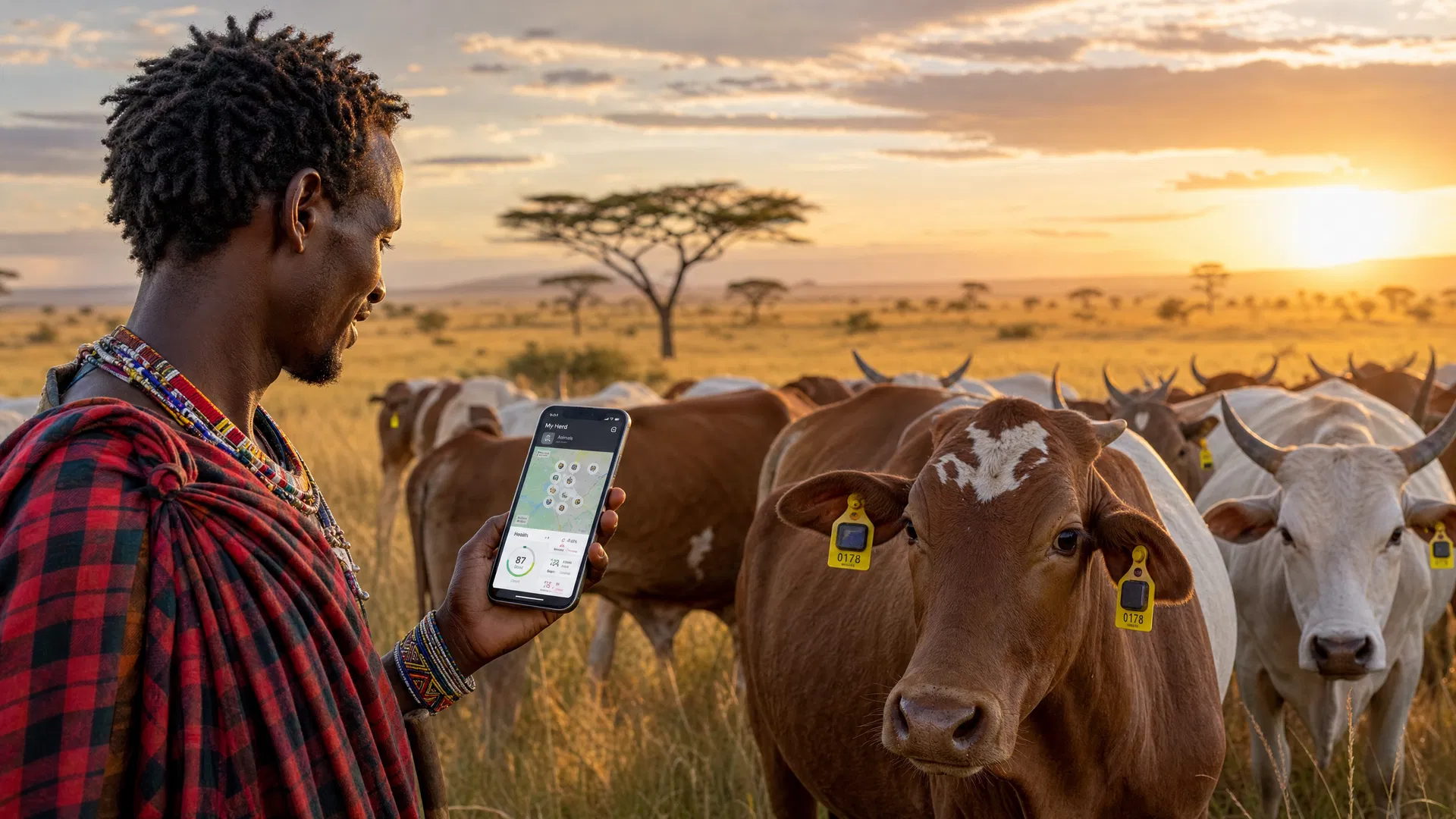
Enter Radio Frequency Identification (RFID) and blockchain technology. By equipping cattle with low-cost RFID ear tags, farmers can create a digital identity for each animal. These tags, which can cost as little as $2 per cow, allow for the seamless collection of data regarding vaccinations, disease treatments, and movements. When this data is recorded on a blockchain, it creates an immutable, tamper-proof ledger of the animal's life history. This level of transparency is crucial for accessing highly regulated international markets, such as the European Union, which demand stringent proof of food safety and sustainability. With blockchain-backed tracking, a buyer in Berlin can scan a QR code and instantly verify the health and origin of the beef they are purchasing, often resulting in a premium price for the farmer.
Beyond traceability, the digitization of livestock data opens the door to tokenization—the process of converting physical assets into digital tokens on a blockchain. In the context of pastoralism, tokenization transforms cattle from illiquid physical assets into tradable digital assets. A single token could represent a specific animal or a fraction of a herd, allowing farmers to unlock the value of their livestock without having to sell the physical animal. This newfound liquidity can be used to secure loans, purchase insurance, or invest in better farming equipment. For example, platforms like E-Livestock Global have successfully piloted RFID and blockchain solutions in Zimbabwe, tracking tens of thousands of cattle and demonstrating the viability of this approach.
Tokenization also facilitates innovative financial products tailored to the unique risks of pastoralism. Climate change has led to an increase in prolonged droughts in the Horn of Africa, devastating herds and pushing communities into poverty. Traditional humanitarian aid often arrives too late, after the worst effects have already been felt. However, smart contracts powered by blockchain can enable anticipatory cash transfers. In a recent pilot in Kenya, smart contracts were programmed to disburse funds automatically if pasture conditions deteriorated to a critical level. This system reduced transaction costs by 75% and delivered funds 90% faster than traditional methods, allowing pastoralists to purchase feed or relocate their herds before disaster struck.
The integration of digital infrastructure into pastoralist economies also has profound implications for sustainability and regenerative agriculture. By tracking grazing patterns and soil health, farmers can optimize their land use, preventing overgrazing and promoting carbon sequestration. In Kenya, farms utilizing regenerative traceability have seen income boosts of 25% to 40% within 18 months. Furthermore, verified sustainable practices can be tokenized into carbon credits, providing an additional revenue stream for farmers. Currently, an estimated 1.2 million tons of African carbon credits go unclaimed each year. By digitizing the regenerative efforts of pastoralists, we can connect them to global carbon markets, rewarding them for their role in combating climate change.
At AfriVest, we envision a future where Africa's pastoralist economies are fully integrated into the global digital economy. We are committed to building the digital infrastructure necessary to support livestock tracking, tokenization, and decentralized finance. By providing the technological foundation for these innovations, we aim to empower millions of smallholder farmers, transforming their livestock into dynamic financial assets. The modernization of pastoralist economies is not just about adopting new technologies; it is about recognizing the inherent value of Africa's agricultural heritage and ensuring that it thrives in the 21st century. Through collaboration, innovation, and a steadfast commitment to financial inclusion, AfriVest is paving the way for a more prosperous and resilient Africa.