Cassava has long been a foundational staple crop across sub-Saharan Africa, underpinning food security and livelihoods for millions of smallholder farmers. However, despite its critical importance, cassava value chains have historically been characterized by inefficiencies, limited market access, and fragmented supply networks. The emergence of digital markets, underpinned by advancements in blockchain technology and asset tokenization, is now catalyzing a transformation in how cassava is cultivated, traded, and monetized—ushering in what can aptly be termed the Cassava Revolution. At AfriVest, we recognize the profound potential of digital infrastructure to unlock new economic opportunities for cassava producers and stakeholders throughout Africa.
Cassava cultivation spans across West, Central, and East Africa, with countries such as Nigeria, Ghana, Tanzania, and the Democratic Republic of Congo among the top producers. Nigeria alone contributes approximately 59 million metric tons annually, accounting for nearly 20% of global cassava production. Despite these impressive figures, cassava farmers often face significant obstacles including post-harvest losses estimated at 20-30%, inconsistent pricing, and limited access to formal credit markets. Traditional supply chains tend to be opaque, with middlemen dominating price discovery and payment processes, often to the detriment of producers.
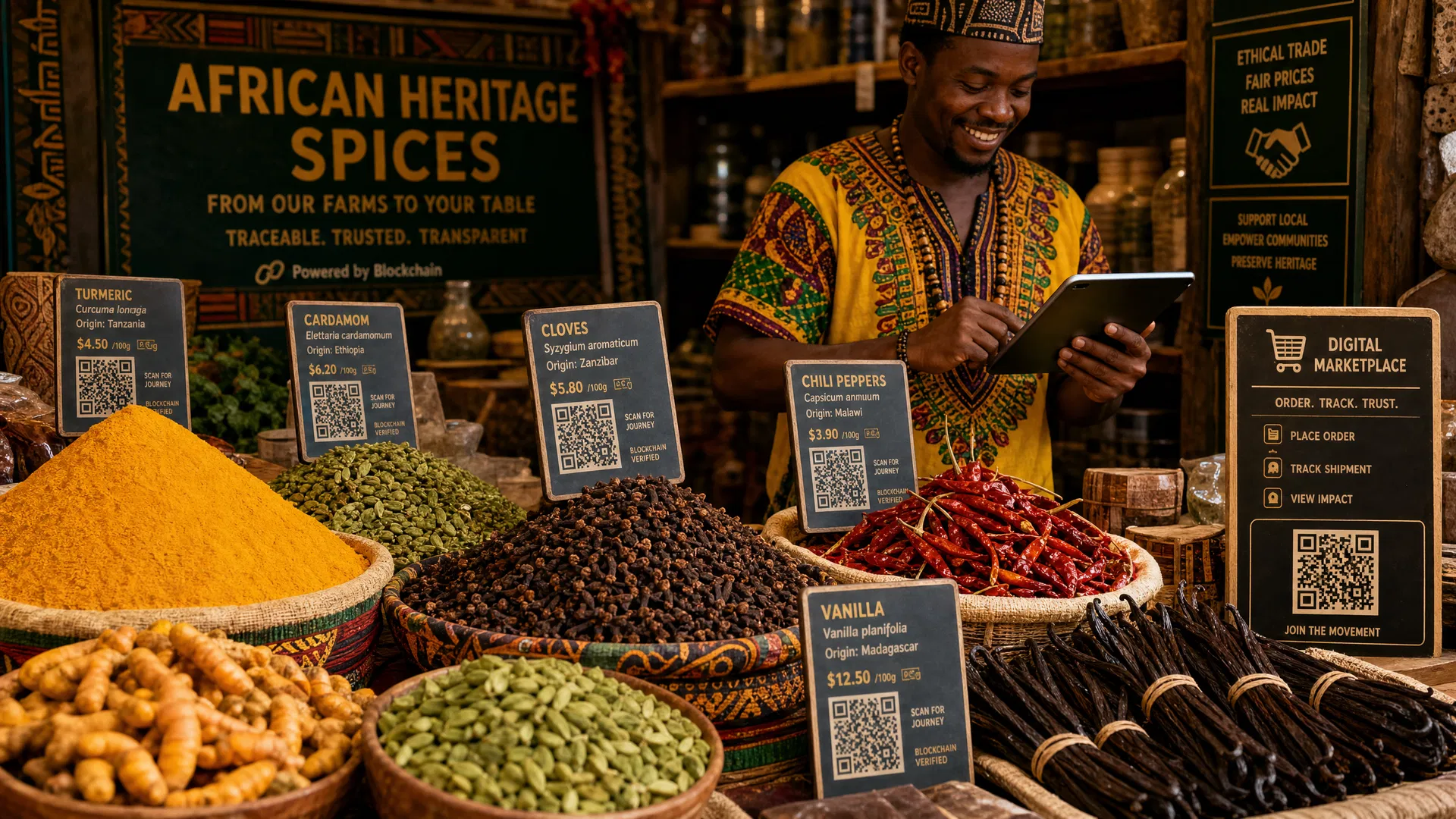
Digital markets are reshaping this landscape by introducing transparency, efficiency, and financial inclusivity. Blockchain technology plays a pivotal role in this transformation by enabling immutable, decentralized ledgers that record every transaction along the cassava value chain. For example, platforms that utilize blockchain can verify the provenance of cassava from farm to factory, ensuring quality standards and reducing fraud. This transparency not only builds trust among buyers and sellers but also enhances traceability, which is critical for meeting export standards and tapping into international markets.
Moreover, tokenization of cassava assets is emerging as a powerful mechanism to bridge financing gaps in the agricultural sector. Through asset tokenization, cassava farmers and cooperatives can fractionalize their harvest or future yields into digital tokens that represent ownership or investment stakes. These tokens can be traded on digital marketplaces, providing liquidity and attracting investments from a broader pool of investors, including diaspora communities and impact investors. In Nigeria, for instance, pilot projects have demonstrated how tokenized cassava contracts enable farmers to access upfront capital without relinquishing control over their land or produce, thereby fostering sustainable growth.
Beyond financing, digital cooperative governance models are gaining traction, empowering smallholder farmers with collective decision-making capabilities through blockchain-based voting and management systems. This approach enhances the bargaining power of farmer cooperatives when negotiating prices or contracts, reducing exploitation by intermediaries. In East Africa, agricultural cooperatives leveraging digital governance have reported improved operational efficiency and increased incomes, illustrating the potential for replication across cassava-growing regions.
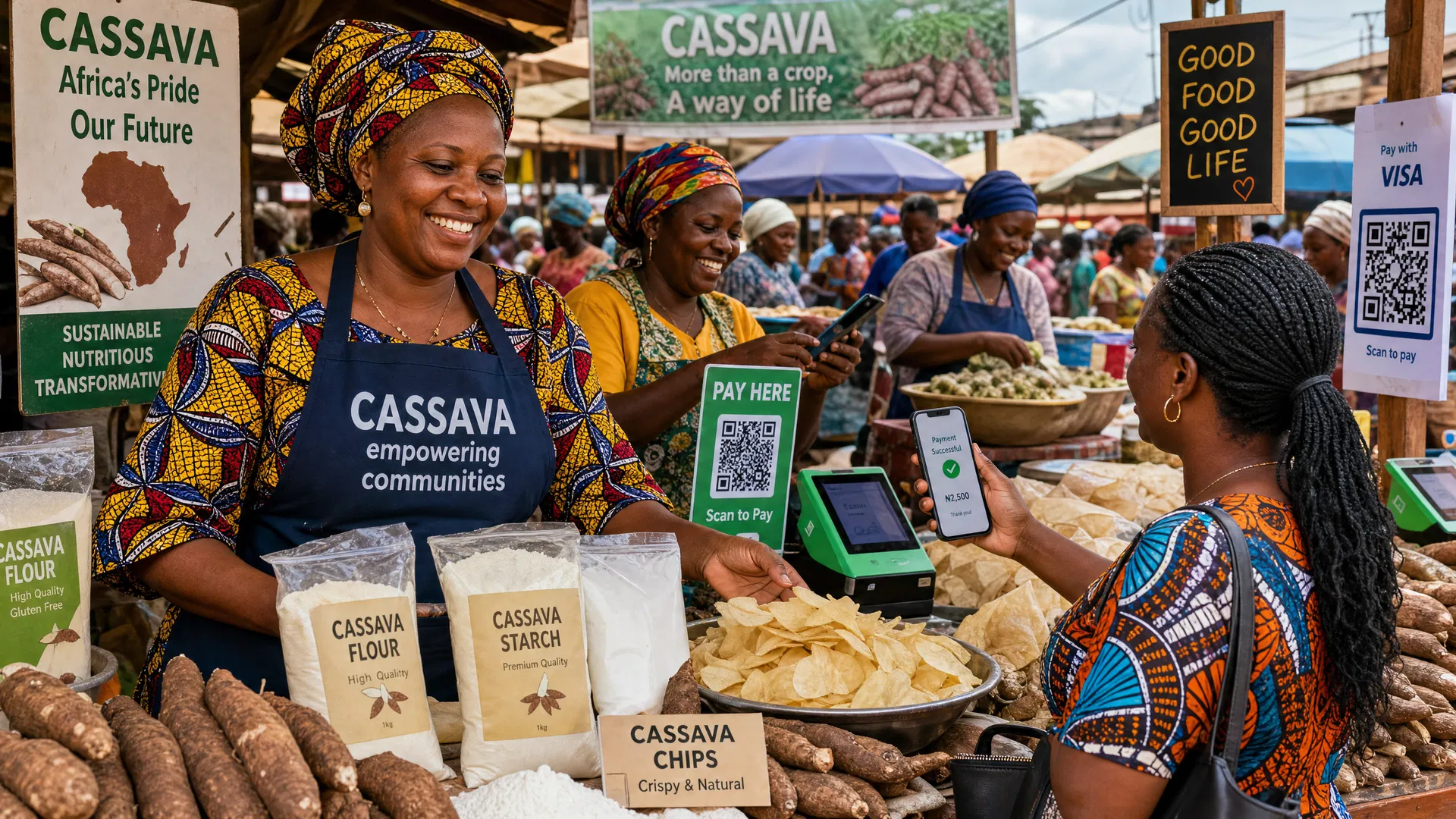
The integration of mobile money platforms with digital cassava marketplaces further amplifies financial inclusion. Mobile payment systems, already widespread in countries like Kenya and Uganda, facilitate instant and secure transactions between farmers, processors, and buyers. Coupled with blockchain’s security features, these platforms minimize transaction costs and risks associated with cash-based exchanges, fostering greater participation among rural and underserved populations. This synergy between digital payment ecosystems and blockchain infrastructure is critical in overcoming longstanding barriers to market entry.
In addition to economic benefits, digital transformation in the cassava sector contributes to broader developmental goals such as food security and climate resilience. Access to real-time market data and analytics enables farmers to make informed planting and harvesting decisions, optimizing yields in the face of changing environmental conditions. Furthermore, supply chain digitization supports better inventory management and reduces food wastage, ensuring that cassava reaches consumers efficiently. Governments and regional bodies like the African Union have underscored the importance of leveraging digital tools to modernize agriculture, aligning with initiatives such as the Comprehensive Africa Agriculture Development Programme (CAADP).
Looking ahead, AfriVest is committed to advancing the Cassava Revolution by providing a robust digital infrastructure platform tailored to Africa’s unique agricultural context. Our focus on asset tokenization, cooperative governance, and inclusive financial services aims to create an integrated ecosystem where cassava farmers can unlock value from their produce, access capital, and participate meaningfully in digital markets. By collaborating with local stakeholders, fintech innovators, and policymakers, we strive to scale solutions that drive equitable growth and economic empowerment across the continent.
In conclusion, the digitization of cassava markets is more than a technological upgrade; it represents a paradigm shift in how Africa’s staple crop is managed and monetized. Through blockchain-enabled transparency, tokenized assets, and digital cooperative governance, cassava farmers are gaining unprecedented access to markets and finance, fostering resilience and prosperity. As a thought leader in Africa’s digital infrastructure space, AfriVest envisions a future where the Cassava Revolution is a blueprint for transforming other key agricultural sectors, ultimately contributing to a more inclusive and digitized African economy.