The Imperative for Agricultural Transformation in East Africa
East Africa's agricultural sector remains the foundational pillar of its regional economy, employing a vast majority of the rural workforce. Despite its immense potential, the industry faces systemic challenges that threaten long-term stability and sustainable economic growth across the continent. Inefficiencies in traditional supply chains, rampant post-harvest losses, and a lack of reliable data have historically undermined productivity for smallholder farmers. Addressing these complex issues requires a paradigm shift from conventional farming methods to innovative, technology-driven solutions that can optimize resource allocation.
The integration of advanced digital technologies is rapidly emerging as the most viable strategy to overcome these entrenched obstacles. By leveraging decentralized networks and immutable ledgers, stakeholders can establish a more resilient, transparent, and responsive agricultural ecosystem. This technological evolution represents a fundamental restructuring of how agricultural value is created, tracked, and distributed across the supply chain. As institutional investors and policymakers recognize the urgency of this transformation, significant capital is being mobilized to fund digital infrastructure projects.
How Blockchain Supply Chains East Africa Are Reshaping the Landscape
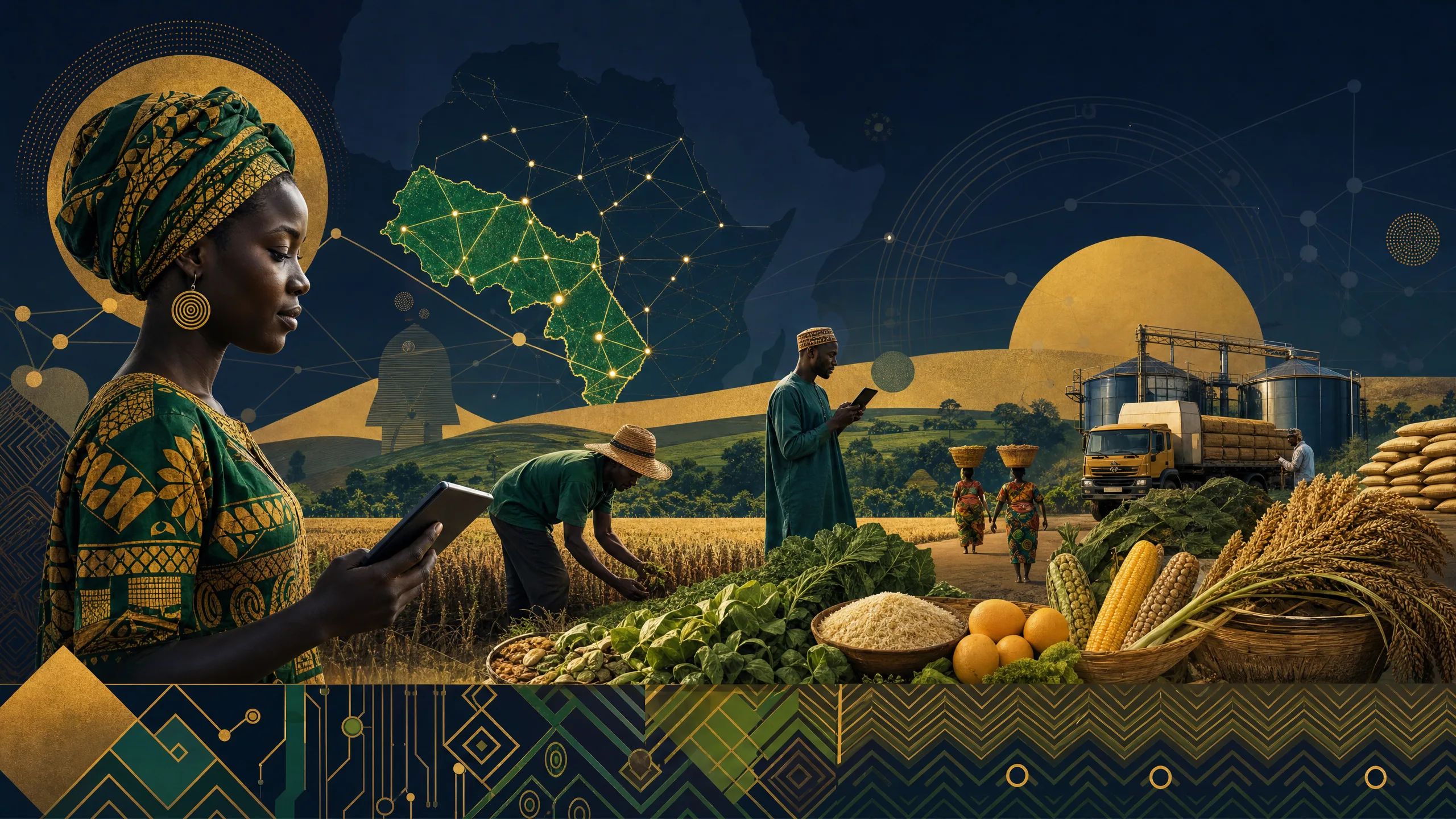
The deployment of blockchain supply chains East Africa is fundamentally altering the operational dynamics of the region's vital agricultural sector. Traditionally, agricultural supply chains have been plagued by fragmentation, opaque transactions, and numerous intermediaries, which collectively diminish the final value received. Blockchain technology addresses these inefficiencies by providing a decentralized, tamper-proof ledger that securely records every transaction and movement of goods. This immutable record-keeping system ensures that all participants in the supply chain have access to real-time, verifiable data, reducing fraud.
Moreover, the implementation of these decentralized systems facilitates seamless cross-border trade, which is absolutely vital for broader economic integration. By standardizing data protocols and automating compliance procedures through smart contracts, blockchain networks significantly reduce bureaucratic bottlenecks that hinder commerce. For institutional investors, the predictability and transparency offered by blockchain-enabled supply chains present a highly attractive proposition, mitigating emerging market risks. The ongoing expansion of these digital networks is laying the essential groundwork for a more robust, competitive, and interconnected regional economy.
Enhancing Food Security Through Traceability and Efficiency
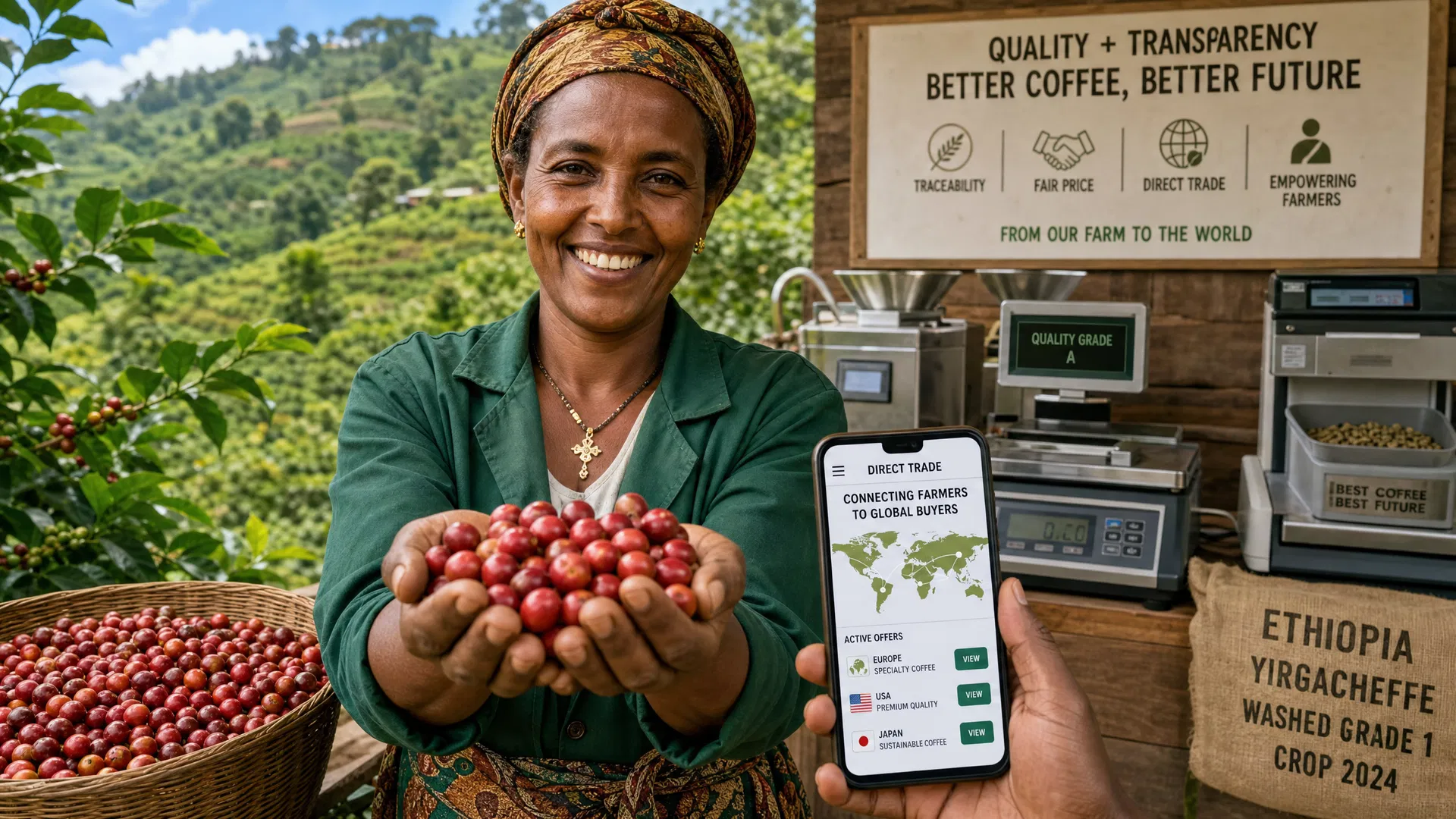
At the core of the region's agricultural challenges is the pressing need to ensure consistent and reliable food security. Blockchain technology plays a pivotal role in addressing this issue by enabling end-to-end traceability of agricultural products, minimizing waste. By tracking the exact origin, transit conditions, and storage history of food items, stakeholders can quickly rectify logistical inefficiencies. This granular level of oversight ensures that surplus produce can be efficiently redirected to regions experiencing acute shortages, stabilizing markets.
Furthermore, the ability to trace food products back to their exact source significantly enhances food safety standards, a critical component. In the event of a contamination outbreak, blockchain records allow authorities to instantly pinpoint the exact source and execute targeted recalls. As consumers and international regulatory bodies increasingly demand rigorous provenance verification, the adoption of blockchain traceability systems becomes an indispensable asset. The resulting increase in consumer confidence further stimulates market demand, protects public health, and drives sustainable sector growth across the region.
Digital Agriculture and the Tokenization of Farming Assets
The broader movement toward digital agriculture is being significantly accelerated by the advent of asset tokenization. Historically, agricultural producers in East Africa have struggled to secure adequate financing due to stringent lending requirements. Tokenization circumvents these barriers by converting physical agricultural assets into digital tokens traded on blockchain platforms. This innovative financial mechanism allows farmers to unlock latent liquidity and invest in high-quality seeds.
In addition to empowering local farmers, the tokenization of agricultural assets creates lucrative opportunities for global investors. By purchasing fractionalized tokens, investors can diversify their portfolios with tangible, yield-generating assets. This seamless integration of digital finance and agriculture bridges the funding gap for East African farmers. As regulatory frameworks continue to evolve, the influx of foreign capital is expected to catalyze unprecedented growth.
Transparency Farming: Building Trust for Institutional Investors
The concept of transparency farming is rapidly gaining traction as a transformative approach to agricultural management. By deploying smart sensors, farmers can continuously monitor critical environmental variables in real time. This continuous stream of empirical data is securely recorded on a blockchain ledger. For institutional investors, this wealth of objective data provides an unprecedented level of insight into operational efficiency.
Moreover, transparency farming is instrumental in verifying compliance with international environmental, social, and governance standards. The immutable records generated by blockchain systems provide irrefutable proof of sustainable practices. By fostering a culture of accountability, transparency farming aligns the financial interests of investors with ecological health. As this paradigm becomes the industry standard, it will fundamentally redefine the criteria for agricultural excellence.
Conclusion: Investing in the Future of Digital Infrastructure
The convergence of blockchain technology, digital finance, and agricultural innovation represents a watershed moment. By addressing systemic inefficiencies, these digital solutions are laying the foundation for a resilient agricultural sector. The successful implementation of blockchain-powered supply chains demonstrates the immense potential of digital infrastructure. However, realizing the full scope of this transformation requires sustained investment and collaborative regulatory frameworks.
Looking ahead, the continued expansion of digital agriculture will undoubtedly serve as a primary catalyst. As institutional capital increasingly flows into these decentralized networks, the resulting infrastructure will secure regional food supplies. The strategic deployment of blockchain technologies offers a compelling blueprint for sustainable development. Ultimately, investing in this digital transformation is a critical imperative for securing a prosperous African continent.