The Emergence of Tokenization in African Farmland Investment
Tokenization farmland Africa represents a transformative innovation in agricultural investment, leveraging blockchain technology to digitize ownership rights over physical farmland assets. In East Africa, where agriculture forms a backbone of the economy—contributing over 30% of GDP in countries like Kenya and Tanzania—tokenization offers a novel mechanism to unlock capital and increase investment accessibility. By converting farmland into digital assets, investors can purchase fractional ownership through tokens, thus lowering entry barriers and enabling greater liquidity in a traditionally illiquid market.
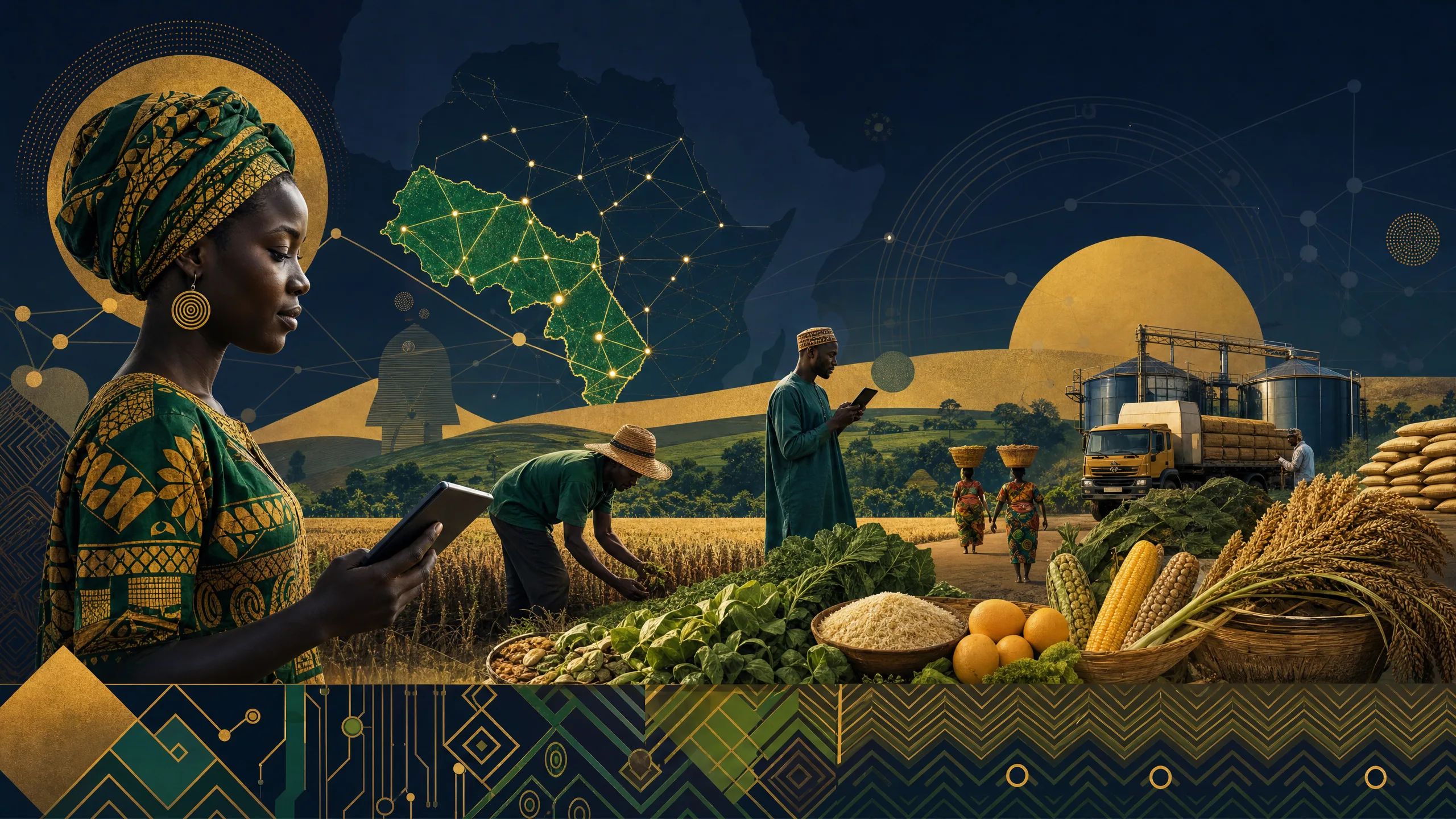
This shift aligns with Africa’s broader digital economy transformation, which is rapidly adopting blockchain solutions across sectors. The integration of tokenization into farmland investment facilitates transparency, reduces transaction costs, and mitigates risks associated with land tenure insecurity—an endemic challenge in many African countries. For policymakers and institutional investors, understanding the implications of blockchain agriculture in East Africa is crucial to harnessing its potential to boost agricultural productivity and food security.
Enhancing Agricultural Investment Through Digital Assets Farming
Agricultural investment in Africa has historically been constrained by fragmented land ownership, limited access to finance, and inefficient land registry systems. Tokenization farmland Africa addresses these constraints by creating digital assets farming platforms that provide verifiable and immutable records of land ownership and investment stakes. This digital representation enables investors to trade farmland tokens on blockchain-based marketplaces, increasing capital flow into agriculture and offering farmers access to new funding avenues.
In East Africa, where smallholder farmers dominate the agricultural landscape, tokenization can democratize investment by enabling micro-investments from a diverse pool of stakeholders. For example, a farmland token could represent a share in a 100-hectare farm, allowing investors to participate in its yield returns without the need for direct management. This model not only mobilizes capital but also incentivizes sustainable farming practices, as token holders have a vested interest in farm performance and environmental stewardship.
Blockchain Agriculture: Transparency and Security in Land Ownership
Blockchain agriculture introduces unparalleled transparency and security in managing farmland assets through decentralized ledgers. In regions like East Africa, where land disputes and unclear property rights hinder investment, blockchain’s immutable records can serve as a reliable source of truth. Tokenization farmland Africa leverages this capability to establish a transparent chain of custody for land titles, reducing fraud and enhancing investor confidence.
Furthermore, the use of smart contracts automates transactions and enforces compliance with regulatory frameworks, ensuring that token transfers and dividend distributions are executed seamlessly. This technological advancement supports regulatory objectives by providing traceability and accountability, which are critical for formalizing agricultural markets. By integrating blockchain into farmland investment, African economies can build resilient and transparent agricultural value chains that attract both local and international capital.
Case Studies: Tokenization Initiatives Driving Agricultural Growth in East Africa
Several pioneering projects in East Africa exemplify the potential of tokenization to stimulate agricultural investment. For instance, a Kenya-based startup recently launched a platform that tokenizes farmland parcels, enabling investors worldwide to purchase tokens representing fractional ownership in maize farms. Early results indicate a 20% increase in investment inflows compared to traditional funding methods, alongside improved farmer incomes due to enhanced access to working capital.
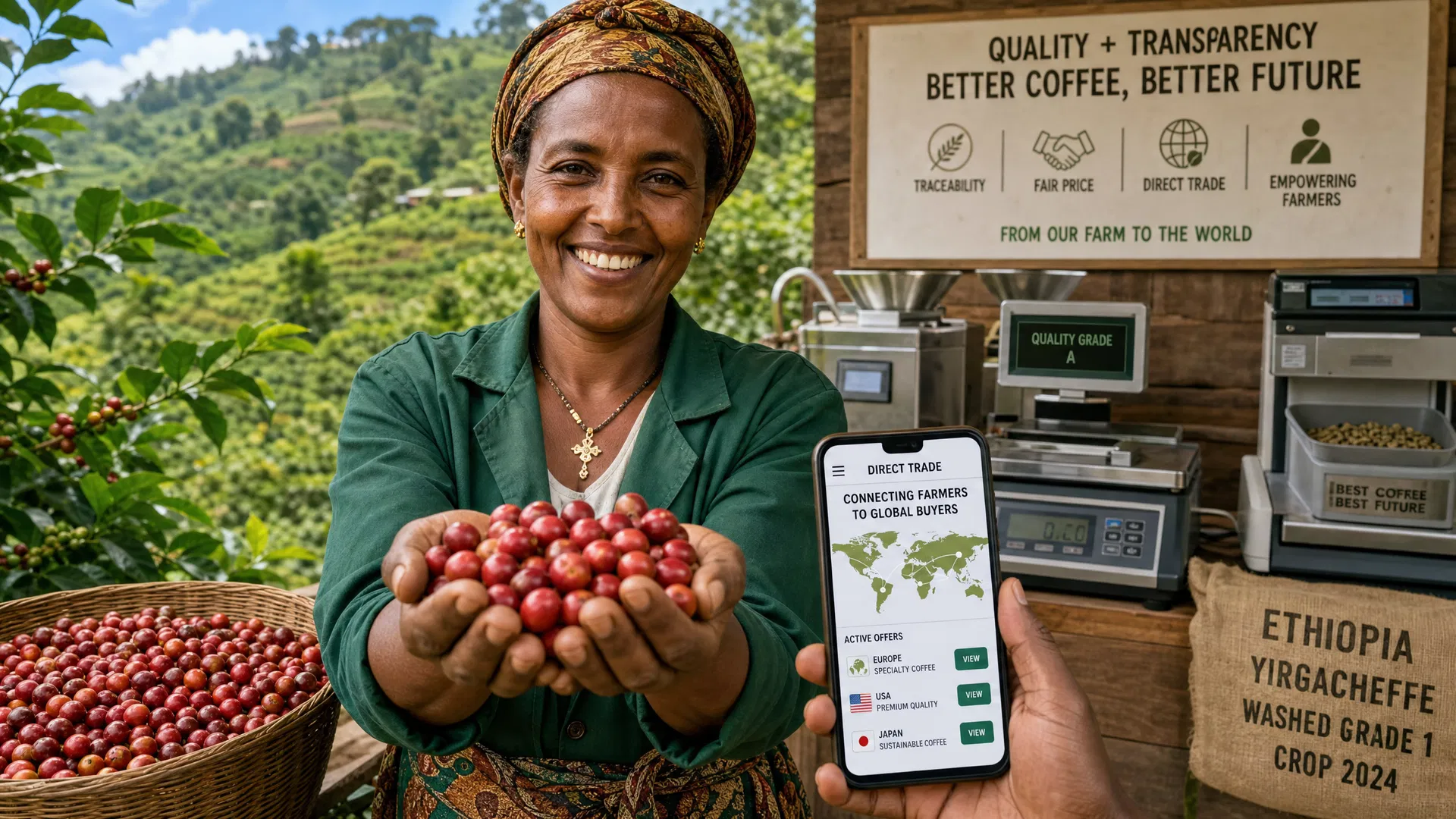
Similarly, in Tanzania, a blockchain agriculture initiative collaborates with local cooperatives to tokenize coffee plantations, facilitating direct investment from global markets. This approach not only boosts capital availability but also integrates farmers into the digital economy, improving supply chain transparency and traceability. These case studies underscore how tokenization farmland Africa is catalyzing inclusive agricultural finance models that align with food security objectives.
Regulatory Frameworks and Policy Considerations for Tokenized Farmland
The successful adoption of tokenization farmland Africa hinges on supportive regulatory frameworks that balance innovation with investor protection. East African policymakers face the challenge of developing comprehensive regulations that clarify the legal status of digital assets farming and define property rights in a tokenized environment. Harmonizing these regulations across regional economic communities like the East African Community (EAC) can foster cross-border investment and market integration.
Moreover, regulatory clarity on issues such as anti-money laundering (AML), know-your-customer (KYC) requirements, and smart contract enforceability is essential to build trust among institutional investors. Governments can also incentivize innovation by establishing regulatory sandboxes that allow experimentation with blockchain agriculture solutions under controlled conditions. Such proactive measures will ensure that tokenization initiatives comply with existing land laws, protect farmers’ rights, and facilitate sustainable agricultural investment.
Future Outlook: Digital Infrastructure as a Catalyst for Agricultural Transformation
Looking ahead, the expansion of digital infrastructure across East Africa will be pivotal to scaling the tokenization of farmland and enhancing agricultural investment. Increased internet penetration, mobile connectivity, and blockchain literacy among stakeholders are critical enablers for widespread adoption. Investments in digital identity systems and interoperable land registries will further strengthen the foundation for tokenized agriculture ecosystems.
As East Africa embraces blockchain agriculture and digital assets farming, the region stands to benefit from increased capital inflows, improved farm productivity, and enhanced food security. Institutional investors and policymakers must collaborate to address infrastructural gaps, foster regulatory certainty, and promote inclusive access to digital financial services. Ultimately, leveraging tokenization farmland Africa will not only revolutionize agricultural investment but also contribute significantly to the continent’s digital economy and sustainable development goals.