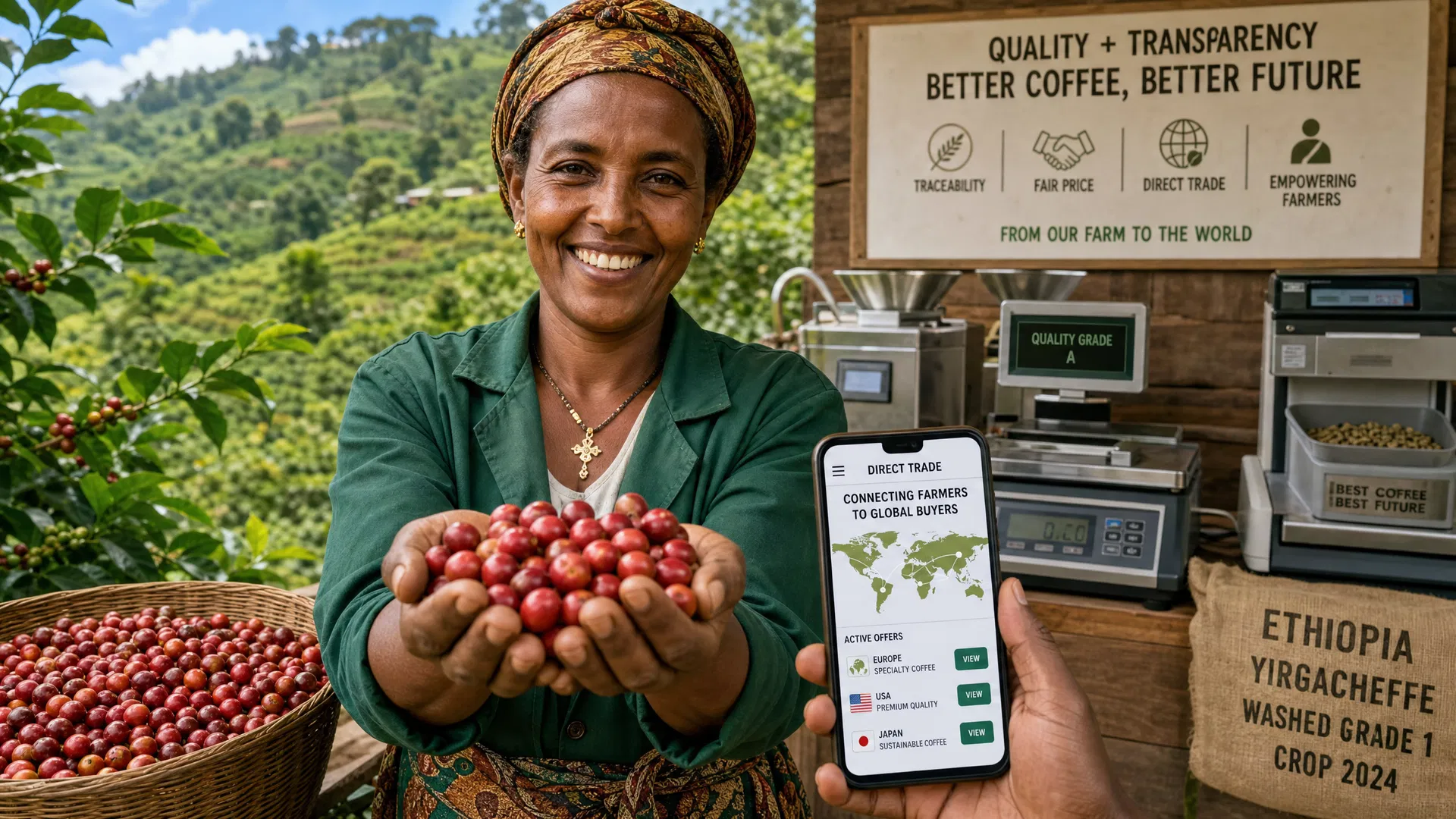
Ethiopia’s coffee heritage is renowned worldwide, celebrated as the birthplace of Arabica coffee. The country accounts for approximately 4% of global coffee production and is Africa’s largest coffee exporter, shipping around 7 million 60-kg bags annually. Despite this significant output, the Ethiopian coffee value chain remains heavily fragmented and inefficient, limiting the economic benefits that smallholder farmers—who constitute over 95% of coffee producers in regions like Oromia and Sidama—can derive from the global market. The traditional intermediated system, characterized by multiple layers of middlemen, constrained access to finance, and opacity in price discovery, has long stifled farmers’ incomes and the sector’s growth potential. The advent of digital infrastructure, particularly blockchain and asset tokenization, holds transformative promise for disrupting this entrenched value chain, enabling direct digital trade from Ethiopian farmers to global buyers.
Smallholder farmers in Ethiopia face significant challenges within the coffee export ecosystem. Typically, these farmers sell their coffee cherries to local collectors or cooperatives, which then pass through several intermediaries before reaching exporters and ultimately international buyers. This multilayered structure results in price inefficiencies and delays. According to the Ethiopian Coffee and Tea Development and Marketing Authority, farmers receive as little as 30% of the final export price, while intermediaries capture a disproportionate share of profits. Furthermore, the Ethiopian Commodity Exchange (ECX), established to streamline commodity trade and improve transparency, has been instrumental but remains limited in fully integrating smallholder farmers into digital platforms due to infrastructural and educational constraints. These systemic inefficiencies underscore the need for innovative digital solutions that can democratize access, increase transparency, and enhance traceability throughout the coffee value chain.
Digitization presents a compelling avenue to address these challenges by leveraging blockchain technology and asset tokenization to create a more inclusive and efficient coffee ecosystem. Blockchain’s immutable ledger can facilitate transparent tracking of coffee from farm to cup, ensuring provenance and quality verification that appeals to discerning international buyers. Tokenization enables the fractionalization of coffee assets, allowing farmers or cooperatives to digitize their coffee output as tradable tokens on secure digital platforms. This mechanism not only provides farmers with direct access to global markets but also opens new avenues for financing, as tokens can serve as collateral or investment vehicles, bridging the longstanding gap between farmers and capital providers.
In regions such as Oromia and Sidama, where coffee cultivation is the economic backbone, pilot projects integrating blockchain and digital marketplaces have shown promising results. Initiatives that tokenize coffee harvests enable farmers to sell fractions of their future yields to international buyers or investors, securing upfront payments that enhance liquidity and reduce dependence on local intermediaries. These digital transactions reduce friction, lower transaction costs, and mitigate risks related to price volatility and counterparty defaults. Moreover, digital contracts encoded on blockchain can automate payments and compliance with export regulations, further streamlining processes and fostering trust among all stakeholders.
Beyond technical advantages, digital platforms foster cooperative governance models that empower farmers with collective bargaining power and shared decision-making. By tokenizing cooperative shares or membership rights, farmers can more effectively manage resources and revenues while maintaining transparency. This democratization of governance is crucial in Ethiopia, where cooperative unions play a pivotal role in aggregating production and negotiating export deals. Enhanced governance models supported by blockchain can improve accountability, reduce corruption, and align incentives across the value chain, ultimately leading to better socio-economic outcomes for farming communities.
The benefits of digital transformation in the Ethiopian coffee sector extend beyond Ethiopia’s borders. They resonate across Africa’s agricultural economies, many of which suffer from similar inefficiencies and market access challenges. Countries like Kenya, Rwanda, and Uganda—with growing specialty coffee sectors—stand to gain from interoperable digital infrastructures that connect producers directly to global markets. Regional organizations such as the African Continental Free Trade Area (AfCFTA) can further catalyze this transformation by harmonizing digital trade regulations and standards, ensuring seamless cross-border transactions and fostering continental economic integration.
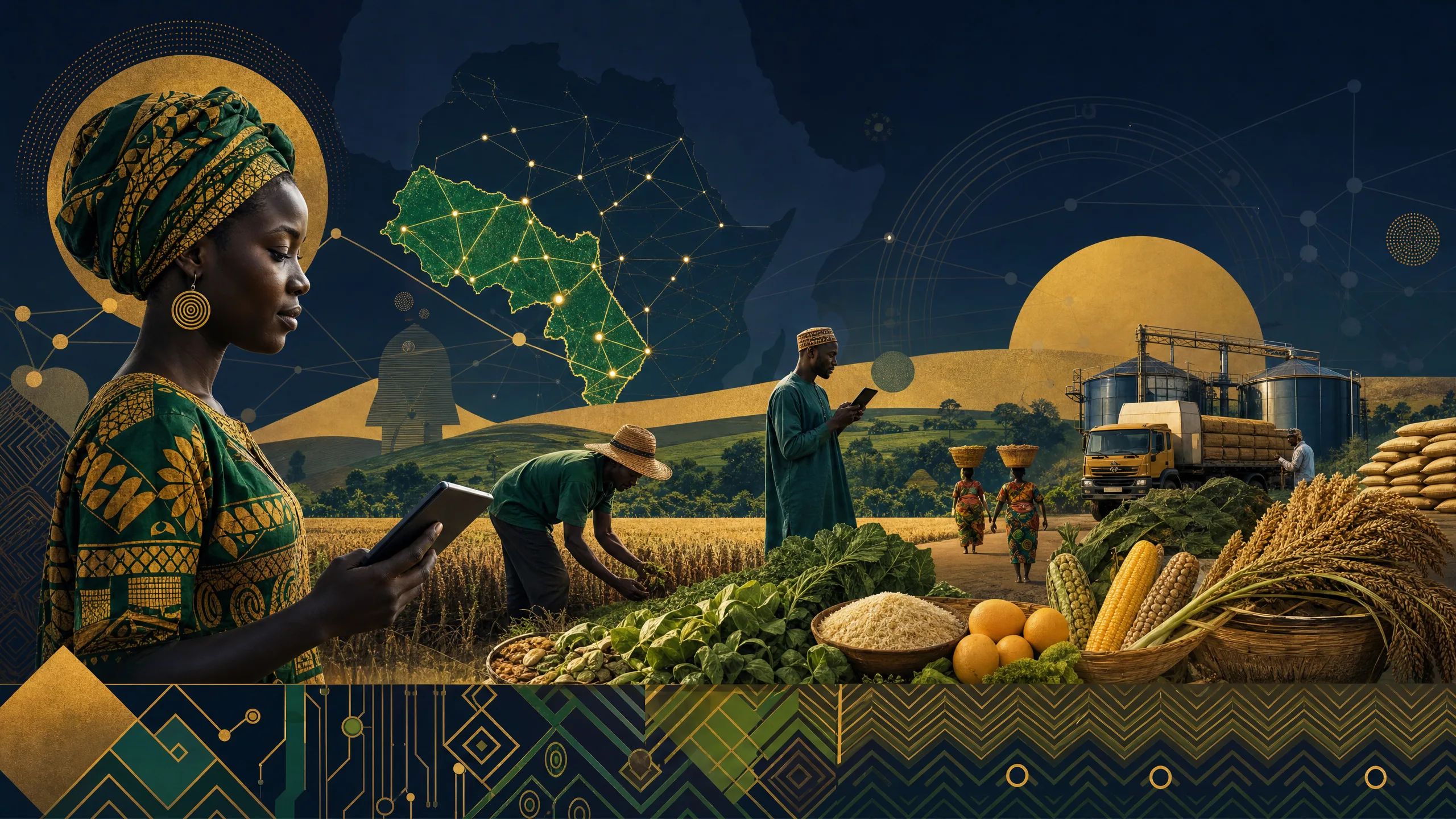
At AfriVest, our vision is centered on enabling this digital revolution in Africa’s agribusiness sectors. Through our platform, we are pioneering asset tokenization and cooperative governance solutions that empower smallholder farmers and cooperatives to unlock the full value of their produce. By providing secure, transparent, and accessible digital infrastructure, we facilitate direct trade relationships between African producers and global buyers, bypassing traditional bottlenecks and intermediaries. Our commitment to financial inclusion ensures that farmers gain access not only to markets but also to innovative financing mechanisms that enhance productivity and resilience.
Looking ahead, AfriVest envisions a future where Africa’s agricultural value chains, starting with emblematic commodities like Ethiopian coffee, are fully digitized and integrated into global digital economies. This transformation will drive equitable wealth creation, sustainable economic growth, and social empowerment across the continent. By harnessing blockchain technology and tokenization, we aim to rewrite the narrative of African agriculture—from one of fragmentation and inefficiency to one characterized by transparency, inclusivity, and opportunity. The disruption of the coffee value chain through direct digital trade is not just a technological milestone; it is a foundational step toward realizing Africa's vast economic potential in the 21st century.